

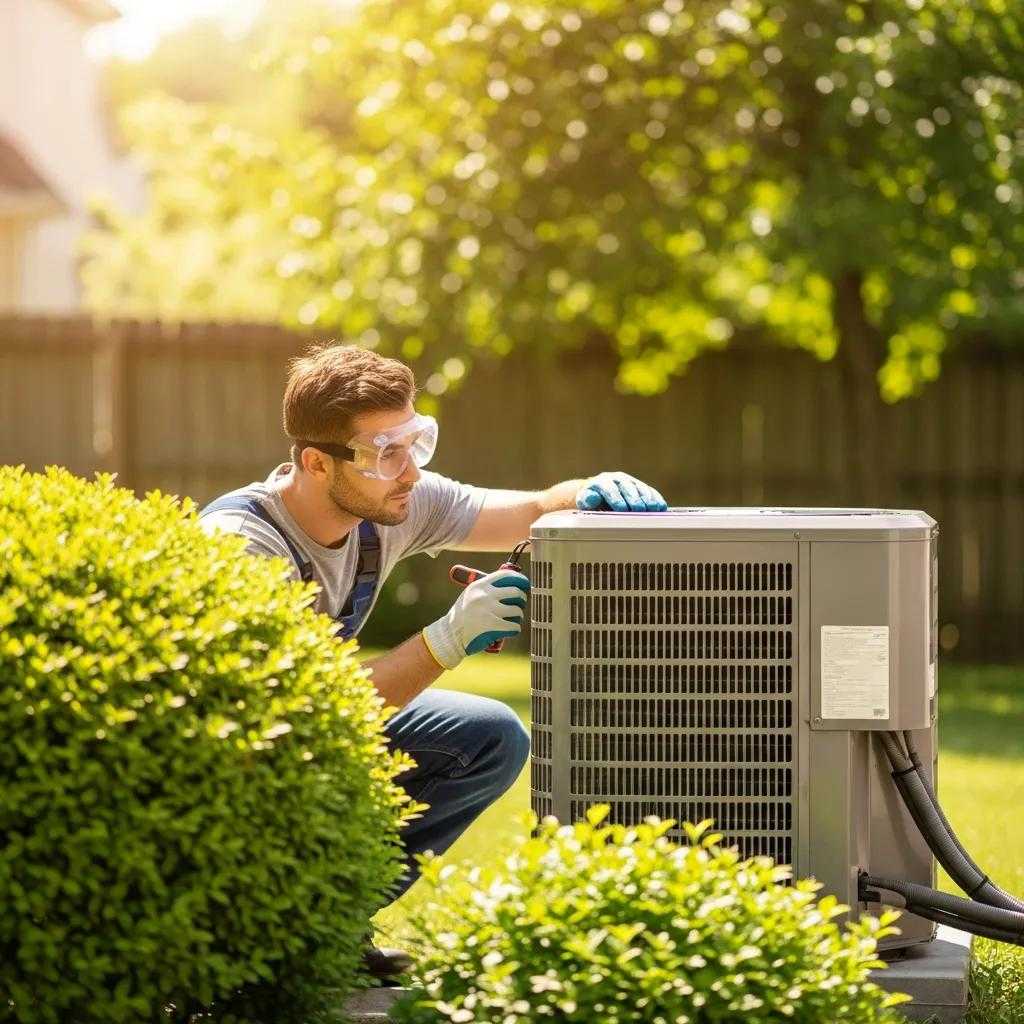
Seasonal AC Tune-Up Checklist — A Practical Guide to Reliable, Efficient Cooling
A seasonal AC tune-up is a step-by-step inspection and maintenance visit that gets your air conditioner ready for steady, efficient cooling. A proper tune-up helps keep your home comfortable, lowers energy bills, preserves manufacturer warranties, and cuts the risk of costly emergency repairs during North Carolina’s hot, humid months. This guide walks Seagrove and nearby NC homeowners through why tune-ups matter, what to include on a maintenance checklist, when to schedule service, how costs break down, and how regular care improves indoor air quality. You’ll also find straightforward DIY tasks you can safely do, the professional checks our technicians run, and spring scheduling tips to avoid last-minute stress.
Why Seasonal AC Tune-Ups Matter for Homeowners in North Carolina
Seasonal tune-ups confirm your system is ready for heavy use, fix small inefficiencies, and reduce the chance of a midseason breakdown when you need cooling most. Tune-ups target common wear points — airflow, refrigerant levels, and control settings — so your AC runs more reliably and uses less energy. Because NC summers place long run-times and high humidity on systems, preventive maintenance often means fewer emergency service calls and steadier comfort at lower cost. Below are the immediate benefits most relevant to our local climate and energy prices.
Research supports the value of regular AC maintenance for keeping systems running efficiently and avoiding expensive failures.
AC System Maintenance: Importance & Strategies
This study reviews how air conditioning maintenance improves system reliability and performance, identifies common maintenance gaps, and recommends practical strategies — preventive, corrective, and predictive — for managing AC systems in commercial buildings. The findings underscore that planned upkeep prevents many common failures and keeps equipment running longer.
Strategizing Effective Maintenance Strategies for Air Conditioning Systems in Commercial Buildings in Malaysia: A Systematic Literature Review, SH Husain, 2024
Seasonal tune-ups provide four key advantages for NC homeowners:
- Fewer emergency repairs: many after-hours calls start with systems that haven’t had preventive care.
- Longer equipment life: routine checks and minor adjustments reduce wear on compressors, motors, and controls.
- Better energy efficiency: clean coils and correct refrigerant restore designed performance and lower electricity use.
- More consistent comfort: calibrated thermostats and verified airflow help control temperature and humidity.
Those benefits lead directly into how specific tune-up tasks prevent breakdowns and improve performance, which we explain next.
How Tune-Ups Help Extend Your AC’s Lifespan and Avoid Breakdowns
Tune-ups extend equipment life by spotting and fixing stresses that speed component failure — things like restricted airflow, low refrigerant, and loose electrical connections. Technicians lubricate moving parts, tighten terminals, check belts and capacitors, and confirm the compressor is operating safely. For example, a dirty evaporator coil forces the compressor to work harder and draw more amperage; cleaning that coil restores normal load and helps avoid premature compressor failure. Regular inspections also find small refrigerant leaks early, and fixing those leaks prevents oil contamination and more serious compressor damage. That’s why an annual preventive visit is usually more affordable than replacing major components later on.
Additional research highlights that preventive maintenance is a cornerstone of keeping HVAC maintenance plan reliable and long-lived.
Preventive Maintenance for Optimal System Performance
This chapter outlines core maintenance approaches—preventive, predictive, reactive—and how they help extend asset life and reduce downtime. Integrating these approaches with modern diagnostic tools lets owners lower costs and keep systems performing as intended.
Maintenance strategies and optimization techniques, M Yazdi, 2024
How Tune-Ups Improve Energy Efficiency and Lower Bills
Tune-ups restore the system’s heat-transfer ability, make sure refrigerant charge is correct, and improve airflow by cleaning or replacing filters and coils. When your system operates close to design, it uses less electricity to cool the home. Typical tune-up actions that raise efficiency include condenser coil cleaning, refrigerant pressure checks, thermostat calibration, and blower motor inspection. Between visits, homeowners can help by changing filters every 1–3 months and keeping the outdoor unit clear of leaves and debris. Those small steps reduce runtime, cut energy use, and lower your environmental footprint over the cooling season.
Studies show meaningful efficiency gains from thorough coil cleaning.
UV Coil Cleaning for AC Energy Efficiency
This research reported a 10–15% energy efficiency improvement after coil cleaning aided by UV systems. When coils are clean and draining properly, heat transfer improves and the system runs less often to maintain comfort.
Ultraviolet germicidal coil cleaning: Impact on heat transfer effectiveness and static pressure drop, JC Luongo, 2017
What a Complete Seasonal AC Tune-Up Checklist Looks Like
A full seasonal tune-up separates safe, homeowner-friendly tasks from the technician work that requires tools and training. The checklist covers every critical subsystem — airflow, coils, refrigerant circuit, electrical controls, condensate management, and thermostat calibration — so your system runs reliably through peak cooling. Below is a clear comparison of DIY items versus professional services to help plan your maintenance visit.
Here’s what to expect from each:
- DIY items: filter changes, keeping the outdoor unit clear, and simple visual checks that don’t risk your safety.
- Professional services: coil cleaning, refrigerant leak detection and recharging, electrical and amperage diagnostics, and documented performance testing.
- Professional visits restore performance and create a service record useful for warranties and resale.
The technician-level tasks below explain the typical professional scope and why each step matters.
DIY AC Maintenance You Can Do Safely
You can handle several simple maintenance items that reduce system strain between professional visits. Replace or check air filters every 1–3 months depending on filter type and household conditions. Keep at least two feet of clearance around the outdoor condenser and remove leaves and grass clippings. Look for obvious vent obstructions and inspect visible duct runs for damage. You can also check the condensate drain for standing water and carefully flush it with a vinegar solution if needed, and replace thermostat batteries or update seasonal programming. These easy routines cut dust, maintain airflow, and help you spot issues before they become bigger problems.
- Common safe DIY tasks include:Replace or inspect filters monthly to quarterly based on use and filter type.Remove debris and vegetation from around the outdoor unit to preserve airflow.Check thermostat settings and batteries; make sure vents are open and unobstructed.
Keeping up with these simple tasks reduces wear on major components and gets your system ready for the professional tune-up.
What Professionals Do During an AC Tune-Up
Technicians use diagnostic tools and industry procedures to assess and restore system performance across multiple subsystems. Typical actions include cleaning condenser and evaporator coils, checking and correcting refrigerant charge, measuring system pressures and motor amperage, testing capacitors and contactors, lubricating motors where applicable, inspecting duct access points, and calibrating thermostats for accurate temperature control. Pros also test safety controls and run performance checks that compare airflow and temperature split to expected ranges. The table below links core tasks to what the technician does and the homeowner benefits.
Intro: The following table explains common professional tune-up tasks, the primary action taken, and the practical benefit to system performance.
| Service Task | What Technician Does | Why It Matters |
|---|---|---|
| Condenser coil cleaning | Removes dirt and debris from outdoor coil fins | Restores heat rejection and improves efficiency |
| Refrigerant check & leak detection | Measures pressure, checks lines for leaks, corrects charge | Ensures proper cooling performance and protects compressor |
| Electrical inspection | Tests contactors, capacitors, wiring tightness | Prevents electrical failures and unsafe operation |
That side-by-side view shows how technician work directly affects energy use, reliability, and safety. Keeping a documented service record also helps with indoor air quality and tracking system health over time.
When to Schedule Your AC Tune-Up in Seagrove and Nearby NC Areas
The best time to schedule a tune-up is in spring — before sustained hot, humid weather arrives and before peak demand slows technician availability. A spring visit lets technicians fix any winter-related issues, verify refrigerant before heavy loads start, and set filters and controls for humidity control. Most homes need one preventive tune-up before cooling season; older or heavily used systems may benefit from an extra mid-season check. Booking in spring also improves scheduling flexibility and reduces the chance you’ll wait for service during heat waves.
- Schedule your main tune-up in spring (March–May) to get ready for peak cooling.
- Consider a mid-season check if your system is older or runs a lot.
- Book early to avoid limited technician availability during heat waves.
Following these timing tips lowers the risk of midseason failures and makes it easier to get prompt service — especially if you enroll in a maintenance plan with priority scheduling.
Why Spring Is the Best Time for AC Maintenance
Spring falls before the period of highest AC service demand, so you can correct issues and verify performance before the system is stressed. Early service also means shorter wait times and a lower chance that a minor issue becomes an emergency during a heat spell. Fixing winter wear — like debris around the outdoor unit or rodent damage in ducts — prevents those problems from causing compressor strain once summer arrives. Spring tune-ups help keep energy use down, comfort steady, and create a service history that supports warranties and resale value.
That’s why scheduling early and following up if conditions change is a smart move.
Why Join the Call Carter Club Maintenance Plan?
Our Call Carter Club maintenance plan gives homeowners scheduled upkeep and practical perks that remove the guesswork from HVAC care. Members get reminder notifications, priority scheduling during busy seasons, and thorough tune-ups that follow professional standards — all of which help avoid long emergency waits and keep systems on a preventive cadence. The plan focuses on comprehensive visits that protect equipment performance and can lower the chance of costly repairs over time. For enrollment details and specific benefits, contact Carter HVAC Services, LLC to see how the Call Carter Club can simplify your yearly maintenance.
If you want predictable service and faster response in peak months, this plan is built for that — the next section explains cost drivers and long-term value so you can weigh the investment.
How AC Tune-Up Costs Break Down and the Long-Term Value
Tune-up prices reflect technician time, diagnostic effort, any parts used for minor fixes, and job complexity. Those cost drivers translate into long-term value through lower energy bills and fewer emergency repairs. Preventive service usually costs far less than one major repair or an untimely replacement, and it helps maintain any manufacturer warranty. The table below outlines the main cost factors and the long-term value each provides so homeowners can evaluate maintenance ROI without focusing on specific price lists.
Intro: Use this table to see what influences tune-up pricing and how each factor supports long-term savings.
| Component | Cost Factor | Long-Term Value |
|---|---|---|
| Labor & diagnostics | Technician time and testing equipment | Accurate repairs and fewer unnecessary part replacements |
| Parts & consumables | Filters, capacitors, seals | Restores performance and prevents repeat failures |
| System complexity | Accessibility, age, refrigerant type | Affects time and parts needed; addressing complexity prevents larger failures |
That breakdown explains why quotes can vary and how preventive maintenance lowers total ownership cost by avoiding emergency repairs and preserving efficiency.
What Affects the Price of an AC Tune-Up?
Several things influence tune-up cost: system age, how easy the equipment is to access, parts that need replacement, refrigerant type (some require special handling), and whether extra diagnostics or repairs are necessary. Older systems usually take more time and parts, and units in tight or elevated locations increase labor. Duct problems or mold contamination add scope and cost because sealing or cleaning may be required. Knowing these factors helps you understand quotes and recognize when a somewhat higher first cost saves money and trouble later.
Being prepared for those drivers makes follow-up work easier and helps preserve system life and performance.
Do Preventive Savings Outweigh Emergency Repair Costs?
Yes. Preventive maintenance saves money mainly by cutting emergency calls and keeping systems efficient. Regular tune-ups catch small problems before they turn into costly compressor or control board failures, and lower energy use offsets service costs over time. Many homeowners find that one avoided major repair covers several years of tune-up costs. Keeping a clear maintenance history also helps quantify savings for your specific home.
These comparisons show why preventive service is both a comfort and a smart long-term strategy for HVAC ownership.
How Regular AC Maintenance Improves Indoor Air Quality and Comfort

Regular AC maintenance helps indoor air quality (IAQ) by keeping filters effective, ensuring coils dry so microbes don’t grow, and sealing ductwork to limit contaminants. Clean components balance airflow and control humidity, which reduces allergens and keeps temperatures consistent. Key IAQ tasks include selecting and replacing the right filter, cleaning coils, maintaining the condensate drain, and fixing duct leaks or insulation gaps. The table below links common IAQ components to the attributes we check and how they affect indoor air.
Intro: The following table maps system components to IAQ checks and homeowner impact.
| Component | Attribute Checked | Impact on Indoor Air Quality |
|---|---|---|
| Air filter | Type and replacement frequency | Reduces particulates and allergen load |
| Condenser & evaporator coils | Cleanliness and drainage | Prevents microbial growth and maintains heat transfer |
| Ductwork | Sealing and cleanliness | Minimizes dust recirculation and improves ventilation |
Giving these areas regular attention lowers allergens and improves ventilation, which enhances comfort and occupant health during heavy-use periods.
How Air Filters and Ducts Affect Indoor Air
Filters are your first line of defense for indoor air quality. The filter type and how often you change it determine how well particulates are removed. Higher-MERV pleated filters catch smaller particles than basic fiberglass pads, but they must match your system’s airflow capacity to avoid added strain. Leaky or dirty ducts recirculate dust and allergens, reduce airflow, and force the system to run harder. A professional inspection will tell you when sealing or targeted cleaning will restore balanced ventilation and protect comfort and efficiency.
Knowing this helps you pick the right filter and decide when to call a pro for duct work.
How Maintenance Reduces Allergens and Improves Ventilation
Maintenance lowers allergens by replacing or upgrading filters, cleaning coils that can harbor mold, clearing condensate drains to prevent moisture buildup, and ensuring ducts stay sealed so air doesn’t pick up extra particulates. Good humidity control — helped by correct refrigerant charge and properly sized equipment — reduces mold and dust mite growth. Simple household habits like vacuuming with a HEPA-capable vacuum, reducing indoor moisture, and keeping vents clear complement professional work to produce measurable IAQ improvements. Together, these steps make indoor air cleaner and more comfortable throughout the cooling season.
These IAQ practices pair with routine tune-ups to keep your home healthy and comfortable.
Common Questions About Seasonal AC Tune-Ups
Homeowners often ask about how often to schedule tune-ups, which DIY tasks are safe, what to do in an emergency, and what to expect during a technician visit. Clear answers help set realistic expectations and prompt the right actions. Below are direct, practical answers you can use.
How Often Should I Schedule an AC Tune-Up?
We recommend a professional AC tune-up at least once a year, ideally in spring before the cooling season starts. Homes with pets, allergy sufferers, or systems that run heavily may benefit from an extra mid-season check or more frequent filter changes. Older systems should be monitored more closely because parts wear faster and small problems can add up. Keep a maintenance log and save service reports to track performance and support warranty claims.
For most homeowners, an annual spring tune-up is the best balance of prevention and convenience.
Can I Perform My Own AC Tune-Up Safely?
You can safely handle several tune-up items yourself: change filters, clear debris from the outdoor unit, check thermostat settings, and make sure vents aren’t blocked. Avoid refrigerant handling, electrical repairs, or any compressor work — those need trained technicians with the right tools. If you notice oil stains, a chemical or musty odor, exposed wiring, or large airflow loss, call a professional right away. For urgent issues, many HVAC companies offer after-hours support to triage and advise next steps.
Sticking to safe tasks protects you and preserves the system while professionals handle higher-risk work.
Frequently Asked Questions
What are the signs that my AC system needs a tune-up?
Watch for uneven cooling, strange noises, higher-than-normal energy bills, or frequent on/off cycling. A musty smell or persistent indoor humidity can also signal a problem. If your unit hasn’t been serviced in over a year, schedule a tune-up to catch issues before peak season.
How can I prepare my home for an AC tune-up appointment?
Clear plants, toys, and debris away from the outdoor unit so the technician can work easily. Inside, make sure they can reach the thermostat and vents, and have any recent maintenance records or notes about issues handy. That helps the technician diagnose problems faster.
Are there any DIY maintenance tasks I should avoid?
Never attempt refrigerant work, electrical repairs, or compressor service — those require certified technicians. If you smell refrigerant, see oil stains, or notice exposed wiring, call a professional immediately instead of trying to fix it yourself.
What should I expect during a professional AC tune-up?
A technician will inspect and clean coils, check refrigerant levels, test electrical components, measure airflow and temperature split, and verify thermostat calibration. After the visit you’ll get a report of the work performed and any recommended repairs or follow-ups.
How can I ensure my AC system runs efficiently between tune-ups?
Replace or clean air filters every 1–3 months, keep the outdoor unit clear of debris, and ensure vents are unobstructed. Maintain steady thermostat settings and practice basic home humidity control. Those simple steps help your system run less and last longer.
What are the long-term benefits of regular AC maintenance?
Regular maintenance improves energy efficiency, extends equipment life, and reduces the chance of expensive repairs. It also supports better indoor air quality and keeps comfort consistent. Overall, routine tune-ups lower ownership costs and prevent many unexpected breakdowns.
Conclusion
Seasonal AC tune-ups deliver real, practical benefits: better efficiency, longer equipment life, and fewer emergency repairs. Prioritizing preventive maintenance keeps your home comfortable and improves indoor air quality through the cooling season. Ready to get started? Schedule your tune-up today and let our team at Carter HVAC keep your system running smoothly and reliably.