
How can we help today?
Choose an option to see quick actions and get help faster.Furnace Inspection in Elkton, KY
Furnace Inspection in Elkton, KY
Furnace Inspection in Elkton, KY
Is Your Heating System Ready for Winter or Showing Signs of Failure?
Uncertainty about your furnace’s reliability can create significant stress when temperatures in Elkton, KY begin to drop toward freezing. A heating system that cycles irregularly, produces strange noises, or fails to maintain a consistent temperature puts your home comfort and safety at risk. Contact us to schedule a comprehensive system evaluation and safety check today.
Carter Heating and Cooling provides detailed furnace inspections designed to uncover hidden mechanical issues before they evolve into expensive emergency repairs. We go beyond a simple visual glance, utilizing advanced diagnostic tools to ensure every component of your heating unit functions according to manufacturer specifications.
- Certified technicians available for prompt, thorough system inspections.
- Comprehensive safety checks to identify carbon monoxide risks and efficiency loss.
- Transparent reporting with detailed breakdowns of current system health and potential future needs — read our reviews for customer feedback.
- Licensed and insured for your peace of mind, with upfront pricing on all diagnostic services.
What Happens During a Professional Furnace Inspection?
A furnace inspection is a technical audit of your heating system’s performance. The primary goal is to verify that the unit operates safely, efficiently, and reliably. Homeowners often mistake a basic tune-up for a diagnostic inspection, but a true inspection involves a rigorous assessment of the system's "vital signs." This process determines if the equipment can handle the workload of a full winter season without faltering.
Technicians examine the critical components that drive the heating cycle. This includes the ignition sequence, the combustion process, and the distribution of heat throughout the home. By isolating specific mechanical and electrical functions, a technician can pinpoint wear and tear that is invisible to the untrained eye.
Safety and Heat Exchanger Analysis
The most critical aspect of any gas furnace inspection is the evaluation of the heat exchanger. This metal component separates the combustion gases—including carbon monoxide—from the air that circulates through your home. Over time, the constant expansion and contraction caused by heating cycles can lead to stress cracks.
- Technicians use inspection cameras to visually inspect the heat exchanger for cracks, rust, or corrosion.
- Combustion analysis tools measure the flue gases to ensure they are venting properly outside the home.
- Carbon monoxide detectors are used around the unit and near registers to verify indoor air quality safety.
- Flame rollout switches and limit switches are tested to ensure they shut the system down in the event of overheating or blockage.
Electrical Component and Control Testing
Modern furnaces rely heavily on electronic controls to manage the heating cycle. If the electrical components are failing, the furnace may short cycle or fail to ignite entirely. An inspection involves measuring voltage and amperage to ensure parts are not drawing too much power, which is a leading indicator of imminent failure.
- The capacitor is tested to ensure it holds the correct electrical charge to start the blower motor.
- The igniter (or pilot light assembly) is tested for resistance to ensure reliable lighting.
- All wiring connections are tightened and inspected for signs of fraying or heat damage.
- The thermostat is calibrated to ensure it communicates accurately with the furnace control board.
Airflow and Blower Motor Assessment
Even a furnace with perfect combustion will fail to heat a home if the airflow is restricted. The blower motor is the heart of the air distribution system. If it is dirty or struggling, efficiency drops, and energy bills rise.
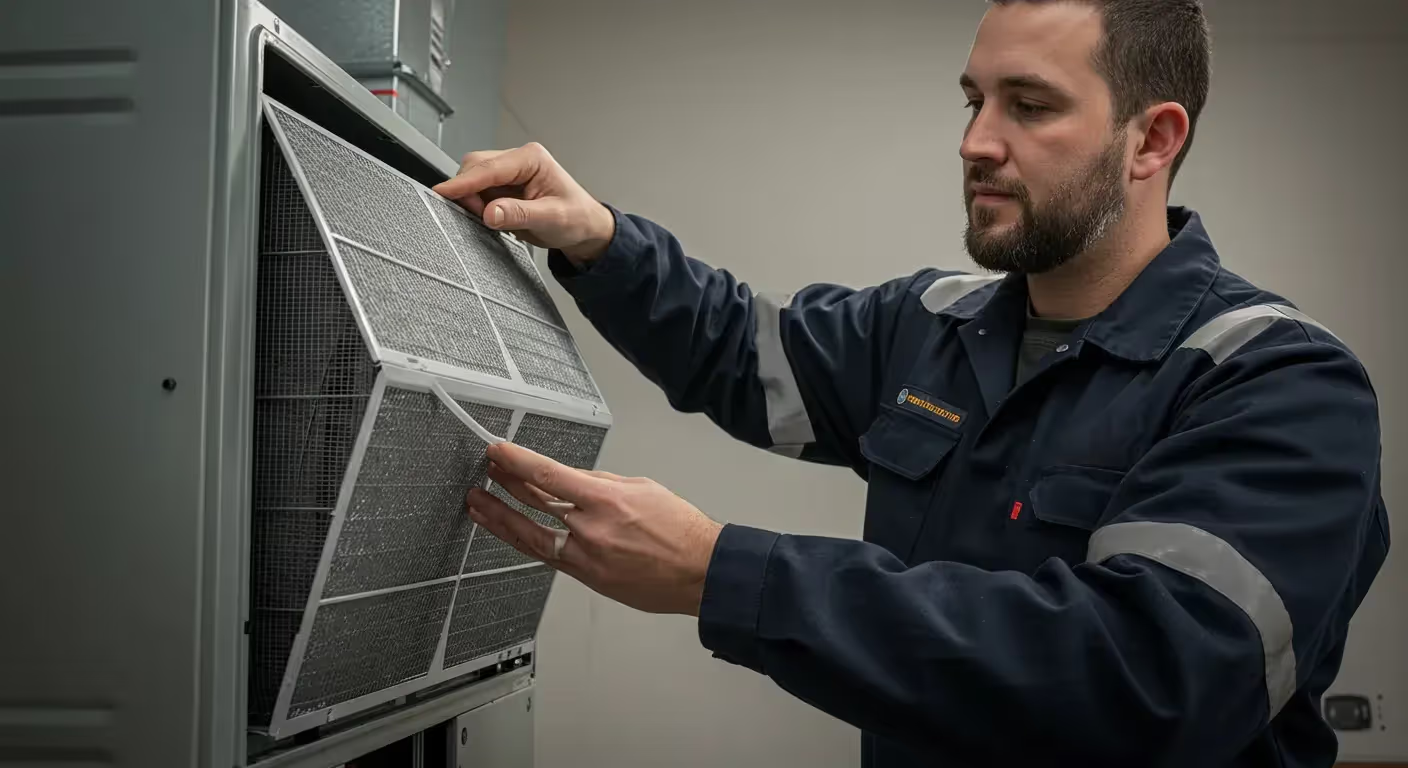
- The blower wheel is inspected for dust and debris buildup, which can cause imbalance and noise.
- Static pressure tests measure the resistance in the ductwork to identify blockages or crushed ducts.
- The air filter is checked and the housing is inspected for air leaks that pull in unfiltered air.
- Fan belts (on older units) are checked for tension and wear.
The Inspection Process: From Arrival to Diagnosis
Understanding the workflow of an inspection helps homeowners know what to expect. This is not a quick 15-minute visit; it is a methodical procedure. The process is designed to result in a clear "report card" for your heating system, allowing you to make informed decisions about maintenance or repairs.
- First, the technician performs a preliminary operation check. This involves turning the thermostat up to call for heat and observing the startup sequence. The technician listens for the inducer motor to start, the igniter to glow, the gas valve to open, and the main blower to engage. Any hesitation in this sequence indicates a specific fault.
- Next, the system is powered down for the internal examination. The cabinet panels are removed to access the burners, blower, and controls. This is when the cleaning of sensors and the detailed electrical testing occurs.
- Following the internal check, the technician assesses the venting system. The flue pipe is checked for proper slope and integrity to ensure exhaust gases are leaving the home efficiently. In Elkton, where pests or weather debris can sometimes affect external vents, this step is vital for preventing back-drafting.
- Finally, the system is reassembled and run through a full heating cycle to measure temperature rise. The temperature of the air entering the return vent is compared to the air exiting the supply vents. If the difference is outside the manufacturer’s range, it indicates issues with airflow or gas pressure.
Deciding Between Repair and Replacement After Inspection
Once the inspection is complete, you will receive a detailed report. In many cases, the system passes with a clean bill of health. However, if issues are found, you face a decision: repair the existing unit or invest in a replacement. This decision should be based on data, not guesswork.
Carter Heating and Cooling helps homeowners navigate this choice by looking at the age of the unit, the cost of the repair, and the frequency of breakdowns.
The Age of the System
Furnaces generally have a lifespan of 15 to 20 years. If your unit is approaching or has exceeded the 15-year mark, major repairs are often not cost-effective. Parts for older units can be more expensive and harder to source. If a heat exchanger fails in a unit this old, replacement is almost always the recommended path due to the cost and safety implications.
The 50% Rule
A common industry standard for decision-making is the 50% rule. If the cost of the repair is 50% or more of the cost of a new system, you should replace it. For example, if a blower motor and control board need replacing on an older unit, the total bill might rival the down payment or total cost of a modern, high-efficiency furnace — apply for financing to manage the investment.
Safety Considerations
Safety issues often dictate an immediate need for replacement. If an inspection reveals a cracked heat exchanger that is leaking carbon monoxide, the unit must be shut down immediately. While heat exchangers can technically be replaced, the labor intensity usually makes a full system replacement the smarter financial move.
Efficiency and Comfort
If your current furnace has required multiple repairs in the last two years and your energy bills are steadily increasing, the unit is likely suffering from diminishing returns. Newer furnaces offer variable speed blowers and modulating gas valves that provide consistent comfort and significantly lower utility bills compared to single-stage models from a decade ago.
Critical Factors for Elkton Homeowners
Operating a furnace in Elkton presents specific challenges due to the local climate and housing infrastructure. While winters here are generally mild compared to the far north, temperatures consistently dip into the mid-20s, and cold snaps can put a heavy strain on heating systems.
Addressing Humidity and Condensation
Elkton experiences humid summers and wet winters. This moisture can impact furnace health. High-efficiency furnaces create condensation as a byproduct of combustion. If the condensate lines freeze or become clogged with algae or sediment, the furnace will shut down to prevent water damage. Inspections in this region always include a thorough check of the drainage system to prevent mid-winter shutoffs.
Permit and Code Compliance
When modifications or replacements are required following an inspection, local building codes must be followed. This ensures that gas lines are sized correctly and electrical connections meet safety standards. Professional inspections identify code violations from previous handyman work, such as improper venting materials or lack of sediment traps on gas lines, which are common issues in older local homes.
Seasonal Transition Preparation
The transition from air conditioning to heating is the most stressful time for HVAC systems. After sitting idle for months, the furnace is suddenly asked to perform at capacity. Inspections performed in the fall are crucial for catching seized motors or rusted connections that developed during the humid summer months.
Why Proper Diagnostics Matter for System Longevity
A furnace is a significant investment in your home. Treating it with reactive repairs rather than proactive inspections shortens its lifespan. Routine diagnostic checks serve as preventative medicine for the machine.
Preserving Manufacturer Warranties
Most furnace manufacturers require proof of annual maintenance and inspection to keep warranties valid. If a major component fails and you cannot prove the system was inspected by a professional, the manufacturer may deny the claim, leaving you with the full cost of the part and labor.
Improving Energy Efficiency
Dust and grime are the enemies of efficiency. A layer of dust on the blower wheel or heat exchanger acts as an insulator, preventing the transfer of heat to the air. This forces the system to run longer to reach the thermostat setting. Inspections that include cleaning and tuning restore the system to factory efficiency levels, keeping monthly utility costs in check.
Avoiding Emergency Rates
Furnaces rarely break down at convenient times. Breakdowns usually occur during the coldest nights of the year when the system is running non-stop. Emergency service calls often carry a premium price tag and result in longer wait times due to high demand. A scheduled inspection identifies worn parts—like a fraying belt or a weak igniter—so they can be replaced during regular business hours at standard rates.
Secure Your Comfort This Season
Ignoring the signs of a struggling furnace can lead to uncomfortable nights and unexpected expenses. A professional assessment provides the clarity needed to ensure your home remains warm and safe throughout the winter. Whether your system needs a minor adjustment or a major repair, knowing the exact condition of your equipment allows you to plan effectively.
Carter Heating and Cooling is dedicated to providing honest, technically accurate inspections for homeowners in Elkton. We prioritize safety and transparency in every evaluation we perform.
Schedule your furnace inspection now to ensure your system is ready for the cold.

Great Service at a Fair Price
Veterans Discount


Senior Discount

Law Enforcement

Fire fighters/ems
Hear From Your Neighbors!
Hear from your neighbors to see how our commitment to dependable service and lasting comfort has made a difference in their homes.