

How can we help today?
Choose an option to see quick actions and get help faster.HVAC Services in Brownsville, KY
Immediate Relief From HVAC Headaches
Is your air conditioner failing in the scorching summer heat or your heater giving out during a winter chill? Residents in Brownsville know that Kentucky weather demands a functional system, and you need swift, reliable solutions that bring back your comfort in no time. Contact us immediately to schedule a diagnostic visit or click here to view available financing options.
Carter Heating and Cooling provides a streamlined approach to restoring your indoor climate, ensuring your home remains safe and comfortable regardless of the season.
- Guaranteed same-day service availability to get your system up and running when it matters most.
- Clear, upfront pricing and flexible financing options that remove the guesswork from repairs and replacements.
- Full compliance with local codes and permits, handling all regulatory paperwork for you.
All services are backed by robust warranties and straightforward financing—no surprises, just results.
Comprehensive HVAC Solutions Available Today
When a heating or cooling system malfunctions, you need more than a quick patch; you need a comprehensive assessment that identifies the root cause of the failure. Modern HVAC systems are complex networks of electrical components, refrigerants, and airflow mechanics. Professional intervention ensures that every aspect of the system, from the thermostat to the outdoor condenser, operates in synchronization.
Air Conditioning Repair and Installation
Summer humidity in this region can be relentless. A functioning air conditioner is not a luxury; it is a necessity for health and property protection. Services cover the full spectrum of cooling needs:
- Refrigerant Leak Detection and Recharge: Low refrigerant levels often indicate a leak that must be sealed before recharging to prevent future freezing of the coils.
- Compressor Analysis: The heart of the AC unit requires precise amperage and voltage checks to ensure it is not overheating or struggling to pump refrigerant.
- Electrical Component Replacement: Capacitors, contactors, and wiring often degrade over time due to heat exposure; swapping these out prevents sudden system failure.
- Coil Cleaning: Dirty evaporator and condenser coils reduce efficiency and cooling capacity; professional cleaning restores heat transfer capabilities.
Heating Systems and Furnaces
As temperatures drop, the reliability of your furnace or heat pump becomes critical. Technical services focus on safety and efficiency, particularly for gas-fired systems where carbon monoxide is a concern.
- Heat Exchanger Inspection: Technicians check for cracks or corrosion that could lead to dangerous leaks.
- Ignition System Repair: Faulty pilot lights, electronic igniters, or flame sensors are common culprits when a furnace blows cold air.
- Blower Motor Optimization: Ensuring the blower motor is clean and the belt is tensioned correctly ensures proper air distribution throughout the home.
Heat Pumps and Ductless Mini-Splits
For homes looking for versatile efficiency, heat pumps and ductless mini-splits offer dual-fuel capabilities and zoning options.
- Reversing Valve Troubleshooting: The component that switches a heat pump from cooling to heating mode is tested to ensure seamless seasonal transitions.
- Zoned Comfort Control: Ductless systems allow for individual room temperature control; services include mounting indoor heads and concealing line sets for a clean aesthetic.
- Inverter Technology Support: Modern variable-speed compressors require specialized diagnostic tools to calibrate for maximum energy savings.
Indoor Air Quality and Specialty Services
Sealing a home for energy efficiency often traps pollutants inside. Integrated IAQ solutions address these issues directly within the HVAC system.
- Dehumidification: Whole-home dehumidifiers work with the AC to remove excess moisture, reducing mold growth potential.
- Filtration Upgrades: Installation of high-MERV media cabinets captures smaller particulates, including allergens and dust, better than standard 1-inch filters.
- UV Germicidal Lights: Installed in the ductwork or near the coils, these lights neutralize bacteria and viruses before they circulate.
The Service and Installation Process
Understanding what happens during a service call or installation helps homeowners plan their day and sets clear expectations. The goal is to minimize disruption while maximizing system performance.
Diagnostic and Repair Workflow
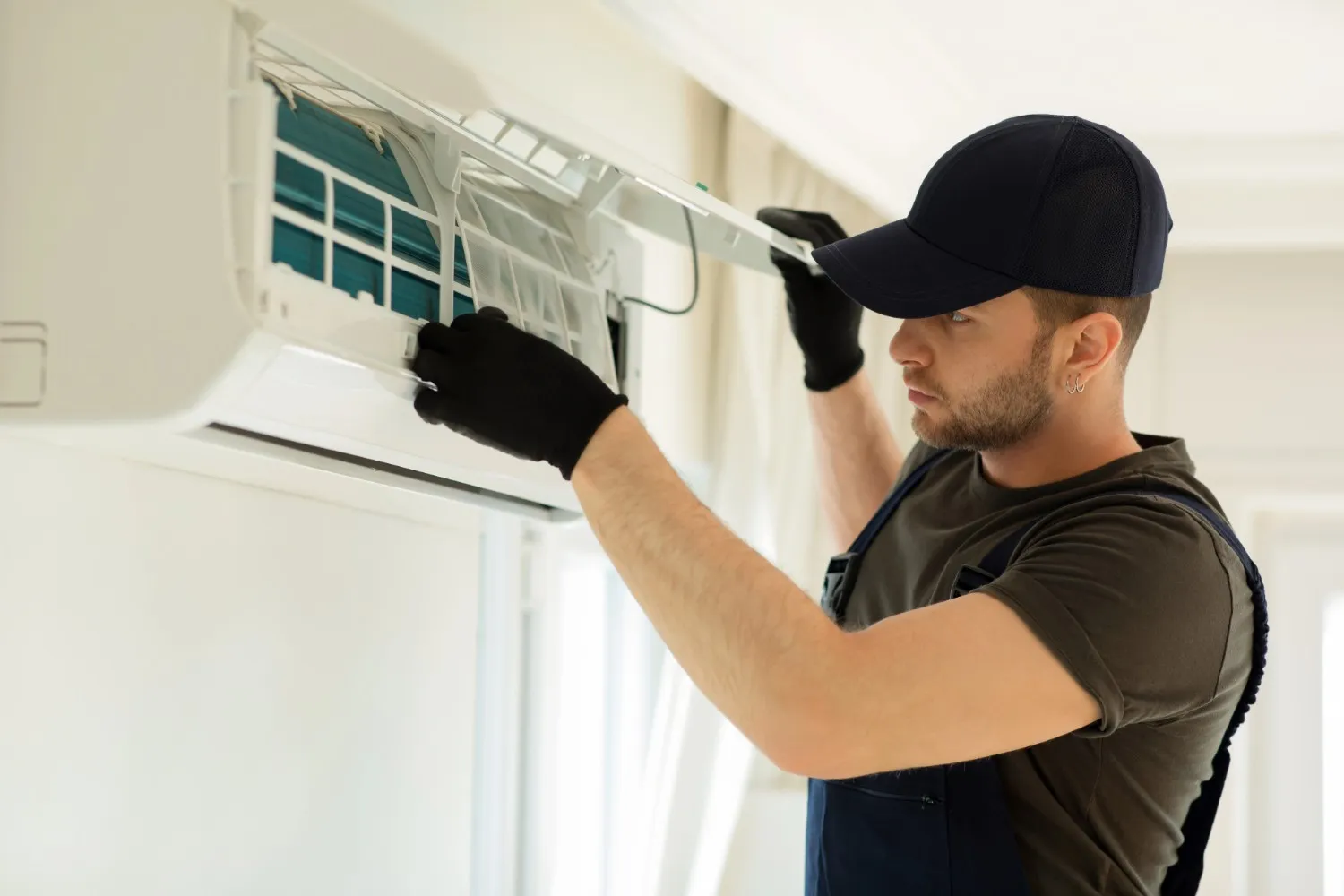
- Arrival and Assessment: A technician arrives with a fully stocked vehicle, ready to troubleshoot the issue. They perform a static pressure test and electrical analysis to pinpoint the failure.
- Explanation of Findings: You receive a detailed report explaining exactly what is broken, why it failed, and the options for repair. There is no ambiguity regarding costs.
- Execution: Upon approval, repairs are performed immediately using OEM or high-quality aftermarket parts.
- Verification: The system is cycled through all modes of operation to verify the fix. Temperatures and pressures are measured and recorded.
System Replacement Protocol
When you engage Carter Heating and Cooling for a system upgrade, the process is rigorous to ensure the new unit performs to its factory-rated efficiency.
- Load Calculation: A Manual J load calculation determines the exact heating and cooling requirements of the specific structure. Guessing based on the old unit's size is not an option.
- Ductwork Inspection: Existing ducts are evaluated for leaks, sizing issues, or insulation failures. A new unit cannot perform well connected to compromised ductwork.
- Removal and Disposal: The old equipment is safely disconnected, refrigerant is recovered according to EPA guidelines, and the unit is hauled away for recycling.
- Precision Installation: The new system is leveled, connected to power and fuel sources, and the refrigerant lines are brazed with nitrogen to prevent oxidation.
- Commissioning: The system is charged to subcooling and superheat specifications. Airflow is balanced, and the thermostat is programmed to your preferences.
Deciding Between Restoration and New Installation
One of the most difficult decisions homeowners face is whether to pour more money into an aging system or invest in a replacement. This decision should be based on data and financial logic rather than emotion.
- The 50% Rule: If the cost of the repair approaches or exceeds 50% of the value of the system (or the cost of a new unit), replacement is generally the smarter financial move.
- The Age-Cost Multiplier: Multiply the age of the unit by the estimated repair cost. If the total exceeds $5,000, replacement is recommended. For example, a 12-year-old unit needing a $500 repair ($6,000 total) is likely near the end of its life.
- Efficiency Considerations: Older units often operate at 10 SEER or lower. Modern standards require minimums of 14-15 SEER2, with high-efficiency units reaching over 20 SEER2. Upgrading can result in immediate monthly energy savings that help offset the installation cost.
- Frequency of Breakdowns: If a system has required repairs more than twice in the last two years, it has become unreliable. The "nickel and diming" effect of frequent minor repairs often costs more in the long run than a planned replacement.
- Warranty Status: Check if the compressor or heat exchanger is still under warranty. If the warranty has expired, the cost of these major components usually justifies a full system replacement.
Navigating Local HVAC Requirements
Operating in this region requires specific knowledge of local climate patterns, building codes, and utility infrastructure. A generic approach does not work when dealing with the distinct weather swings experienced here.
Permitting and Compliance
- Permit Acquisition: Major installations and structural modifications to HVAC systems typically require a permit from the local building department. This ensures the installation meets safety standards.
- Inspection Coordination: After installation, a municipal inspector may need to verify the work. Professional providers handle scheduling and ensure the work passes inspection on the first visit.
- Refrigerant Handling: Strict EPA Section 608 regulations govern how refrigerants are handled. Certified technicians ensure no harmful chemicals are vented into the atmosphere.
Regional Climate Factors
- Humidity Management: The summers in Brownsville bring high humidity levels. Systems must be sized correctly to run long enough to dehumidify the air. An oversized unit will cool the air too quickly without removing moisture, leading to a "clammy" indoor feeling.
- Winter Extremes: While winters can be mild, cold snaps are common. Heat pumps often require auxiliary heat strips or a gas furnace backup (dual fuel) to maintain comfort when temperatures drop below freezing.
Utility Rebates and Incentives
- Federal Tax Credits: Under the Inflation Reduction Act, high-efficiency heat pumps and AC units may qualify for significant tax credits.
- Local Utility Rebates: Local energy providers frequently offer rebates for upgrading to ENERGY STAR-certified equipment or installing smart thermostats. Providers assist in identifying and applying for these available savings.
Why Professional Management Matters
Attempting DIY repairs or hiring unlicensed handymen for HVAC work poses significant risks, including voided warranties, safety hazards, and decreased system lifespan. Professional management ensures that the investment in your home’s infrastructure is protected.
Technical Expertise and Certification
- NATE Certification: Technicians undergo rigorous testing to earn North American Technician Excellence certification, proving their knowledge of modern HVAC theory and application.
- Continuous Training: Manufacturers regularly update technology. Professional teams attend ongoing training to master variable-speed motors, communicating thermostats, and inverter-driven compressors.
Tooling and Diagnostics
- Advanced Instrumentation: professionals use combustion analyzers, micron gauges, and digital manifolds to measure system performance with decimal-point accuracy.
- Leak Detection: Electronic leak detectors pinpoint refrigerant escape points that are invisible to the naked eye.
Safety and Liability
- Gas Safety: improper handling of gas lines can lead to leaks or carbon monoxide poisoning. Professionals pressure test lines to ensure total integrity.
- Electrical Safety: HVAC systems run on high-voltage electricity. Technicians follow strict lockout/tagout procedures to prevent injury and damage to the home's electrical panel.
- Insurance: Fully insured services protect the homeowner from liability in the event of an accident during the service call.
Securing Your Home Comfort
Your home’s heating and cooling system is the engine of your daily life. When it falters, the disruption affects your sleep, your work, and your family's well-being. There is no need to tolerate inconsistent temperatures, strange noises, or rising energy bills.
By choosing professional, local experts, you ensure that your system is sized correctly, installed safely, and maintained for longevity. Whether it is a routine filter change, an emergency repair on a holiday, or a full system redesign, the focus remains on delivering verifiable results.
Carter Heating and Cooling stands ready to restore balance to your indoor environment with speed and technical precision. Do not let a breakdown dictate your schedule.
Take control of your indoor climate today. Schedule your service now to ensure year-round comfort.