

How can we help today?
Choose an option to see quick actions and get help faster.Heating Tune-up in Brownsville, KY
Heating Tune-up in Brownsville, KY
Heating Tune-up in Brownsville, KY
Is Your Heating System Failing to Maintain Consistent Temperatures?
As temperatures drop in Brownsville, ensuring your heating system operates effectively is crucial to prevent unexpected breakdowns and maintain home comfort. A struggling furnace or heat pump often signals underlying issues that, if ignored, can lead to costly repairs or complete system failure during the coldest weeks of the year. Contact us today to schedule your seasonal inspection or inquire about available financing options for major repairs.
- Ensure your heating system is winter-ready with a comprehensive inspection that identifies vulnerabilities before they become failures.
- Reduce energy costs and improve indoor air quality with expert tune-up services designed to restore factory specifications.
- Enjoy peace of mind with our full-season guarantee on all tune-up work, ensuring reliability when you need it most.
Backed by full warranties and local licensing for your confidence.
What You Get Today: Comprehensive Heating Maintenance
A professional heating tune-up is far more than a simple visual check or a filter change. It is a restorative process designed to bring your equipment back to its peak operating efficiency. Over months of dormancy or heavy usage, mechanical components wear down, electrical connections loosen, and sediment builds up within the system. Without intervention, these minor issues compound into efficiency loss, meaning you pay more on your utility bills for less warmth.
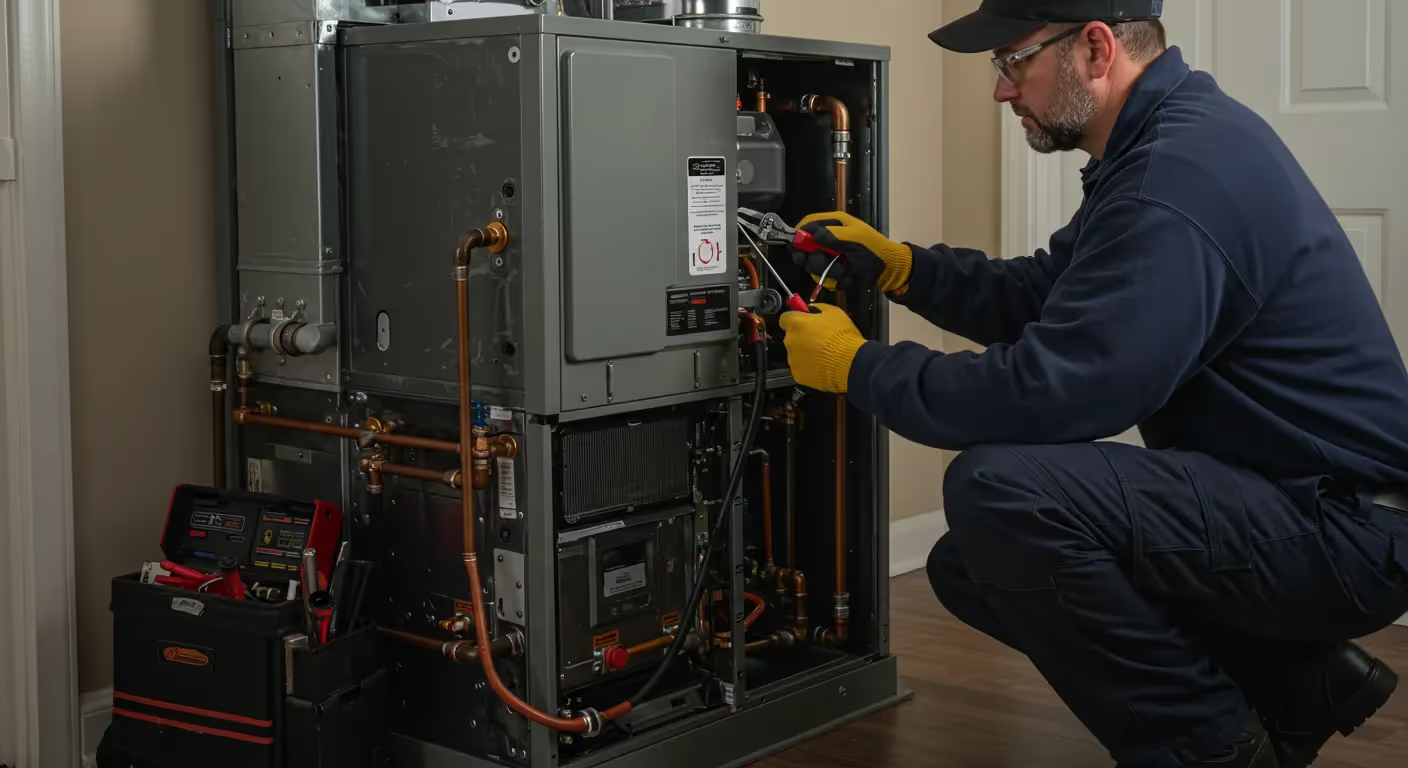
When you book a service visit, the focus is on a deep cleaning and rigorous safety inspection. Technicians arrive equipped to handle specific calibration tasks that extend the lifespan of your unit. The primary goal is to ensure that the heat exchange process occurs safely and that air moves through your home without restriction.
Key components addressed during a tune-up typically include:
- Safety Controls and Startup Cycle: The technician verifies that all safety switches, such as limit switches and rollout switches, are functioning correctly to prevent fire hazards.
- Combustion Analysis: For gas furnaces, ensuring the burner assembly is clean and the fuel-to-air mixture is balanced is critical for preventing carbon monoxide leaks and ensuring efficient fuel use.
- Electrical System Tightening: Loose connections can cause voltage drops that overheat wires and damage motors. Tightening and measuring voltage ensures the electrical components are safe.
- Blower Motor and Airflow: The blower wheel is cleaned to remove dust buildup that drags down motor speed, and the capacitor is tested to ensure it can reliably start the fan.
- Heat Exchanger Inspection: A thorough examination of the heat exchanger looks for microscopic cracks that could allow exhaust gases to mix with your indoor air.
The Maintenance Process: Step-by-Step
Understanding the workflow of a professional tune-up helps homeowners know what to expect during the appointment. The process is systematic, ensuring no component is overlooked. Carter Heating and Cooling utilizes a structured checklist approach to validate the performance of your heating system against manufacturer standards.
- Initial Assessment and Operation Test: The process begins with the technician operating the system to listen for unusual noises, check for strange odors, and observe the startup sequence. This baseline test identifies immediate red flags that may require repair rather than just maintenance.
- Deep Cleaning and Lubrication: Next, the internal components are accessed. For furnaces, this involves cleaning the burners and the flame sensor. A dirty flame sensor is a common cause of system lockouts. For heat pumps, the coils are cleaned to ensure proper heat transfer. Moving parts in the motor are lubricated to reduce friction, which prevents overheating and reduces electricity consumption.
- Calibration and Electrical Testing: The technician then uses multi-meters to measure the amperage and voltage of the blower motor and inducer motor. If the motor is drawing too much power, it indicates strain that precedes a breakdown. The thermostat is also calibrated to ensure that the temperature reading on the wall matches the actual temperature of the room, preventing the system from over-cycling.
- Safety Verification and Final Report: Finally, a carbon monoxide test is conducted around the unit and in the living space. The system is run through a full heating cycle to confirm consistent airflow and temperature rise. The technician then provides a detailed report outlining the health of the system, any adjustments made, and recommendations for future repairs if worn parts were detected.
Repair vs. Replace: Making the Right Call
Deciding whether to continue maintaining an aging unit or to invest in a modern replacement is a significant financial decision for homeowners in Brownsville. While a tune-up can extend the life of a system, there is a point of diminishing returns where repair costs outweigh the benefits of keeping an old unit running.
Understanding the key indicators of a failing system helps you make an educated choice before you are left without heat in an emergency.
- The Age of the Equipment: Most furnaces and heat pumps have a lifespan of 15 to 20 years. If your system is approaching or has exceeded this age range, a major failure is statistically likely. Even if the unit is running, its efficiency has likely degraded significantly compared to modern standards. Investing in a new unit often lowers monthly bills enough to offset the installation cost over time.
- The 50% Rule: A common industry benchmark is the 50% rule. If the cost of a necessary repair approaches 50% of the value of the system (or the cost of a new unit), replacement is generally the smarter financial move. Pouring money into an old compressor or a cracked heat exchanger is rarely cost-effective when other components are likely to fail soon after.
- Frequency of Breakdowns: If you find yourself calling for service multiple times in a single season, the system has become unreliable. Frequent breakdowns indicate that multiple components are reaching the end of their service life simultaneously. A reliable heating system should not require repairs every winter.
- Comfort and Noise Levels: Old systems often struggle to distribute air evenly, leading to hot and cold spots in different rooms. Additionally, as motors and bearings wear out, the system may become noticeably louder. If a tune-up cannot resolve airflow inconsistencies or noise issues, the mechanical wear is likely irreversible.
Local Heating Considerations for Brownsville Homeowners
Operating a heating system in Brownsville, KY, requires attention to specific regional factors. The local climate is classified as humid subtropical, but winters can bring significant cold snaps and freezing temperatures. This variability places a unique strain on HVAC equipment, particularly during the transition months of late fall and early spring.
- Humidity and Corrosion: The humidity levels in Kentucky can persist even in cooler months. Excess moisture in a basement or crawlspace where a furnace is located can lead to premature rusting of the cabinet and corrosion of electrical contacts. Regular maintenance checks in this region specifically look for oxidation on the burner assembly and wiring to prevent moisture-related failures.
- Permitting and Licensing Requirements: Kentucky has strict regulations regarding HVAC work to ensure safety. The state requires that any contractor performing maintenance or installation be properly licensed. This ensures that technicians are trained to handle gas lines, high-voltage electricity, and refrigerants safely. Unlicensed work can void manufacturer warranties and violates local building codes. It is essential to verify that your service provider holds a valid Kentucky Master HVAC license.
- Heat Pump vs. Furnace Usage: Many homes in the area utilize heat pumps due to the generally moderate winter climate, with gas furnaces acting as auxiliary heat. Heat pumps require specific maintenance regarding the defrost cycle. In this region, confirming that the reversing valve and defrost controls are working is vital. If these components fail, the outdoor unit can freeze over during a frost, leaving the home without heat.
- Gas Safety Codes: For homes utilizing natural gas or propane, adherence to local mechanical codes regarding venting is non-negotiable. Improper venting can lead to back-drafting of exhaust gases. Professional service includes inspecting the flue pipe for obstructions, such as bird nests or debris, which are common issues in this geographic area.
Proven Reliability and Technical Expertise
When selecting a provider for heating maintenance, the technical capability of the team is the most critical factor. The effectiveness of a tune-up depends entirely on the skill of the technician performing it. You need a team that employs rigorous diagnostic protocols rather than relying on guesswork.
Service providers that prioritize technical training ensure that their staff is up-to-date on the latest furnace technologies and heat pump inverters. This expertise allows for accurate diagnostics that save homeowners money by fixing the root cause of an issue, not just the symptom. Furthermore, a professional service truck is stocked with a wide inventory of universal parts. This means that if a capacitor is weak or a igniter is failing, it can often be replaced during the tune-up visit without the need for a second appointment or a wait for parts ordering.
Warranties also play a major role in the decision-making process. reputable companies stand behind their maintenance work. If a system breaks down shortly after a tune-up, the service provider should be willing to assess why the issue wasn't caught. This accountability protects your investment and ensures that the "tune-up" was a genuine service, not just a cursory glance.
Maintaining a heating system is about protecting the asset that keeps your home habitable. By choosing a service that emphasizes thoroughness, safety compliance, and clear communication, you ensure reliable performance throughout the heating season.
For expert heating maintenance that prioritizes your comfort and safety, schedule your service with Carter Heating and Cooling today.

Great Service at a Fair Price
Veterans Discount


Senior Discount

Law Enforcement

Fire fighters/ems

Hear From Your Neighbors!
Hear from your neighbors to see how our commitment to dependable service and lasting comfort has made a difference in their homes.