
How can we help today?
Choose an option to see quick actions and get help faster.Furnace Replacement in Brownsville, KY
Furnace Replacement in Brownsville, KY
Furnace Replacement in Brownsville, KY
Is Your Heating System Failing to Keep Up with Freezing Temperatures?
Facing the chill of Brownsville winters with an outdated furnace is a risk that often leads to discomfort and skyrocketing energy bills. You are not alone; many homeowners experience a significant loss in heating efficiency and reliability as their systems age, especially when temperatures drop into the twenties. Contact us today to schedule an assessment or discuss financing options for a system upgrade.
When your heating unit struggles to maintain a consistent temperature, it is often a sign that the components are wearing out or the system is undersized for your home’s thermal needs. Replacing the unit allows you to reset your home's comfort levels and secure reliable performance for years to come.
- Ensure consistent warmth and high-efficiency performance with a new, advanced furnace model tailored to your home’s square footage.
- Benefit from a streamlined installation process, often completed within a single day to minimize disruption to your household.
- Take advantage of comprehensive manufacturer warranties and flexible financing plans to make your upgrade financially manageable.
All installations are fully compliant with local safety codes, backed by robust labor warranties and accessible payment options.
What to Expect From a Modern Heating System Upgrade
Upgrading a furnace involves more than simply swapping one metal box for another. A proper replacement focuses on integrating a high-efficiency unit with your home’s existing ductwork and ventilation ecosystem to maximize airflow and fuel usage. Modern systems are designed to operate significantly differently than units manufactured 15 or 20 years ago.
Today's market offers technology that prioritizes precise temperature control and energy conservation. While older units typically operated in an "on or off" capacity—blasting heat at 100% capacity and then shutting down—modern replacements often feature two-stage or modulating gas valves. This technology allows the furnace to run at lower, more energy-efficient speeds to maintain temperature, only ramping up to full capacity during extreme cold snaps.
When you invest in a replacement, the scope of work includes a full evaluation of your current air distribution system. A powerful new furnace cannot perform efficiently if it is connected to leaking or undersized ductwork. The service includes the safe removal and disposal of the old unit, limiting environmental impact and removing the burden from the homeowner.
Additionally, modern installations focus on safety and air quality. New units feature advanced heat exchangers and sealed combustion chambers that significantly reduce the risk of carbon monoxide leaks. Upgraded filtration systems are also commonly integrated during the replacement process, helping to reduce dust, allergens, and humidity levels inside the home.
The Installation Process: From Assessment to Heat
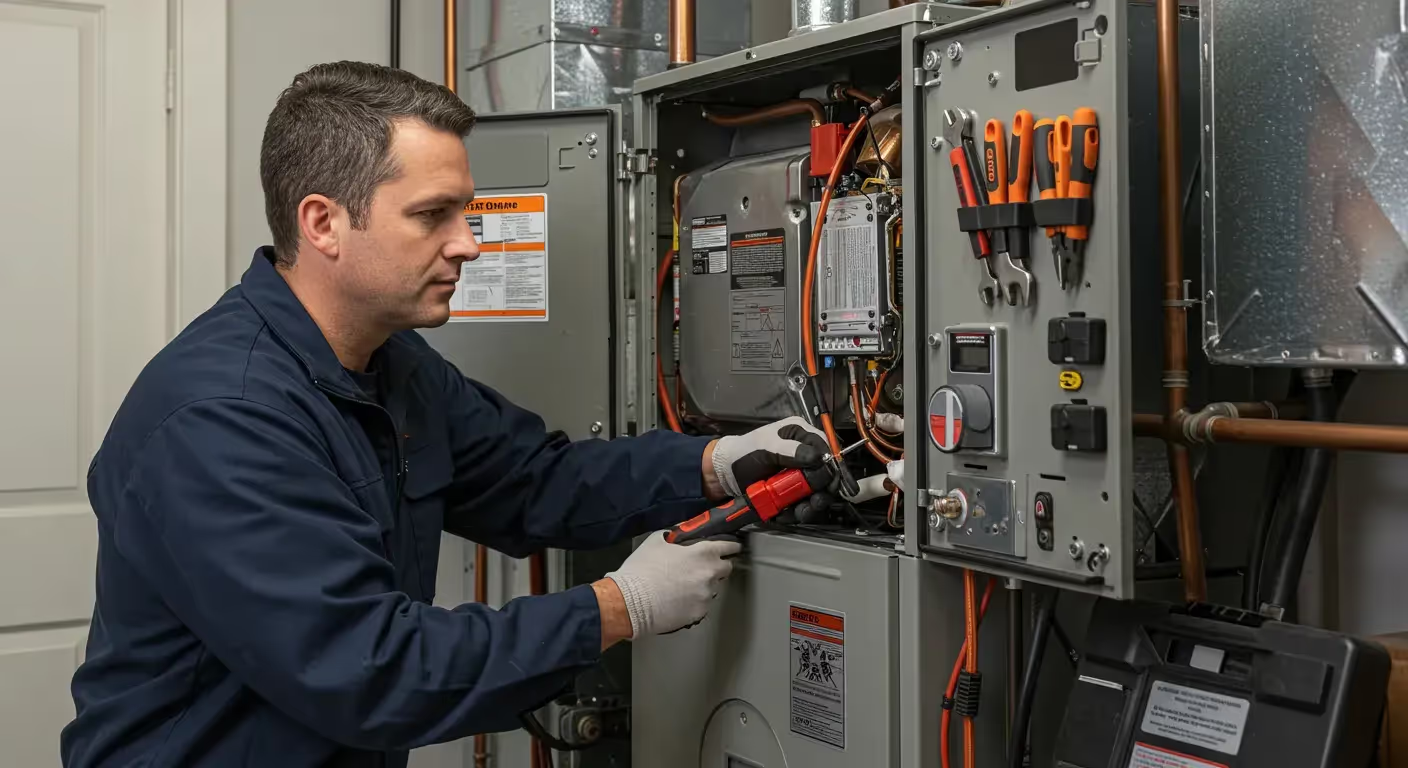
A professional installation follows a rigorous, standardized procedure to ensure the equipment operates according to the manufacturer's specifications. This process is designed to protect the equipment's longevity and ensure the safety of the household.
- Load Calculation and Sizing: The process begins with a Manual J load calculation or a detailed assessment of the home’s thermal characteristics. Technicians measure square footage, insulation levels, window quality, and directional orientation. This ensures the new unit is sized correctly. An oversized unit will short-cycle, leading to wear and tear, while an undersized unit will run continuously without satisfying the thermostat.
- Site Preparation and Safety Checks: Technicians prepare the installation area by laying down protective coverings for floors and clearing the workspace. The gas line and electrical connections are inspected to ensure they meet current code requirements. If the existing flue pipe or venting system is compromised, plans are made to upgrade these components to handle the exhaust from the new, higher-efficiency unit safely.
- Removal of the Old Unit: The existing furnace is disconnected from the gas, electric, and ductwork systems. It is carefully removed from the property. At this stage, the plenum (the box connecting the furnace to the ductwork) is inspected for rust, mold, or damage. Any necessary sheet metal work is performed to ensure a tight seal with the new equipment.
- System Installation and Connection: The new furnace is positioned and leveled to ensure proper drainage of condensate (for high-efficiency condensing furnaces) and smooth operation of the blower motor. The gas lines are reconnected and tested for leaks using specialized detection fluid or electronic sniffers. Electrical wiring is terminated at the unit, and the thermostat is connected and programmed.
- Testing and Commissioning: Once installed, the system is not simply turned on and left alone. Technicians perform a static pressure test to measure airflow resistance. They check the temperature rise—the difference in air temperature between the return and supply vents—to ensure it falls within the manufacturer's specified range. Finally, the gas pressure at the manifold is adjusted to ensure clean, efficient combustion.
Deciding Between Repair and Replacement
Determining whether to sink more money into an aging system or invest in a new one is a decision driven by data, safety, and cost-efficiency. While repairs can solve immediate issues, they often act as a temporary patch on a system that is fundamentally failing.
The Age Factor
The average lifespan of a gas furnace is between 15 and 20 years. If your unit is approaching or has surpassed this range, parts are likely becoming obsolete, making repairs more expensive and difficult to source. Even if the unit is running, its internal components, such as the blower motor and heat exchanger, are likely suffering from metal fatigue.
The Cost of Repairs
Industry professionals often refer to the "$5,000 Rule." Multiply the age of the furnace by the cost of the repair. If the total exceeds $5,000, replacement is generally the more improved financial decision — visit our FAQs for more details. For example, a $500 repair on a 12-year-old unit ($6,000 total) suggests replacement is wiser. If you are facing a major component failure, such as a cracked heat exchanger or a failed compressor in a dual-fuel system, the repair cost alone often approaches 50% of the cost of a new unit.
Rising Energy Bills
As furnaces age, they lose efficiency. A system that was 80% efficient when installed may now be operating at 60% or 70% efficiency due to wear, dirt accumulation, and friction in moving parts. If your energy bills in Brownsville have increased steadily despite normal usage, the furnace is effectively wasting fuel. Upgrading to a modern unit with an AFUE (Annual Fuel Utilization Efficiency) rating of 96% or higher can drastically reduce monthly utility costs.
Safety Concerns
The most critical factor in the replace vs. repair decision is safety. Older furnaces are more prone to developing cracks in the heat exchanger. This component separates the combustion gases from the air circulating in your home. A crack allows carbon monoxide, an odorless and deadly gas, to mix with your indoor air. If a technician identifies a heat exchanger breach, immediate replacement is usually the only safe option.
Critical Considerations for Local Homeowners
Operating a heating system in Kentucky requires specific attention to regional climate factors and local infrastructure. The weather patterns in this region fluctuate, bringing deep freezes in the winter and humidity issues that persist into the shoulder seasons.
Climate-Specific Equipment Selection
Given the local climate, where temperatures frequently drop into the 20s, a furnace must have the capacity to recover heat quickly. However, because the region also deals with moderate shifts in temperature, a variable-speed blower is highly advantageous. It allows the system to circulate air continuously at a low level, preventing cold spots in the home and assisting with humidity control when the weather warms up.
Permitting and Code Compliance
Furnace replacement involves altering gas lines, electrical circuits, and venting systems. In Brownsville and the surrounding county areas, these modifications must adhere to local building codes to ensure safety and insurance compliance. Professional installation ensures that all work is permitted correctly, and the necessary inspections are scheduled. This prevents future liability issues when selling the home or filing insurance claims.
Utility Compatibility
Homeowners must verify their fuel source availability and pricing structures. Whether your home relies on natural gas, propane, or electricity, Carter Heating and Cooling ensures the selected unit is optimized for the available utility. For homes without natural gas access, high-efficiency propane furnaces or dual-fuel systems (heat pump paired with a furnace) offer excellent alternatives for maintaining affordable heating during the coldest months.
Ductwork and Insulation Assessment
The efficiency of a new furnace is directly tied to the envelope of the home. Local housing stock varies significantly in terms of insulation quality and duct design. A replacement service should always include an inspection of the ductwork in unconditioned spaces like attics or crawlspaces. Sealing leaks and insulating ducts prevents the heat you pay for from escaping before it ever reaches your living rooms.
Why Professional Sizing and Calibration Matter
The most expensive heating system on the market will fail if it is not installed correctly. The primary differentiator in HVAC service is the technical precision applied during the sizing and commissioning phases.
A system that is too large for the home will heat the space too quickly and shut off. This "short cycling" prevents the system from running long enough to cycle the air through the filter, leading to poor air quality and uneven temperatures. Conversely, an undersized system will run constantly, increasing wear on components and failing to keep the home warm during extreme cold snaps.
Professional technicians utilize industry-standard protocols to calculate the exact heating load required for your specific property. This calculation accounts for factors that general contractors might overlook, such as ceiling height, floor covering types, and the thermal properties of your doors and windows.
Furthermore, post-installation calibration is essential for longevity. Gas pressure must be set to match the manufacturer’s specifications exactly. If the pressure is too high, the heat exchanger can overheat and crack prematurely. If it is too low, the system faces condensation issues that lead to rust and corrosion. Verifying airflow ensures that the blower motor is not straining against high static pressure, which is the leading cause of premature motor failure.
By choosing a dedicated service provider, you ensure that your investment is protected by valid warranties. Manufacturers often void equipment warranties if the installation is not performed by a licensed professional or if the unit was not registered correctly. Professional service ensures all paperwork is handled, providing peace of mind that parts and labor are covered should any defect arise.
Secure Your Home Comfort Before Winter Hits
Waiting until your furnace fails completely often results in rushed decisions and emergency service premiums. Proactive replacement allows you to choose the system that best fits your budget and heating needs without the pressure of a freezing home.
A modern, high-efficiency furnace transforms the indoor experience, offering quiet operation, consistent temperatures, and lower monthly expenses. By addressing the issue now, you eliminate the risk of mid-winter breakdowns and ensure your home remains a safe haven against the cold.
Carter Heating and Cooling provides the expertise required to handle every aspect of the replacement process, from the initial load calculation to the final safety check. Don't let an unreliable furnace compromise your comfort this season. Contact us today to schedule your consultation and explore your replacement options.

Great Service at a Fair Price
Veterans Discount


Senior Discount

Law Enforcement

Fire fighters/ems

Hear From Your Neighbors!
Hear from your neighbors to see how our commitment to dependable service and lasting comfort has made a difference in their homes.