
How can we help today?
Choose an option to see quick actions and get help faster.Heating Repair in Brownsville, KY
Heating Repair in Brownsville, KY
Heating Repair in Brownsville, KY
Eliminate Heating Failures and Restore Home Comfort Immediately
Don't let a broken heater leave you in the cold this winter or force you to rely on unsafe space heaters. Contact us today for prompt, professional heating repair services that restore comfort to your Brownsville home. When your heating system fails, you need a team that understands the urgency of the situation and has the technical capability to resolve the issue on the first visit.
- Rapid response and extensive troubleshooting from certified technicians.
- Solutions that ensure your heating system's efficiency and longevity.
- Competitive pricing with transparent quotes provided before work begins.
Fully licensed and insured, offering warranties and flexible financing options for major repairs.
Comprehensive Diagnostics and Immediate Repair Solutions
When a heating system malfunctions, the symptoms are often obvious, but the root cause requires professional analysis. A furnace blowing cold air, making banging noises, or refusing to ignite signals a breakdown in the mechanical or electrical sequence of operation. Carter Heating and Cooling utilizes advanced diagnostic tools to pinpoint the exact failure point within the system.
The diagnostic process begins with a thorough evaluation of the thermostat, ensuring it is communicating correctly with the furnace control board. Technicians assess airflow restrictions, which are a common cause of overheating and system lockouts. By measuring static pressure and temperature rise, we determine if the system is operating within the manufacturer’s specifications.
Once the diagnostic phase is complete, the focus shifts to immediate repair. This involves more than just swapping out a part; it requires calibrating the system to ensure the new component functions in harmony with existing hardware. Whether the issue lies in a faulty ignition system, a cracked heat exchanger, or a seized blower motor, the goal is to restore heat safely and efficiently. Homeowners receive a detailed explanation of the problem, the proposed solution, and the total cost involved before any tools are used to effect the repair.
Our Step-by-Step Approach to Restoring Your Comfort
A structured repair process ensures that nothing is overlooked and that your home is treated with respect throughout the service call — check our customer reviews. Professional repair services follow a strict protocol to maximize safety and minimize downtime for Brownsville residents.
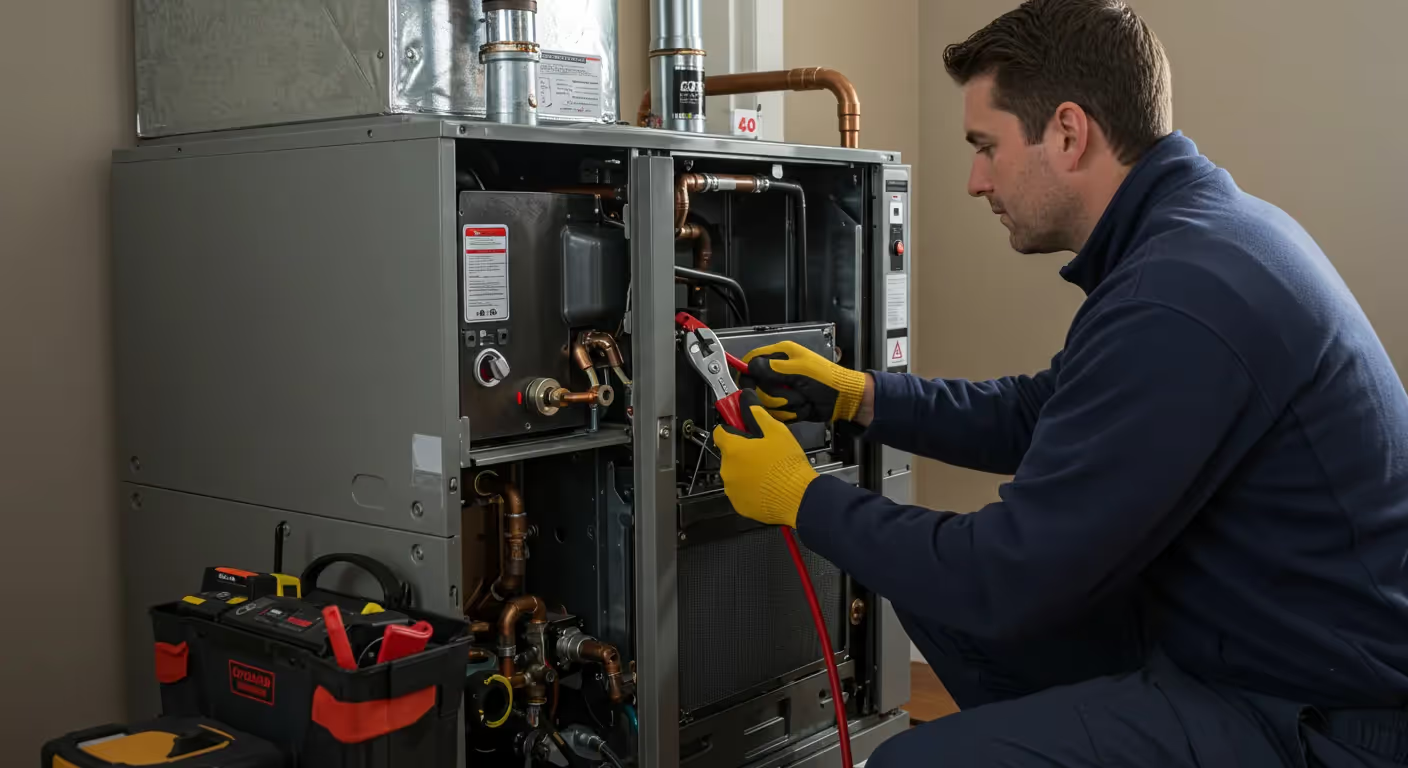
- Site Preparation and Protection: Upon arrival, technicians equip themselves with shoe covers and drop cloths to protect your flooring and workspace. The area around the furnace or air handler is cleared to establish a safe working zone.
- System Isolation and Testing: Power and gas supplies are safely shut off to prevent accidents. Technicians then test individual components using multimeters and manometers to verify voltage, amperage, and gas pressure readings against technical benchmarks.
- Component Verification: Specific parts such as the flame sensor, hot surface ignitor, and limit switches are tested for continuity and proper operation. The heat exchanger is inspected visually and often with a combustion analyzer to ensure there are no cracks leaking carbon monoxide.
- Execution of Repair: Defective parts are removed and replaced with high-quality, OEM-grade components. Wiring is checked for tightness and corrosion, and moving parts like bearings are lubricated if applicable.
- Operational Cycle Testing: After the repair, the system is restarted and observed through a full heating cycle. This ensures the unit ignites, reaches the set temperature, and shuts down properly without short-cycling.
- Final Safety Check: A final combustion analysis verifies that the system is burning fuel efficiently and safely, with no hazardous emissions entering the living space.
Analyzing the Root Causes of Heating Malfunctions
Understanding why a heater fails is critical to preventing future breakdowns. Most heating issues stem from a lack of maintenance or normal wear and tear, but specific component failures trigger the majority of service calls.
- Ignition Control Failures: Modern furnaces use hot surface ignitors or intermittent pilots rather than standing pilot lights. These electronic components are subject to thermal stress and can crack or burn out over time, preventing the burners from lighting.
- Airflow Restrictions: A clogged air filter is the most common cause of heating problems. It restricts air intake, causing the heat exchanger to overheat. When this happens, the high-limit switch trips to prevent a fire, shutting down the furnace. Repeated overheating can permanently damage the heat exchanger.
- Thermostat Miscalibration: If the thermostat reads the room temperature incorrectly, it may cause the furnace to run constantly or not at all. Wiring issues or low batteries in the thermostat unit can also interrupt the signal to the control board.
- Blower Motor Issues: The blower motor is responsible for circulating warm air throughout the house. If the motor capacitor fails, the belt snaps, or the bearings seize, the furnace may run, but no air will move through the vents.
- Sequence of Operation Faults: A furnace follows a strict sequence: draft inducer starts, pressure switch closes, ignitor glows, gas valve opens, and burners light. If any step in this chain fails—for example, if a pressure switch detects a blocked flue—the system will lock out for safety.
Knowing When to Repair and When to Invest in a Replacement
Deciding between repairing an aging unit and investing in a new system is a significant financial decision. While immediate repair is often the fastest way to restore heat, there are scenarios where replacement becomes the more prudent long-term choice.
- The 50% Rule: If the cost of the repair approaches or exceeds 50% of the value of a new system, replacement is generally recommended. Investing heavily in an old unit often leads to "throwing good money after bad."
- System Age: The average lifespan of a gas furnace is 15 to 20 years, while heat pumps typically last 10 to 15 years. If your equipment is nearing the end of this range, a major repair may only buy a small amount of time before another component fails.
- Frequency of Breakdowns: If you have required multiple repairs in the last two seasons, the system is likely deteriorating rapidly. Recurring costs add up quickly and often exceed the monthly cost of financing a new, higher-efficiency unit.
- Energy Efficiency Trends: Older units often operate at 60% to 70% AFUE (Annual Fuel Utilization Efficiency), meaning 30 to 40 cents of every dollar spent on fuel is wasted. Upgrading to a modern system with 90%+ AFUE can result in significant utility savings that offset the installation cost over time.
- Comfort and Safety Concerns: If the current system causes uneven heating, humidity issues, or has a cracked heat exchanger (a serious carbon monoxide risk), replacement is the only safe option.
Managing Heating Systems in Brownsville’s Climate
The local climate presents specific challenges for heating systems. In this region, we experience a humid subtropical climate with distinct seasons. While winters are generally mild compared to northern states, temperatures can drop significantly, and high humidity levels persist year-round. This unique combination affects how heating systems operate and degrade.
High humidity in the shoulder seasons (fall and spring) can lead to moisture accumulation within the system if not properly managed. This moisture can accelerate corrosion on electrical contacts and the heat exchanger. Furthermore, the rapid temperature fluctuations common in Brownsville—where a week might start freezing and end in the 60s—put stress on the system through frequent expansion and contraction cycles.
Homeowners must also navigate local building codes and utility requirements. Kentucky regulations regarding gas piping, venting, and electrical connections are strict to ensure public safety. Professional repair services ensure that all work complies with these local codes. Whether your home relies on natural gas, propane, or an electric heat pump, the repair process must account for the specific utility infrastructure available in the area. Correctly sizing repairs and replacements according to Manual J load calculations tailored to this specific climate zone is essential for maintaining energy efficiency.
Prioritizing Safety and Energy Efficiency in Every Repair
Safety is the paramount concern during any heating repair service. Combustion appliances involve fire, high-voltage electricity, and potentially dangerous gases. A professional approach mitigates these risks through rigorous testing and adherence to safety protocols.
Technicians prioritize the integrity of the heat exchanger above all else. A crack in this component can allow carbon monoxide to mix with the air being circulated into the bedrooms and living areas. Testing for CO leaks is a non-negotiable step in the repair process. Additionally, safety switches such as rollout switches and limit controls are tested to ensure they will shut the unit down in the event of a malfunction.
Energy efficiency is the secondary goal. A well-maintained and correctly repaired system uses less fuel to heat the home. Cleaning the blower wheel, adjusting gas pressure to manufacturer specs, and ensuring proper airflow all contribute to lower energy bills. Even a small layer of dust on a blower wheel can reduce efficiency by a significant margin, forcing the motor to work harder and use more electricity.
Why Certified Technicians Are Essential for Your Heating System
Heating systems are complex appliances that integrate gas plumbing, electrical wiring, and thermodynamics. Attempting DIY repairs or hiring unqualified handymen can lead to catastrophic failures, voided warranties, and safety hazards.
- Training and Certification: Professional technicians undergo rigorous training to understand the nuances of different brands and models. They stay updated on the latest technology, including smart thermostats and modulating gas valves.
- Proper Tooling: Diagnosing a modern furnace requires specialized tools such as manometers, combustion analyzers, and multimeters. Professionals carry these tools and know how to interpret the data they provide.
- Liability and Warranty Protection: Licensed contractors carry liability insurance to protect your property during the work. Furthermore, most equipment manufacturers require proof of professional service to uphold parts warranties. Using an uncertified individual can void these valuable protections immediately.
- Access to Parts: Professionals have access to supply houses that stock OEM (Original Equipment Manufacturer) parts. This ensures that the replacement component is designed specifically for your unit, rather than a generic "universal" part that may not fit or perform correctly.
Maintaining Performance Post-Repair
Once a repair is completed, the focus shifts to maintaining that performance to prevent future interruptions. The longevity of a repair often depends on how well the system is cared for in the months following the service.
- Filter Discipline: The single most effective action a homeowner can take is changing the air filter regularly. During peak heating months, filters should be checked every 30 days.
- Vent and Register clearance: Ensure that all supply and return vents are open and unblocked by furniture or curtains. Blocking vents increases pressure in the ductwork, which strains the blower motor and reduces efficiency.
- Regular Maintenance Schedules: scheduling annual tune-ups allows technicians to clean the system, tighten electrical connections, and catch emerging issues before they cause a breakdown. This proactive approach is far cheaper than emergency repairs.
- Thermostat Settings: utilizing programmable or smart thermostats can reduce the workload on the furnace by lowering the temperature when the home is unoccupied. This reduces the total run time and wear on components.
Restore Your Home's Warmth Today
A functioning heating system is not a luxury; it is a necessity for the safety and preservation of your home. Ignoring minor noises or irregularities often leads to complete system failure at the most inconvenient times. When your heater stops working, you need a solution that is fast, reliable, and technically sound.
Carter Heating and Cooling provides the expertise required to diagnose complex heating issues and implement lasting repairs. By choosing professional service, you ensure that your system operates safely, complies with local codes, and delivers the warmth your family relies on. Don't wait for the temperature to drop further inside your home — schedule service today. Take control of your indoor comfort now. Contact us immediately to schedule your heating repair service.

Great Service at a Fair Price
Veterans Discount


Senior Discount

Law Enforcement
Fire fighters/ems
Hear From Your Neighbors!
Hear from your neighbors to see how our commitment to dependable service and lasting comfort has made a difference in their homes.