
How can we help today?
Choose an option to see quick actions and get help faster.Furnace Replacement in Morgantown, KY
Furnace Replacement in Morgantown, KY
Furnace Replacement in Morgantown, KY
Is Your Heating System Failing When You Need It Most?
As winter settles into Morgantown, Ky, an unreliable furnace becomes more than just a minor inconvenience; it represents a significant risk to your home's comfort, safety, and plumbing infrastructure. If your heating system is over 15 years old, making strange noises, or constantly requiring expensive repairs, relying on it for another season may result in a complete breakdown during a freezing night. Contact us today to schedule an immediate assessment or to discuss our flexible financing options for a new system.
Homeowners dealing with inconsistent heating need decisive solutions, not temporary patches. Carter Heating and Cooling provides a streamlined approach to heating replacement that prioritizes efficiency and long-term reliability.
- Immediate assessment of your current system with options for prompt replacement.
- Installation of high-efficiency models designed to significantly reduce monthly energy bills.
- Comprehensive manufacturer warranties that ensure peace of mind for years to come.
All installations comply with local building codes and are backed by extensive warranties and financing options to make your upgrade manageable.
Comprehensive Furnace Replacement Services Available Today
When a heating system reaches the end of its lifecycle, the goal is to restore warmth to the home as quickly and efficiently as possible. A full replacement service involves much more than simply swapping out one metal box for another. It requires a holistic approach to your home’s thermal envelope and air distribution system. Investing in a new unit today means accessing modern technology that outperforms systems from just a decade ago in terms of noise reduction, fuel utilization, and consistent temperature control.
Homeowners in Morgantown can expect a complete turnaround service that minimizes downtime. The scope of a standard replacement includes the safe disconnection and disposal of the old unit, addressing any immediate code violations regarding gas piping or electrical connections, and the precision installation of the new equipment. This service ensures that the new furnace integrates perfectly with existing ductwork and thermostats, or includes necessary upgrades to those components to handle modern airflow requirements.
Modern replacement services also prioritize indoor air quality. Old furnaces often harbor dust, soot, and rust that circulate through the home. A replacement service includes cleaning the immediate area and ensuring the new system has airtight transitions to prevent basement or attic air from being pulled into the living space. From the moment the technicians arrive, the focus is on safety, cleanliness, and restoring heat.
The Installation Process: From Assessment to Heat
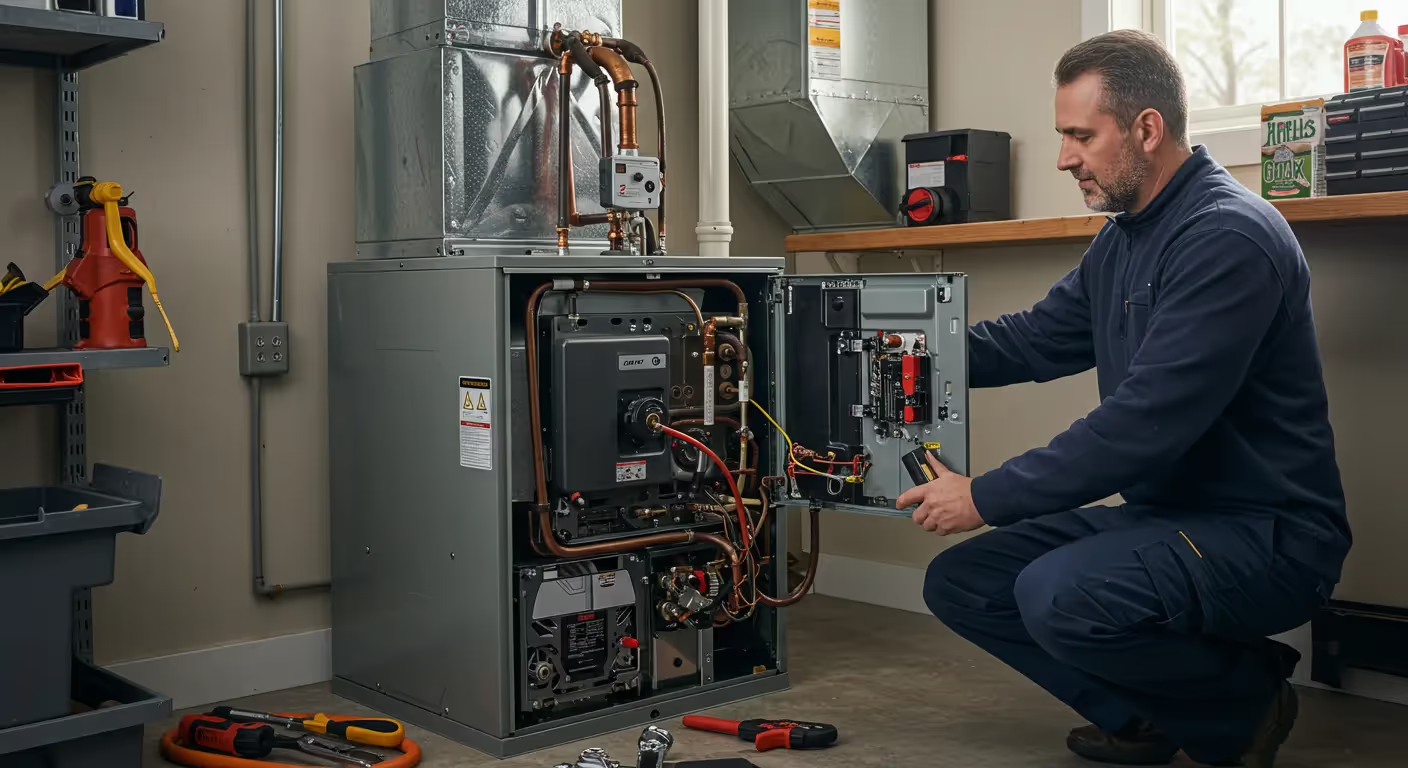
A professional installation follows a rigorous, step-by-step protocol to ensure the new furnace operates at peak manufacturer specifications. This process eliminates the guesswork and prevents common issues such as short-cycling or uneven heating.
- Load Calculation and Sizing: The process begins with a manual J load calculation. This determines the exact heating requirements of the specific property based on square footage, insulation levels, window types, and local climate data. Installing a unit that is too big causes it to turn on and off rapidly, while a unit that is too small will run continuously without warming the house.
- Site Preparation and Protection: Technicians prepare the workspace by laying down drop cloths and protective coverings for flooring. Safety is paramount, so gas lines are shut off and electrical circuits are locked out before any physical work begins.
- Removal and Disposal: The existing unit is disconnected from the plenum, flue pipe, gas line, and electrical supply. The old equipment is removed from the property and disposed of according to environmental regulations, ensuring no hazardous materials are left behind.
- Equipment Positioning and Connection: The new furnace is leveled and positioned. If the new unit’s dimensions differ from the old one, custom sheet metal transitions are fabricated to ensure a sealed fit with the supply and return air plenums. This is critical for maintaining static pressure and airflow.
- Venting and Piping: Flue pipes are inspected and often replaced to match the requirements of the new, higher-efficiency system. For high-efficiency condensing furnaces, PVC venting is installed to handle the lower-temperature exhaust gases and condensate drainage is routed to a floor drain or pump.
- System Commissioning and Testing: Once physically installed, the system is fired up. Technicians measure gas pressure, temperature rise (the difference between air entering and leaving the furnace), and static pressure. This data ensures the unit is burning fuel safely and delivering heat effectively.
Critical Signs That Replacement Is Better Than Repair
Deciding between repairing a malfunction and investing in a new system is often a financial calculation. However, there are distinct technical indicators that suggest putting more money into an old unit is a sunk cost. While a simple sensor replacement is worth a repair, major component failures in aging systems usually signal the end of the unit's useful life.
The 50% Rule
A general guideline used in the industry is the 50% rule. If the cost of the repair approaches 50% of the value of a new system, replacement is the smarter financial move. This is particularly true if the unit is out of warranty, as you are essentially paying a premium to extend the life of a dying asset by only a few months.
Compromised Heat Exchanger
The heat exchanger is the heart of the furnace, separating combustion gases from the breathable air in your home. Over time, the metal expands and contracts, eventually leading to cracks. A cracked heat exchanger is a severe safety hazard that can leak carbon monoxide into the living space. This is a non-negotiable failure; the heat exchanger must be replaced, which is often as expensive as a new furnace, or the entire unit must be swapped out.
Rising Energy Bills
Furnaces lose efficiency as they age. A system that was rated at 80% efficiency fifteen years ago may now be operating at 60% or less due to wear and tear. If energy bills are steadily climbing despite normal usage, the system is consuming more fuel to produce the same amount of heat. Upgrading to a modern system can immediately lower these monthly costs, helping the new unit pay for itself over time.
Frequency of Breakdowns
If a homeowner finds themselves calling for service multiple times in a single winter, the system has likely become unreliable. Constant "nickel and diming" for blower motors, igniters, and control boards adds up quickly. Reliability is a key factor in the replace-vs-repair decision, especially when facing the prospect of a breakdown during a deep freeze.
Navigating Local Requirements and Seasonality
Operating a heating system in Kentucky requires attention to specific regional factors, including climate patterns and local building regulations. Ensuring that a replacement adheres to these standards is essential for safety and insurance validity.
Permitting and Inspections
Local municipalities often require permits for HVAC replacements to ensure the work meets safety codes. This includes verifying that gas lines are pressure-tested and free of leaks, electrical connections are grounded properly, and venting distances meet safety standards to prevent exhaust recirculation. Professional installers handle the administrative burden of pulling permits and scheduling required inspections, ensuring the homeowner is not liable for unpermitted work.
Winter Weather Urgency
In Morgantown, the winters can bring temperatures well below freezing, accompanied by ice and snow. This makes the timing of a replacement critical. Waiting until the middle of a blizzard to replace a furnace puts extreme stress on the household and may limit the availability of specific equipment models. Proactive replacement during the shoulder seasons (fall) or at the first sign of trouble ensures the home is prepared for the harshest weather.
Utility Infrastructure
The local utility infrastructure impacts installation choices. Whether the home relies on natural gas, propane, or electricity, the replacement unit must be matched to the available fuel source and pressure delivery. For example, upgrading to a larger BTU furnace might require upgrading the gas meter or the piping diameter to ensure the unit receives sufficient fuel flow.
Condensate Management
Modern high-efficiency furnaces produce condensation (water) as a byproduct of combustion. In our climate, ensuring this drain line does not freeze is vital. If the furnace is located in an unconditioned space like a garage or attic, heat tape or insulated drain lines are necessary to prevent the system from shutting down due to a blocked drain trap during freezing spells.
High-Efficiency Options for Long-Term Savings
The technology driving residential heating has advanced rapidly, offering homeowners sophisticated options that reduce environmental impact and operational costs. Understanding the metrics of efficiency helps in making an informed purchasing decision.
Understanding AFUE Ratings
Furnace efficiency is measured by the Annual Fuel Utilization Efficiency (AFUE) rating. This percentage indicates how much fuel is converted into usable heat versus how much is lost up the chimney. Older units often operate at 60-70% AFUE.
- Standard Efficiency (80% AFUE): These units are cost-effective upfront and utilize metal flue pipes. They are reliable but allow 20% of the fuel energy to escape.
- High Efficiency (90-98% AFUE): These units use a secondary heat exchanger to extract heat from the exhaust gases, condensing the moisture out. While the upfront investment is higher, they waste very little fuel, resulting in substantial savings on utility bills over the lifespan of the system.
Variable Speed Blowers
Traditional furnaces have a simple on/off motor that runs at full blast. Carter Heating and Cooling often recommends variable speed technology for superior comfort. These motors can run at lower speeds for longer periods, which provides better air filtration, more even temperatures throughout the home, and quieter operation. This constant, gentle circulation prevents the "hot and cold spots" common with older, single-stage equipment.
Modulating Gas Valves
Advanced furnaces feature modulating gas valves that adjust the flame size in precise increments. Instead of blasting the home with maximum heat, the furnace can operate at 40% or 50% capacity on milder days, ramping up only when the temperature drops significantly. This modulation reduces wear on components and maintains the indoor temperature within a fraction of a degree of the thermostat setting.
Why Professional Installation Ensures Longevity
While the equipment brand is important, the quality of the installation is the single biggest factor determining the lifespan and efficiency of a furnace. A top-tier furnace installed poorly will fail prematurely and never achieve its rated efficiency.
Ductwork Integrity
A powerful new furnace cannot overcome crushed, leaking, or undersized ductwork. Professional installers assess the air distribution system to ensure it can handle the airflow of the new unit. Leaky ducts can cause a loss of up to 30% of conditioned air into attics or crawlspaces. Sealing these leaks or modifying the plenum is part of a quality installation that ensures the heat reaches the rooms where it is needed.
Warranty Protection
Manufacturers are strict regarding warranty claims. If a unit fails due to improper installation—such as incorrect venting, improper voltage, or lack of airflow—the warranty may be voided. Professional installation ensures that all manufacturer protocols are followed, validating the parts and labor warranties. This protection is invaluable, saving homeowners thousands of dollars in potential repair costs down the road.
Safety Calibration
Gas furnaces involve combustion, carbon monoxide, and electricity. Professional technicians use calibrated tools to set the gas manifold pressure and adjust the air-fuel mixture. This ensures clean combustion that minimizes soot buildup and maximizes heat output. Safety switches, such as flame sensors and rollout switches, are tested to ensure they will shut the unit down immediately if a safety fault occurs.
Don’t Face Another Winter With an Aging Furnace: Take Action Today
Investing in a furnace replacement is a significant decision that impacts the comfort and safety of a home for 15 to 20 years. By choosing a comprehensive replacement service, homeowners in Morgantown, KY can eliminate the uncertainty of an aging system and enjoy the reliability of modern heating technology. From the initial load calculation to the final safety check, professional attention to detail ensures the new system performs flawlessly through the coldest winter nights.
Ensure your home remains warm and safe this season by securing a reliable heating solution before the temperatures drop further. Contact Carter Heating and Cooling today to schedule your replacement consultation.

Great Service at a Fair Price
Veterans Discount


Senior Discount

Law Enforcement

Fire fighters/ems

Hear From Your Neighbors!
Hear from your neighbors to see how our commitment to dependable service and lasting comfort has made a difference in their homes.