
How can we help today?
Choose an option to see quick actions and get help faster.Is Your Furnace Failing to Keep Up? Restore Your Heat Immediately
Is your home unexpectedly cold, despite having the furnace running? You might be facing a heating system failure that requires immediate professional attention. When the temperature drops in Edmonton and your equipment stops cycling correctly, contact us today to schedule a diagnostic visit or discuss available financing options.
A malfunctioning heater is more than an inconvenience; it can pose safety risks and cause pipe damage during freezing conditions. Carter Heating and Cooling provides decisive solutions to get your system back online. We focus on diagnosing the root cause of the failure rather than applying temporary patches, ensuring your home returns to a safe and comfortable temperature quickly.
- Rapid, reliable repairs to restore your warmth and comfort.
- Experienced technicians available 24/7 for emergency services.
- Transparent pricing with no hidden fees.
All services are backed by a full warranty to ensure your peace of mind.
What We Offer: Comprehensive Heating Services
When a heating system fails, the issue often lies deep within the mechanical or electrical components of the unit. Our service covers the full spectrum of heating technologies found in homes throughout Edmonton, KY. We address issues ranging from minor component wear to major system failures across various types of equipment, including gas furnaces, electric furnaces, heat pumps, and dual-fuel systems.
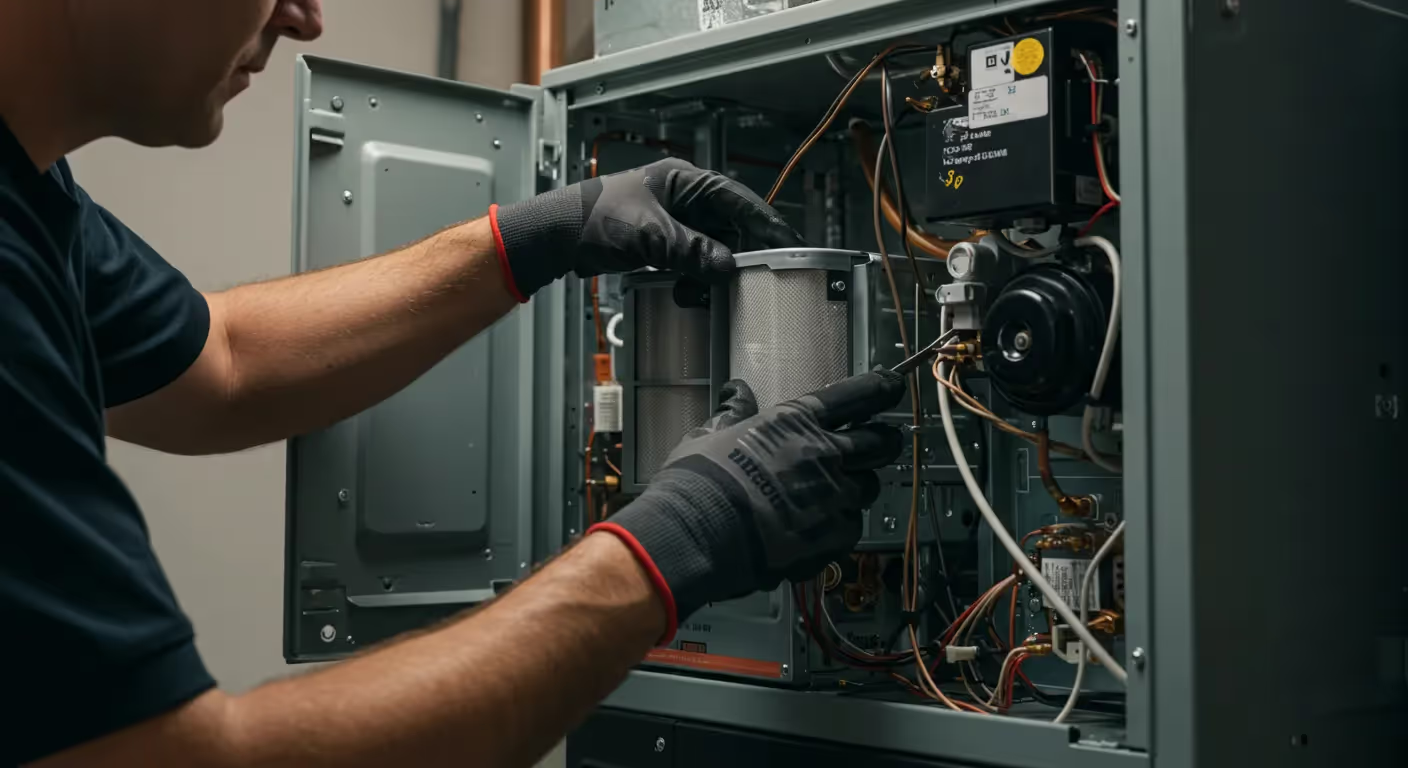
Component-Level Diagnostics and Repair
We do not guess; we test. Modern heating systems are complex networks of sensors, motors, and ignition systems. Our technicians inspect every critical component to ensure the entire unit functions as a cohesive system.
- Ignition Systems: We troubleshoot and repair faulty pilot lights, hot surface igniters, and intermittent spark ignition controls. If your furnace attempts to start but fails to light, the ignition assembly is often the culprit.
- Airflow and Blower Motors: A furnace cannot distribute heat without a functioning blower. We repair or replace seized motors, worn belts, and faulty capacitors that prevent warm air from circulating through your ductwork.
- Thermostat and Control Boards: Communication errors between the thermostat and the furnace control board can prevent the system from turning on. We recalibrate thermostats and replace fried circuit boards to restore communication.
- Heat Exchangers: A cracked heat exchanger is a critical safety issue that can leak carbon monoxide. We perform rigorous inspections using combustion analyzers to detect cracks and ensure safe operation.
- Fuel Supply Issues: For gas furnaces, we examine gas valves and supply lines to ensure proper pressure. Incorrect gas pressure can lead to inefficient burning or system lockouts.
Heat Pump Specific Repairs
Heat pumps are common in our region but operate differently than standard furnaces. We handle specific heat pump issues such as:
- Reversing Valves: If your heat pump is stuck in cooling mode during winter, the reversing valve is likely stuck. We replace these valves to restore heating capabilities.
- Defrost Boards: Heat pumps must periodically defrost their outdoor coils. We repair malfunctioning defrost controls that cause ice buildup on the outdoor unit, which kills efficiency and heating output.
- Auxiliary Heat Strips: When temperatures plummet, the electric backup heat must engage. We test and replace burnt-out heat strips to ensure you have adequate heat during deep freezes.
Our Repair Process: Fast and Efficient
We utilize a structured workflow to minimize downtime and ensure accuracy. We understand that homeowners need clarity on what is wrong and how long it will take to fix. Our process eliminates guesswork and provides you with actionable information immediately.
- Initial Assessment and Safety Check: Upon arrival, the technician performs a safety sweep of the unit. This includes checking for gas leaks, carbon monoxide presence, and electrical hazards. We then run the system through a test cycle to replicate the failure and observe the sequence of operation.
- Diagnostic Testing: We use specialized tools, including multimeters, manometers, and combustion analyzers, to isolate the specific part causing the failure. This steps ensures we identify the root cause, not just the symptom. For example, a tripping limit switch is often a symptom of airflow restriction, not necessarily a bad switch.
- Clear Explanation and Quote: Once the issue is identified, we explain the findings in plain English. You receive a breakdown of the required repairs and a firm price. No work begins until you understand the scope and approve the service.
- Execution of Repairs: We carry a wide inventory of common parts in our service vehicles. This allows us to complete most repairs on the spot. We remove the faulty components and install high-quality replacements that meet or exceed manufacturer specifications.
- System Validation: After the repair is complete, we do not simply leave. We cycle the system multiple times to ensure the repair holds. We check temperature rise (the difference between air entering and leaving the furnace) to confirm the unit is operating within safe parameters.
- Cleanup and Debrief: We ensure the workspace is cleaner than we found it. Finally, we walk you through what was done and provide advice on how to prevent future issues.
Determining When to Repair or Replace Your Heating System
Deciding between sinking money into a repair or investing in a new system is a major financial decision. There is a tipping point where repair costs no longer make sense. We help you navigate this decision using objective data and industry standards. Carter Heating and Cooling prioritizes your long-term financial health over a quick repair sale if a replacement is the more prudent option.
The 50% Rule
A general guideline in the HVAC industry is the 50% rule. If the cost of the repair approaches or exceeds 50% of the value of a new system, replacement is generally the better investment. However, this rule must be weighed against the age of the unit. Spending $500 on a 5-year-old furnace is reasonable; spending $500 on a 20-year-old furnace is often throwing good money after bad.
Age and Efficiency
Heating systems have a finite lifespan. Gas furnaces typically last 15-20 years, while heat pumps last 10-15 years.
- Equipment over 15 years old: If your unit is in this age range and faces a major component failure (like a compressor or heat exchanger), replacement is usually recommended. Older units also have lower AFUE (Annual Fuel Utilization Efficiency) ratings. Replacing a 70% AFUE furnace with a 95% AFUE model significantly reduces monthly utility bills, helping offset the installation cost.
- Frequency of Breakdowns: If you have required repairs in the last two consecutive years, your system is likely entering the end-of-life phase. Frequent breakdowns indicate that internal components are wearing out simultaneously. "Nickel and diming" repairs can quickly exceed the cost of a monthly payment on a new, warrantied system.
Safety Considerations
Safety is a non-negotiable factor.
- Cracked Heat Exchanger: If a heat exchanger is cracked, the furnace must be shut down immediately due to carbon monoxide risks. In almost all cases involving older units, a cracked heat exchanger warrants a full system replacement because the cost of replacing the exchanger is labor-intensive and the rest of the unit remains old.
- Obsolete Refrigerants: If you have an older heat pump that uses R-22 refrigerant, repairs involving refrigerant leaks are prohibitively expensive due to the scarcity of R-22. Upgrading to a system with R-410A or newer refrigerants is the standard solution.
Local Edmonton KY Climate Considerations and Compliance
Heating in Edmonton presents specific challenges due to our regional climate and infrastructure. Our winters are distinct, characterized by freezing temperatures and moderate snowfall, while our spring and fall seasons involve high humidity and rapid temperature fluctuations. Your heating system must be calibrated to handle these local variables effectively.
Dealing with Humidity and Freeze-Thaw Cycles
Edmonton experiences significant humidity. During the transitional seasons, a heating system must do more than just warm the air; it must also help manage moisture levels to prevent mold growth and ensure comfort.
- Condensation Management: High-efficiency furnaces produce condensation as a byproduct of combustion. In our freezing winters, condensate drain lines can freeze if not properly insulated or routed. We ensure that drain lines are clear and protected to prevent furnace shutoffs caused by backed-up water.
- Heat Pump Defrost Cycles: The moisture in our region creates frost on heat pump outdoor coils frequently. We verify that your defrost controls are timed correctly for the local climate. If a unit defrosts too frequently, it wastes energy; if it defrosts too rarely, the unit freezes over and stops heating.
Adhering to Codes and Regulations
HVAC work is not the Wild West; it is governed by strict building codes and safety regulations.
- Permitting and Inspections: Major repairs and replacements may require adherence to local building codes. We ensure all work complies with Kentucky regulations regarding gas piping, electrical connections, and venting clearances.
- Utility Requirements: Local utility providers in Edmonton may have specific requirements or offer rebates for high-efficiency upgrades. We stay updated on these programs to help you maximize energy savings and compliance.
- Venting Safety: Proper venting is crucial, especially with the snow accumulation we can see in Kentucky winters. We ensure intake and exhaust pipes are positioned high enough to avoid blockage from snow drifts, which is a common cause of mid-winter heating failure.
Why Choose Us: Expertise and Reliability in Heating Services
When your heat goes out, you need a technical expert, not a salesperson. Our focus is on technical proficiency and operational excellence. We employ technicians who understand the physics of thermodynamics and the intricacies of electrical circuits.
Technical Training and Certification
Our team undergoes continuous training to stay ahead of manufacturer updates and new technologies. Whether it is a legacy furnace or a modern communicating system, our staff has the training to diagnose it accurately. We utilize industrial-grade diagnostic equipment that provides precise readings, allowing us to pinpoint issues that others might miss.
Inventory and Availability
We recognize that heating failures do not adhere to business hours. Our logistical setup ensures we have access to a wide network of parts suppliers, reducing the time you spend waiting for a specific component. We stock our trucks with the most commonly failed parts—capacitors, igniters, flame sensors, and contactors—so that we can resolve the majority of calls in a single visit.
Honesty in Diagnostics
We believe in fixing what is broken and providing data to back up our recommendations. If a system can be safely and cost-effectively repaired, we will repair it. If replacement is the only logical path, we will demonstrate why using measurements and cost analysis. We operate with a policy of full transparency regarding labor costs, parts pricing, and warranty coverage — read our reviews.
If you are dealing with a cold home or a malfunctioning furnace in the Edmonton area, do not wait for the pipes to freeze. Professional intervention is required to restore safety and warmth to your property.
Restore Warmth and Safety with Carter Heating and Cooling
A failing furnace puts your comfort, safety, and home at risk—especially during freezing winter conditions. With rapid diagnostics, skilled repairs, and honest replacement guidance, Carter Heating and Cooling delivers dependable heating solutions tailored to Edmonton’s climate. Do not wait for pipes to freeze or safety concerns to escalate. Contact Carter Heating and Cooling today to schedule your heating repair, explore financing options, and restore warmth and peace of mind to your home immediately.
Restore your comfort and safety now—schedule your heating repair immediately.

Great Service at a Fair Price
Veterans Discount

Senior Discount

Law Enforcement
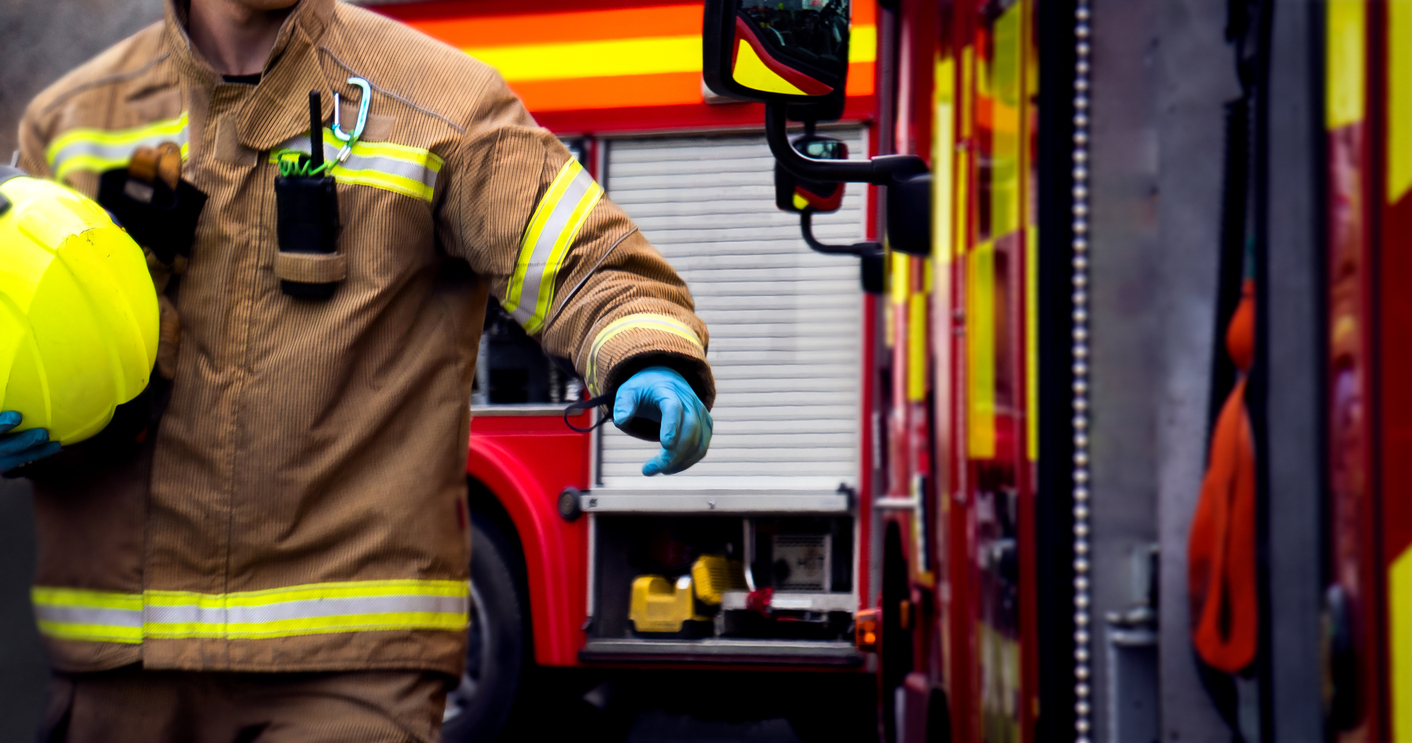
Fire fighters/ems
Hear From Your Neighbors!
Hear from your neighbors to see how our commitment to dependable service and lasting comfort has made a difference in their homes.