
How can we help today?
Choose an option to see quick actions and get help faster.HVAC Maintenance Plan in Brownsville, KY
HVAC Maintenance Plan in Brownsville, KY
Explore our HVAC maintenance services in Brownsville. Ensure your system's efficiency with our comprehensive tune-ups and financing options. Sign up today!
Struggling with HVAC Efficiency in Humid Climates?
High humidity and fluctuating temperatures in Brownsville can put a significant strain on any HVAC system, leading to uncomfortable indoor environments and rapidly increasing utility costs. Contact us today to schedule your comprehensive system tune-up or inquire about our financing options for system upgrades.
Here is how our tailored maintenance plans keep your system efficient and reliable, no matter the weather:
- Ensure consistent indoor comfort year-round with regular check-ups.
- Reduce unexpected breakdowns with preemptive fault identification.
- Extend your HVAC’s lifespan with optimal performance adjustments.
All services are backed by comprehensive warranties and flexible financing options.
Comprehensive System Protection and Scope of Service
A maintenance plan is not merely a scheduled cleaning; it is an asset protection strategy for your home’s most expensive mechanical system. When you enroll in a preventative care program, the focus shifts from reactive emergency repairs to proactive system optimization. In Brownsville, where seasonal shifts range from stifling humidity to freezing winter nights, your equipment requires distinct protocols for heating and cooling seasons.
Carter Heating and Cooling structures maintenance plans to cover every critical component of your HVAC infrastructure. The scope of service typically includes two major visits per year: one in the spring to prepare for the cooling load and one in the autumn to ensure heating safety and efficiency.
During these visits, technicians perform a rigorous multi-point inspection and tune-up. This includes:
- Electrical System Tightening: Loose connections can cause dangerous voltage fluctuations that burn out motors and compressors. Technicians tighten all electrical connections and measure voltage and amperage to ensure they fall within manufacturer specifications.
- Moving Part Lubrication: Friction is the enemy of efficiency. Motors and bearings are lubricated to reduce resistance, which lowers electricity usage and prevents premature mechanical failure.
- Condensate Drain Cleaning: In humid climates, algae and mold can clog the drain line, leading to water damage in your home and increased indoor humidity levels. Clearing these lines is a priority.
- System Control Testing: The thermostat and safety controls are tested to ensure the system starts, operates, and shuts down properly, cycling only when necessary to maintain the set temperature.
- Coil Cleaning: Dirty evaporator and condenser coils reduce the system’s ability to absorb and release heat. Cleaning these coils is essential for maintaining energy efficiency and preventing the compressor from overheating.
The Process: How Routine Maintenance is Executed
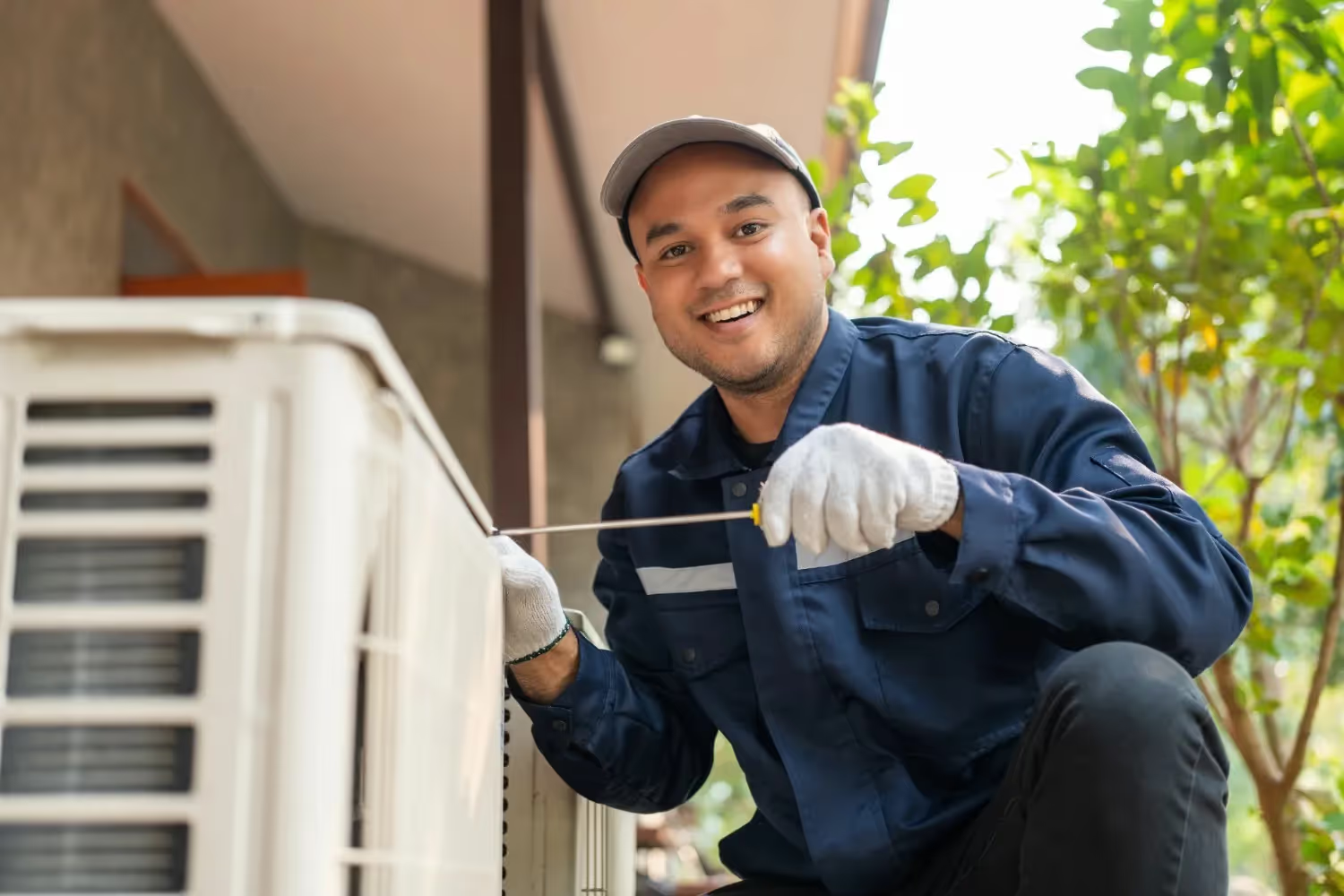
The execution of a maintenance plan is designed to be non-intrusive while providing maximum technical insight into the health of your system. The process follows a logical sequence to ensure no component is overlooked:
Scheduling and Notification:
The process begins with timely reminders. Instead of remembering to book service yourself, the maintenance plan ensures you receive priority scheduling before the peak season rush begins.
Visual and Auditory Inspection:
Upon arrival, the technician performs an initial assessment. They listen for unusual noises like grinding or rattling and look for visual signs of wear, such as rust on the heat exchanger or oil spots indicating a refrigerant leak.
Deep Cleaning and Adjustment:
Once the initial assessment is complete, the physical work begins. This involves removing debris from the outdoor unit, brushing clean the blower components, and replacing or cleaning air filters. Gas pressure is adjusted for furnaces, and refrigerant levels are calibrated for air conditioners.
Safety Analysis:
For heating systems, safety is paramount. The technician checks the heat exchanger for cracks that could leak carbon monoxide. They also inspect the flue piping for proper venting and test safety switches that shut the system down in case of a malfunction.
Performance Reporting:
After the tune-up, you receive a detailed status report. This document outlines what was done, the current condition of the equipment, and any recommendations for minor repairs that could prevent major failures later.
When to Replace vs. Repair: The Decision Guide
Even with the best maintenance, HVAC systems eventually reach the end of their operational lifespan. A key benefit of a maintenance plan is having a professional who knows your system's history and can advise when throwing money at repairs no longer makes financial sense.
Industry professionals often refer to the "$5,000 Rule" to help homeowners make this decision. To use this rule, multiply the age of the equipment by the estimated cost of the repair. If the total exceeds $5,000, replacement is generally the more prudent investment:
Frequency of Breakdowns:
If your system requires repairs more than once a season, reliability has been compromised. Maintenance plans mitigate this, but if parts are failing consecutively, the internal fatigue of the system suggests replacement is imminent.
Rising Energy Bills:
A system that loses efficiency despite regular maintenance is a candidate for replacement. As components wear out, the unit must run longer to achieve the same temperature, driving up electric or gas bills. If your energy costs rise significantly year over year without a change in usage habits, the equipment is likely failing.
Comfort Inconsistencies:
When a system can no longer remove humidity effectively or leaves certain rooms hot while others are cold, it is failing to perform its primary function. If ductwork modifications and maintenance tune-ups do not resolve these comfort issues, a more modern, variable-speed system may be required.
Age of the System:
Heat pumps and air conditioners generally last 10 to 15 years, while furnaces can last 15 to 20 years. If your system is approaching these milestones and faces a major repair (like a compressor or heat exchanger failure), investing in a new unit with a fresh warranty is often smarter than repairing an obsolete machine.
Local Climate Factors Impacting HVAC Performance
Operating an HVAC system in Brownsville presents specific challenges due to the regional climate profile. The local weather patterns dictate specific maintenance needs that generic checklists might miss:
Humidity Management:
The high humidity during summer months does more than just make the air feel heavy; it forces your air conditioner to work harder to dehumidify the home. If the evaporator coil is dirty or the refrigerant charge is slightly off, the system will cool the air without removing moisture, leading to a cold, clammy indoor environment. Maintenance plans focus heavily on airflow and coil cleanliness to ensure proper dehumidification.
Winter Freeze Protection:
While winters are generally cool, temperatures drop into the 20s°F, and snowfall is possible. Heat pumps, specifically, must be checked for proper defrost cycle operation. If the defrost board or sensors fail, the outdoor unit can freeze over, rendering it unable to heat the home. Gas furnaces require clear intake and exhaust pipes, which can be obstructed by snow or ice accumulation.
Storm Debris and Electrical Surges:
Spring rains and occasional severe weather can introduce debris into the outdoor condenser unit. Leaves, grass clippings, and twigs can block airflow, causing the system to overheat. Furthermore, lightning storms can cause minor electrical surges that may not destroy the unit immediately but can degrade capacitors and contactors over time. Annual electrical testing identifies these "silent" failures before they stop the system on the hottest day of the year.
The Role of Permits and Compliance
When maintenance reveals the need for a major repair or system replacement, navigating local regulations becomes part of the service. Adhering to local building codes ensures safety and protects the resale value of your home:
Permit Acquisition:
For significant alterations, such as replacing a furnace or installing new ductwork, local permits are often required. A professional service provider handles the application and inspection process, ensuring the installation meets all safety standards regarding gas piping, electrical wiring, and venting.
Manufacturer Warranty Compliance:
Most HVAC manufacturers require proof of annual maintenance to keep the warranty valid. If a compressor fails under warranty but the homeowner cannot prove the system was cleaned and serviced regularly, the manufacturer may deny the claim. Enrollment in a maintenance plan provides a documented service history that serves as proof of compliance.
Rebate Eligibility:
Utility companies and government programs often offer rebates for upgrading to high-efficiency systems. These programs frequently require installation by a licensed contractor and may ask for load calculation data. A professional partner assists in gathering the necessary documentation to claim these financial incentives.
Why Preventative Care is Non-Negotiable
The difference between a system that lasts 10 years and one that lasts 20 years is almost exclusively down to maintenance. Neglect is the number one cause of premature HVAC failure. Dust and dirt accumulation are responsible for the vast majority of breakdowns, as they restrict airflow and cause components to overheat.
By engaging in a structured maintenance agreement, you are prioritizing the health of your home environment — read customer reviews.
Improved Indoor Air Quality:
Clogged filters and dirty coils circulate dust, pollen, and mold spores throughout the house. Regular cleaning ensures the air you breathe is filtered and clean, which is crucial for family members with allergies or respiratory issues.
Priority Service Status:
Failures often happen during extreme weather when service companies are busiest. Plan members typically receive priority status, meaning you skip the line and get a technician to your home faster than non-contract customers.
Discounted Repairs:
Should a repair be necessary, maintenance plan members often receive discounts on parts and labor. This reduces the financial sting of unexpected mechanical issues.
Securing Your Home Comfort
Your heating and cooling system is the heart of your home, working tirelessly to keep your family comfortable. Ignoring its needs until it breaks down is a costly strategy that leads to stress and discomfort.
Carter Heating and Cooling provides the expertise and consistent care required to keep your system running at peak performance. By addressing small issues before they become major expenses, you protect your investment and ensure your home remains a sanctuary against the elements.
Do not wait for a breakdown to think about your HVAC system. Secure your peace of mind and maximize your energy savings today — contact us today.
Protect your investment and ensure year-round comfort—sign up for our maintenance plan now.

Great Service at a Fair Price
Veterans Discount


Senior Discount

Law Enforcement

Fire fighters/ems

Hear From Your Neighbors!
Hear from your neighbors to see how our commitment to dependable service and lasting comfort has made a difference in their homes.