
How can we help today?
Choose an option to see quick actions and get help faster.Heat Pump Inspection in Elkton, KY
Heat Pump Inspection in Elkton, KY
Ensure your heat pump is ready for Elkton’s weather extremes. Schedule a professional inspection today to maintain optimal efficiency and performance throughout the year.
Is Your Heat Pump Ready for Elkton's Weather?
As Elkton faces another chilling winter and sweltering summer, your comfort depends on a reliable heat pump. Don’t let seasonal extremes catch you off-guard; ensure your system is prepared to handle the load by scheduling a professional inspection today. Contact us to secure your appointment or discuss financing options.
- Rapid response and inspection within 24 hours.
- Expert technicians ensuring optimal performance and efficiency.
- Tailored solutions for both conventional and energy-efficient systems.
Licensed and insured for your peace of mind, with available financing options.
Combat Seasonal Extremes with Proper Heat Pump Inspection
Heat pumps are the workhorses of HVAC systems in Kentucky. Unlike a standard furnace that only operates in winter or an air conditioner that only runs in summer, a heat pump works year-round. In Elkton, where temperatures can plummet to 20°F in January and soar with high humidity in July, this equipment never truly gets a break. This constant operation creates mechanical stress that often goes unnoticed until the system fails completely. A comprehensive inspection is the only way to identify wear and tear before it results in a breakdown during a severe weather event.
Homeowners often mistake a running system for a healthy system. However, a heat pump can run while hemorrhaging efficiency or slowly burning out a compressor. The transition seasons in Elkton—spring and autumn—are critical times for maintenance. During these periods, the system frequently switches between heating and cooling modes. If the reversing valve, the component responsible for switching modes, is sticking or the refrigerant levels are slightly off, the system will struggle to maintain temperature when the real extremes hit.
Carter Heating and Cooling approaches inspections with a diagnostic focus. The goal is not just to check a box but to ensure the thermal dynamics of the system are sound. An uninspected unit is likely operating with dirty coils, loose electrical connections, or uncalibrated sensors. These issues force the unit to consume more electricity to do the same amount of work, directly impacting utility bills. By addressing these inefficiencies early, you extend the lifespan of the equipment and ensure it can handle the heavy lifting required during peak summer and winter months.
Inspection Services Tailored to Your Needs
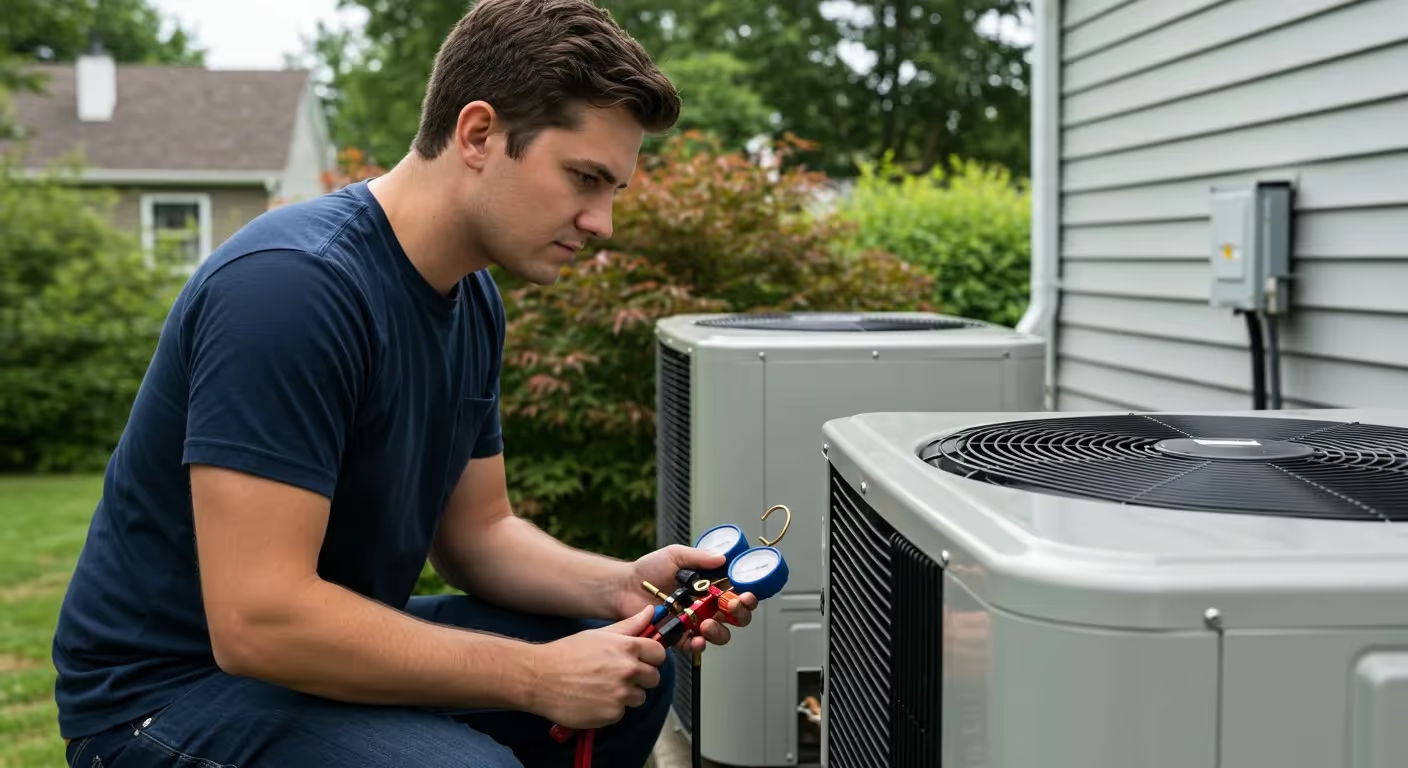
A professional inspection involves a granular analysis of both the outdoor condenser unit and the indoor air handler. The scope of the inspection is designed to cover every mechanical and electrical component that contributes to the system's operation. This is not a superficial visual check; it is a deep dive into the system's performance metrics using advanced diagnostic tools.
The inspection encompasses the following critical areas:
- Refrigerant Charge Verification: Technicians measure superheat and subcooling levels to ensure the refrigerant charge meets the manufacturer's specifications. Incorrect charge levels can damage the compressor and reduce heating capacity.
- Electrical System Analysis: This involves tightening all electrical connections, measuring voltage and amperage on motors, and inspecting the condition of the contactor and capacitor. Loose connections are a leading cause of component failure and potential fire hazards.
- Reversing Valve Testing: Since heat pumps must switch between heating and cooling, the reversing valve is tested to ensure it shifts correctly without sticking or leaking by-pass gas.
- Airflow and Static Pressure Checks: Proper airflow is essential for heat exchange. Technicians check the blower motor amp draw, inspect the belt (if applicable), and measure static pressure to ensure the ductwork is not restricting flow.
- Coil Inspection and Cleaning: Both the evaporator coil (indoor) and condenser coil (outdoor) are inspected for debris and biological growth. Clean coils are vital for efficient heat transfer.
- Thermostat and Sensor Calibration: The system is only as accurate as its controls. Technicians verify that the thermostat reads temperature correctly and communicates effectively with the unit.
- Defrost Board Operation: In winter, heat pumps must run a defrost cycle to remove ice from the outdoor unit. The control board and sensors governing this cycle are tested to prevent ice build-up that can crush the coil.
- Condensate Drain Line Clearing: Blocked drain lines can cause water damage and increase indoor humidity. The inspection includes checking and clearing the drain line and trap.
Our Heat Pump Inspection Process: What to Expect
Understanding the workflow of a professional inspection helps homeowners prepare for the visit and understand the value provided. The process is systematic, ensuring no component is overlooked. It begins the moment the technician arrives at your property in Elkton and concludes with a detailed report on the system's health.
- Arrival and Initial Assessment: The technician arrives with the necessary diagnostic equipment. The process starts with a discussion about any specific concerns you have noticed, such as strange noises, uneven heating or cooling, or recent spikes in energy bills.
- System Shutdown and Safety Check: Power to the unit is turned off at the disconnect box to ensure safety during the internal examination. The technician verifies that safety switches and limits are functioning to protect the equipment and your home.
- Outdoor Unit Examination: The technician removes the service panels on the outdoor unit. Debris such as leaves and grass clippings are removed from the interior of the cabinet. The fan blade is inspected for cracks or balance issues, and the condenser coil is examined for damage.
- Indoor Unit Examination: Moving inside, the technician accesses the air handler. The filter is checked and replaced if a spare is provided. The blower assembly is inspected for dust buildup, which can cause vibration and noise.
- Active Testing and Diagnostics: Power is restored, and the system is run in both heating and cooling modes. Gauges are attached to read pressures, and temperature probes are placed in the supply and return air ducts to measure the temperature split (Delta T). This data indicates how well the system is conditioning the air.
- Reporting and Recommendations: Once the physical and operational checks are complete, the technician compiles the findings. You receive a clear explanation of the system's status. If repairs are needed, they are explained with technical justification, not sales pressure. If the system is in good shape, you receive documentation confirming its readiness for the season.
Deciding Between Heat Pump Repair or Replacement
One of the primary outcomes of a thorough inspection is determining the long-term viability of the current heat pump. There comes a point where the cost of repeated repairs and the inefficiency of an older unit outweigh the cost of a new installation. Making this decision requires analyzing data rather than guessing.
Consider these factors when evaluating the future of your system:
- System Age: The average lifespan of a heat pump is 10 to 15 years. If your unit is approaching or has surpassed this range, major component failures (like a compressor blowout) become statistically more likely.
- Repair Frequency and Cost: If you are calling for service multiple times a year, or if a single repair approaches 50% of the cost of a new unit, replacement is often the more financial prudent choice.
- Efficiency Ratings (SEER and HSPF): Older units often have SEER ratings of 10 or 12. Modern standards require higher efficiency, often 14 SEER2 or higher. Upgrading can significantly reduce monthly electrical consumption, paying for the investment over time.
- Refrigerant Type: Many older systems utilize R-22 (Freon), which has been phased out. Repairs involving R-22 are incredibly expensive due to scarcity. If your system leaks R-22, replacement is usually the only logical path.
- Comfort Consistency: If the unit runs constantly but cannot maintain the set temperature during Elkton’s 20-degree winter nights, the compressor may have lost compression, or the unit may be undersized for the home's current thermal load.
Carter Heating and Cooling helps you weigh these variables accurately. The goal is to provide you with the information needed to make an investment that ensures reliability for the next decade, rather than applying a temporary patch to a failing system.
Navigating Local Codes and Weather Conditions
Operating a heat pump in this region requires specific attention to local environmental factors and regulations. The climate in Elkton presents a unique challenge: high humidity in the summer and potential freezing rain in the winter. Inspections here must focus heavily on the defrost cycle efficiency and humidity control.
- Humidity Control: In summer, a heat pump acts as a dehumidifier. If the evaporator coil is dirty or the airflow is incorrect, the system will cool the air without removing moisture, leading to a "clammy" indoor feeling. Local inspections prioritize the latent cooling capacity (moisture removal) of the unit.
- Winter Defrost Cycles: The freezing rain and snow common in Kentucky winters can encase an outdoor unit in ice. If the defrost control board or sensors fail, the unit can freeze solid, leading to catastrophic fan failure or coil crushing. Verifying the defrost initiation and termination sequence is a critical part of the local inspection protocol.
- Electrical Permits and Safety Codes: Any significant repair or replacement identified during an inspection must adhere to Kentucky electrical and building codes. This includes proper wire sizing, disconnect box accessibility, and breaker ratings. Ensuring your system is code-compliant protects you from liability and ensures safety.
- Auxiliary Heat Functionality: Heat pumps lose efficiency as temperatures drop below freezing. They rely on auxiliary heat (electric strips or a dual-fuel gas furnace) to supplement the heating load. Inspecting the "emergency heat" function is vital for local residents to ensure safety during deep freezes.
Why Trust Us? Our Credentials and Customer Stories
Selecting a service provider for heat pump inspection is about trusting the technical competency of the team entering your home. It requires a provider that understands the thermodynamics of heat transfer and the intricacies of modern HVAC electronics. The focus should be on precision, safety, and transparency — read our reviews.
- Certified Technicians: The team consists of technicians who undergo rigorous training on the latest heat pump technologies, including variable-speed inverters and communicating systems. This ensures that even the most complex high-efficiency units are inspected correctly.
- Advanced Diagnostic Tools: Inspections are conducted using digital manifolds, combustion analyzers (for dual fuel), and electronic leak detectors. This eliminates guesswork and provides accurate, data-driven results regarding the health of your system.
- Comprehensive Documentation: You are never left in the dark. Every inspection results in a clear report detailing what was checked, the readings obtained, and the status of each component. This transparency allows you to verify the work performed.
- No-Nonsense Approach: The priority is the operational integrity of the system. Recommendations are based strictly on technical requirements and safety standards.
When you need a heat pump inspection that digs deep into the mechanics of your system, rely on Carter Heating and Cooling. We provide the expertise required to keep your home comfortable through every season Elkton brings.
Prepare Your Home for Confident, Season-Ready Performance
Extreme temperatures put constant demand on your heat pump, and waiting until a breakdown occurs often leads to higher costs and unnecessary stress. A professional inspection from Carter Heating and Cooling helps uncover hidden inefficiencies, protect critical components, and ensure your system is fully prepared for Elkton’s changing seasons—so you’re never caught off guard when the weather shifts.
Is your heat pump ready for the season ahead? Contact us today to schedule your comprehensive inspection.

Great Service at a Fair Price
Veterans Discount


Senior Discount

Law Enforcement

Fire fighters/ems

Hear From Your Neighbors!
Hear from your neighbors to see how our commitment to dependable service and lasting comfort has made a difference in their homes.