

How can we help today?
Choose an option to see quick actions and get help faster.Heat Pump Inspection in Morgantown, KY
Heat Pump Inspection in Morgantown, KY
Ensure your Morgantown home stays comfortable with our expert heat pump maintenance services. Schedule an inspection today to prevent costly repairs and maintain efficiency!
Is Your Heat Pump Ready for Morgantown's Seasons?
Facing unexpected heat pump failures during Morgantown’s humid summers or chilly winters can be more than just inconvenient—it is a significant disruption to your household. You need a system that operates efficiently despite the high humidity and fluctuating temperatures typical of Butler County, ensuring your home remains comfortable year-round. Contact us today to schedule your comprehensive system evaluation or to inquire about available financing options.
- Quick, thorough inspections to identify potential issues before they become expensive breakdowns.
- Custom maintenance advice tailored to local climate challenges, specifically addressing humidity control.
- Efficient scheduling to minimize disruption to your daily routine while maximizing system uptime.
Backed by industry-standard warranties and straightforward financing options.
Ensuring Your Comfort Through Proper Heat Pump Maintenance
Heat pumps are the workhorses of HVAC systems in Kentucky. Unlike a standard furnace that only operates during the winter or an air conditioner that only runs in the summer, a heat pump manages climate control for the entire year. This dual functionality means the system experiences double the wear and tear compared to standalone units. In Morgantown, where humidity levels remain high through the summer and shoulder seasons bring rapid temperature swings, your system is under constant load.
Neglecting regular oversight often leads to a gradual decline in performance that is not immediately noticeable until the system fails completely. A slight dip in refrigerant levels or a dirty coil forces the compressor to work harder, consuming more electricity to provide the same level of heating or cooling. Over time, this inefficiency compounds, leading to inflated utility bills and shortened equipment lifespan.
A professional inspection is not merely a quick glance at the outdoor unit. It is a strategic evaluation of the system’s health. By verifying that every component is operating within manufacturer specifications, you avoid the "emergency premium" associated with after-hours repairs. Proactive care ensures that the reversing valve shifts smoothly between modes and that the auxiliary heat strips engage only when necessary, preventing energy waste during the mild winters common in this region.
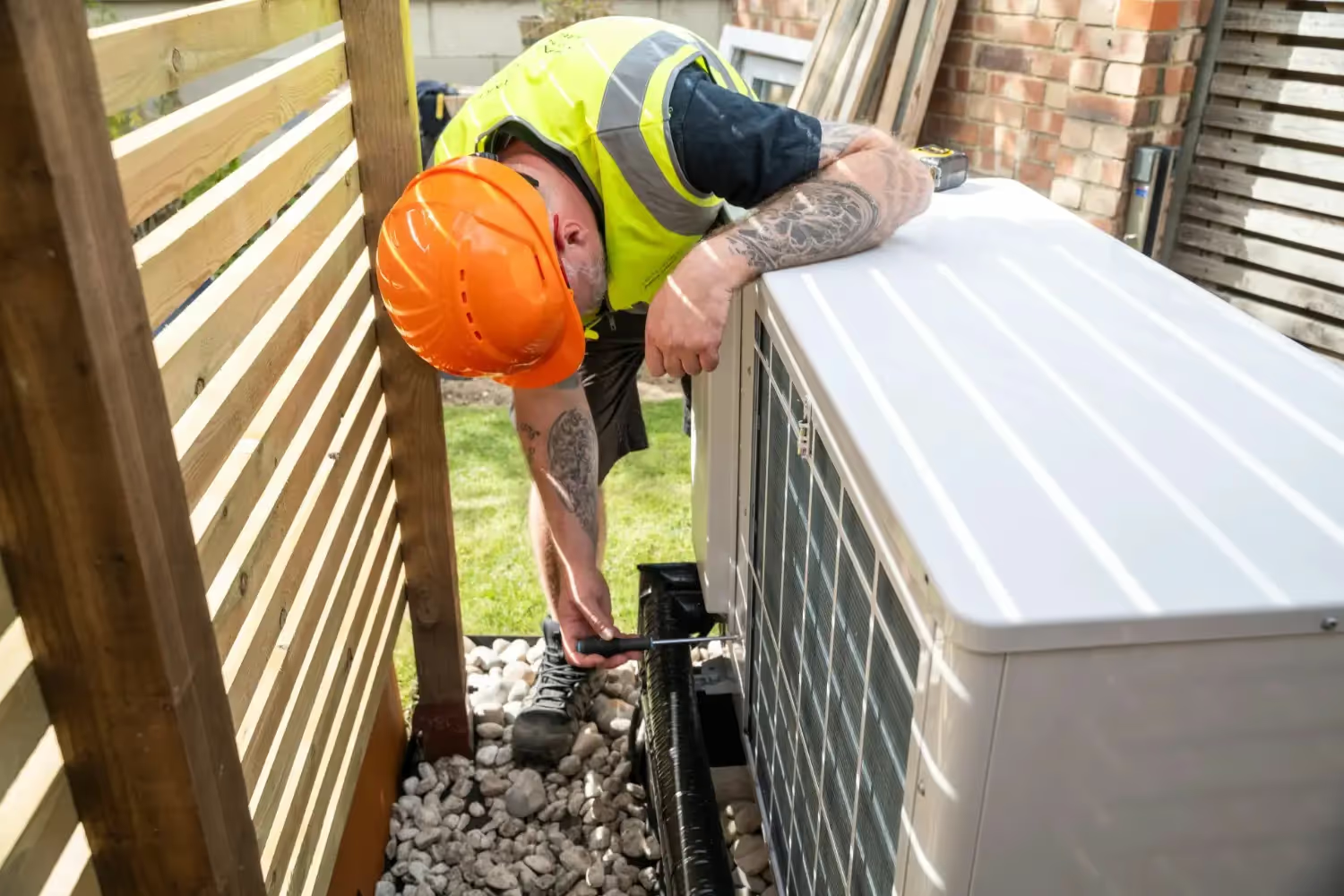
Comprehensive Inspection Services – What We Check
A proper heat pump inspection digs deep into the mechanical and electrical integrity of the system. The goal is to catch minor deviations before they cascade into major component failures. The following breakdown details the specific areas addressed during a service visit.
Electrical Components and Safety Controls
The electrical system acts as the brain and nervous system of your heat pump. Loose connections or worn components can lead to intermittent operation or fire hazards.
- Tighten all electrical connections to prevent voltage drops and overheating wires.
- Measure voltage and amperage on all motors to ensure they are drawing the correct amount of power.
- Inspect the contactor for pitted or burned surfaces that could cause the compressor to stick.
- Test capacitors for proper microfarad ratings to ensure the motors have sufficient starting torque.
- Verify the operation of safety switches, including high and low-pressure cutoffs.
Refrigerant and Compressor Health
The refrigerant cycle is the heart of the heat pump. Incorrect charge levels significantly impact efficiency and capacity.
- Check refrigerant levels using subcooling and superheat methods to ensure optimal heat transfer.
- Inspect refrigerant lines for signs of leaks, physical damage, or insulation degradation.
- Listen to the compressor for abnormal noises that indicate internal wear or lubrication issues.
- Monitor the reversing valve operation to ensure seamless transition between heating and cooling modes.
Airflow and Coil Condition
Without proper airflow, a heat pump cannot exchange heat effectively. This leads to ice formation in winter and high humidity in summer.
- Inspect the indoor evaporator coil for dust buildup and biological growth that restricts airflow.
- Clean the outdoor condenser coil to remove debris, grass clippings, and dirt that inhibit heat rejection.
- Check the blower wheel for balance and cleanliness to reduce vibration and noise.
- Evaluate the air filter condition and recommend replacement if airflow is restricted.
- Measure static pressure within the ductwork to identify blockages or design flaws.
Condensate Drain System
Moisture removal is a critical function during the cooling season. Blocked drains can cause water damage to the home.
- Flush the condensate drain line to remove algae and sediment buildup.
- Test the condensate pump (if applicable) for proper operation and overflow safety switch function.
- Inspect the drain pan for rust or cracks that could lead to leaks.
Steps to a Thorough Heat Pump Inspection Process
Understanding the workflow of an inspection helps homeowners prepare for the visit and understand the value provided. Carter Heating and Cooling follows a systematic approach to ensure no component is overlooked.
- Initial System Assessment: The technician begins by discussing any specific concerns you have noticed, such as strange noises, hot or cold spots in the house, or recent spikes in energy bills. The thermostat is checked to verify it is communicating correctly with the equipment.
- Visual Inspection: A complete visual walkthrough of the indoor and outdoor units is conducted. This step identifies obvious issues like frayed wires, rusted panels, or debris blocking the outdoor unit.
- Operational Testing: The system is run in both heating and cooling modes (weather permitting). The technician monitors the startup cycle, looking for hard starts or delays in ignition.
- Performance Measurement: Specialized gauges and meters are attached to the system to read pressures, temperatures, and electrical usage. These data points are compared against the manufacturer's engineering data to determine the system's efficiency.
- Cleaning and Adjustments: Minor adjustments are made immediately. This includes tightening loose fittings, lubricating moving parts if required, and clearing minor debris from the coil surfaces.
- Reporting and Consultation: Once the physical work is done, the technician compiles a report detailing the current status of the heat pump. Any critical issues requiring immediate repair are explained clearly, along with options for resolution. If the system is in good shape, the report serves as a baseline for future inspections.
Repair or Replace? Making Cost-Effective Choices for Your Heat Pump
One of the most difficult decisions for a homeowner is determining when to stop repairing an aging unit and invest in a replacement. There is a tipping point where the cost of keeping an old system running exceeds the cost of a new, high-efficiency installation.
The $5000 Rule
A common industry standard for making this decision is the $5000 rule. Multiply the age of your equipment by the estimated repair cost. If the total exceeds $5,000, replacement is generally the more improved financial option. For example, if you have a 12-year-old unit requiring a $500 repair (12 x 500 = 6,000), replacement should be strongly considered.
Age and Reliability
Heat pumps generally have a lifespan of 10 to 15 years. As systems age, parts become obsolete, and major components like the compressor run a higher risk of failure.
- If the system is under 10 years old and the warranty is active, repair is usually the best path.
- If the system is over 12 years old and requires a major component like a compressor or reversing valve, the investment in repair often yields diminishing returns.
- Frequent breakdowns requiring multiple service calls in a single year indicate the system has reached the end of its useful life.
Efficiency Considerations (SEER and HSPF)
Older heat pumps often have SEER (Seasonal Energy Efficiency Ratio) ratings of 10 or 12. Modern units start at 14 SEER and go much higher.
- Upgrading from a 10 SEER unit to a 16 SEER unit can reduce energy consumption by significant margins.
- Newer systems often feature variable-speed blowers and two-stage compressors, providing better humidity control and more consistent indoor temperatures compared to older single-stage models.
- If your current energy bills are rising despite regular maintenance, the system’s efficiency has likely degraded beyond what simple repairs can fix.
Refrigerant Type
Older systems utilize R-22 refrigerant, which has been phased out due to environmental regulations. Supplies of R-22 are limited and extremely expensive. If your older unit has a refrigerant leak, the cost to recharge it may approach the cost of a down payment on a new system. Modern systems use R-410A or newer alternatives, which are more environmentally friendly and affordable to service.
Understanding Morgantown’s Climate: Tailored Heat Pump Care
The climate in Butler County presents specific challenges that dictate how heat pumps should be maintained. Morgantown experiences a humid subtropical climate, meaning summers are hot and sticky, while winters are mild but can have sharp, freezing drops.
- Humidity Management: In this region, a heat pump acts as a dehumidifier just as much as an air conditioner. If the evaporator coil is dirty or the refrigerant charge is slightly off, the system’s ability to pull moisture from the air decreases. This leads to a "clammy" feeling inside the home, prompting residents to lower the thermostat further, which wastes energy. Regular inspections ensure the latent cooling capacity (moisture removal) is optimized for Kentucky summers.
- The "Shoulder Season" Strain: Spring and autumn in Kentucky often see temperatures that require heating in the morning and cooling in the afternoon. This constant switching of the reversing valve places significant mechanical stress on the unit. Inspecting the solenoid and the valve mechanics is crucial to prevent the system from getting stuck in one mode.
- Vegetation and Debris: The lush environment in the area means pollen, cottonwood, and grass clippings are abundant. These particulates are drawn into the outdoor condenser coil. Even a thin layer of dust acts as an insulator, preventing the heat pump from releasing heat in the summer or absorbing it in the winter. Local maintenance plans specifically focus on deep cleaning these coils to maintain airflow.
- Local Codes and Electrical Stability; Ensuring your system meets local building codes regarding electrical disconnects and breaker sizing is part of a thorough inspection. Additionally, regional power fluctuations during storms can damage sensitive inverter boards in modern heat pumps. Verifying the presence and condition of surge protectors is a key step in protecting the equipment in this specific geography.
Why Trust Us? Certified Expertise and Real Reviews
When it comes to maintaining the complex mechanics of a heat pump, general handyman skills are insufficient. You need technicians who understand thermodynamics, high-voltage electricity, and advanced control logic.
- Certified Technicians: Technical proficiency is non-negotiable. Certifications ensure that the individual working on your equipment has demonstrated mastery of HVAC fundamentals and keeps up with evolving technology.
- Tooling and Diagnostics: Identifying a micro-leak in a copper line or a slight variance in voltage requires industrial-grade diagnostic tools. Professional service providers invest in the technology necessary to diagnose issues accurately the first time.
- Inventory Availability: A diagnosis is only useful if the repair can be made. Professional services maintain stocked vehicles with universal parts—capacitors, contactors, and motors—to resolve most inspection findings in a single visit.
- No-Pressure Assessments: The focus of an inspection is accurate information. You receive a clear picture of your system’s health without aggressive sales tactics. Recommendations are based on data and industry standards, empowering you to make the right choice for your home — read our reviews today.
Your comfort system is a significant investment. Protecting it requires consistent, high-quality attention from professionals who understand the specific demands of the local environment. Ensure your heat pump is prepared to handle whatever the weather brings.
Contact Carter Heating and Cooling now to book your inspection and secure your home’s comfort.
Schedule Professional Heat Pump Care for Reliable Year-Round Comfort
A heat pump that isn’t properly inspected and maintained can quickly lose efficiency, drive up energy costs, and struggle to keep pace with Morgantown’s demanding seasonal conditions. Carter Heating and Cooling provides detailed, climate-specific heat pump inspections designed to identify hidden issues, improve performance, and extend the life of your system. Our certified technicians deliver honest assessments, precise recommendations, and dependable service you can trust. Don’t leave your comfort to chance—contact us today to schedule your heat pump inspection and ensure your home stays comfortable in every season.

Great Service at a Fair Price
Veterans Discount


Senior Discount

Law Enforcement

Fire fighters/ems

Hear From Your Neighbors!
Hear from your neighbors to see how our commitment to dependable service and lasting comfort has made a difference in their homes.