
How can we help today?
Choose an option to see quick actions and get help faster.Heating Inspection in Morgantown, KY
Heating Inspection in Morgantown, KY
Heating Inspection in Morgantown, KY
Stay Warm This Winter: Is Your Heating System Ready?
Worried about your heater as the cold draws near? Morgantown residents can count on prompt, reliable inspections to stay cozy and avoid the frustration of a mid-winter breakdown. If you suspect your system is underperforming, contact us today to schedule your comprehensive safety check.
The winter months in Kentucky often bring freezing nights that put immense strain on central heating systems. A proactive inspection isn’t just about comfort; it is about ensuring efficiency and safety before the heavy usage season begins. Carter Heating and Cooling provides detailed assessments to identify potential failure points so you aren't left in the cold.
- Get a full system evaluation within 24 hours of scheduling.
- Receive transparent pricing with no hidden costs or surprise fees.
- Assistance from certified local technicians who understand regional heating needs.
Licensed and insured for your peace of mind—with flexible financing available.
What a Professional Heating Inspection Includes
A heating inspection is a technical audit of your furnace, heat pump, or boiler. It goes far beyond a quick visual glance. When a technician arrives at your home, the goal is to verify that every component—from the thermostat to the exhaust vent—is operating within manufacturer specifications and local safety codes. This process is designed to uncover minor wear and tear before it escalates into a catastrophic failure that requires an expensive emergency replacement.
The scope of a professional inspection involves a systematic review of the unit’s mechanical, electrical, and safety systems. You receive a detailed report on the current health of your equipment. This allows you to make informed decisions regarding maintenance or necessary repairs without pressure.
Critical Component Analysis
The core of the inspection focuses on the internal mechanisms that generate and distribute heat. Technicians examine the heat exchanger, a vital component in gas furnaces. If this component is cracked or damaged, it can leak carbon monoxide into your living space. A rigorous inspection involves visual checks and, if necessary, combustion analysis to ensure the exchanger is sealed and functioning correctly.
Burner assemblies are also removed and cleaned during this phase. Over time, burners can accumulate dust, soot, and rust, which disrupts the gas flow and creates an inefficient burn. This not only wastes fuel but can also cause "delayed ignition," resulting in a loud bang when the furnace turns on. Techs verify the flame sensor is clean; a dirty sensor is a common reason for furnaces shutting down prematurely.
Electrical and Control Systems
Modern heating systems rely heavily on complex electrical circuits. Loose connections, frayed wires, or corroded contacts can lead to intermittent operation or electrical fires. The inspection includes tightening all electrical connections and measuring the voltage and amperage on motors. If the blower motor draws too many amps, it is a sign that the motor is failing or working too hard, typically due to friction or airflow restrictions.
The thermostat is also calibrated. If your thermostat reads 70 degrees but the room feels like 65, your system will run longer than necessary, driving up utility bills. Technicians verify that the thermostat communicates effectively with the control board, ensuring the startup and shutdown cycles are executed in the correct sequence.
Safety and Airflow Verification
Safety is the primary driver for heating inspections. Beyond the heat exchanger, technicians test all limit switches. These switches are designed to shut the unit down if it overheats or if the flame rolls out of the combustion chamber. If these safety devices are faulty, your home is at risk.
Airflow is equally important. A restricted system cannot distribute heat effectively, leading to hot and cold spots in different rooms. The inspection includes checking the air filter and assessing the static pressure in the ductwork. High static pressure indicates blockages or undersized ducts, which can shorten the lifespan of the blower motor.
How the Inspection Process Works
Understanding the workflow of a service call helps you prepare for the visit. The process is streamlined to be respectful of your time while remaining thorough enough to catch elusive issues.
- Scheduling and Dispatch: You request a service slot that fits your schedule. You receive confirmation and a notification when the technician is en route to your property.
- Initial Consultation: Upon arrival, the technician discusses any specific concerns you have noticed, such as strange noises, smells, or rooms that fail to reach the desired temperature.
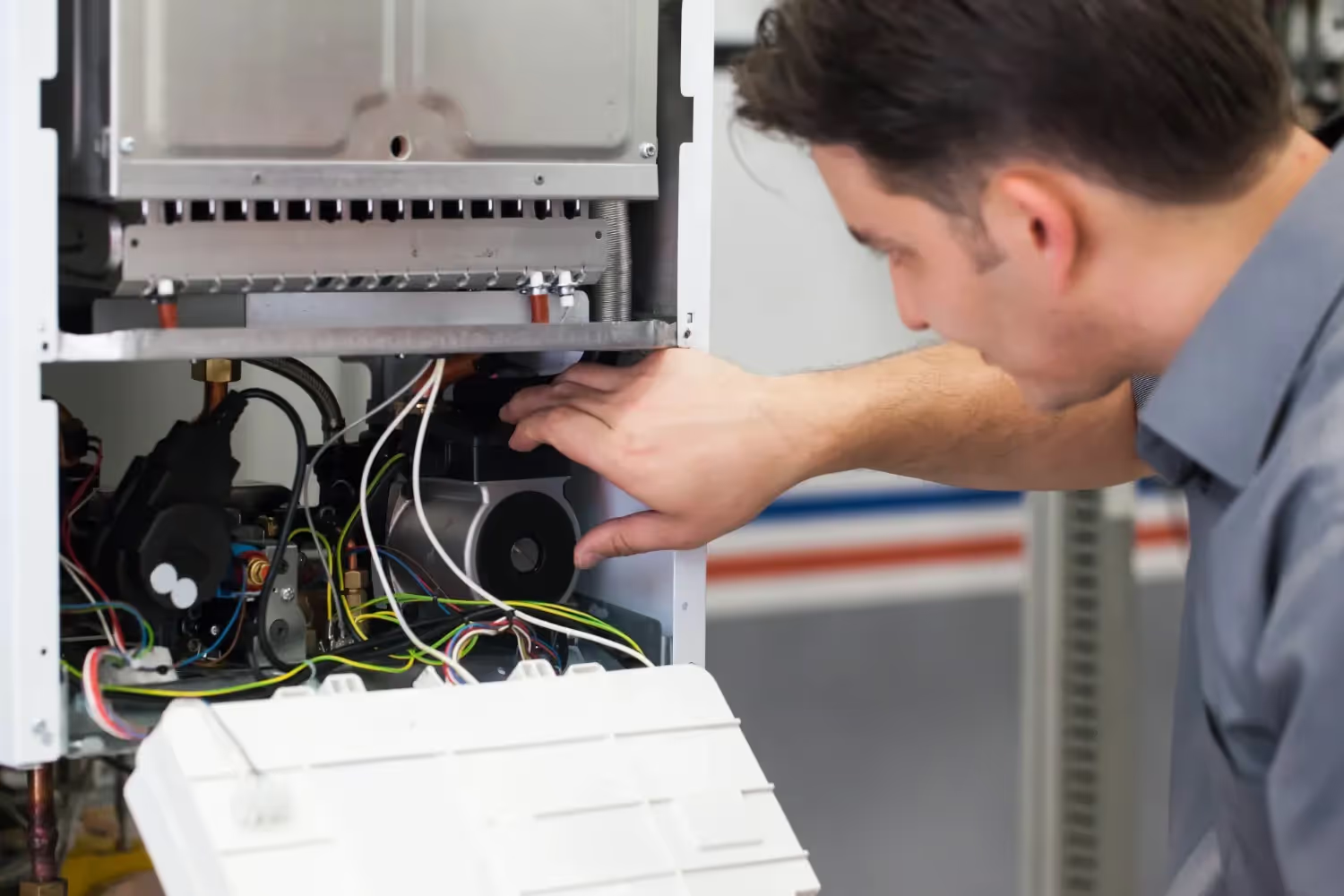
- System Shutdown and Access: The heating unit is powered down safely. Panels are removed to access internal components.
- Multi-Point Evaluation: The technician moves through a checklist, testing ignition, exhaust venting, gas pressure, and electrical loads.
- Operational Testing: The system is powered back on and run through a full heating cycle. The technician monitors the temperature rise—the difference in temperature between the air entering the return vent and the air leaving the supply vents—to ensure it matches the unit's rating.
- Findings and Recommendations: The visit concludes with a clear explanation of the system’s health. If repairs are needed, they are explained with clear costs. If the system is in good shape, you receive documentation of the clean bill of health.
When to Repair vs. When to Replace
An inspection often forces a decision: should you pour money into an aging unit, or is it time to invest in a modern replacement? This is a financial and logical calculation based on data gathered during the assessment. While technicians can fix most issues, there is a tipping point where repair becomes economically unwise.
The 50% Rule
A common guideline used in the industry is the 50% rule. If the cost of the necessary repair approaches 50% of the value of a new system, replacement is generally the better option. For example, replacing a cracked heat exchanger or a failed compressor in an out-of-warranty unit is expensive. Investing that capital into a new system with a fresh warranty often provides better long-term value.
Age and Efficiency
Heating systems generally last between 15 and 20 years. If your unit is approaching this age range and requires a significant repair, replacement is usually recommended. Older units are also significantly less efficient. A furnace from 15 years ago may operate at 70% efficiency, meaning 30 cents of every dollar you spend on gas goes up the flue. New models can reach efficiency ratings of 95% or higher. An inspection will reveal the actual operating efficiency of your current unit, helping you calculate potential savings.
Frequency of Breakdowns
If you find yourself calling for repairs every winter, the unit has likely become a money pit. Frequent breakdowns indicate that multiple internal components are reaching the end of their lifecycle simultaneously. Fixing one part often leads to the next weakest link breaking shortly after. A comprehensive inspection identifies if the overall system integrity is compromised, signaling that a reliable new installation would eliminate the recurring service fees and stress.
Regional Considerations for Heating Systems
Operating a heating system in Kentucky requires specific attention to local climate patterns. The weather in Morgantown fluctuates significantly. Winters bring sustained periods of freezing temperatures, while the transition seasons of spring and fall can see rapid shifts from warm to cold.
Humidity and Condensation
The humid summers in this region can impact heating equipment, especially if the furnace and air conditioner share the same cabinet and blower. Moisture buildup during the cooling season can lead to rust and corrosion on the furnace’s internal components. During a pre-winter inspection, technicians specifically look for rust on the heat exchanger and burners caused by summer humidity. Rust flakes can clog gas jets, leading to dangerous combustion issues.
Freeze-Thaw Cycles
Local winters often see temperatures dip below freezing at night and rise above freezing during the day. This cycle forces heating systems, particularly heat pumps, to work hard. Heat pumps must enter a "defrost mode" to melt ice off the outdoor coil. If the defrost control board or sensors are failing, the unit will freeze up completely, leaving you with no heat. Inspections in this area place a heavy emphasis on testing the defrost cycle to ensure the unit can handle the nightly freeze.
Carter Heating and Cooling Local Knowledge
Techs working in the area are familiar with local utility infrastructure and building codes. Whether your home relies on natural gas, propane, or electric resistance heating, the inspection is tailored to the specific fuel source and the common venting configurations found in local architecture. Techs working in the area ensure that exhaust flues meet current safety codes is a priority, as improper venting can lead to moisture damage in attics or carbon monoxide buildup in living areas.
Why Professional Verification Matters
Homeowners sometimes attempt to "inspect" their own heating systems by changing a filter and looking for obvious damage. While changing filters is essential maintenance, it is not a safety inspection. Professional verification utilizes specialized tools that are not available to the average consumer.
Tools of the Trade
Technicians use manometers to measure gas pressure in inches of water column. Incorrect gas pressure can lead to overheating or soot buildup. They use multimeters to check microfarads on capacitors, predicting failures before they happen. Combustion analyzers measure the exact oxygen and carbon monoxide levels in the flue gas, providing a scientific readout of how clean the fuel is burning. These diagnostic tools provide data that the naked eye cannot see.
Warranty Preservation
Most manufacturer warranties require proof of annual maintenance by a licensed professional. If a major component fails and you cannot prove that the unit was inspected and maintained, the manufacturer may void the warranty, leaving you responsible for the cost of parts. A professional inspection provides the documentation needed to keep your warranty valid.
Peace of Mind
The primary deliverable of a heating inspection is certainty. You gain the certainty that your family is safe from carbon monoxide. You gain the certainty that you won't wake up to a freezing house in January. You gain the certainty that you are not overpaying for energy due to an inefficient system.
Secure Your Comfort for the Season
Waiting until the first snowstorm to test your heater is a gamble that often results in emergency service calls and long wait times. A scheduled inspection puts you ahead of the curve, identifying minor adjustments that improve performance and extend the life of your equipment.
The focus remains on safety, efficiency, and reliability. By addressing wear and tear now, you ensure that your home remains a comfortable refuge against the winter cold. Trusting a certified team to evaluate your system protects your investment and ensures your heating infrastructure is prepared for whatever the weather brings.
Don’t Leave Winter Comfort to Chance: Secure Your Inspection Today
Don't wait for a breakdown to think about your heating system. Carter Heating and Cooling is ready to provide the thorough assessment you need.
Book your heating inspection now to ensure a warm, safe winter season.

Great Service at a Fair Price
Veterans Discount


Senior Discount

Law Enforcement

Fire fighters/ems

Hear From Your Neighbors!
Hear from your neighbors to see how our commitment to dependable service and lasting comfort has made a difference in their homes.