
How can we help today?
Choose an option to see quick actions and get help faster.Furnace Repair in Morgantown, KY
Furnace Repair in Morgantown, KY
Furnace Repair in Morgantown, KY
Is Your Furnace Blowing Cold Air or Making Strange Noises?
Facing unexpected furnace breakdowns can leave your home uncomfortably cold, especially during Morgantown’s chilly winters where temperatures frequently drop into the mid-20s. You need a reliable solution immediately to protect your plumbing and keep your family safe. For fast, professional service to restore your heat, contact us today to schedule an inspection.
When the heat goes out, waiting days for a technician is not an option. Carter Heating and Cooling provides the responsive service necessary to handle heating emergencies efficiently.
- Responsive service availability to restore your warmth when you need it most.
- Transparent, upfront pricing models with no hidden fees or surprise costs.
- Expert technicians trained to handle any furnace model, regardless of age or brand.
- Fully licensed and insured to ensure quality, safety, and trust in every repair.
Comprehensive Heating Repair Services
A malfunctioning furnace disrupts your daily life and poses potential safety risks to your household. Modern heating systems are complex machines involving electrical, mechanical, and gas components that must work in perfect synchronization. When one component fails, it often triggers a chain reaction that impacts the efficiency and safety of the entire system.
We provide thorough diagnostic and repair services designed to address the root cause of the issue, not just the symptoms. Restoring a furnace involves more than just swapping out a part; it requires a deep understanding of airflow, combustion analysis, and electrical circuitry. Residents in Morgantown rely on consistent heating to combat the freezing winter nights, and our service ensures that your system operates at peak performance.
Our repair scope includes the following critical areas:
- Ignition System and Pilot Light Repair: Issues with ignition are common causes for a furnace failing to start. Whether your system uses a standing pilot light, hot surface igniter, or intermittent pilot, we troubleshoot and repair the ignition sequence to ensure reliable startups.
- Thermostat Calibration and Wiring: A furnace is only as good as the thermostat controlling it. We address communication errors between the thermostat and the furnace board, ensuring accurate temperature readings and proper cycling.
- Blower Motor and Belt Replacement: If you hear squealing or rumbling, the blower motor or belt may be failing. We repair or replace these components to restore proper airflow, which is essential for distributing heat evenly throughout the home.
- Flame Sensor Cleaning and Replacement: A dirty flame sensor will shut down your furnace as a safety precaution. We clean or replace these sensors to prevent "short cycling," where the furnace turns on and off repeatedly without heating the house.
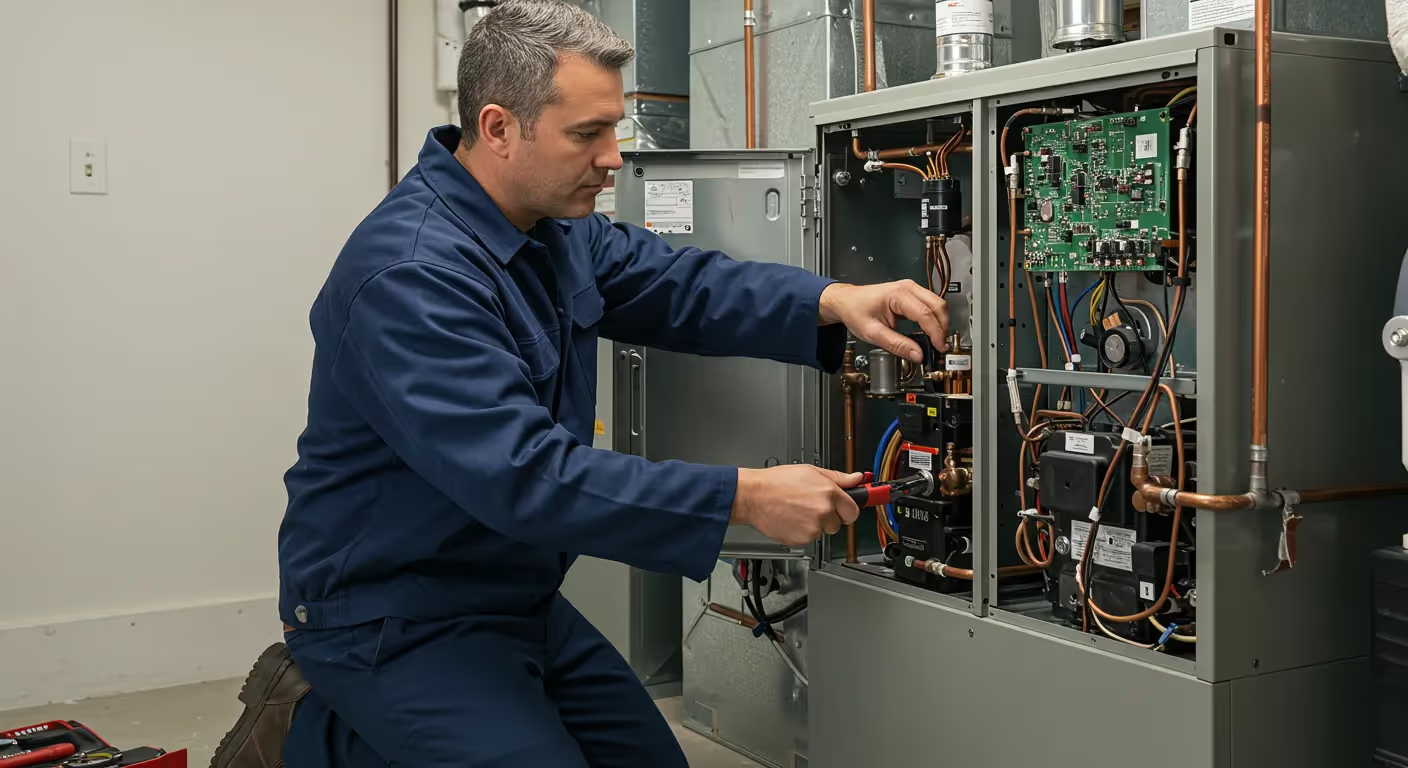
- Heat Exchanger Inspection: This is the most critical safety component. We inspect for cracks or corrosion that could lead to carbon monoxide leaks, ensuring your system is safe to operate.
The Repair Process: From Diagnosis to Warmth
Understanding what happens during a service visit helps alleviate the stress of a breakdown. A structured repair process ensures that nothing is overlooked and that the solution provided is permanent rather than a temporary patch. When a technician arrives at your property, the goal is to identify the problem accurately and provide clear options for resolution.
The standard service workflow operates as follows:
- System Assessment: The technician begins by cycling the furnace to observe its behavior. This includes listening for abnormal sounds, checking the color of the burner flame, and measuring temperature differentials between the supply and return air.
- Diagnostic Testing: using specialized tools such as multimeters and manometers, the technician tests electrical voltages, gas pressure, and airflow rates. This data pinpoints exactly which component is failing or operating outside of manufacturer specifications.
- Explanation of Findings: Once the issue is identified, you receive a detailed explanation of what is wrong, why it happened, and the available repair options. This discussion happens before any work begins, ensuring you have full control over the decision.
- Execution of Repairs: Upon approval, the technician performs the necessary repairs using high-quality parts. This may involve wiring adjustments, component replacement, or cleaning of internal mechanisms.
- Safety and Performance Testing: After the repair is complete, the system is tested extensively. The technician checks for gas leaks, validates carbon monoxide levels, and ensures the system reaches the set temperature efficiently.
- Final Walkthrough: The service concludes with a review of the work performed and advice on how to maintain the system to prevent future issues.
Repair vs. Replacement: Making a Financial Decision
Homeowners often face a difficult choice when an older furnace breaks down: is it better to pay for a repair or invest in a new system? This decision involves balancing immediate costs against long-term efficiency and reliability. While a repair is often the most cost-effective solution for minor issues, there are specific thresholds where replacement becomes the smarter financial move — apply for HVAC financing today.
We help you navigate this decision using industry-standard metrics and a clear analysis of your current system's health.
- The 50% Rule: If the cost of the repair approaches 50% of the cost of a new system, replacement is generally recommended. Spending half the value of a new unit on an old one is rarely a good investment.
- The $5,000 Rule: Multiply the age of your furnace by the estimated repair cost. If the total exceeds $5,000, the unit has likely reached the end of its economic life. For example, a 15-year-old furnace with a $400 repair ($6,000 total) is a candidate for replacement.
- Frequency of Breakdowns: If your furnace has required multiple repairs in the last two years, it has likely entered the "failure phase." Continuing to patch a failing system often costs more in the long run than installing a modern, reliable unit.
- Energy Efficiency (AFUE) Ratings: Older furnaces often operate at 60% to 70% efficiency (AFUE). Modern systems operate at 90% to 98% efficiency. If your energy bills are rising despite usage remaining the same, the operational savings of a new unit may offset the installation cost over time.
- Uneven Heating and Comfort: If some rooms are freezing while others are hot, or if the furnace runs constantly to maintain temperature, the internal components may be worn beyond reasonable repair.
Understanding Local Climate and System Demands
The climate in this region dictates specific requirements for heating systems. Morgantown experiences winters where lows consistently drop into the 20s, with occasional dips lower during cold snaps. A furnace here must be robust enough to handle sustained operation under high load. Unlike milder climates where a heat pump might suffice on its own, homes in this area often rely on gas furnaces or dual-fuel systems to provide the high-heat output necessary for deep winter comfort.
Additionally, the transition seasons can bring humidity. A well-functioning HVAC system plays a role in managing indoor moisture levels. When a furnace is short-cycling or not moving air correctly, it fails to assist in circulating dry, conditioned air, leading to a clammy indoor environment.
Local factors that influence furnace performance include:
- Insulation and Ductwork: Many homes in the area have older ductwork systems. Leaks in the ducts can force the furnace to work 30% harder, leading to premature component failure. Repairs often involve checking static pressure to ensure the furnace isn't "suffocating" due to poor airflow.
- Gas Pressure Fluctuations: In extreme cold, demand on municipal gas lines increases. A furnace with a dirty burner or improper valve settings may struggle to ignite or maintain a flame during these peak demand times.
- Electrical Reliability: Winter storms can cause power flickers. Modern furnaces with sensitive control boards can be damaged by voltage surges. Verifying proper grounding and surge protection is often part of the repair conversation.
Diagnosing Common Furnace Symptoms
Recognizing the early signs of furnace trouble can save you from a complete shutdown in the middle of the night. Furnaces rarely quit without giving a warning signal first. By identifying these auditory and sensory cues, you can schedule service before the damage spreads to other components.
- Loud Banging or Booming: This often indicates delayed ignition. Gas builds up in the combustion chamber before the pilot or igniter lights it, causing a small explosion. This places immense stress on the heat exchanger and requires immediate professional attention.
- High-Pitched Squealing: This is a classic sign of a slipped or fraying blower belt, or dry bearings in the blower motor. Neglecting this can lead to the motor seizing up completely.
- Scraping or Metal-on-Metal Sounds: This usually means the blower wheel has come loose or broken and is hitting the housing. This requires the system to be turned off immediately to prevent catastrophic damage.
- Yellow Burner Flames: A healthy gas furnace flame should be blue. A yellow or flickering flame indicates incomplete combustion, which can produce high levels of carbon monoxide.
- Short Cycling: If the furnace runs for only a few minutes and then shuts off, it may be overheating due to a clogged filter or a bad limit switch. This puts excessive wear on the startup components.
Why Professional Licensing and Safety Matter
Heating repair is not a DIY task. In Kentucky, HVAC technicians must hold specific licenses to legally work on heating equipment. These regulations are in place to protect homeowners from the dangers of gas leaks, electrical fires, and carbon monoxide poisoning.
Working with a licensed professional ensures that all repairs meet local building codes and manufacturer warranty requirements. Carter Heating and Cooling adheres strictly to these standards. Many furnace manufacturers will void the warranty if repairs are performed by unlicensed individuals. Furthermore, professional technicians carry the necessary insurance to protect your property during the service visit.
Key advantages of professional service include:
- Proper Tools and Diagnostics: Professionals use combustion analyzers to measure exhaust gases, ensuring the unit is burning fuel safely and efficiently. These tools are generally not available to the average homeowner.
- Access to OEM Parts: We source Original Equipment Manufacturer (OEM) parts that are designed specifically for your make and model. Universal parts often fit poorly and can reduce system efficiency.
- Safety Protocols: Handling natural gas and high-voltage electricity requires safety training. Professionals know how to test for gas leaks after every intervention and verify that all safety switches are active.
Maintaining Efficiency After Repair
Once your furnace is repaired, maintaining its efficiency is vital for longevity and lower utility bills. A system that struggles to push air or ignite fuel uses more energy to produce the same amount of heat.
- Filter Changes: The simplest and most effective maintenance task. clogged filters restrict airflow, causing the heat exchanger to overheat.
- Vent Clearance: Ensure that intake and exhaust vents on the exterior of the home are free from snow, ice, and debris. Blocked vents can cause the furnace to shut down for safety reasons.
- Register Management: Keep supply and return vents open and unblocked by furniture or curtains. Closing too many vents increases pressure in the ductwork, which can damage the blower motor.
If you are experiencing inconsistent heating, strange noises, or rising energy bills, do not wait for the system to fail completely. Timely intervention prevents minor issues from becoming major expenses.
Secure Your Comfort Today
A reliable heating system is non-negotiable when winter temperatures drop. Whether you are dealing with a complete breakdown, strange noises, or a system that simply cannot keep up with the thermostat setting, professional intervention is the fastest path to restoring comfort. Delaying repairs can lead to higher costs and safety hazards.
We are ready to diagnose your system and provide a lasting solution. Contact us now to schedule your furnace repair service.

Great Service at a Fair Price
Veterans Discount


Senior Discount

Law Enforcement
Fire fighters/ems
Hear From Your Neighbors!
Hear from your neighbors to see how our commitment to dependable service and lasting comfort has made a difference in their homes.