

How can we help today?
Choose an option to see quick actions and get help faster.Air Conditioning Replacement in Park City, KY
Air Conditioning Replacement in Park City, KY
Struggling with an old AC in Park City? Opt for our energy-efficient air conditioning replacement services. Contact us now to upgrade and ensure your comfort!
Is Your Home Cooling System Failing to Combat the Heat?
Is your AC struggling to keep up with Park City’s unpredictable weather, leaving you sweating indoors when you should be relaxing? Whether it’s freezing cold or uncomfortably hot, you need a reliable solution fast—contact us today to schedule a consultation or ask about our financing options.
Carter Heating and Cooling understands that a breakdown isn't just an inconvenience; it disrupts your entire household.
- Get same-day air conditioning replacement to ensure uninterrupted comfort.
- Choose from a range of energy-efficient units that reduce your energy bills.
- Enjoy peace of mind with extended warranties and professional installation.
All installations are fully licensed, with flexible financing options to fit your budget.
Comprehensive Air Conditioning Replacement Solutions
When you invest in a new air conditioning system, you are purchasing more than just a metal box that sits outside your home. You are investing in the next 10 to 15 years of your home’s indoor air quality, humidity control, and energy consumption. Modern systems have evolved significantly over the last decade. The technology available today offers variable-speed cooling, smart thermostat integration, and drastically improved SEER2 (Seasonal Energy Efficiency Ratio) ratings.
Homeowners in Park City often find that upgrading their system changes the way they experience their home environment. Old units often run in short bursts, blasting cold air and then shutting off, which leads to temperature swings and poor humidity removal. A comprehensive replacement service involves assessing the entire cooling infrastructure of the home. This includes the outdoor condenser, the indoor evaporator coil, and the refrigerant lines connecting them.
Current replacement options include high-efficiency central air conditioners and heat pumps. While a standard AC unit only cools, heat pumps are capable of reversing the cycle to provide heat during the colder months. Given the local climate where temperatures can dip below freezing, a dual-fuel system or a high-performance heat pump can often replace both an aging AC and a furnace, providing a year-round solution.
In addition to the main equipment, a proper replacement scope covers the auxiliary components that ensure safety and longevity. This includes installing new condensate drain lines to prevent water damage, upgrading electrical disconnect boxes to meet current codes, and placing the new unit on a leveled, composite pad to reduce vibration and noise.
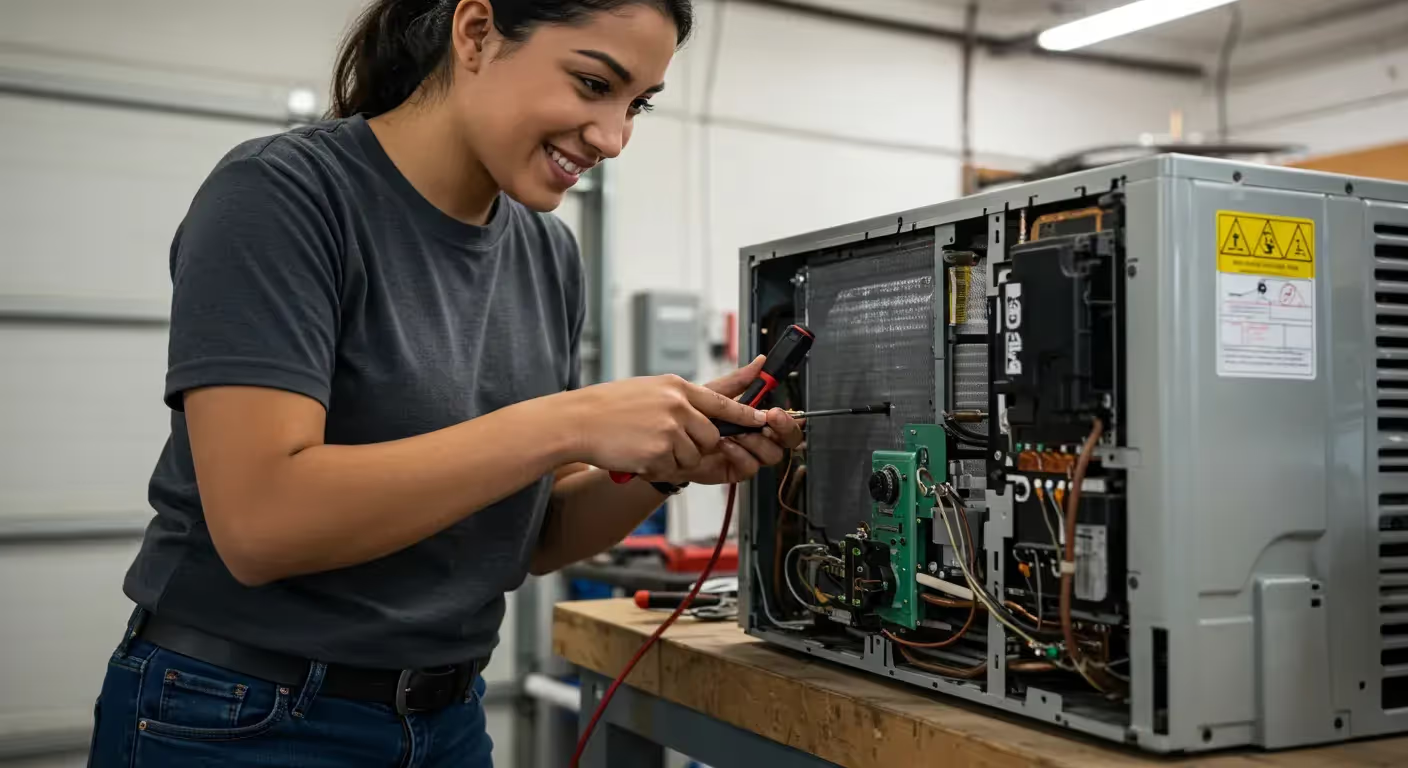
The Installation Process: From Assessment to Airflow
A professional installation follows a strict protocol to ensure the new equipment performs according to the manufacturer's specifications. Cutting corners during installation can reduce a unit's efficiency by up to 30%, negating the benefits of buying a high-end model.
- Load Calculation and Sizing: The process begins with a Manual J load calculation. Many older homes have units that were oversized, which causes short-cycling and high humidity, or undersized, which means the unit runs constantly without reaching the set temperature. Technicians measure square footage, insulation levels, window orientation, and local climate data to determine exactly how many BTUs (British Thermal Units) your home requires.
- Site Preparation and Protection: Before any work begins, the workspace is prepped to protect your property. Drop cloths are laid down in traffic areas. The power supply to the existing HVAC system is disconnected at the breaker panel to ensure safety.
- Refrigerant Recovery: Technicians do not simply cut the lines and vent gas. The old refrigerant (often R-22 in older units) must be recovered into approved cylinders using specialized machines. This is a legal requirement and an environmental necessity. Once the lines are clear, the old unit is disconnected and removed from the premises.
- Equipment Placement and Connection: The new outdoor condenser is positioned on a new pad. Inside, the evaporator coil is fitted to the furnace or air handler. The copper line set—the veins of the system—is either flushed and cleaned or replaced entirely if the size differs or contamination is present.
- Brazing and Sealed System Check: Technicians braze the copper connections using a nitrogen purge. Flowing nitrogen through the lines while brazing prevents oxidation and soot buildup inside the pipes, which could otherwise clog the new compressor. Once connected, the system is pressure-tested with nitrogen to ensure there are no leaks.
- Evacuation and Charging: A vacuum pump removes all moisture and air from the lines, creating a deep vacuum. This step is critical; moisture left in the lines mixes with oil to form acid, which eats away at windings. Once the vacuum holds, the factory-specified amount of refrigerant is weighed in.
- Final Commissioning: The system is powered on. Technicians measure static pressure in the ductwork, temperature drop across the coil, and amperage draws on motors. The thermostat is programmed, and the homeowner is walked through the operation of the new system.
Deciding Between Repair and Full Replacement
Determining whether to sink more money into an aging unit or invest in a replacement is a common dilemma. While repairs are often cheaper upfront, they can be cost-prohibitive in the long run if the unit is nearing the end of its service life.
- The 50% Rule: A general guideline used in the industry is the 50% rule. If the cost of the repair is 50% or more of the cost of a new system, replacement is the smarter financial move. Similarly, if the unit is over 10 years old and the repair costs cover a significant portion of a new unit's down payment, opting for a new system with a warranty is usually preferable.
- Refrigerant Type: If your current system utilizes R-22 Freon, replacement is almost always the correct path. R-22 has been phased out due to environmental regulations, making it incredibly expensive and difficult to source. Modern systems use R-410A or newer, eco-friendly refrigerants like R-454B. Continuing to repair an R-22 system is investing in obsolete technology.
- Frequency of Breakdowns: If you have required repairs more than once in the last two seasons, your system is likely entering a death spiral. Components usually fail in sequence; a strained compressor leads to capacitor failure, which leads to fan motor strain. Replacing the system breaks this cycle of recurring expenses.
- Energy Efficiency Needs: Older units often have SEER ratings of 8 to 10. New regulations require a minimum of SEER2 13.4 in the north and 14.3 in the south, with many high-efficiency units reaching 20+ SEER2. Upgrading from a 10 SEER to a 16 SEER unit can reduce cooling costs by nearly 40%. If your summer utility bills are escalating despite normal usage, the equipment’s efficiency has likely degraded.
Local Considerations for Park City Homeowners
Operating an air conditioning system in Kentucky requires attention to specific regional factors. The climate here is characterized by warm, humid summers where temperatures frequently hover in the high 80s and 90s, combined with winters that see freezing conditions.
- Humidity Control: The humidity in the region can make the air feel hotter than the thermostat reading. A properly sized replacement unit runs long enough to pull moisture out of the air. Oversized units cool the air too quickly and shut off before dehumidification occurs, leading to a clammy indoor environment. In some cases, whole-home dehumidifiers are recommended as add-ons during replacement.
- Heat Pump Viability: Because the winters are cold but generally not arctic, heat pumps are an extremely popular and efficient choice for this area. Modern heat pumps can extract heat from the outside air even when temperatures drop well below freezing. However, a backup heat source (electric heat strips or a gas furnace) is typically installed to handle the coldest nights of the year.
- Permits and Regulations: Local building codes dictate specific requirements for HVAC installations. This includes electrical disconnect placement, wire sizing, and refrigerant handling certifications. Professional installers manage the permitting process to ensure the work is compliant with local and state regulations, avoiding issues when you eventually sell your home.
- Electrical Infrastructure: Many older homes in the area may have outdated electrical panels. Newer, high-efficiency AC units often have different amperage requirements than the units they replace. Assessing the electrical capacity is a standard part of the replacement process to ensure your home’s grid can handle the load safely.
Why Professional Installation Matters
The longevity of an air conditioning system is dictated more by the quality of the installation than the brand name on the metal cabinet. Even the most expensive, top-tier equipment will fail prematurely if the ductwork is not sized correctly, the refrigerant charge is incorrect, or the brazing is done poorly.
High-quality service providers focus on the "whole home" approach. This means looking at how the attic insulation, window seals, and ductwork integrity impact the cooling load. If the ductwork is leaking conditioned air into a hot attic, a new AC unit will have to work twice as hard to cool the living space. Addressing these issues during replacement maximizes the return on investment.
Warranties are another critical differentiator. Most manufacturers offer a 10-year parts warranty, but this is often contingent on proof of professional installation and annual maintenance. Furthermore, labor warranties provided by the installer cover the cost of the actual work if a repair is needed shortly after installation. Without these protections, homeowners are left vulnerable to high costs if a factory defect occurs.
Carter Heating and Cooling prioritizes transparency and technical precision. Technicians are trained to handle the specific load calculations required for Kentucky homes, ensuring that every unit installed provides optimal cooling without wasting energy. The focus remains on delivering a system that operates quietly, efficiently, and reliably for years to come.
Secure your home comfort for the long haul. Eliminate the stress of sudden breakdowns and rising energy costs by upgrading to a modern, efficient cooling system today. Don't wait for the next heatwave to leave you stranded—schedule your AC replacement assessment now.

Great Service at a Fair Price
Veterans Discount


Senior Discount

Law Enforcement

Fire fighters/ems

Hear From Your Neighbors!
Hear from your neighbors to see how our commitment to dependable service and lasting comfort has made a difference in their homes.