

How can we help today?
Choose an option to see quick actions and get help faster.Mini Split Maintenance in Russellville, KY
Mini Split Maintenance in Russellville, KY
Keep your mini split system running smoothly with our professional maintenance service in Russellville, KY. Ensure optimal performance and prevent breakdowns. Contact us today!
Mini Split Maintenance in Russellville, KY With Carter Heating and Cooling
Is your mini split system not cooling as it should or making noises that disrupt your home environment? You might be overdue for a comprehensive maintenance check to restore the quiet efficiency you expect from ductless technology. Contact Carter Heating and Cooling today to schedule a technician or inquire about financing options for system upgrades. For homeowners in Russellville, KY, neglecting routine care often leads to decreased performance and sudden breakdowns. Our service restores your unit to factory specifications. Restore your system's efficiency with a comprehensive maintenance check. Extend the lifespan of your unit with regular servicing. Decrease your energy bills by improving system performance. All services are performed by certified technicians with adherence to local codes and manufacturer requirements. Carter Heating and Cooling provides specialized maintenance protocols designed for the unique mechanics of ductless mini split systems. Unlike central air systems, mini splits require specific attention to blower wheels and condensate drainage to prevent mold growth and water damage.
Comprehensive Mini Split Maintenance Scope
When a technician arrives at your property, the goal is not merely to wipe down the unit but to perform a deep clean and mechanical audit. Mini split systems rely on inverter technology and tight tolerance components that require precision during service.
Deep Cleaning of the Evaporator Coil
The indoor unit of your mini split constantly cycles air across the evaporator coil. Over time, dust, pet dander, and cooking grease settle on the fins. This debris acts as an insulator, preventing the coil from absorbing heat effectively. We use specialized cleaning agents to strip this buildup without damaging the delicate aluminum fins, restoring the heat exchange rate required for optimal cooling and heating.
Blower Wheel Sanitation
The blower wheel in a ductless unit is highly susceptible to mold and mildew accumulation due to the dark, damp environment inside the head unit. A dirty blower wheel becomes unbalanced, causing vibration, noise, and reduced airflow. Our process involves cleaning the wheel to remove biological growth, ensuring the air circulating in your room is clean and the fan motor is not overworked.
Condensate Drain Line Flushing
One of the most common failure points in mini splits is a clogged condensate drain. Algae and slime build up in the drain pan and line, eventually causing water to back up and leak down your wall. We flush the lines and treat the pan to inhibit future algae growth, protecting your drywall and flooring from water damage.
Refrigerant Charge and Leak Detection
Mini splits require a precise refrigerant charge to operate the inverter compressor efficiently. Even a minor leak can cause the compressor to work harder, driving up energy costs and shortening the lifespan of the unit. We verify pressures and temperatures to ensure the charge meets manufacturer specifications.
Electrical and Communication Audit
The communication wire between the indoor and outdoor units is the nervous system of your mini split. We inspect all terminal connections for tightness and corrosion. Loose connections can generate heat and lead to board failures, which are expensive repairs. We also test voltage and amperage to ensure the electrical supply is stable.
How the Maintenance Process Works
We have streamlined our maintenance workflow to be thorough yet non-intrusive. We understand that your mini split is located in your living space, and we take precautions to protect your home during the process.
Site Protection and Prep
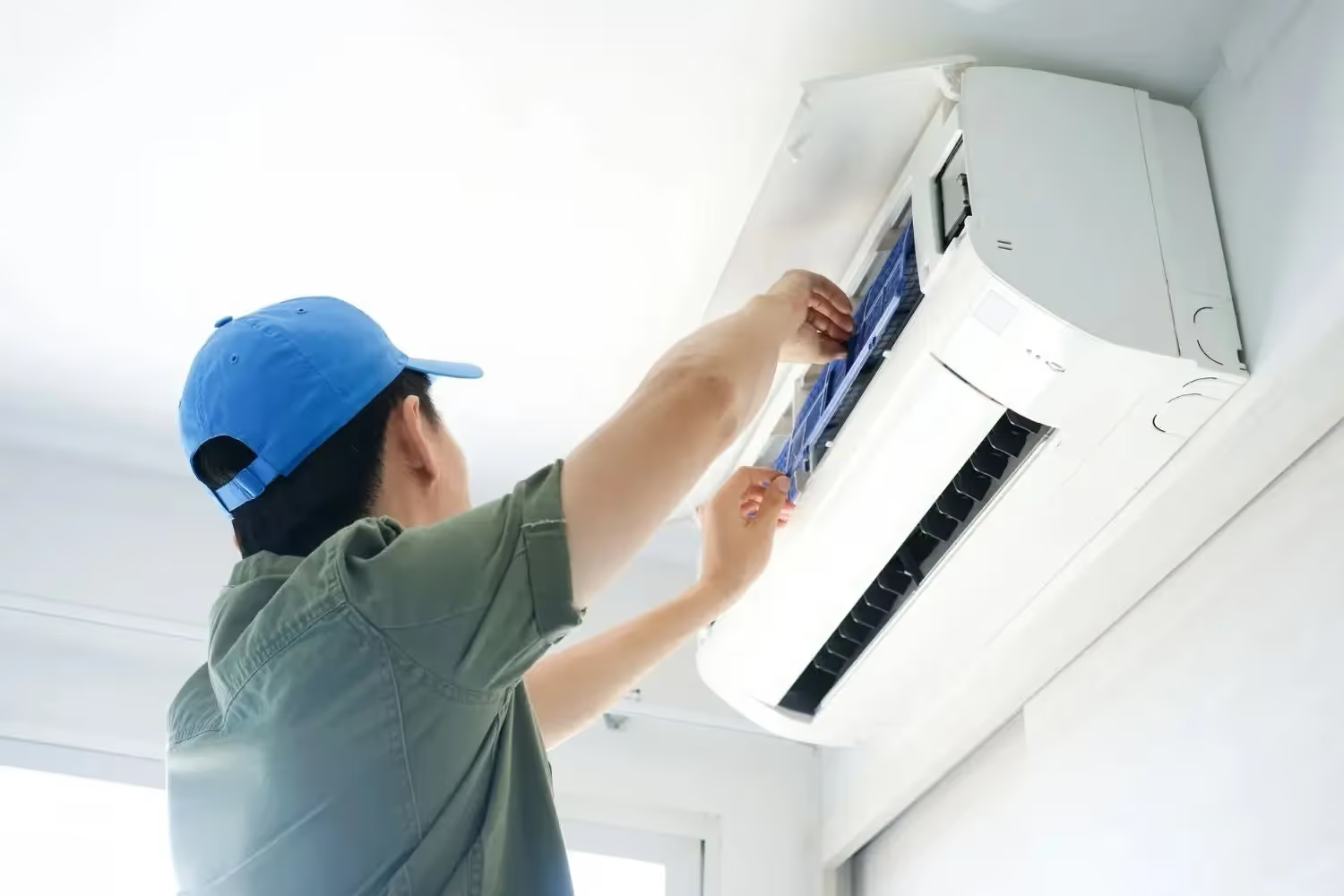
The technician begins by placing protective coverings over furniture and flooring beneath the indoor unit. A specialized “bib” or wash bag is installed around the wall-mounted unit to catch water and cleaning solutions during the deep clean process.
System Disassembly
To access the critical components, we remove the front casing, louvers, and filters. This allows direct access to the coil and blower wheel which are often missed during amateur cleaning attempts.
Pressurized Cleaning
Using a low-pressure wash system designed specifically for mini splits, we rinse the coils and fan wheel. The water and debris flow into the attached bib and are drained away into a bucket, keeping your walls and floors dry.
Outdoor Unit Service
Attention then shifts to the outdoor condenser. We clear debris from the housing, clean the condenser coil to lower head pressure, and inspect the fan motor. This step is vital for heat rejection efficiency.
Reassembly and Testing
Once cleaned and dried, the unit is reassembled. We then run the system in both cooling and heating modes (season permitting) to verify that the louvers move correctly, the temperature delta is accurate, and the system communicates properly.
Final Report
You receive a detailed summary of the work performed, along with notes on any potential issues that may require attention in the future, such as aging capacitors or worn bearings.
When Replacement Beats Repair
Deciding between maintaining an aging unit, repairing a broken one, or opting for a full replacement is a financial calculation based on age, efficiency, and cost — read our FAQs.
The 50% Rule
If the cost of a necessary repair approaches 50% of the value of a new system, replacement is generally the smarter financial move. Major component failures, such as a compressor burnout or a failed inverter board on a unit older than 10 years, often signal that the system has reached the end of its viable life.
Refrigerant Type
Older mini splits may utilize R-22 refrigerant, which has been phased out and is prohibitively expensive to restock. If your older unit has a refrigerant leak, upgrading to a modern system using R-410A or newer refrigerants provides immediate efficiency gains and warranty protection.
Frequent Breakdowns
If you have required multiple service calls in the last two years for different issues, the unit is likely suffering from systemic wear. Continuing to patch a failing system is often more expensive annually than the monthly cost of financing a new, high-efficiency unit.
Efficiency Degradation
Even with maintenance, mechanical wear eventually reduces efficiency. If your energy bills have been steadily climbing despite regular service, the internal components may be worn beyond the point where maintenance can restore original performance. New units offer higher SEER ratings that can significantly offset the installation cost through utility savings.
Local Maintenance Considerations
Operating a mini split in this region presents specific challenges due to the humid subtropical climate. The weather patterns here directly influence how frequently maintenance is needed and what components are most at risk.
Humidity and Biological Growth
The high humidity levels common in the area create the perfect breeding ground for mold inside the indoor air handler. When the unit runs in cooling mode, it pulls moisture from the air. If the unit is turned off immediately without a “dry” cycle, moisture sits on the coil and fan. Local homeowners must be vigilant about blower wheel cleaning to prevent mold spores from circulating in the home.
Switching Between Seasons
Because our winters can bring freezing temperatures and our summers are hot, your mini split works year-round. Unlike a furnace that rests in summer, a heat pump mini split sees constant duty. This double workload means that annual maintenance is the absolute minimum; semi-annual checks (spring and fall) are recommended to ensure the reversing valve shifts correctly and the outdoor unit remains clear of leaves and snow.
Pollen and Filtration
During spring, the pollen count can be significant. Mini split filters are smaller than central air filters and clog faster. A clogged filter restricts airflow, which can cause the indoor coil to freeze up. Regular professional cleaning clears the deep-seated debris that standard homeowner filter washing cannot reach.
Why Professional Maintenance is Critical
While cleaning the dust filters is a task homeowners can and should do monthly, professional maintenance goes far deeper. Manufacturers of ductless systems, including major brands like Mitsubishi, Daikin, and Fujitsu, often require proof of professional maintenance to keep warranties valid.
Protecting the Inverter Board
The inverter board is the brain of your mini split, converting AC power to DC to modulate the compressor speed. This component generates heat and relies on clean heat sinks to stay cool. Dust buildup on the outdoor unit’s electronic compartment can cause the board to overheat and fail. Professional maintenance includes cleaning these electronic compartments to protect this expensive component.
Proper Drainage Assurance
A vacuum or shop vac cannot always clear the gelatinous algae that forms in drain lines. Professionals use specific chemical treatments and pressurized clearing tools to ensure the entire length of the drain line is clear. This prevents the common issue of water damaging the wall behind the indoor unit.
Torque Specifications
Electrical connections loosen over time due to thermal expansion and contraction. A professional technician uses torque drivers to ensure every electrical connection is tightened to the manufacturer’s exact specifications, preventing arcing and fire hazards.
System Longevity
Data consistently shows that mini splits receiving professional maintenance last significantly longer than those that are neglected. The difference between a unit lasting 12 years versus 20 years often comes down to how clean the coils were kept and how well the refrigerant levels were monitored. Carter Heating and Cooling utilizes industry-leading tools and cleaning agents specifically formulated for mini split systems. We ensure that your system operates at peak performance, handling the local climate demands with ease.
Secure Your System’s Performance
Your mini split represents a significant investment in your home’s comfort and energy efficiency. Allowing it to run without inspection invites efficiency losses, air quality issues, and premature failure. A scheduled maintenance visit ensures that every component, from the blower wheel to the outdoor compressor, is functioning correctly. Don’t wait for a breakdown to think about the health of your heating and cooling system. Proactive care prevents emergency calls and keeps your energy consumption low. Contact Carter Heating and Cooling today to schedule your mini split maintenance service.

Great Service at a Fair Price
Veterans Discount


Senior Discount

Law Enforcement

Fire fighters/ems

Hear From Your Neighbors!
Hear from your neighbors to see how our commitment to dependable service and lasting comfort has made a difference in their homes.