
How can we help today?
Choose an option to see quick actions and get help faster.Air Conditioning Inspection in Russellville, KY
Air Conditioning Inspection in Russellville, KY
Beat the Russellville heat with our meticulous AC inspection services. Schedule today for same-day service and ensure your air conditioner is ready for the summer.
Don't wait for the heat to rise before ensuring your air conditioner is up to the task. Schedule an inspection today to avoid last-minute emergencies by contacting our team for immediate scheduling or financing options. Residents in Russellville, KY know that humidity and heat can spike rapidly, making a functional cooling system a necessity rather than a luxury. Our detailed inspection process identifies potential failure points before they leave you sweating in your own home.
- Get same-day service — no waiting necessary.
- Experienced technicians ensure comprehensive checks and efficient problem resolution.
- 24/7 availability for all your urgent HVAC needs.
Fully licensed and compliant with Kentucky HVAC service standards for your peace of mind.
What's Included in Your Air Conditioning Inspection?
A professional air conditioning inspection goes far beyond a simple filter change. It involves a rigorous analysis of the mechanical, electrical, and thermodynamic functions of your cooling system. When technicians arrive at your property, they execute a multi-point checklist designed to restore factory specifications and maximize energy efficiency. This service is designed to uncover hidden issues that typically lead to mid-summer breakdowns.
Electrical Component Analysis
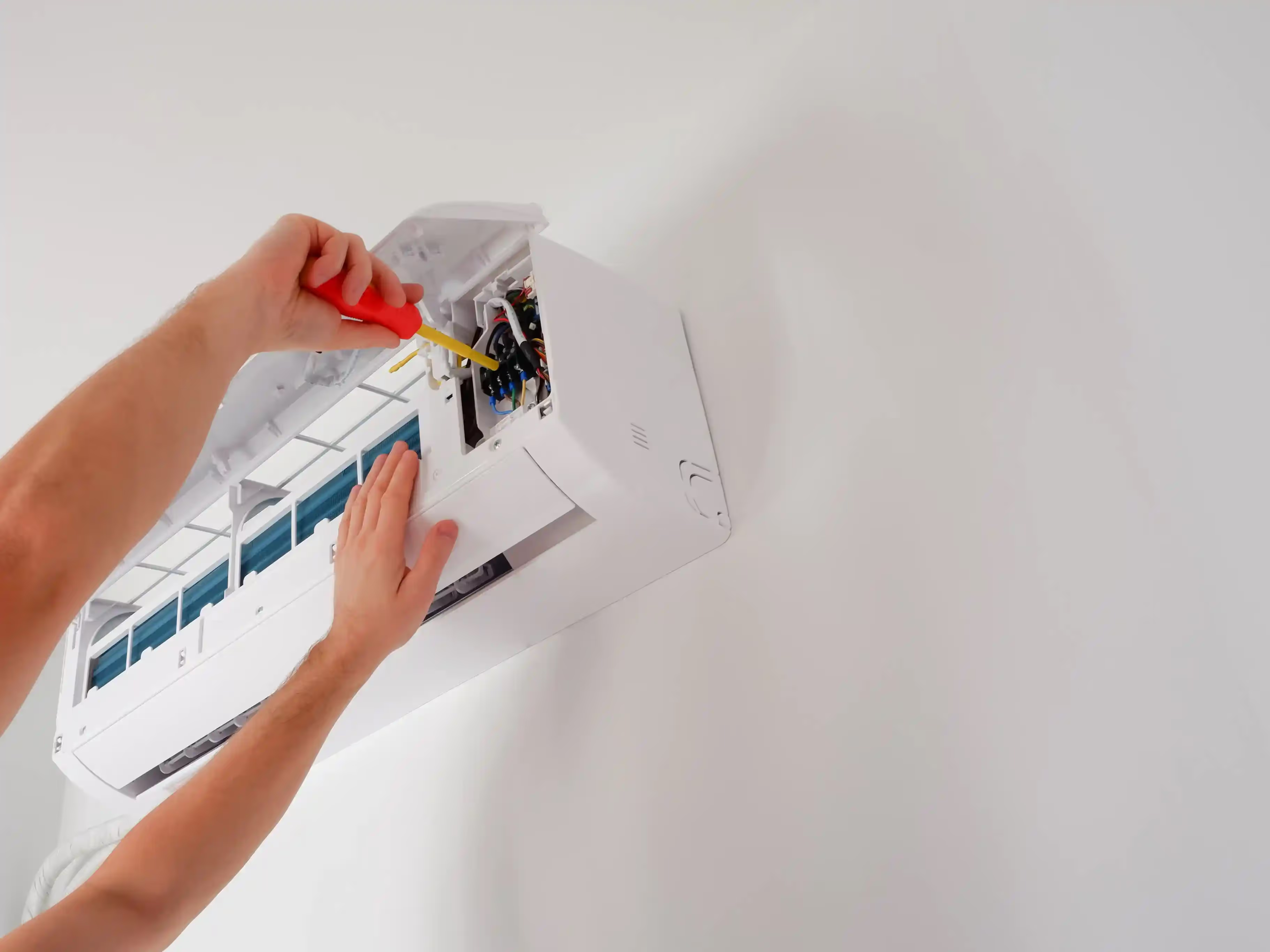
The electrical system is the brain and nervous system of your AC unit. Loose connections or worn components create fire hazards and cause intermittent failures. The inspection includes:
- Tightening of all electrical connections to prevent voltage drops and overheating.
- Measuring voltage and amperage on all motors to ensure they are drawing the correct amount of power.
- Testing the capacitor, a common failure point, to ensure it can successfully start the compressor and fan motors.
- Inspecting the contactor for pitting or burning, which can lead to the compressor running continuously or not at all.
Refrigerant and Airflow Evaluation
Proper airflow and refrigerant levels are critical for the heat exchange process. If these are off, the system works harder to cool the home, driving up utility bills.
- Technicians measure superheat and subcooling levels to verify the refrigerant charge matches manufacturer specifications.
- Assessment of the blower motor and wheel to ensure air is moving efficiently through the ductwork.
- Inspection of the air filter and advice on the correct MERV rating for your specific system setup.
- Checking for restrictions in the ductwork that might impede airflow to specific rooms.
Coil and Condenser Maintenance
The coils are where the heat transfer actually happens. Dirty coils reduce the system’s ability to absorb and release heat.
- Inspection of the evaporator coil for dust buildup or biological growth that restricts airflow.
- Cleaning of the condenser coil to remove dirt, grass clippings, and debris that act as insulation and cause the compressor to overheat.
- Clearing the condensate drain line to prevent water backups that can trigger safety switches or cause water damage to the home.
- Checking the thermostat calibration to ensure the temperature reading is accurate and the system cycles properly.
Understanding Our Inspection Process: What to Expect
We believe in a transparent, systematic approach to service. When you book an appointment with Carter Heating and Cooling, you are engaging a process refined for efficiency and accuracy. We respect your time and property, ensuring that the inspection causes minimal disruption to your daily routine while providing maximum insight into your system's health.
- First, the technician conducts a preliminary interview with the homeowner. This step allows us to understand any specific concerns you have noticed, such as strange noises, inconsistent cooling, or recent spikes in energy bills. This context helps guide the diagnostic focus.
- Next, the technician performs a complete visual and mechanical audit of the outdoor condenser unit. This involves removing protective panels to access internal components, checking the fan blade for balance, and inspecting the compressor for signs of wear or oil leaks.
- Then, the focus shifts to the indoor unit, typically located in a mechanical closet, attic, or basement. The technician evaluates the air handler, inspects the evaporator coil, checks the blower assembly, and verifies that the condensate drainage system is flowing freely.
- Following the physical inspection, the system is run through a complete cooling cycle. This "stress test" allows the technician to observe the system under load, measuring temperature splits between supply and return air to calculate cooling capacity.
- Finally, you receive a detailed status report. This document outlines the current condition of your system, highlights any immediate repairs needed, and provides a forecasted timeline for the lifespan of your unit. If repairs are necessary, you are presented with clear options and costs before any further work begins.
Assessing Your AC: Repair vs. Replacement Guidelines
Deciding whether to repair an aging air conditioner or invest in a modern, energy-efficient replacement is a financial calculation that requires accurate data. While inspections often result in minor tune-ups, they can also reveal major component failures. Understanding when to stop pouring money into an old system is key to long-term savings.
- The 50% Rule: A general guideline used in the industry is the 50% rule. If the cost of the necessary repair approaches 50% of the value of a new system, replacement is generally the wiser financial choice. For example, if a compressor fails on a unit that is out of warranty, the labor and parts cost is significant. Investing that capital into a new unit with a 10-year warranty often yields a better return on investment than fixing a depreciating asset.
- Age and Refrigerant Type: The age of the system is the primary driver of this decision. In Russellville, where AC units run heavily during the summer, the average lifespan is typically between 10 to 15 years.
- If your system is over 10 years old and requires a major repair, replacement is strongly recommended due to efficiency losses and the likelihood of future breakdowns.
- Older systems often utilize R-22 refrigerant (Freon), which has been phased out. Repairs involving R-22 are prohibitively expensive due to scarcity. If your system leaks R-22, upgrading to a system that uses R-410A or newer refrigerants is the only viable long-term solution.
- Frequency of Breakdowns: If you find yourself calling for service multiple times a season, the system is signaling the end of its service life. "Nickel and diming" repairs—a contactor here, a fan motor there—adds up quickly. A new system eliminates these recurring costs and provides reliability during the hottest weeks of the year.
- Energy Efficiency Ratings (SEER): Modern air conditioners are significantly more efficient than those manufactured a decade ago. Seasonal Energy Efficiency Ratio (SEER) standards have increased. Replacing a 10 SEER unit with a modern 16+ SEER unit can reduce cooling costs by 30% to 50%. If your current utility bills are skyrocketing despite moderate usage, the inefficiency of the old unit is likely the culprit.
Local Climate and Regulation Considerations in Russellville
Operating an air conditioning system in Russellville, KY requires specific attention to local climate factors and regulatory standards. The humid subtropical climate presents unique challenges that generic advice often overlooks. High humidity levels mean your AC unit must work double-duty: it must cool the air and dehumidify it. If a system is short-cycling or oversized, it will cool the room quickly but fail to remove moisture, leaving your home feeling clammy and promoting mold growth.
- Humidity Management: Inspections in this region focus heavily on the condensate removal system. With average annual precipitation around 48 inches and high summer humidity, your AC pulls gallons of water out of the air daily. Drain lines must be clear, properly pitched, and equipped with safety float switches to prevent overflow. Technicians also check that the blower speed is set correctly to allow sufficient dwell time over the coils for effective dehumidification.
- Severe Weather Impact: Russellville is prone to thunderstorms and occasional severe weather. Power surges and lightning strikes can damage sensitive electronic control boards and compressor windings.
- We inspect the disconnect box and recommend surge protection devices to shield your equipment from grid fluctuations.
- Physical debris from storms, such as leaves and branches, can clog outdoor units. Local inspections prioritize cleaning the condenser to ensure adequate airflow after storm seasons.
- Permits and Codes: When inspections reveal the need for major repairs or system replacement, compliance with Kentucky building codes is non-negotiable.
- Modifications to the refrigerant circuit or electrical supply require adherence to state safety codes.
- Proper handling and recovery of refrigerant are federally mandated by the EPA.
- Local licensed contractors ensure that all work meets the requirements for safety and efficiency, protecting your home’s value and your insurance coverage.
Why Choose Us? Our Commitments and Qualifications Explained
Selecting a service provider for your HVAC needs is a decision based on trust and technical capability. We operate with a focus on precision, speed, and adherence to industry standards. Our goal is to ensure your cooling system operates reliably throughout the season, minimizing downtime and maximizing comfort.
- Technical Expertise and Licensing: Our team is composed of trained professionals who understand the complexities of modern HVAC systems. We maintain strict adherence to Kentucky state licensing requirements, ensuring that every technician on site is qualified to diagnose and repair high-voltage electrical systems and pressurized refrigerant circuits. Continuous training ensures we stay ahead of new technologies and changing energy regulations.
- Transparent Diagnostics: We do not believe in guesswork. Every recommendation we make is backed by diagnostic data. Whether it is a reading from a multimeter or a pressure gauge, we show you exactly what is wrong and explain the science behind the solution. This approach eliminates upselling and focuses strictly on what your system requires to function correctly.
- Operational Integrity: Your home is your sanctuary. We respect your property by using drop cloths, wearing shoe covers, and leaving the workspace cleaner than we found it. From the moment you schedule your inspection to the final system check, our process is streamlined to provide immediate results without unnecessary delays.
Secure your comfort and protect your investment by ensuring your air conditioning system is inspected by professionals.
Contact Carter Heating and Cooling today to schedule your comprehensive AC inspection.
Schedule Your AC Inspection With Confidence Today
Preventing an air conditioning failure is always easier—and far less costly—than dealing with an emergency in the middle of a Russellville heatwave. A professional inspection gives you clarity, protects your system’s efficiency, and helps you avoid surprise breakdowns when humidity and temperatures spike without warning. With thorough diagnostics, licensed expertise, and a commitment to transparency, Carter Heating and Cooling ensures your cooling system is ready to perform when you need it most. Don’t leave your comfort to chance—contact us today to schedule your comprehensive AC inspection with Carter Heating and Cooling and enjoy peace of mind knowing your home is prepared for the season ahead.

Great Service at a Fair Price
Veterans Discount


Senior Discount

Law Enforcement

Fire fighters/ems

Hear From Your Neighbors!
Hear from your neighbors to see how our commitment to dependable service and lasting comfort has made a difference in their homes.