
How can we help today?
Choose an option to see quick actions and get help faster.Mini Split Inspection in Woodburn, KY
Mini Split Inspection in Woodburn, KY
Struggling with a malfunctioning mini split in Woodburn? Schedule a professional inspection today to diagnose and swiftly address HVAC issues. Ensure your system's efficiency with our expert technicians.
Eliminate Mini Split Inefficiencies with Expert Inspection Services
Find yourself wrestling with HVAC inefficiencies or a malfunctioning mini split system? An expert inspection can diagnose and address the root of your problem swiftly. If your system is failing to keep up with the Woodburn heat or making unusual noises, contact us immediately to schedule a comprehensive diagnostic visit.
Ignoring minor performance dips often leads to major component failures and costly emergency repairs down the line. A professional assessment identifies exactly why your unit is underperforming, whether it is a refrigerant leak, electrical fault, or sensor malfunction. Carter Heating and Cooling ensures that your ductless system returns to peak operation quickly.
- Quick and accurate diagnosis of your HVAC issue.
- Same-day service available to ensure minimal disruption.
- Comprehensive inspections by certified technicians.
All services come with industry-standard warranties and are performed by fully licensed professionals.
What to Expect from Your Inspection: Scope, Processes, and Timelines
When you schedule a professional mini split inspection, the goal is to uncover hidden issues that threaten the longevity of your equipment. A proper inspection goes far beyond a simple visual check; it involves a deep dive into the mechanical and electrical integrity of the system. In Woodburn, where high humidity and fluctuating temperatures put significant stress on HVAC equipment, these inspections are critical for maintaining efficiency.
The scope of a professional inspection includes a thorough evaluation of both the indoor air handling unit and the outdoor compressor. Technicians utilize specialized diagnostic tools to measure performance against manufacturer specifications. This process is designed to be efficient, typically taking between one to two hours depending on the number of zones in your home. The objective is to provide you with a clear, data-backed report on the health of your system, allowing you to make informed decisions about repairs or maintenance.
Detailed Component Analysis
- Refrigerant Charge Verification: Technicians connect gauges to the system to measure operating pressures. Incorrect refrigerant levels, whether too low due to leaks or too high due to improper installation, severely impact cooling capacity and can damage the compressor.
- Electrical System Audit: Loose connections, worn wiring, and failing capacitors are common culprits for system breakdowns. The inspection includes tightening all electrical connections and measuring voltage and amperage to ensure components are drawing the correct amount of power.
- Airflow and Filtration Assessment: Restricted airflow kills efficiency. The inspection verifies that the blower wheel is clean and balanced, and that filters are not obstructed. In ductless systems, dust buildup on the blower wheel can significantly reduce air volume and cause noise.
- Coil Condition Check: Both the evaporator coil (indoor) and condenser coil (outdoor) are inspected for dirt, debris, and physical damage. Dirty coils struggle to transfer heat, causing the system to run longer and drive up energy bills.
- Condensate Drain Evaluation: Given the local humidity, ensuring the drainage system works is vital. Technicians check the drain line and condensate pump for blockages, algae growth, or leaks that could cause water damage to your interior walls.
Step-by-Step Guide to Your Mini Split Inspection
Understanding the workflow of an inspection helps you prepare for the service visit. The process is methodical, moving from the interior of the home to the exterior unit, ensuring no component is overlooked.
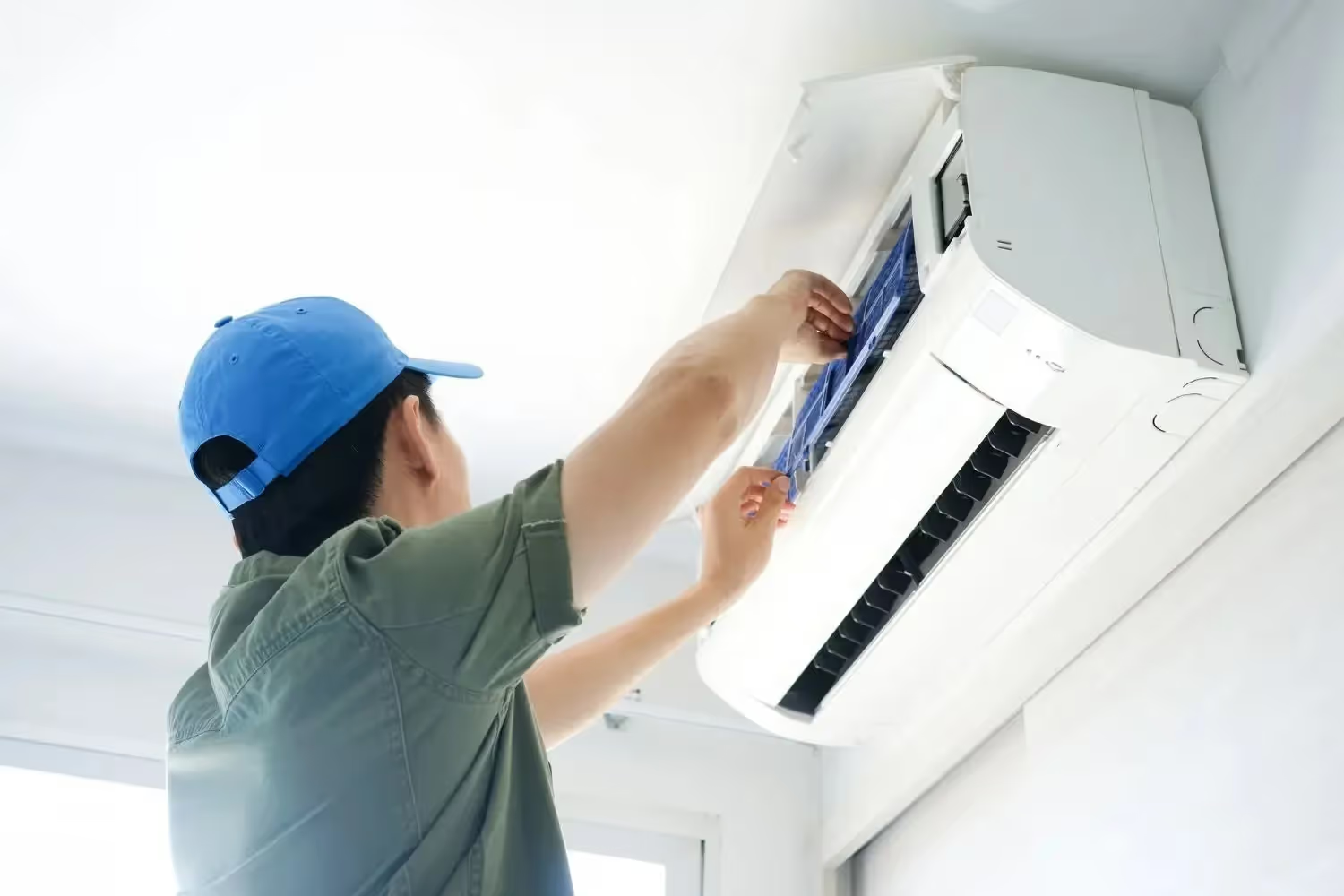
- Initial System Operation: The technician begins by operating the system in both cooling and heating modes (if applicable). This "test drive" allows them to listen for abnormal sounds like grinding, rattling, or hissing, and to check for immediate error codes displayed on the unit or thermostat.
- Indoor Unit Disassembly and cleaning: The front casing of the indoor wall unit is carefully removed to access the filters and coils. The technician inspects the condition of the filters and checks the evaporator coil for signs of freezing or corrosion.
- Electrical Safety Testing: Using a multimeter, the technician tests the control board and terminal block. This step ensures that the communication signals between the indoor and outdoor units are functioning correctly, which is essential for the variable speed operation of a mini split.
- Outdoor Unit Inspection: The focus shifts to the exterior condenser. The technician removes debris such as leaves or grass clippings from the housing to ensure proper airflow. They inspect the fan blade for cracks and balance issues.
- Performance Stress Test: With gauges attached, the system is run at maximum capacity to observe how the compressor responds under load. This helps identify weak components that may fail during the hottest days of the year.
- Final Reporting: Once the physical inspection is complete, the technician compiles the findings. You receive a detailed explanation of any issues found, along with prioritized recommendations for repair or maintenance.
Deciding Between Repair and Replacement: A Practical Guide
A key outcome of an inspection is determining whether the current system is worth saving. While mini splits are durable, they do not last forever. Making the decision to repair or replace requires analyzing the age of the unit, the cost of the necessary repairs, and the system's recent performance history. Carter Heating and Cooling provides honest assessments to help you navigate this financial decision.
The Age Factor
Most mini split systems have a lifespan of 15 to 20 years with proper maintenance. If your unit is approaching the 15-year mark and requires a significant repair, such as a compressor replacement or a new control board, investing in a new system is often the more prudent financial choice. Newer models offer higher SEER ratings, which translate to immediate monthly energy savings.
The Cost of Repair vs. System Value
A common industry standard used during decision-making is the "50% Rule." If the cost of the repair approaches or exceeds 50% of the value of the system (or the cost of a new unit), replacement is generally recommended. Putting half the cost of a new machine into an old machine that may break down again in six months is rarely a good investment — apply for financing online.
Frequency of Breakdowns
If you find yourself calling for service multiple times a year, the system has likely become a "money pit." Recurring issues indicate that the internal components are wearing out collectively. In this scenario, replacement eliminates the stress of unexpected failures and provides the peace of mind that comes with a new manufacturer's warranty.
Refrigerant Type
Older systems may utilize R-22 refrigerant, which has been phased out and is incredibly expensive to source. If your older unit has a refrigerant leak and uses R-22, replacement is almost always the only viable option. Modern systems use R-410A or newer alternatives that are more environmentally friendly and affordable to service.
Local Climate Insights and Permit Guidelines for HVAC Work in Woodburn
The specific climate conditions in Woodburn, KY, directly influence the wear and tear on mini split systems. The region enjoys a humid subtropical climate, which means four distinct seasons but specifically a hot, humid summer where temperatures frequently reach into the 90s°F. This intense heat paired with high humidity forces air conditioning systems to work double-time: they must cool the air and dehumidify it simultaneously.
Impact of Humidity on Mini Splits
With annual precipitation averaging around 50 inches, moisture management is a critical aspect of HVAC inspections in this area. High humidity encourages the growth of mold and algae in the condensate drain lines of mini split systems. If these lines are not inspected and cleaned regularly, they can clog, leading to water backing up and damaging drywall or flooring. Furthermore, the outdoor units are subjected to heavy rain and potential flooding in low-lying areas, making inspections of the mounting stability and electrical grounding essential.
Permit and Regulation Awareness
When an inspection reveals the need for major repairs or a full system replacement, local regulations come into play. In Woodburn and the surrounding Warren County area, specific HVAC work may require permits to ensure compliance with safety codes. This is particularly true for jobs involving refrigerant handling, electrical circuit modifications, or new system installations.
- Electrical Compliance: Any repair involving the main electrical disconnect or running new wiring typically requires adherence to the National Electrical Code (NEC) as adopted by local authorities.
- Refrigerant Handling: Technicians must hold EPA Section 608 certification to legally handle and dispose of refrigerants. This ensures that repairs do not result in environmental harm or legal penalties for the homeowner.
- Structural Considerations: For new installations or moving existing units, verification of structural integrity for wall-mounted units is part of the code compliance process to prevent safety hazards.
Why Choose Us? Local Experience and Customer Satisfaction
Selecting the right provider for your mini split inspection ensures the longevity and efficiency of your investment. You need a team that understands the specific challenges posed by the local weather patterns and possesses the technical expertise to troubleshoot complex ductless technology — read our reviews.
- Deep Technical Expertise: Mini splits rely on sophisticated inverter technology and complex electronics. Our technicians undergo specific training for these systems, ensuring they can diagnose communication errors and sensor faults that general HVAC mechanics might miss.
- Local Licensing and Compliance: Operating strictly within local codes protects your home and your warranty. We maintain all necessary licenses and insurance, providing you with liability protection during every service visit.
- Transparent Communication: You receive clear explanations of what is wrong and what is needed. There are no hidden fees or surprise charges; every recommendation is backed by the data gathered during the inspection.
- Respect for Your Home: Technicians use drop cloths and shoe covers to ensure your home remains clean. We treat your property with care, leaving the workspace exactly as we found it.
For homeowners in Woodburn, maintaining a comfortable indoor environment requires a proactive approach to HVAC care. Don't wait for a complete system failure during the peak of summer heat. Secure the performance of your mini split and extend its operational lifespan with a professional inspection.
Ready to restore your system’s efficiency? Contact Carter Heating and Cooling today to schedule your expert mini split inspection.

Great Service at a Fair Price
Veterans Discount


Senior Discount

Law Enforcement

Fire fighters/ems

Hear From Your Neighbors!
Hear from your neighbors to see how our commitment to dependable service and lasting comfort has made a difference in their homes.