
How can we help today?
Choose an option to see quick actions and get help faster.Heating Inspection in Woodburn, KY
Heating Inspection in Woodburn, KY
Heating Inspection in Woodburn, KY
Is Your Heating System Ready for the Next Cold Snap?
When your heater acts unpredictably or fails to reach the set temperature, the comfort and safety of your home are immediately at risk. Ignoring minor fluctuations in performance often leads to critical system failures right when the weather in Woodburn turns freezing. Don’t let a minor problem turn into a major headache—secure your home's warmth by contacting us to schedule a professional inspection today.
Homeowners need reliable heating solutions that address immediate concerns without unnecessary delays. Our comprehensive heating inspection services are designed to identify root causes, improve efficiency, and prevent costly emergency breakdowns.
- Same-day service availability to quickly resolve your heating concerns.
- Expert technicians conduct deep-dive diagnostics to ensure system longevity.
- Transparent reporting and pricing with zero hidden fees.
Backed by certified expertise and comprehensive warranties, we provide the peace of mind you need this winter.
Comprehensive Diagnostics: What a Heating Inspection Includes
A professional heating inspection goes far beyond a quick visual check. It is a systematic evaluation of the entire heating envelope, designed to uncover safety hazards, efficiency losses, and mechanical wear that a homeowner might miss. When you schedule service with Carter Heating and Cooling, the focus is on thoroughly testing every component that contributes to the generation and distribution of heat.
Safety and Combustion Analysis
The primary goal of any heating inspection is ensuring the safety of the household. Gas and oil furnaces involve combustion processes that must be precisely calibrated.
- Heat Exchanger Evaluation: Technicians inspect the heat exchanger for cracks or fissures. A compromised heat exchanger is a critical safety issue as it can allow carbon monoxide to leak into the living space.
- Gas Pressure Calibration: The gas valve is tested to ensure it is delivering fuel at the manufacturer-specified pressure. Incorrect pressure can lead to soot buildup, inefficient burning, or overheating.
- Ventilation and Flue Draft: The exhaust system is checked to ensure that hazardous combustion gases are venting properly to the outside and not backdrafting into the home.
- Ignition System Testing: Whether your system uses a pilot light, hot surface igniter, or spark ignition, the mechanism is tested for reliability and proper timing.
Electrical and Mechanical Integrity
Modern heating systems rely heavily on complex electrical circuits and moving mechanical parts.
- Blower Motor Performance: The motor is tested for amp draw and capacitor strength. An overworking motor is a sign of impending failure or severe airflow restriction.
- Thermostat Calibration: The interface between your thermostat and the furnace is tested to ensure accurate temperature readings and proper cycling.
- Safety Switch Operation: Limit switches, rollout switches, and pressure switches are manually tested to verify they will shut the system down in the event of an emergency.
- Electrical Connections: All wiring is inspected for signs of corrosion, fraying, or loose connections that could cause intermittent failures or fire hazards.
Airflow and Filtration Assessment
Even a perfectly firing furnace cannot heat a home if the airflow is compromised.
- Filter Analysis: The condition of the air filter is checked. While changing a filter is a maintenance task, assessing the type of filter used ensures it isn't too restrictive for the blower motor.
- Ductwork Inspection: Accessible ductwork is examined for leaks, disconnected joints, or crushed sections that result in heat loss before the air reaches the rooms.
- Static Pressure Testing: Technicians measure the resistance the air encounters as it moves through the system. High static pressure significantly reduces efficiency and shortens component life.
The Inspection Process: Step-by-Step
Understanding the workflow of a heating inspection helps homeowners prepare for the visit and understand the value provided. We follow a rigorous protocol to ensure no stone is left unturned.
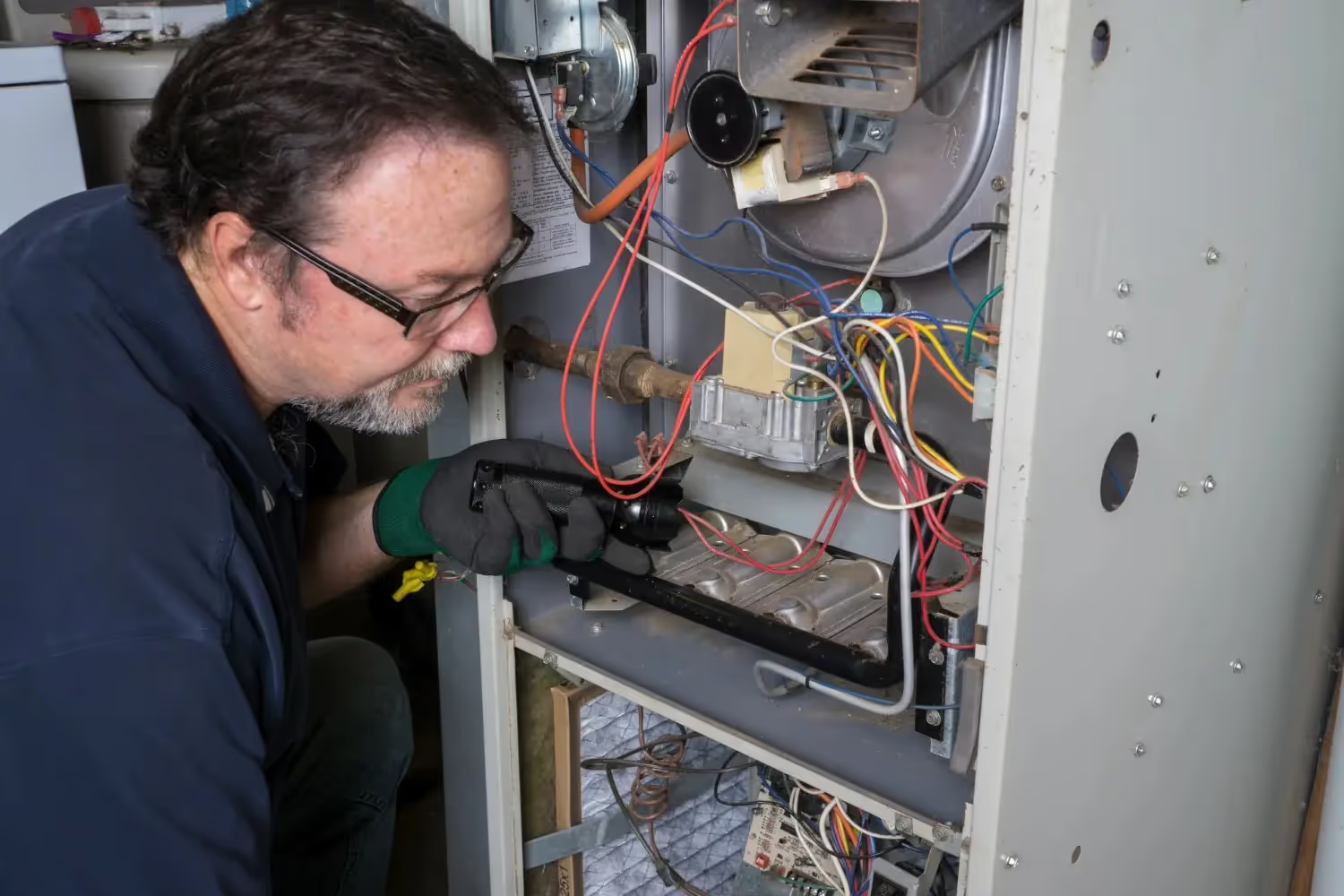
- Initial Consultation and Operation Check: The process begins with the technician discussing any specific concerns you have noticed, such as strange noises, cold spots in the house, or rising utility bills. The system is then turned on to observe its startup cycle, listening for irregular sounds and watching for delayed ignition.
- System Deactivation and Internal Access: Power and fuel are safely shut off to allow the technician to open the service panels. This provides access to the internal components where the bulk of the inspection takes place.
- Component Cleaning and Testing: Critical sensors, such as the flame sensor, are cleaned to prevent false shut-offs. The blower wheel is inspected for dust buildup. Electrical components are measured using multimeters to ensure they are operating within factory specifications.
- Active Cycle Monitoring: After internal checks, the system is reactivated. The technician uses combustion analyzers and temperature probes to measure the temperature rise—the difference between the air entering the furnace and the air leaving it. This metric confirms if the unit is producing the correct amount of heat.
- Detailed Reporting: Finally, the technician compiles all data points into a clear report. This document outlines the current health of the system, highlights immediate repair needs, and suggests preventative measures. You receive a breakdown of exactly what was tested and the results of those tests — read our reviews.
Repair vs. Replace: Making Decisions Based on Inspection Results
A heating inspection often serves as the deciding factor between investing in repairs or opting for a system replacement. The data gathered during the inspection moves the decision from a guess to a calculated financial choice.
When Repair is the Logical Choice
If the inspection reveals that the core components are sound and the system is relatively young, repair is usually the best path.
- Minor Component Failure: If the issue is isolated to a single part, such as a capacitor, igniter, or pressure switch, replacement is cost-effective.
- Under 10 Years Old: Systems in Woodburn that are under a decade old generally have plenty of service life remaining, justifying the cost of repairs.
- Warranty Coverage: If the unit or specific parts are still under manufacturer warranty, the cost to the homeowner is significantly reduced, making repair the obvious choice.
When Replacement is Recommended
There are scenarios where an inspection reveals that putting money into the current unit is not economically sound.
- Cracked Heat Exchanger: As mentioned, this is a severe safety risk. In older units, the cost to replace the heat exchanger often rivals the cost of a new furnace.
- The 50% Rule: If the cost of the necessary repair approaches 50% of the cost of a new system, replacement is generally recommended to avoid "throwing good money after bad" — apply for financing.
- Frequent Breakdowns: If the inspection history shows a pattern of recurring failures, a new system offers reliability and warranty protection that the old unit cannot.
- Efficiency Gap: Older units may operate at 60-70% AFUE (Annual Fuel Utilization Efficiency), while modern units can reach 95%+. The inspection may highlight that monthly savings from a new unit could offset the installation cost over time.
Local Factors Impacting Heating Systems in Woodburn
Operating a heating system in Woodburn, KY, presents specific challenges due to the regional climate and environmental factors. An inspection must account for these local variables to ensure the system is tuned correctly for the season.
Managing Humidity and Rust
The humid subtropical climate means that moisture is a year-round factor. During the summer, high humidity levels can lead to condensation issues within the HVAC system if not properly managed. This moisture can accelerate rust and corrosion on the heat exchanger and electrical contacts. An inspection pays close attention to signs of oxidation that are common in this region, preventing premature failure of metal components.
The "Mild Winter" Myth
While winters here are generally milder than in northern states, the region is subject to sudden, sharp cold snaps. Systems that run infrequently during mild weeks may seize or fail when suddenly pushed to maximum capacity during a freeze. Regular inspections ensure that the system is ready to ramp up performance instantly when the temperature drops, preventing the discomfort of a breakdown during the coldest nights of the year.
Utility Considerations and Codes
Local building codes and utility requirements evolve. An inspection verifies that the installation remains compliant with current safety standards regarding venting and gas piping. Furthermore, technicians can advise on local rebate programs offered by utility companies for high-efficiency upgrades, should the inspection reveal that replacement is necessary.
Why Professional Diagnostics Are Essential
Attempting to diagnose heating issues without professional training can be dangerous and often leads to misdiagnosis. Modern high-efficiency systems utilize complex logic boards and proprietary algorithms that require specialized diagnostic tools to interpret.
Precision Tools vs. Guesswork
Professional technicians utilize manometers to measure gas pressure to the inch of water column, and combustion analyzers to detect invisible gases. These tools provide definitive data that a visual check cannot. This precision eliminates guesswork, ensuring that the solution applied is the correct one for the specific problem.
Identifying "Invisible" Problems
Many heating issues, such as a cracked heat exchanger or a slow refrigerant leak in a heat pump, do not show immediate external symptoms. By the time these problems become obvious to a homeowner, the damage is often catastrophic. Professional diagnostics catch these issues in their early stages, allowing for proactive repairs that are cheaper and less intrusive.
Preserving Manufacturer Warranties
Most heating equipment manufacturers require proof of regular professional maintenance to keep warranties valid. A documented inspection serves as this proof. If a major component fails later, having a record of professional service can be the difference between a covered replacement and an expensive out-of-pocket cost.
Securing Your Home Comfort
A heating system is a complex machine that requires regular attention to operate safely and efficiently. Whether you are noticing strange noises, inconsistent heating, or simply want to ensure your system is ready for the coming season, a professional inspection is the most effective step you can take. It provides a clear picture of your system's health, prioritizes safety, and helps you make informed decisions about repairs or replacement.
Carter Heating and Cooling focuses on delivering thorough, data-driven inspections that give you control over your home’s climate. Don’t wait for the temperature to drop before addressing potential issues.
Ensure your heating system is safe, efficient, and ready for winter by scheduling your inspection with us today.

Great Service at a Fair Price
Veterans Discount


Senior Discount

Law Enforcement

Fire fighters/ems

Hear From Your Neighbors!
Hear from your neighbors to see how our commitment to dependable service and lasting comfort has made a difference in their homes.