
How can we help today?
Choose an option to see quick actions and get help faster.Furnace Inspection in Munfordville, KY
Furnace Inspection in Munfordville, KY
Furnace Inspection in Munfordville, KY
Is Your Furnace Ready for the Winter?
As cold weather approaches, ensuring your furnace is in top condition becomes crucial to staying warm and safe inside your home. Don’t let an unmaintained heater leave you in the cold; contact us to schedule your comprehensive system evaluation today.
- Comprehensive inspections to identify potential failures before they occur.
- Quick repairs and 24/7 emergency services for critical issues.
- Seasonal maintenance plans to extend the life of your unit and improve efficiency.
Licensed and insured, with flexible financing options available to fit your budget needs.
What You Get With a Comprehensive Furnace Inspection
A professional furnace inspection goes far beyond a quick visual check. It is a systematic analysis of your heating system’s performance, safety mechanisms, and energy efficiency. When the temperatures in Munfordville, KY drop into the low 20s, your heating system operates under significant stress. A thorough inspection ensures that every component, from the thermostat to the exhaust vent, is functioning within manufacturer specifications.
The primary goal of this service is safety and reliability. Gas furnaces involve combustion, high voltage electricity, and moving parts. If any of these systems fail or interact improperly, the risks range from a simple breakdown to carbon monoxide leaks. A professional evaluation provides a detailed status report on the health of your system, allowing you to make informed decisions about maintenance or repairs before the peak of winter hits.
Core Components Analyzed
- Heat Exchanger Integrity: Technicians inspect the heat exchanger for cracks or corrosion. This is the most critical safety step, as a compromised heat exchanger can allow carbon monoxide to mix with the air circulating through your home.
- Burner and Ignition Assembly: The burners are cleaned and inspected for proper flame color and alignment. The ignition system, whether it is a pilot light or a hot surface igniter, is tested to ensure reliable startup every time the thermostat calls for heat.
- Blower Motor and Belt Performance: The blower motor is responsible for circulating warm air. The inspection includes checking amperage draw, lubricating bearings if necessary, and inspecting the drive belt for signs of wear, fraying, or improper tension.
- Electrical Connections and Safety Controls: Loose wires can cause intermittent failures or fire hazards. All electrical connections are tightened, and safety controls—such as the high-limit switch and flame sensor—are tested to verify they shut the system down in the event of a malfunction.
- Gas Pressure and Valve Operation: Proper fuel pressure is essential for efficient combustion. Technicians measure gas pressure entering the manifold and verify that the gas valve opens and closes correctly without leaking.
- Flue Pipe and Venting: The exhaust system is checked to ensure dangerous combustion gases are venting safely outside. Blockages, rust, or loose connections in the flue pipe are identified and addressed.
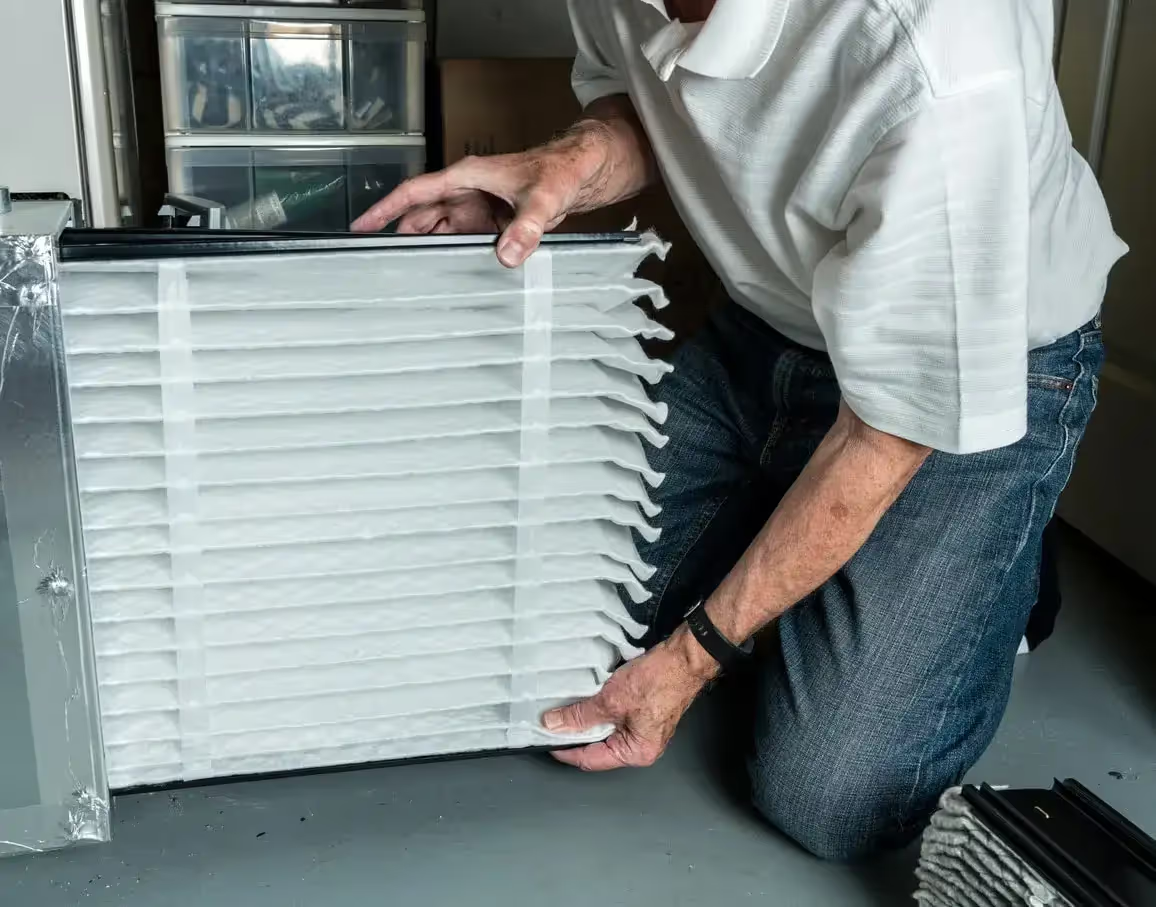
- Air Filter and Airflow: Restricted airflow is a leading cause of furnace overheating and compressor failure in heat pumps. The air filter is checked, and static pressure measurements may be taken to ensure the ductwork is not restricting air movement.
How the Inspection Process Works
The inspection process is designed to be thorough yet efficient, minimizing disruption to your daily routine while maximizing the data gathered about your heating system. The workflow follows a logical sequence that isolates variables and tests the system under load. This structured approach ensures no component is overlooked and that the final assessment is based on real-time performance data.
- Initial Visual Assessment:
- The technician arrives and performs a walk-around of the unit to check for obvious signs of damage, rust, or water leaks.
- The area surrounding the furnace is checked for combustible materials or airflow obstructions that could pose a safety hazard.
- The thermostat is reviewed to ensure it is communicating correctly with the furnace unit.
- System Diagnostics and Testing:
- The furnace is cycled on to observe the startup sequence. The technician listens for unusual noises like banging, screeching, or rattling.
- Diagnostic tools are attached to measure temperature rise (the difference in temperature between the air entering and leaving the furnace) to ensure it falls within the manufacturer’s recommended range.
- Safety switches are manually tripped to verify the system shuts down immediately as designed.
- Cleaning and Adjustment:
- Critical components such as the flame sensor and burners are cleaned to remove soot and oxidation that can hinder performance.
- If the system uses a standard filter, it is inspected and replaced or cleaned depending on the type.
- Gas pressure is adjusted if it deviates from the specifications on the unit's rating plate.
- Final Reporting and Recommendations:
- Once the physical work is complete, the technician compiles a report detailing the condition of each component.
- If any immediate repairs are needed, they are explained clearly with the technical reasoning behind them.
- Options are presented for any proactive replacements of aging parts that may fail during the coming season.
When Replacement Beats Repair
During a furnace inspection, significant issues are sometimes uncovered. While many problems can be resolved with a simple repair, there comes a point where investing in a new system is more improved financially and practically than keeping an old unit on life support. This is particularly true for homeowners in Munfordville who rely heavily on their heating systems during the freezing winter months. Carter Heating and Cooling technicians provide the data you need to make this decision based on facts, not guesswork.
Understanding the lifecycle of a furnace helps in making this determination. Most forced-air gas furnaces last between 15 and 20 years. If your unit is approaching or has exceeded this age range, a major repair bill is often the signal to upgrade. New systems offer higher Annual Fuel Utilization Efficiency (AFUE) ratings, meaning a higher percentage of the fuel you pay for is converted into usable heat for your home.
Key Decision Indicators
- Cracked Heat Exchanger: If the inspection reveals a crack in the heat exchanger, the unit must be shut down immediately due to the risk of carbon monoxide poisoning. Replacing a heat exchanger is extremely expensive and labor-intensive; in almost all cases involving an older unit, full system replacement is the smarter, safer choice.
- Frequency of Breakdowns: If you have required multiple repairs over the last two years, the cost of keeping the unit running is likely exceeding the cost of financing a new, warrantied system. Frequent breakdowns also indicate that internal components are failing in succession.
- Rising Energy Bills: As furnaces age, they lose efficiency due to wear on motors and sediment buildup in the heat exchanger. If your energy usage has spiked despite normal weather patterns, the unit is working harder to produce the same amount of heat. A modern, high-efficiency unit can lower these monthly costs significantly.
- Uneven Heating: If the inspection confirms the furnace is operating, but some rooms remain cold while others are hot, the unit may no longer be capable of generating adequate airflow or static pressure for your duct system.
- Parts Availability: For units older than 20 years, sourcing replacement parts can be difficult and expensive. If a specific control board or motor is obsolete, replacement becomes the only viable option.
Local Notes: Seasonality and Compliance
Operating a heating system in Central Kentucky requires attention to specific regional factors. The climate in this region is classified as humid subtropical, but the winters bring distinct challenges that impact how furnaces must be maintained and inspected. The temperature fluctuations can be drastic, putting thermal stress on metal components within the HVAC system.
Regional Climate Impact
- Humidity and Corrosion: Summers in Munfordville are humid. When a furnace sits idle in a damp basement or crawlspace for months, moisture can accumulate on the burners and heat exchanger. This leads to rust and corrosion, which must be addressed during the fall inspection before the system is fired up for winter.
- Freeze-Thaw Cycles: Winters often see temperatures dip into the 20s and then rise back to the 40s. These fluctuations cause the heat exchanger to expand and contract repeatedly. This thermal fatigue is the primary cause of cracks in the metal, making annual safety checks vital for older homes in the area.
- Snow Accumulation: While heavy snow is not a daily occurrence, occasional accumulation can block intake and exhaust pipes for high-efficiency furnaces that vent through the sidewall. Inspections include verifying that these termination points are high enough above the ground to avoid blockage during a snow event.
Permits and Utilities
- Permit Requirements: In Kentucky, significant alterations to an HVAC system, such as a full replacement following a failed inspection, generally require a permit to ensure compliance with state mechanical codes. While a standard inspection does not require a permit, any resulting major work usually does.
- Gas vs. Electric: Many homes in the region utilize natural gas or propane. Compliance with local utility regulations regarding gas line safety and venting is a standard part of the inspection checklist. For electric furnaces and heat pumps, ensuring the electrical service panel can handle the amperage draw of the resistance heating strips is a key safety check.
- Ventilation Standards: Local codes dictate specific requirements for combustion air. Modern homes are built tighter, meaning the furnace needs a dedicated source of fresh air to burn fuel safely. Inspections verify that renovations or changes to the home haven't inadvertently cut off the furnace's air supply.
Proof and Differentiators
Selecting the right provider for your furnace inspection determines the quality and accuracy of the assessment. A proper inspection is a preventative measure designed to save money and ensure safety, but it requires a technician with the training to spot subtle signs of wear that others might miss. We prioritize technical accuracy and transparent communication, ensuring you understand exactly what is happening with your heating system.
Our approach focuses on data-driven results. Rather than offering vague assessments, we use calibrated tools to measure performance metrics against factory specifications. This objective data allows you to see exactly where your system stands in its lifecycle. We do not incentivize technicians to find non-existent problems; the goal is always to maximize the lifespan of your current equipment whenever safe and feasible.
Why Professional Inspection Matters
- Factory Warranty Preservation: Most furnace manufacturers require proof of annual maintenance to keep the warranty valid. If a major component fails and there is no record of inspection, the manufacturer may deny the claim. We provide the documentation needed to protect your warranty coverage.
- Advanced Diagnostic Tools: We utilize combustion analyzers, digital manometers, and high-resolution multimeters. These tools detect issues that are invisible to the naked eye, such as minute gas leaks or micro-fractures in electrical wiring.
- Safety Training: Our team is trained specifically on the safety protocols regarding carbon monoxide and gas piping. We adhere to strict safety standards to ensure your home remains secure during and after the inspection.
- Respect for Your Home: Technicians arrive on time, use protective shoe covers, and maintain a clean workspace. We treat your property with care and ensure the area around the furnace is left cleaner than we found it.
Ensuring a Warm and Safe Season
The reliability of your heating system is not something to leave to chance. As winter settles in, the peace of mind that comes from knowing your furnace has been professionally inspected and tuned is invaluable. Avoiding the inconvenience of a mid-winter breakdown protects your home from freezing pipes and keeps your family comfortable regardless of the weather outside.
Whether your system requires a simple tune-up, a minor repair, or you are facing the decision to replace an aging unit, professional guidance ensures the best outcome for your home and budget. Carter Heating and Cooling is dedicated to providing the thorough, honest service required to keep your heat running efficiently all season long.
Secure your comfort and safety this winter by scheduling your professional furnace inspection now.

Great Service at a Fair Price
Veterans Discount


Senior Discount

Law Enforcement

Fire fighters/ems

Hear From Your Neighbors!
Hear from your neighbors to see how our commitment to dependable service and lasting comfort has made a difference in their homes.