

How can we help today?
Choose an option to see quick actions and get help faster.Heating Installation in Munfordville, KY
Heating Installation in Munfordville, KY
Heating Installation in Munfordville, KY
Is Your Heating System Failing to Keep Up When Temperatures Drop?
Facing unexpected heating failures or inefficiencies during a freezing winter night can disrupt your comfort drastically and put your home’s plumbing at risk. Whether you are dealing with a furnace that blows cold air, a heat pump that cannot keep up with the dropping mercury, or you are simply looking to upgrade an aging unit before it quits, effective solutions are available. Contact us today to schedule a consultation or discuss flexible financing options for your new system.
Homeowners in Munfordville know that winter lows can easily drop into the mid-20s, making a reliable heating system a necessity rather than a luxury. When a system fails, you need a partner who understands the urgency of the situation and the technical requirements of local building codes.
- Rapid response and assessment to restore your heating and safety fast.
- Clear, upfront pricing with equipment options to suit specific square footage and efficiency goals.
- Expert installation that ensures compliance with Kentucky regulations and maximizes long-term cost savings.
Fully licensed technicians ensure compliance and quality, with flexible financing options available to make your upgrade manageable. Carter Heating and Cooling is dedicated to providing the technical expertise required to keep your home warm through the coldest months of the year.
What to Expect From Modern Heating Installation
Investing in a new heating system is about more than just swapping out a metal box. It is about engineering a solution that matches the thermal dynamics of your specific property. Modern heating technology has advanced significantly over the last decade, offering higher efficiency ratings and smarter control over indoor climate. A professional installation focuses on sizing, efficiency, and airflow to ensure the equipment performs according to manufacturer specifications.
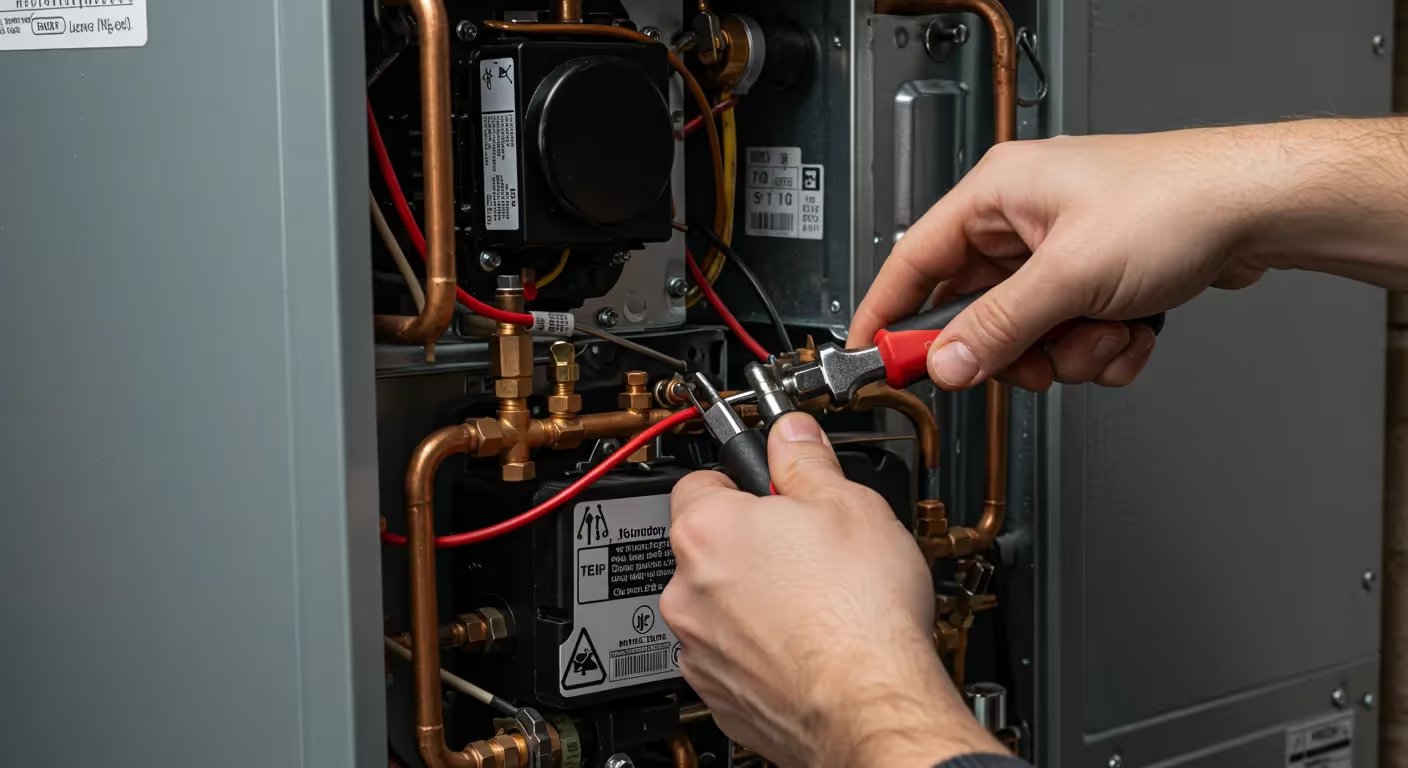
Accurate Sizing and Load Calculation
One of the most critical errors in HVAC installation is improper sizing. A unit that is too large will short-cycle, turning on and off frequently, which causes premature wear and uneven heating. A unit that is too small will run continuously, driving up energy bills without ever reaching the set temperature.
- Technicians perform a Manual J load calculation to determine the exact heating requirements of the home.
- Factors considered include square footage, insulation levels, window quality, and the orientation of the house relative to the sun.
- This calculation ensures the selected unit provides consistent comfort without wasting energy.
High-Efficiency Equipment Options
The efficiency of a furnace is measured by its AFUE (Annual Fuel Utilization Efficiency) rating. Older units often operate at 60% to 70% efficiency, meaning 30 to 40 cents of every dollar spent on fuel is wasted. New systems installed in Munfordville meet or exceed current federal standards.
- Standard Efficiency: Models that meet the minimum federal requirements, offering a reliable upgrade from older systems with lower upfront costs.
- High Efficiency: Condensing furnaces that capture heat from exhaust gases, achieving ratings of 90% to 98% AFUE.
- Dual Fuel Systems: Hybrid systems that pair an electric heat pump with a gas furnace, automatically switching to the most efficient fuel source based on the outdoor temperature.
Ductwork and Airflow Assessment
A high-performance heater cannot function correctly if the distribution system is compromised. During the installation scope, the existing ductwork is evaluated.
- Technicians check for leaks, disconnected joints, or crushed ducts that could restrict airflow.
- Modifications to the plenum (the box connecting the furnace to the ducts) are made to accommodate the new unit’s dimensions.
- Air filters and intake vents are inspected to ensure the system can "breathe" properly, which protects the heat exchanger from overheating.
The Installation Process: Step-by-Step
Understanding the workflow of a heating installation helps homeowners prepare for the service day. The goal is to minimize disruption while ensuring safety and precision at every stage.
Site Preparation and Safety Measures
The process begins with protecting the homeowner's property. Drop cloths are used to cover flooring in traffic areas. If the installation involves a gas furnace, the gas supply is shut off and locked out to ensure safety. For electric systems, the electrical panel is secured. The workspace around the existing unit is cleared to allow technicians strictly necessary access.
Removal of the Old Unit
Removing an old system requires careful handling of hazardous materials and heavy equipment.
- Refrigerant is recovered from heat pumps according to EPA guidelines to prevent environmental contamination.
- Gas lines and electrical connections are disconnected by licensed professionals.
- The old unit is removed and disposed of properly, often recycled to minimize landfill impact.
- The area is cleaned of debris, dust, and old sealants to prepare a clean surface for the new equipment.
Installation and Connection
Once the site is prepped, the new heating system is moved into place. This is the most technical phase of the project.
- Positioning: The unit is leveled to ensure proper drainage of condensate (for high-efficiency units) and quiet operation.
- Venting: For gas furnaces, flue pipes are installed or updated. High-efficiency models require PVC venting routed to the outdoors, often requiring new penetrations through the side of the home.
- Connections: Gas lines are reconnected and tested for leaks using electronic sniffers or bubble solutions. Electrical wiring is updated to meet current code requirements, ensuring the breaker size matches the unit’s amperage draw.
- Thermostat Integration: The system is wired to the thermostat. If a new smart thermostat is part of the package, it is installed and configured to communicate correctly with the heating stages.
Commissioning and Testing
The physical installation is followed by a rigorous commissioning process. This "start-up" procedure verifies that the system is operating safely and efficiently.
- Static pressure tests measure the resistance to airflow within the ducts.
- Temperature rise tests confirm that the air heating up across the heat exchanger is within the manufacturer's specified range.
- Gas pressure is adjusted at the manifold to ensure the flame burns cleanly and efficiently.
- Safety limits and sensors are tested to guarantee the system shuts down automatically in the event of an issue.
When to Replace vs. Repair: The Decision Guide
Deciding between repairing a malfunctioning heater or investing in a new installation is a common dilemma for homeowners. While repairs are often cheaper in the short term, they can be cost-prohibitive over time if the unit is nearing the end of its service life.
The $5,000 Rule
Industry experts and savvy homeowners often use the "$5,000 Rule" to make an objective decision.
- Multiply the age of your equipment (in years) by the estimated cost of the repair.
- If the total exceeds $5,000, replacement is generally the wiser financial choice.
- For example, if a 12-year-old furnace requires a $500 repair (12 x 500 = 6,000), replacement is recommended.
- If a 5-year-old unit needs a $600 repair (5 x 600 = 3,000), repair is likely the better option.
Frequency of Breakdowns
A system that requires multiple service calls in a single heating season is signaling imminent failure. Continuous repairs suggest that internal components are wearing out system-wide. Replacing a "lemon" stops the bleeding of financial resources into a dying asset.
Rising Energy Bills
As heating systems age, they lose efficiency due to wear and tear on motors, heat exchanger corrosion, and sediment buildup. If energy bills in Munfordville are steadily climbing despite normal usage, the system is likely working harder to produce the same amount of heat. New systems can reduce monthly energy costs by 20% to 40%, offsetting the monthly cost of financing a new installation.
Safety Concerns
Older heat exchangers can develop cracks due to years of expansion and contraction. A cracked heat exchanger poses a serious risk of carbon monoxide leaking into the living space. If a technician detects a crack or a significant safety hazard, replacement is mandatory to protect the household.
Local Factors Affecting Heating in Hart County
Installing a heating system in this region requires specific attention to local climate patterns and regulations. Carter Heating and Cooling ensures every installation accounts for these regional variables.
Kentucky Climate Considerations
The local climate features distinct four seasons with significant humidity. Winter lows typically hover in the 20s but can dip lower.
- Heat Pumps vs. Furnaces: While heat pumps are efficient for mild Kentucky winters, they can lose efficiency when temperatures drop below freezing. Many local homeowners opt for dual fuel systems or gas furnaces to ensure comfort during deep freezes.
- Humidity Control: The region's humidity levels can affect perceived temperature. Variable-speed blowers help dehumidify the home better in transition seasons, improving comfort without needing to lower the thermostat as much.
Permitting and Licensing Requirements
Kentucky has strict regulations regarding HVAC work to ensure public safety.
- State Licensing: All HVAC installation must be performed by a Master HVAC contractor licensed by the Kentucky Department of Housing, Buildings, and Construction (Division of HVAC).
- Permits: Installation of new heating equipment typically requires a permit. This ensures that the work is logged and subject to inspection by local code enforcement.
- Code Compliance: Regulations dictate specific requirements for venting, gas piping sizes, and electrical disconnects. Professional installers handle the paperwork and ensure the job passes inspection.
Utility Rebates and Incentives
Various utility providers in the area offer rebates for upgrading to high-efficiency equipment. These programs change annually but often cover heat pumps, natural gas furnaces, and smart thermostats. Professional installers can assist in identifying available rebates and providing the necessary documentation, such as AHRI certificates, to claim these savings.
Why Professional Installation Matters
The longevity and safety of a heating system depend almost entirely on the quality of the installation. A top-tier brand installed poorly will fail sooner and run less efficiently than a budget brand installed perfectly.
Warranty Protection
Manufacturers of heating equipment require proof of professional installation to honor warranties.
- DIY installations or work done by unlicensed handymen will void the parts and labor warranty.
- Licensed contractors register the equipment with the manufacturer, ensuring that the homeowner receives the full coverage period, which is often 10 years for parts.
Safety Assurance
Heating systems involve high-voltage electricity, combustible gases, and exhaust fumes.
- Improper electrical connections can cause fire hazards.
- Gas leaks can lead to explosions or health issues.
- Poorly glued PVC venting can leak carbon monoxide.
- Certified technicians follow strict protocols to mitigate these risks, providing peace of mind that the home is safe.
Long-Term Reliability
A system installed with precision—correct refrigerant charge, proper gas pressure, and balanced airflow—operates under less stress. This reduces the likelihood of emergency breakdowns during the coldest weeks of the year. Professional installation is an investment in fifteen to twenty years of reliable comfort — read our reviews.
Secure Your Comfort for the Winter
Waiting until the middle of a winter storm to address heating issues limits your options and increases stress. Proactive replacement allows for proper sizing, better equipment selection, and convenient scheduling. Whether the goal is to lower monthly bills, improve indoor air quality, or ensure the safety of the household, a new heating system delivers immediate benefits.
Ensure your home remains a sanctuary against the cold. Reach out to Carter Heating and Cooling today to schedule an evaluation and take the first step toward a warmer, more efficient home.

Great Service at a Fair Price
Veterans Discount


Senior Discount

Law Enforcement

Fire fighters/ems

Hear From Your Neighbors!
Hear from your neighbors to see how our commitment to dependable service and lasting comfort has made a difference in their homes.