
How can we help today?
Choose an option to see quick actions and get help faster.Heating Repair in Bowling Green, KY
Heating Repair in Bowling Green, KY
Heating Repair in Bowling Green, KY
Cold Weather Creeping In? Get Your Heating Fixed Fast
As temperatures drop in Bowling Green, the reliability of your heating system becomes more crucial for maintaining a safe and comfortable home. Don’t let a faulty heater leave you cold — Carter Heating and Cooling is here to help quickly and efficiently; call us immediately to restore your heat.
When your furnace or heat pump fails, you need a solution that goes beyond a temporary patch. We focus on diagnosing the root cause of the failure to ensure your system runs reliably through the rest of the season.
- Same-day repairs ensure you aren’t left in the cold.
- 24/7 availability to handle heating emergencies any time.
- Certified technicians who deliver quality and trust.
- All services come with a robust warranty and clear, upfront pricing.
What to Expect From Professional Heating Repair
When your heating system malfunctions, the immediate goal is restoring warmth, but the technical objective is identifying why the failure occurred. A professional repair service does not simply swap out parts until the system turns on; it involves a systematic analysis of the unit’s performance, safety mechanisms, and energy consumption.
Residents in Bowling Green often rely on a mix of gas furnaces and electric heat pumps. Each system presents unique failure points. For gas furnaces, issues often stem from ignition sequences, flame sensors, or airflow restrictions that trigger safety limit switches. Heat pumps, conversely, frequently face issues with reversing valves, refrigerant leaks, or auxiliary heat strips failing to engage during the colder nights.
Our approach covers a comprehensive scope of repair services designed to address these specific mechanical and electrical faults. When a technician arrives, the focus is on the following core components:
- Thermostat Communication: Verifying that the command center of your HVAC system is correctly sending low-voltage signals to the furnace board.
- Ignition Systems: Troubleshooting pilot lights, hot surface igniters, or spark ignition modules that fail to light the burners.
- Airflow and Filtration: Assessing the blower motor and filter conditions, as restricted airflow is the leading cause of overheating and short cycling.
- Safety Controls: Testing limit switches, pressure switches, and flame rollout sensors to ensure the unit shuts down safely if a hazard is detected.
- Electrical Components: Inspecting capacitors, contactors, and wiring connections that may have worn down due to vibration or thermal stress.
This diagnostic phase is included in the service visit. You receive a clear explanation of the problem, the required parts, and the timeline for completion before any work begins. Most common repairs are completed in a single visit using stocked service vehicles — read our FAQs for details.
The Repair Process: Step-by-Step
Understanding how a professional repair is conducted helps alleviate the stress of a breakdown. The process is designed to be efficient, transparent, and respectful of your property. We utilize a structured workflow to ensure no detail is overlooked and that the repair holds up against the fluctuating Kentucky weather.
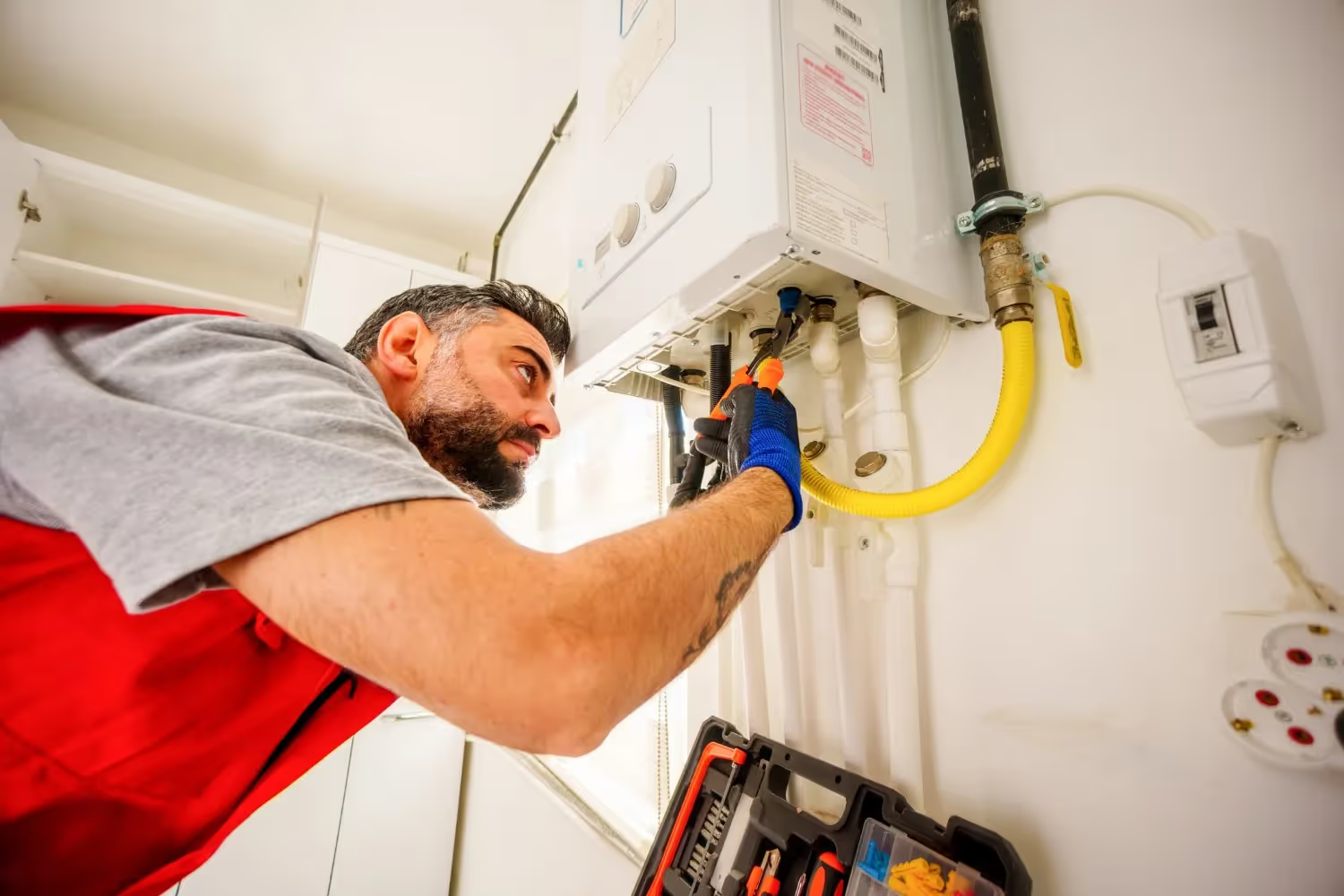
- Site Protection and Safety Check: Upon arrival, the technician ensures the area around the heating unit is protected. Gas supply lines and electrical circuits are tested to ensure a safe working environment before the cabinet is opened.
- Diagnostic Testing: Using specialized multimeters and manometers, the technician measures voltage, amperage, and gas pressure. This data pinpoints exactly where the system is deviating from manufacturer specifications.
- Root Cause Identification: The technician isolates the failed component. If a blower motor has failed, for example, the technician also checks the ductwork to ensure high static pressure didn't cause the burnout. This prevents the new part from failing prematurely.
- Review of Findings: You are presented with the diagnosis. This discussion includes a breakdown of what is broken, why it broke, and the total cost to fix it. There are no hidden fees or surprise charges.
- Execution of Repair: Once approved, the repair is performed. This may involve cleaning flame sensors, replacing the control board, unclogging condensate drains, or swapping out a cracked heat exchanger.
- System Re-commissioning: After the repair, the system is not just turned on; it is cycled through a full operation sequence. The technician measures temperature rise (the difference between air entering and leaving the unit) to confirm efficient heat transfer.
- Final Safety Inspection: For gas units, a carbon monoxide test is performed to ensure combustion gases are venting properly outside the home.
Differentiating Between Heat Pump and Furnace Repairs
In this region, homeowners often utilize either gas furnaces or electric heat pumps, and sometimes a dual-fuel hybrid of both. The repair protocols for these systems differ significantly, and recognizing these differences is vital for effective service.
- Gas Furnace Repair Notes: The primary concern with gas furnaces is combustion safety. A cracked heat exchanger is a critical failure that requires immediate attention, as it can leak carbon monoxide into the living space. Symptoms often include soot buildup, yellow flames instead of blue, or excessive moisture on windows. Repairs often focus on the burner assembly, the flue pipe, and the gas valve. Because gas furnaces rely on combustion, maintaining the correct air-to-fuel ratio is essential for efficiency and safety.
- Heat Pump Repair Notes: Heat pumps operate by moving heat rather than creating it. When temperatures in Bowling Green drop towards freezing, the heat pump relies on a defrost cycle to keep the outdoor coils clear of ice. If the defrost board fails, the unit can freeze up, halting heat production. Common repairs involve fixing the reversing valve (which switches the unit from cool to heat), recharging refrigerant levels, and repairing the emergency heat strips that provide supplemental warmth during extreme cold.
When to Repair vs. When to Replace
Deciding whether to repair an aging heating system or invest in a new one is a financial and logical calculation. While our priority is always to repair your existing equipment, there are mathematical tipping points where replacement becomes the more prudent financial decision.
Consider the following factors when making this decision:
- The 50% Rule: If the cost of the repair approaches or exceeds 50% of the value of the system (or the cost of a new unit), replacement is generally recommended.
- System Age: The average lifespan of a heat pump is 10 to 12 years, while gas furnaces can last 15 to 20 years. If your unit is surpassing these milestones and requires a major repair, such as a compressor or heat exchanger, investing in a new system often yields a better return on investment.
- Frequency of Breakdowns: If you have required multiple repairs in the last two heating seasons, the system is likely entering a phase of cascading failure. Continuing to repair it becomes a "money pit" scenario.
- Energy Efficiency: Older units often operate at 60% to 70% AFUE (Annual Fuel Utilization Efficiency). Modern systems operate upwards of 95%. The monthly savings on utility bills can sometimes offset the cost of a new installation over time.
- Safety Concerns: If a unit has a cracked heat exchanger or consistent electrical shorts, safety becomes the priority. In these cases, replacement is the only responsible option to ensure the safety of the household.
Carter Heating and Cooling provides honest assessments regarding the life expectancy of your unit. We provide the data, allowing you to make the decision that best fits your budget and long-term plans.
Addressing Emergency Heating Situations
Heating failures rarely happen at convenient times. They often occur during the coldest nights of the year when the system is under the highest load. Recognizing what constitutes an emergency can help you react appropriately.
An emergency heating situation includes:
- Complete Loss of Heat: When indoor temperatures drop to unsafe levels, particularly for households with elderly residents or infants.
- Gas Smells: The scent of sulfur or rotten eggs indicates a gas leak. This requires immediate evacuation and a call to your utility provider and repair service.
- Electrical Burning Smells: Acrid odors coming from the vents suggest overheating wires or motors, posing a fire risk.
- Loud Screeching or Banging: These sounds indicate catastrophic mechanical failure is imminent or has occurred.
- Carbon Monoxide Alarms: If your CO detector triggers, shut off the heating system immediately and open windows.
In these scenarios, 24/7 availability is not a luxury; it is a necessity. We prioritize these calls to ensure safety is restored rapidly.
Local Considerations: Utilities and Climate
Operating a heating system in South Central Kentucky requires understanding the specific environmental and regulatory context. The climate here is characterized by hot summers and winters that fluctuate between mild days and freezing nights. This fluctuation puts significant thermal stress on heat exchangers and expansion valves.
- Seasonality and Demand: The peak demand for heating repair typically hits in late October and November as the first hard frosts arrive. This is when systems that have sat dormant for months are first engaged. Another surge often occurs in January or February during "Polar Vortex" events or extended freezes. Scheduling preventative maintenance before these peaks can help avoid the rush, but emergency services remain available regardless of demand volume.
- Utility Infrastructure: Homes in this area may be serviced by different utility providers for electricity and natural gas. Understanding whether your home uses natural gas or propane is vital for the technician, as the burner orifices differ between the two fuel types. For electric heat pumps, voltage stability from the grid is important; brownouts or surges can damage sensitive control boards.
- Permits and Codes: While standard repairs generally do not require municipal permits, major component replacements or full system installations must adhere to local building codes. This ensures that electrical connections meet safety standards and that gas piping is pressure-tested. Compliance with these codes is standard procedure for professional technicians, protecting the homeowner from liability and ensuring insurance compliance.
Why Professional Execution Matters
Attempting DIY repairs on heating systems is dangerous and often ineffective. Modern HVAC equipment is complex, integrating high-voltage electricity, combustible gases, and high-pressure refrigerants. A professional technician brings not only tools but also diagnostic methodology.
- Precise Calibration: Gas valves and refrigerant levels must be calibrated to specific manufacturer tolerances. Incorrect calibration leads to higher energy bills and reduced equipment life.
- Warranty Preservation: Most equipment manufacturers require proof of professional service to honor parts warranties. DIY attempts can void these warranties instantly.
- Access to Parts: Professionals have access to OEM (Original Equipment Manufacturer) parts that ensure the system operates as designed. Universal parts often used in DIY fixes may fit but fail to perform efficiently.
- Long-Term Reliability: A professional fix is backed by a labor warranty. If the specific repair fails again within the warranty period, it is corrected at no cost to you.
We focus on delivering a service that restores your comfort without the need for callbacks. By adhering to strict service protocols and utilizing advanced diagnostic tools, we ensure that when the heat comes back on, it stays on.
Restoring Comfort to Your Home
A broken heater is a disruption to your daily life and a threat to your home’s safety. Whether you are dealing with a noisy furnace, a heat pump that blows cold air, or a complete system shutdown, immediate action is required. You need a partner who understands the urgency of the situation and possesses the technical capability to resolve it correctly on the first visit.
Don't wait for the temperatures to drop further. Secure your comfort and safety with a professional repair that stands the test of time.
Contact us now to schedule your heating repair service.

Great Service at a Fair Price
Veterans Discount


Senior Discount

Law Enforcement
Fire fighters/ems
Hear From Your Neighbors!
Hear from your neighbors to see how our commitment to dependable service and lasting comfort has made a difference in their homes.