
How can we help today?
Choose an option to see quick actions and get help faster.Air Conditioning Inspection in Bowling Green, KY
Air Conditioning Inspection in Bowling Green, KY
Struggling with AC performance in Bowling Green? Schedule a comprehensive AC inspection with Carter Heating and Cooling. Ensure your home remains comfortable with expert services and financing options available.
Is Your Air Conditioner Ready for the Bowling Green Heat?
Struggling with an AC that can’t keep up with the Bowling Green summer? You’re not alone. When the humidity spikes and temperatures rise, an unmaintained cooling system can quickly turn from a minor nuisance into a full system failure. Contact us at Carter Heating and Cooling today to schedule an inspection or apply for financing to ensure your home stays comfortable.
- Same-day service ensures quick relief from the heat.
- Certified technicians that specialize in comprehensive air conditioning inspections.
- Transparent pricing with no hidden fees.
- All services are fully licensed, with flexible financing options available.
Quick and Reliable Air Conditioning Inspections
The humidity in Kentucky places a unique strain on residential cooling systems. High moisture levels mean your air conditioner has to work twice as hard: first to dehumidify the air, and second to cool it. Without regular oversight, this dual workload leads to premature component failure, higher energy bills, and unexpected breakdowns in the middle of July.
An inspection is not merely a glance at the outdoor unit. It is a deep diagnostic dive into the mechanical and electrical health of your system. Homeowners often mistake an inspection for a simple filter change, but the reality is far more technical. A professional evaluation identifies "silent" issues—such as minor refrigerant leaks, slipping fan belts, or failing capacitors—that do not yet cause a breakdown but are silently driving up your utility costs.
Carter Heating and Cooling approaches inspections with a preventative mindset. The goal is to identify wear and tear before it necessitates an emergency repair. By checking the system's vital signs against manufacturer specifications, technicians can predict potential failures and neutralize them. This proactive approach extends the lifespan of the equipment and ensures that when the heat index climbs, your system operates at peak efficiency.
What’s Included in Your AC Inspection Today
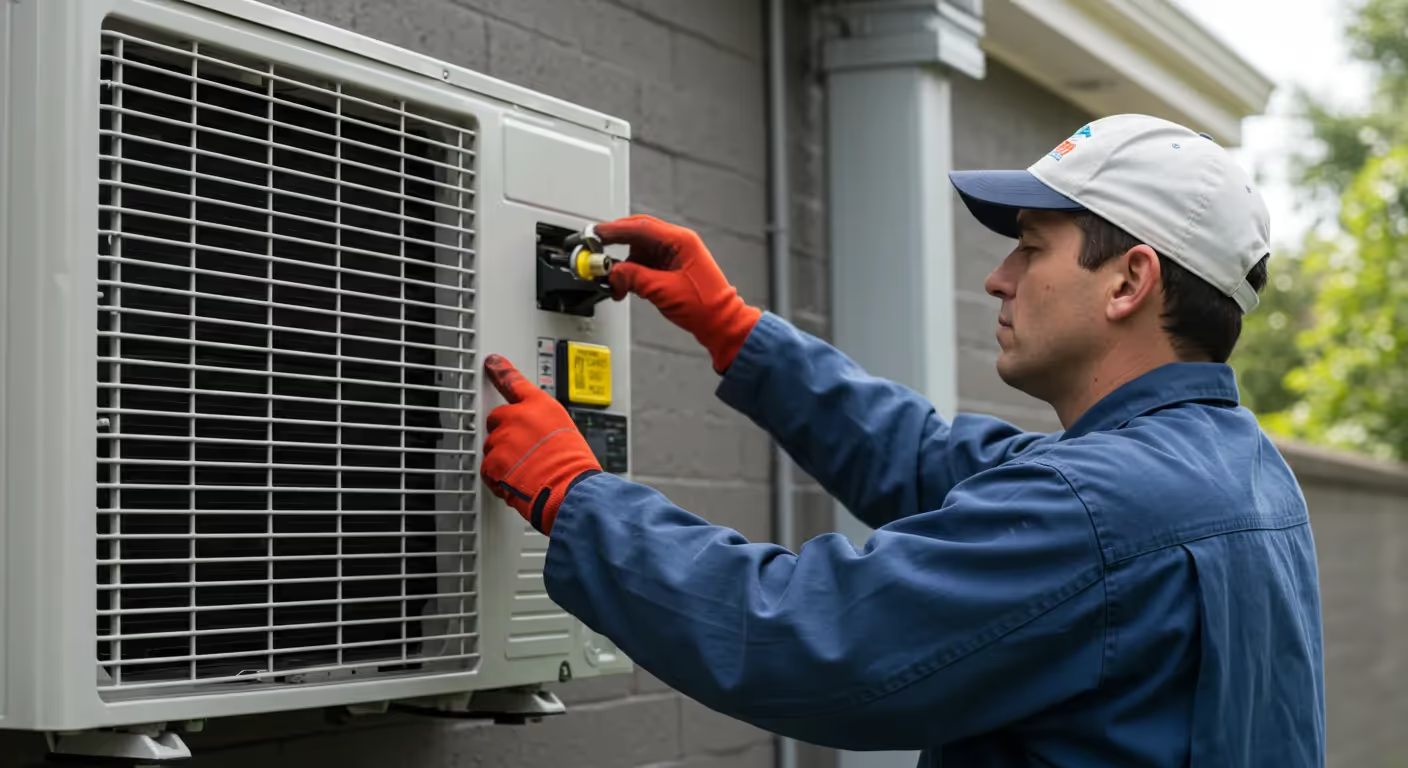
A professional inspection covers every critical component of your HVAC system. The objective is to verify that the system is safe, efficient, and reliable. This involves a rigorous checklist that goes beyond surface-level cleaning.
Electrical Components and Safety Controls
- Thermostat Calibration: The technician verifies that the thermostat reads the temperature accurately and communicates effectively with the air handler and condenser.
- Electrical Connections: Loose connections are a leading cause of system failure and fire hazards. All wiring is tightened, and voltage and amperage are measured to ensure motors are drawing the correct amount of power.
- Capacitor Testing: Capacitors assist in starting the compressor and fan motors. If a capacitor is weak or swollen, it puts immense stress on the compressor, eventually leading to a costly burnout.
- Safety Switch Operation: Technicians test the high-pressure and low-pressure limits to ensure the system shuts down safely if operating conditions become dangerous.
Mechanical and Refrigerant Systems
- Refrigerant Level Check: Improper refrigerant charge—whether too low or too high—drastically reduces cooling capacity and damages the compressor. Levels are measured using gauges to ensure they meet factory specs.
- Coil Inspection: The evaporator coil (indoor) and condenser coil (outdoor) are inspected for dirt, debris, and corrosion. Dirty coils act as insulators, preventing heat transfer and causing the system to run longer than necessary.
- Blower Motor and Belt Analysis: The technician checks the blower motor for proper airflow and inspects belts for signs of cracking or stretching.
- Condensate Drain Line Evaluation: In humid climates, the drain line removes gallons of water daily. It is checked for algae buildup and clogs to prevent water damage to your home.
Airflow and Ductwork
- Static Pressure Measurement: Technicians measure the resistance of air moving through the system. High static pressure indicates blocked ducts or dirty filters, which can suffocate the system.
- Filter Status: While simple, the air filter is critical. Its condition is noted, and recommendations for replacement or upgraded filtration are provided.
Your AC Inspection Process, Step by Step
Understanding the workflow of a service visit helps homeowners prepare and ensures transparency. The process is designed to be thorough yet efficient, minimizing disruption to your daily routine while maximizing the information gathered about your system.
- Arrival and Initial Assessment: The technician arrives at the scheduled time and begins by discussing any specific concerns you have noticed, such as strange noises, hot spots in the house, or rising energy bills. This context helps direct the diagnostic focus.
- System Shutdown and Safety Check: Power to the unit is turned off at the disconnect box to ensure safety. The technician then opens the access panels on both the outdoor condenser and the indoor air handler to reveal the internal components.
- Component Testing and Cleaning: Using specialized multimeters and gauges, the technician moves through the electrical and mechanical checklist. This includes testing the starting capabilities of motors, measuring refrigerant pressures, and inspecting the condensate drain. If part of a maintenance agreement, coils may be chemically cleaned during this stage.
- System Restart and Performance Monitoring: Once the static checks are complete, the system is powered back on. The technician monitors the system through a full cooling cycle, measuring the temperature split (the difference in temperature between the supply air and return air) to confirm the unit is actually cooling effectively.
- Reporting and Recommendations: Finally, the technician compiles a detailed report of the findings. This includes a clear explanation of any components that are out of tolerance, immediate repair needs, or suggestions for improving efficiency. You receive a clear picture of your system’s health without technical jargon.
Deciding Between AC Repair or Replacement
Following an inspection, you may be improved with a choice: repair a failing component or replace the entire system. This decision often depends on the age of the unit, the cost of the repair, and the type of refrigerant used.
The 50% Rule
A common industry standard is the 50% rule. If the cost of the repair approaches or exceeds 50% of the value of a new system, replacement is generally the wiser financial choice. Putting money into a dying system often results in diminishing returns, as other parts are likely to fail soon after.
Age of the System
Air conditioners generally last between 10 to 15 years. If your unit is over 10 years old and requires a major repair (such as a compressor replacement), investment in a new unit usually pays off through higher energy efficiency and warranty coverage. Older units likely have lower SEER (Seasonal Energy Efficiency Ratio) ratings, meaning they cost significantly more to operate than modern equipment.
Refrigerant Type (R-22 vs. R-410A vs. R-454B)
If your system utilizes R-22 (Freon), which has been phased out due to environmental regulations, repair costs involving refrigerant will be astronomical. A major leak in an R-22 system is an automatic trigger for replacement discussions. Newer systems use more environmentally friendly refrigerants that are cheaper to source.
Frequency of Breakdowns
If you have required repairs more than twice in the last two years, the system is signaling the end of its reliable service life. Constant repairs often total more than the monthly payments on a new, high-efficiency system.
Comfort and Humidity Control
Sometimes a unit runs but simply cannot keep up with the load. If your home remains humid or warm despite the AC running constantly, the unit may be undersized or the compressor may have lost compression. In these cases, repair will not solve the underlying comfort issue, and replacement is necessary.
Local Compliance and Seasonal Advice for Bowling Green
Operating an air conditioner in Bowling Green requires attention to specific regional factors. The local climate is classified as humid subtropical, meaning moisture control is just as important as temperature control.
Managing Humidity Load
In this region, the latent heat load (humidity) is significant. If an AC unit is short-cycling (turning on and off too quickly), it cools the air but fails to remove the moisture. This leads to a clammy indoor environment and promotes mold growth. Inspections here focus heavily on ensuring the system runs long enough to dehumidify effectively.
Condensate Drainage and Algae
The high humidity means your AC produces a large volume of condensate water. In the warm months, algae grows rapidly in drain lines. Local technicians pay special attention to flushing these lines and installing float switches. A float switch creates a failsafe that turns off the AC if the drain backs up, preventing water from overflowing into your ceiling or floors—a common issue in local homes during peak summer.
Permitting and Codes
If an inspection reveals that a system replacement is necessary, local building codes must be followed. This includes adherence to the latest SEER2 efficiency standards mandated by the Department of Energy for the Southeast region. Furthermore, proper permits ensure that electrical connections and gas lines (if applicable) meet safety standards. Professional service providers handle the permitting process to ensure your installation is compliant with city and county regulations.
Seasonal Timing
The best time for an inspection is early spring, before the first heat wave hits. However, if you missed the spring window, a mid-season inspection is vital to ensure the system can handle the late-summer heat spikes that are common in Kentucky.
Why Trust Our Expertise: Client Testimonials and Certifications
When selecting a service provider for your air conditioning needs, technical qualifications and verified expertise are the most reliable indicators of quality. Your cooling system is a complex assembly of high-voltage electricity, high-pressure gas, and delicate mechanics. Entrusting it to a general handyman can void warranties and compromise safety — read our reviews for verification.
Certified and Trained Technicians
We employ technicians who undergo rigorous training and hold certifications relevant to the HVAC industry. This ensures they are up-to-date on modern diagnostic techniques, the latest building codes, and emerging technologies like variable-speed compressors and smart thermostats. Mastery of these systems allows for accurate troubleshooting that saves time and money.
Detailed Diagnostics, Not Guesswork
Many low-quality service providers rely on "parts changing"—guessing which part is broken and replacing them one by one at your expense. A professional approach relies on data. By measuring superheat, subcooling, and static pressure, we pinpoint the exact root cause of the issue. This technical precision ensures the repair is done right the first time.
Warranty Protection
Licensed professionals stand behind their work. Most manufacturers require proof of regular maintenance by a licensed contractor to keep the equipment warranty valid. Our inspection documentation provides the paper trail you need to protect your investment. Additionally, we offer guarantees on our service labor, providing peace of mind that the job was performed to the highest industry standards.
Commitment to Safety
HVAC work involves handling refrigerants that are regulated by the EPA and working with electrical currents that can be lethal. Our team adheres to strict safety protocols to protect your home and family. From leak detection to checking for electrical shorts, safety is the baseline of every inspection we perform.
Call Us Now!
Ignoring the health of your air conditioning system is a gamble that rarely pays off, especially given the demands of the local climate. A comprehensive inspection not only safeguards your comfort but also optimizes your energy usage and extends the life of your equipment. Whether your system needs a routine tune-up or you are facing a decision regarding repair versus replacement, professional guidance is essential. Carter Heating and Cooling is ready to ensure your home remains a sanctuary from the heat.
Don't wait for a breakdown in the middle of a heatwave, secure your comfort by scheduling your comprehensive AC inspection today.

Great Service at a Fair Price
Veterans Discount


Senior Discount

Law Enforcement

Fire fighters/ems

Hear From Your Neighbors!
Hear from your neighbors to see how our commitment to dependable service and lasting comfort has made a difference in their homes.