

How can we help today?
Choose an option to see quick actions and get help faster.Heat Pump Inspection in Auburn, KY
Heat Pump Inspection in Auburn, KY
Get professional heat pump inspections in Auburn, KY to avoid costly breakdowns and maintain efficient heating and cooling. Schedule your inspection today!
Eliminate Heating and Cooling Inefficiencies Before They Become Costly Breakdowns
Don't let a malfunctioning heat pump leave you in discomfort when the weather turns unpredictable. A heat pump that struggles to switch between modes or runs constantly drives up energy bills and risks total system failure during extreme temperatures. Ensure your system is running efficiently with a professional inspection that identifies and addresses hidden mechanical issues promptly. Contact us today to schedule your comprehensive inspection.
Residents in Auburn, KY rely on their heat pumps year-round, making regular diagnostic checks essential for maintaining consistent indoor comfort. Carter Heating and Cooling provides thorough evaluations to catch small problems before they require expensive emergency repairs.
- Rapid response and same-day service availability: We prioritize your comfort and minimize system downtime.
- Detailed inspection covering all aspects of your system: From refrigerant levels to electrical connections, we check it all.
- Transparent findings: You receive a clear report of your system’s health with no hidden fees or surprise costs.
Certified technicians ensure compliance with all local codes, backed by solid warranties for your peace of mind — read our reviews.
What to Expect from Your Heat Pump Inspection
A heat pump inspection is not merely a quick glance at the outdoor unit; it is a rigorous diagnostic procedure designed to evaluate the thermal dynamics and mechanical integrity of your HVAC system. When a technician arrives at your property, the goal is to restore the system to factory specifications and ensure it can handle the specific heating and cooling load of your home.
You receive a complete analysis of the system's performance. This includes verifying that the unit effectively transfers heat rather than generating it inefficiently. Heat pumps operate differently than standard furnaces or air conditioners because they rely on a reversing valve to switch functions. A core part of the inspection involves testing this valve to ensure the system does not get stuck in one mode, a common issue that leaves homeowners with only heat in the summer or only AC in the winter.
The inspection also prioritizes safety and longevity. Electrical components are stressed-tested to prevent fire hazards, and refrigerant pressures are measured to prevent compressor burnout. By the end of the visit, you will know exactly which components are functioning correctly, which are showing signs of wear, and what immediate actions are necessary to prevent a breakdown.
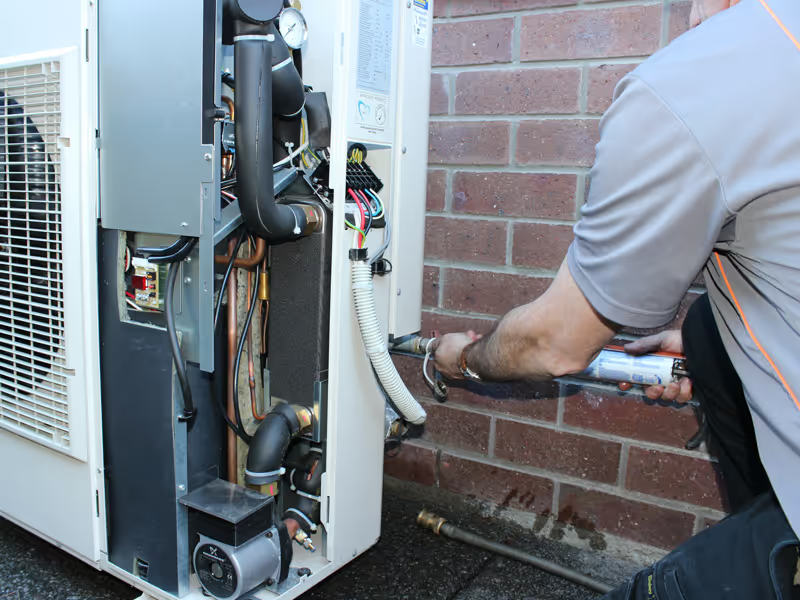
Our Heat Pump Inspection Process
We utilize a systematic approach to inspecting heat pumps, ensuring that no component is overlooked. Because heat pumps run nearly year-round, they endure twice the wear and tear of a standalone furnace or air conditioner. Our process is designed to mitigate that stress.
Thermostat and Control System Analysis
The inspection begins at the control center. If the thermostat is not communicating correctly with the air handler and the outdoor condenser, the rest of the system cannot operate efficiently.
- We calibrate the thermostat to ensure the temperature reading matches the actual room temperature.
- We test the communication signals between the thermostat, the indoor blower, and the outdoor unit.
- We verify the proper operation of emergency heat settings to ensure backup heating is available if the heat pump enters defrost mode or fails.
- We check programmable schedules to ensure they are optimized for energy savings.
Airflow and Indoor Air Quality Check
Proper airflow is the lifeblood of a heat pump. Restricted airflow forces the system to work harder, leading to overheating and increased energy consumption.
- We inspect the air filter and recommend replacement if it is clogged with debris or dust.
- We examine the blower motor and wheel for dirt buildup that could cause imbalance or noise.
- We check the supply and return ducts for visible leaks, disconnects, or obstructions that reduce system pressure.
- We verify that all registers and grilles are open and unobstructed to facilitate proper circulation.
Electrical Component Safety Testing
Electrical failures are a leading cause of heat pump breakdowns. Loose connections or worn components can cause arcing, short circuits, or damage to the compressor.
- We tighten all electrical connections and measure voltage and amperage on motors to ensure they are drawing the correct amount of power.
- We inspect the capacitor, a component responsible for starting the motors, for signs of bulging or weakness.
- We test the contactor for pitting or burning, which can cause the outside unit to run continuously or not at all.
- We check the condition of all wiring for insulation degradation or signs of overheating.
Refrigerant and Compressor Evaluation
The refrigerant loop is where the heat transfer occurs. Incorrect refrigerant levels drastically reduce the unit’s ability to heat or cool your home.
- We attach gauges to measure operating pressures and verify the refrigerant charge meets the manufacturer's sub-cooling and superheat specifications.
- We inspect the refrigerant lines for signs of leaks, oil residue, or physical damage.
- We test the reversing valve operation, listening for the distinct "swoosh" sound that indicates a successful switch between heating and cooling modes.
- We listen to the compressor for irregular noises that could indicate internal valve failure or bearing wear.
Outdoor Unit and Environmental Check
The outdoor unit is exposed to the elements and requires specific attention to maintain airflow and drainage.
- We clear debris such as leaves, grass clippings, and twigs from the base of the unit to prevent airflow restriction.
- We inspect the fan blades for damage and balance issues.
- We clean the outdoor condenser coils to ensure efficient heat exchange; dirty coils cause the system to run longer and hotter.
- We verify the unit is level, as shifting ground can stress refrigerant lines and impact compressor lubrication.
Deciding Between Heat Pump Repair or Replacement
Following an inspection, you may be sufficient with the results, or you may face a decision regarding repairs. Understanding when to invest in a repair versus when to replace the system is critical for long-term financial savings. A heat pump that requires frequent attention is often a liability rather than an asset.
Consider the Age of the Unit
Most heat pumps have a lifespan of 10 to 15 years. If your unit is approaching or has exceeded this range, major repairs are rarely cost-effective. Technology has advanced significantly, and newer models offer higher SEER (Seasonal Energy Efficiency Ratio) and HSPF (Heating Seasonal Performance Factor) ratings, which can lower monthly utility bills enough to offset the cost of a new system over time.
The 50% Rule
A general guideline used in the industry is the 50% rule. If the cost of the necessary repair approaches 50% of the value of a new system, replacement is the smarter financial move — apply for financing today. Investing a large sum into an aging system does not guarantee that another component won’t fail shortly after.
Frequency of Breakdowns
If you have required multiple service calls in the last two years, the system is likely suffering from "nickel and dime" syndrome. While each individual repair might seem manageable, the cumulative cost—plus the inconvenience of recurring failures—often justifies a replacement.
Comfort and Efficiency Issues
If some rooms in your house are always too hot or too cold, or if you notice your humidity levels are uncontrolled, the heat pump may be undersized or the compressor may be losing compression. If the inspection reveals that the compressor is weak, replacement is almost always the recommended path, as the compressor is the heart of the system and the most expensive component to replace.
Local Compliance and Seasonal Advice
Operating a heat pump in Auburn requires specific attention to the local climate conditions. The region experiences a humid subtropical climate, meaning the system must handle heavy humidity in the summer and damp, freezing conditions in the winter.
Managing Humidity and Rainfall
With annual rainfall around 50 inches, drainage is a major concern for local systems. The outdoor unit must have proper clearance to prevent water from pooling around the base. Standing water can accelerate rust and corrosion on the cabinet and coils. Furthermore, high summer humidity means the condensate drain line must be clear. Our inspection ensures that your system is actively dehumidifying your home, preventing mold growth and moisture damage.
Winter Defrost Cycles
In the winter, the outdoor coil will naturally freeze as it extracts heat from the cold air. The defrost cycle is critical here. If the sensors controlling this cycle fail, the unit will turn into a block of ice, stopping all heat transfer. We specifically test the defrost board and sensors to ensure your system can handle the occasional snowfalls and freezing rain common to the area.
Permits and Regulations
If an inspection reveals that a full replacement is necessary, it is vital to adhere to local building codes. Modifications to electrical circuits or refrigerant lines often require adherence to specific safety standards. Using licensed professionals ensures that any work performed on your property meets these regulatory requirements, protecting your home’s value and insurance validity.
Why Trust Us with Your Heat Pump?
Your home comfort system is a complex piece of machinery that connects directly to your electrical grid and impacts your indoor air quality. Trusting this system to general handymen or uncertified individuals can lead to voided manufacturer warranties and safety hazards.
We employ technicians who understand the specific load calculations and thermal properties required for homes in this region. We use advanced diagnostic tools that go beyond simple visual checks, allowing us to pinpoint issues that are invisible to the naked eye, such as micro-leaks in the refrigerant system or slight voltage imbalances in the compressor.
Carter Heating and Cooling focuses on delivering data-backed recommendations. We do not guess; we measure, test, and verify. This approach ensures that when we tell you a part is failing, it is based on technical evidence. We respect your property, using drop cloths and shoe covers, and we ensure that the workspace is left cleaner than we found it.
Whether you are preparing for the summer heat or the winter chill, a verified, high-functioning heat pump is your first line of defense against the elements. Do not wait for the system to stop working completely before seeking professional help.
Call Us Now
Secure your comfort and efficiency today. Schedule your professional heat pump inspection now.

Great Service at a Fair Price
Veterans Discount


Senior Discount

Law Enforcement

Fire fighters/ems

Hear From Your Neighbors!
Hear from your neighbors to see how our commitment to dependable service and lasting comfort has made a difference in their homes.