
How can we help today?
Choose an option to see quick actions and get help faster.Furnace Inspection in Auburn, KY
Furnace Inspection in Auburn, KY
Furnace Inspection in Auburn, KY
Is Your Heating System Winter-Ready?
Not sure if your furnace can handle another chilly Auburn winter? A professional inspection ensures you won't be left in the cold when temperatures drop, so contact us today to schedule your comprehensive safety check. Carter Heating and Cooling provides the in-depth analysis homeowners need to ensure their heating equipment operates safely and efficiently throughout the season.
- Comprehensive inspection by certified technicians — know your system's health.
- Fast, detailed feedback with cost-efficient solutions.
- Urgent and emergency services available 24/7 to address heating fails.
All services are performed by licensed professionals with guaranteed satisfaction.
Prepare for Winter: Professional Furnace Inspection Services
As the seasons change in Auburn, the shift from high humidity to freezing temperatures places a significant strain on residential HVAC systems. While your system may have sat dormant during the warmer months, dust accumulation, mechanical wear, and electrical issues may have developed silently. Ignoring these potential faults often results in a breakdown during the first cold snap of the year, right when heating is most critical.
A furnace inspection is more than a simple glance at the unit; it is a preventative measure designed to secure your home’s comfort and safety. The primary goal is to identify minor irregularities before they escalate into major mechanical failures. Operating a furnace that has not been inspected can lead to inefficient fuel consumption, higher utility bills, and, in severe cases, safety hazards such as carbon monoxide leaks or electrical fires.
Homeowners who prioritize seasonal maintenance gain peace of mind knowing their equipment is calibrated to handle the workload of a Kentucky winter. By addressing wear and tear proactively, you extend the lifespan of the unit and ensure that heat distribution remains consistent across every room in the house.
What You Get: A Complete Furnace Health Check
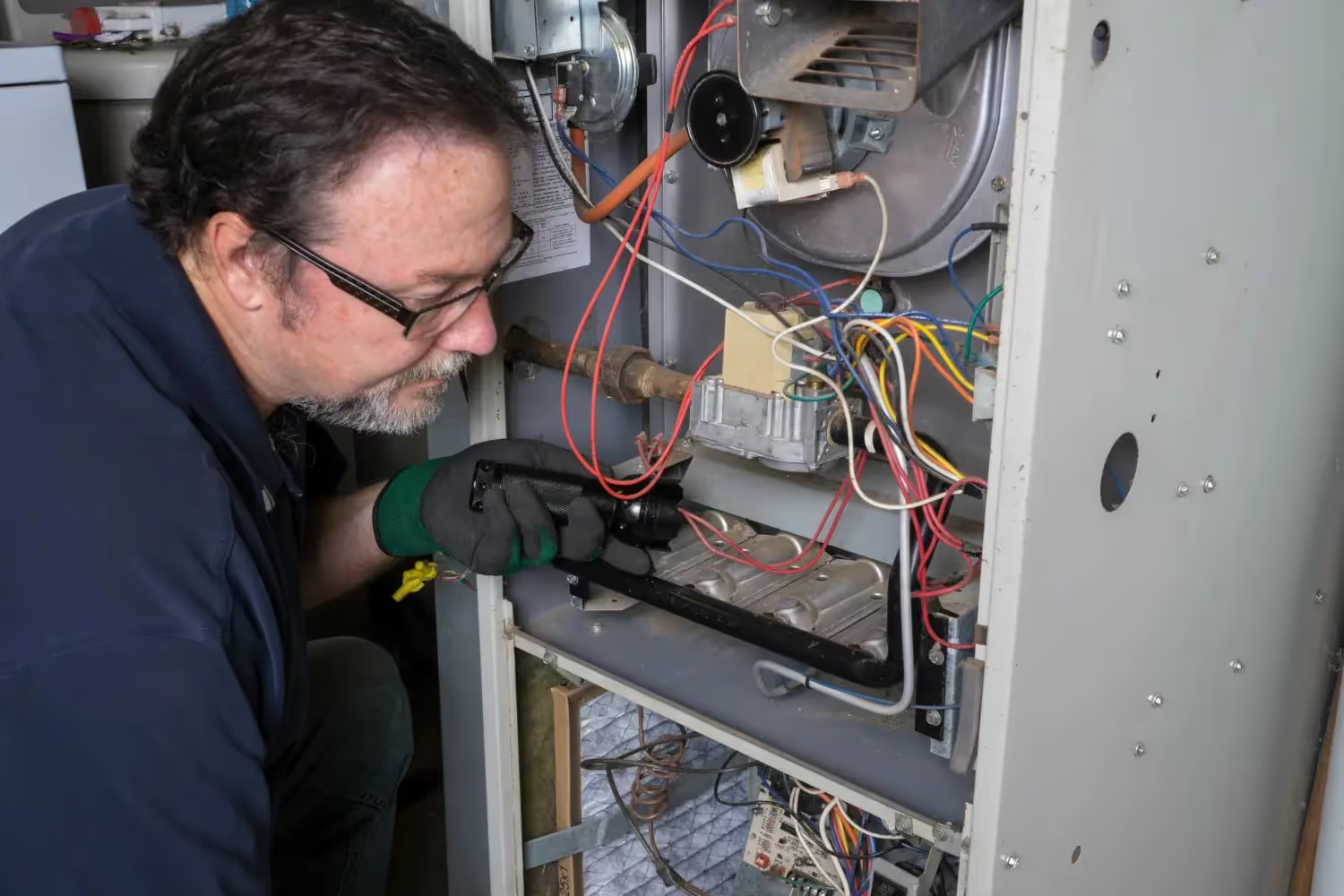
When you schedule a service visit, you are paying for a rigorous evaluation of every component within your heating system. The objective is to verify that the furnace is operating within the manufacturer’s specifications and that there are no immediate threats to the system's integrity. This process involves a systematic review of the mechanical, electrical, and airflow systems.
Technicians utilize specialized diagnostic tools to measure efficiency and safety. This is not a superficial cleaning; it is a deep dive into the internal workings of the machinery. The inspection covers the ignition system to ensure reliable startup, the blower motor to guarantee proper air circulation, and the venting system to confirm that exhaust gases are being safely expelled from the home.
Key components evaluated during a standard inspection include:
- Thermostat Calibration: Checking that the thermostat reads temperature accurately and communicates effectively with the furnace control board.
- Electrical Connections: Tightening loose wires and measuring voltage and amperage on motors to prevent electrical failure or overheating.
- Heat Exchanger Analysis: Inspecting for cracks or corrosion that could allow carbon monoxide to mix with the indoor air supply.
- Burner Assembly: Cleaning and inspecting burners for proper ignition and flame sensor operation to ensure efficient combustion.
- Safety Controls: Testing limit switches and safety interlocks that automatically shut down the system if dangerous conditions are detected.
- Filter and Airflow: Assessing the condition of the air filter and checking for static pressure issues that could restrict airflow and strain the blower motor.
- Gas Line and Valve: Checking for gas leaks at the connection points and verifying that the gas valve opens and closes correctly.
- Flue and Venting: Ensuring there are no blockages or leaks in the exhaust pipe that could trap harmful gases inside the residence.
How Our Inspection Services Work: Step-by-Step Guide
Understanding the process helps homeowners know what to expect when a technician arrives at their property. The service is designed to be thorough yet efficient, minimizing disruption to your daily routine while maximizing the information gathered about your heating system.
The Initial Assessment
Upon arrival, the technician begins by discussing any specific concerns you may have noticed, such as strange noises, uneven heating, or recent spikes in energy bills. They will then perform a visual inspection of the furnace and the surrounding area to check for obvious signs of trouble, such as water leaks, soot accumulation around the burners, or disconnected venting.
System Operation Test
The technician will cycle the furnace on to observe the startup sequence. This phase is critical for identifying issues with the igniter, the flame sensor, or the inducer motor. They listen for abnormal sounds—grinding, rattling, or banging—which often indicate loose parts or bearing failure.
Diagnostic Testing
Using multimeters, combustion analyzers, and manometers, the professional conducts a series of tests. They measure the temperature rise (the difference in air temperature between the supply and return ducts) to ensure the heat exchanger is not overheating. They also test the capacitor, a small electrical component that helps motors start and run; a weak capacitor is a common cause of motor failure.
Review and Reporting
Once the physical inspection and testing are complete, the technician compiles a detailed report of the findings. This report categorizes the condition of the system. You will receive a clear explanation of any components that are working perfectly, parts that are showing signs of wear but are still functional, and critical issues that require immediate attention.
Recommendations
If repairs are needed, the technician provides a clear outline of the necessary work. This includes an explanation of why the repair is needed and the potential consequences of delaying it. You are given the information needed to make an informed decision about how to proceed with maintaining your home’s heating.
Deciding on Repair vs. Replacement: Expert Guidance
One of the most valuable outcomes of a furnace inspection is the clarity it provides regarding the long-term viability of your current unit. There comes a point where continuing to repair an aging system becomes less improved than investing in a modern, high-efficiency replacement. Carter Heating and Cooling technicians provide honest assessments based on data, not sales pressure.
Several factors influence the decision to repair or replace:
- Age of the Unit: Furnaces typically last between 15 and 20 years. If your unit is approaching or has surpassed this age range, major repairs may not be a wise investment, as other components are likely to fail soon.
- Cost of Repair: A general rule of thumb is the "50% rule." If the cost of the repair is 50% or more of the cost of a new system, replacement is usually the better financial decision — apply for financing today.
- Frequency of Breakdowns: If you find yourself calling for service multiple times in a single season, the system has likely become unreliable. Constant repairs can quickly add up to the cost of a down payment on a new unit.
- Energy Efficiency: Older furnaces often have Annual Fuel Utilization Efficiency (AFUE) ratings of 70% or lower, meaning 30 cents of every dollar spent on heating is wasted. Modern units can achieve ratings of 96% or higher, offering significant savings on monthly utility bills.
- Safety Concerns: If the heat exchanger is cracked, replacement is almost always the mandatory path due to the severe risk of carbon monoxide poisoning. This is a non-negotiable safety issue.
- Comfort Issues: If some rooms in your Auburn home are always cold while others are hot, or if the furnace struggles to maintain the set temperature on the coldest days, the system may be undersized or losing compression, signaling the need for an upgrade.
Local HVAC Regulations: What Auburn Homeowners Need to Know
Operating a heating system in Kentucky requires adherence to specific local and state building codes. These regulations are in place to ensure the safety of the occupants and the structural integrity of the home. When performing inspections or subsequent repairs, professional technicians must ensure that the equipment complies with these standards.
Permitting and Code Compliance
Significant alterations to a heating system, such as a full replacement or the installation of new gas lines, typically require permits. A licensed professional manages this process, ensuring that the work is registered with local authorities and passes any necessary municipal inspections. Homeowners attempting DIY repairs often bypass these steps, which can lead to complications when trying to sell the home or file insurance claims later.
Ventilation and Combustion Air Requirements
Local codes dictate how much fresh air must be available for the furnace to burn fuel safely. In newer, more airtight homes, or in basements that have been finished, the furnace may require dedicated combustion air intake pipes to prevent "backdrafting," where exhaust gases are pulled back into the home. An inspection verifies that your setup meets these ventilation standards.
Gas and Electrical Safety
The connections for natural gas or propane must meet strict sealing and pressure testing standards to prevent leaks. Similarly, the electrical circuit powering the furnace must be dedicated and properly grounded. Technicians check that the disconnect box is accessible and within sight of the unit, a requirement for safe servicing under electrical codes.
Refrigerant Management (for Heat Pumps)
If your heating system is a heat pump, specific federal regulations govern the handling of refrigerants. Technicians must hold EPA certifications to handle these chemicals, ensuring they are not vented into the atmosphere, which is illegal and environmentally damaging.
Our Commitment: Trusted, Reliable, and Local Service
Choosing a service provider for your furnace inspection means inviting a technician into your private space. Trust and reliability are paramount — read our reviews today. The focus is on providing a seamless experience from the moment the appointment is booked to the final handshake.
Certified Expertise
Technicians undergo continuous training to stay updated on the latest HVAC technologies and repair techniques. This ensures that whether you have an ancient boiler or a state-of-the-art modulating furnace, the individual servicing it understands the mechanics inside and out.
Transparency and Integrity
You receive straightforward answers. There are no hidden fees or surprise charges. The goal is to provide a clear picture of your heating system’s condition so you can make decisions that fit your budget and comfort needs. If a system is in good shape, you will be told exactly that. If it poses a risk, the severity of that risk will be communicated clearly without fear-mongering.
Respect for Your Home
Service professionals treat your property with care. This includes wearing shoe covers to protect flooring, using drop cloths to catch debris, and cleaning up the work area entirely before leaving. The only evidence of the visit should be a well-functioning furnace.
Local Availability
Being based locally means understanding the specific challenges of the region's climate. It means being available when the weather turns harsh and response times matter most. The commitment to the community drives a standard of service that prioritizes neighborly care and professional excellence.
Regular inspections are the most effective way to protect your investment in your home’s heating infrastructure. By identifying issues early, ensuring code compliance, and maximizing efficiency, you secure a warm, safe environment for the winter months. Don't wait for the first freeze to discover a problem. Take control of your home comfort and safety today.
Call Us Now!
Secure your spot on our schedule now to ensure your heating system is ready for whatever winter brings.

Great Service at a Fair Price
Veterans Discount


Senior Discount

Law Enforcement

Fire fighters/ems

Hear From Your Neighbors!
Hear from your neighbors to see how our commitment to dependable service and lasting comfort has made a difference in their homes.