
How can we help today?
Choose an option to see quick actions and get help faster.Furnace Installation in Auburn, KY
Furnace Installation in Auburn, KY
Furnace Installation in Auburn, KY
Eliminate Unreliable Heating Performance and Rising Energy Costs
Facing chilly nights in Auburn, KY without a functioning heating system puts your home and comfort at risk. Ensure your property stays warm and efficient this winter by scheduling a professional furnace installation — apply for financing today.
Unpredictable breakdowns and uneven heating are signs that your current unit can no longer keep up with the demands of the season. A modern replacement resolves these comfort issues while significantly lowering monthly utility expenses through improved technology.
- Receive a customized installation plan that matches your home’s layout and heating requirements.
- Benefit from energy-efficient models that save on heating costs in the long run.
- Experience minimal disruption with quick and professional service.
All installations comply with local codes and come with a full warranty for peace of mind. Carter Heating and Cooling ensures that every system is sized correctly and installed to manufacturer specifications for optimal performance.
Comprehensive Furnace Replacement Services
Investing in a new heating system is about more than just swapping out a metal box; it is about upgrading the infrastructure of your home’s climate control. A professional installation addresses the entire heating ecosystem, ensuring that airflow, fuel efficiency, and safety mechanisms function in unison. Homeowners often endure cold spots, loud operational noises, or skyrocketing energy bills simply because an older unit has lost its efficiency rating or was never sized correctly in the first place.
When you authorize a new installation, the scope of work covers every critical component required for safe operation. This includes the removal and environmentally responsible disposal of the existing unit. Technicians assess the condition of the plenum and existing ductwork to ensure the new machinery can deliver air effectively without back pressure that causes premature wear. The service also includes the precise calibration of gas valves (for gas furnaces) or electrical connections (for electric units) to meet strict safety standards.
Modern heating systems utilize advanced technology to regulate temperature more precisely than models from a decade ago. High-efficiency units, often rated with an Annual Fuel Utilization Efficiency (AFUE) of 90% or higher, convert nearly all fuel into usable heat. The installation process focuses on maximizing this potential. By sealing connections and optimizing blower settings, the system delivers consistent warmth to every room, eliminating the drafty corners that plague many older homes in the region.
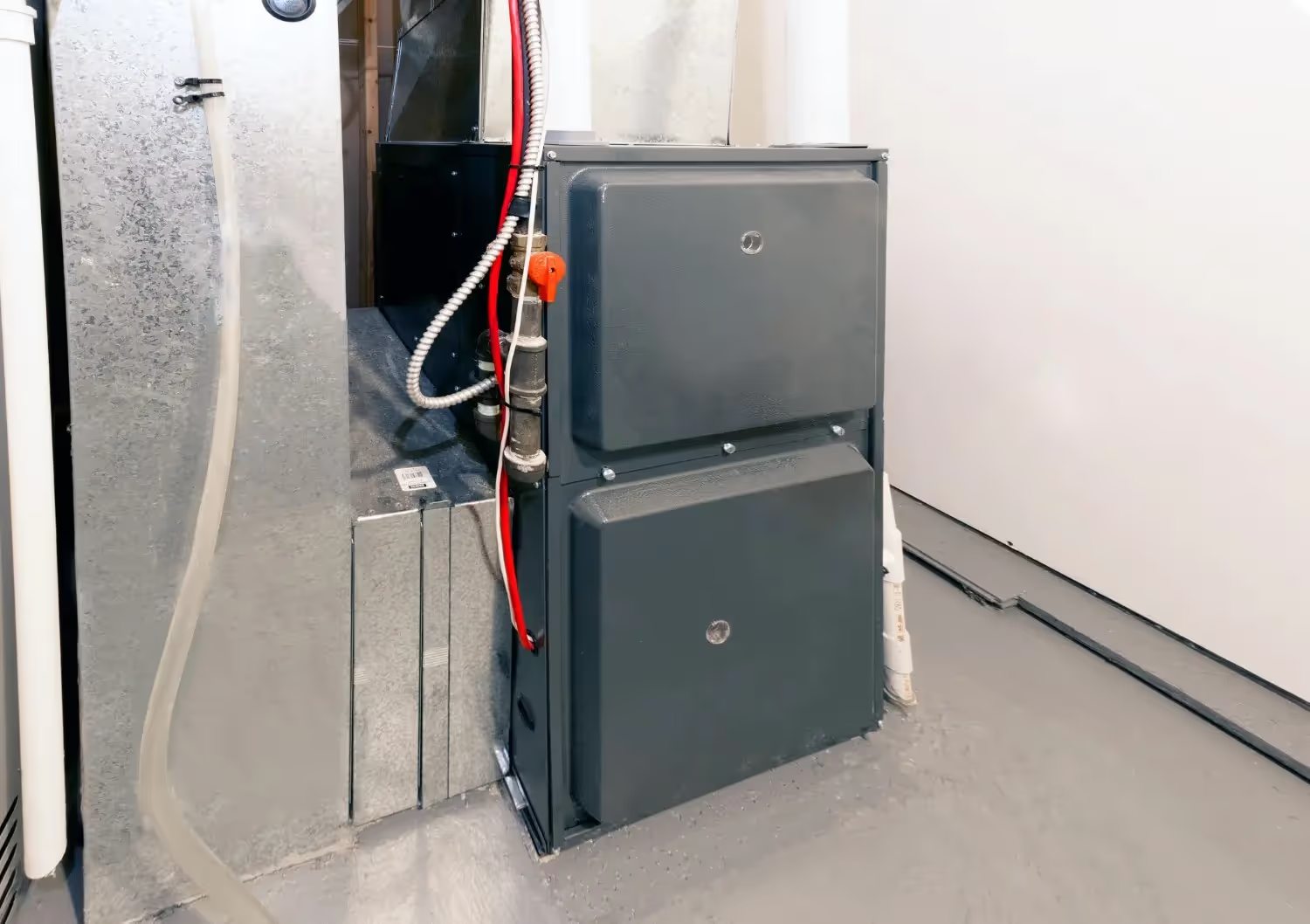
The Installation Process: From Assessment to Ignition
A structured approach to installation prevents future breakdowns and ensures the longevity of your investment. Professional teams follow a rigorous checklist that governs every stage of the replacement, ensuring no step is overlooked.
Load Calculation and Sizing
- Before any equipment is ordered, a Manual J load calculation is performed. This mathematical assessment determines the exact heating capacity required for the specific square footage, insulation levels, window types, and orientation of the building.
- Installing a furnace that is too large causes "short-cycling," where the unit turns on and off rapidly, wearing out components and wasting energy.
- Installing a unit that is too small results in the system running continuously without ever reaching the set temperature.
- Proper sizing ensures the unit runs long enough to dehumidify the air and distribute heat evenly.
Site Preparation and Safety Checks
- Technicians protect the workspace with drop cloths and shoe covers to keep the home clean.
- The gas supply or electrical power is shut off to ensure a safe working environment.
- The area surrounding the furnace is cleared of debris to allow for proper ventilation and access.
Removal of the Old Unit
- The existing furnace is disconnected from the ductwork, gas lines, flue pipes, and electrical circuits.
- Care is taken to prevent damage to the surrounding floor or walls during the extraction of the heavy machinery.
- Old equipment is hauled away for proper recycling or disposal, keeping the property clutter-free.
New System Positioning and Connection
- The new furnace is positioned on rubber pads or a level block to reduce vibration and noise transfer.
- The supply and return plenums are sealed to the new unit to prevent air leakage.
- Flue pipes are installed or upgraded to ensure dangerous combustion gases like carbon monoxide are vented safely outside.
- Gas lines are reconnected with new drip legs and shut-off valves where necessary to meet current code requirements.
Commissioning and Testing
- Once Carter Heating and Cooling completes the physical hookups, the system undergoes a startup sequence.
- Gas pressure is measured and adjusted to the manufacturer's specified water column inches.
- The temperature rise (the difference between air entering and leaving the furnace) is measured to ensure it falls within the safe operating range.
- The thermostat is tested to verify it communicates correctly with the new equipment, cycling the heat on and off as intended.
Deciding When to Retrofit or Replace Your Heating Unit
Determining whether to repair an aging furnace or invest in a new installation is a financial and practical decision. While repairs can solve immediate issues, they often serve as temporary bandages on a failing system. Understanding the lifecycle of heating equipment helps homeowners make informed choices that prevent emergency failures during the coldest weeks of the year in Auburn.
The Age of the System
- Most gas furnaces have a lifespan of 15 to 20 years, while electric models may last slightly longer. If a unit is approaching or has surpassed the 15-year mark, parts availability decreases, and the risk of critical failure increases.
- Older heat exchangers are prone to cracking. A cracked heat exchanger is a severe safety hazard that allows carbon monoxide to mix with indoor air. This issue mandates an immediate replacement.
The Cost of Repairs vs. Replacement Value
- Industry experts often recommend the "50% rule." If the cost of a repair approaches 50% of the cost of a new system, replacement is the smarter financial move.
- Frequent, smaller repairs also add up. If a homeowner is calling for service multiple times a season, the cumulative cost of service fees and parts often exceeds the monthly financing cost of a modern, warrantied unit.
Energy Efficiency and Operational Costs
- Furnaces installed 15 years ago may have AFUE ratings of 70% or lower. This means 30 cents of every dollar spent on fuel is wasted.
- Upgrading to a modern unit with a 95% or higher AFUE rating results in immediate monthly savings. These savings can offset a significant portion of the installation cost over the life of the system.
- A noticeable increase in fuel bills, despite normal usage habits, indicates the internal components are degrading and the system is working harder to produce the same amount of heat.
Comfort and Air Quality Issues
- Uneven heating, where some rooms are boiling while others are freezing, suggests the blower motor is failing or the duct system is compromised.
- Excessive dust, soot, or rust particles around the furnace area indicate internal corrosion.
- Strange noises—banging, popping, or squealing—are often precursors to catastrophic motor or inducer fan failure.
Regional Considerations for Heating in Kentucky
Operating a furnace in Auburn requires specific attention to the local climate patterns. The region experiences a humid subtropical climate, but winters can see temperatures drop significantly, with average lows dipping into the 20s °F. This variance requires a heating system that is robust enough to handle freezing nights but versatile enough to manage milder, damp days without creating a stuffy indoor environment.
Humidity Control and Comfort
- High precipitation throughout the year means indoor humidity can be an issue even in cooler months. A properly installed furnace plays a role in regulating indoor moisture.
- Two-stage or modulating furnaces are particularly effective in this climate. Unlike single-stage furnaces that run at 100% capacity whenever they are on, modulating units can run at lower speeds. This longer run time allows for better air filtration and more consistent humidity control, preventing the "clammy" feeling often associated with rapid temperature swings.
Permitting and Code Compliance
- Installation projects in the area must adhere to state and local building codes. These regulations dictate everything from the type of venting material used to the clearance required around the unit for fire safety.
- Electrical connections must meet the National Electrical Code (NEC) standards adopted by local authorities.
- Professional installers handle the permitting process, ensuring that the work passes all required inspections. This documentation is vital for maintaining the manufacturer’s warranty and is often required by insurance companies or future home buyers.
Fuel Source Availability
- Depending on the specific location within the region, homeowners may rely on natural gas, propane, or electricity.
- Natural gas is common in more dense areas and offers cost-effective heating.
- For properties without gas line access, high-efficiency heat pumps with electric resistance backup (often called emergency heat strips) are a viable alternative. The installation process varies significantly between these fuel types, making local expertise regarding utility infrastructure essential.
Technical Advantages of Professional Installation
Choosing a dedicated service provider for furnace installation guarantees that the technical nuances of the equipment are respected. Modern HVAC equipment is sophisticated, relying on printed circuit boards and sensors rather than simple mechanical switches. Incorrect wiring or poor duct design can reduce the efficiency of a high-end unit to that of a standard builder-grade model.
Static Pressure Optimization
- Ductwork acts as the lungs of the heating system. If the static pressure (resistance to airflow) is too high, the blower motor will overheat and fail prematurely.
- Professionals measure static pressure during installation and make necessary adjustments to dampers or duct transitions to ensure free airflow.
Venting and Combustion Air
- High-efficiency furnaces produce condensation as a byproduct of combustion. This acidic water must be drained away properly to prevent damage to the floor or the unit itself.
- The system also requires a dedicated source of fresh air for combustion. If a furnace is installed in a tight closet without adequate intake ventilation, it can consume the oxygen in the home, creating negative pressure and potential back-drafting of water heaters or fireplaces.
Warranty Protection
- Manufacturers explicitly state that warranties are only valid if the equipment is installed by a licensed professional.
- DIY or handyman installations often void these protections, leaving the homeowner liable for expensive parts if a defect occurs.
- Professional installation typically includes a labor warranty, covering any adjustments needed in the first year of operation — view maintenance plan.
Secure Your Home’s Comfort Today
Waiting for a total system failure leads to rushed decisions and uncomfortable nights. Proactive furnace installation provides control over the indoor environment, predictable energy costs, and reliable warmth regardless of how low the temperature drops outside.
Carter Heating and Cooling delivers precise, code-compliant installations tailored to the specific needs of homes in Auburn, KY. By prioritizing correct sizing, safety, and efficiency, the service ensures that every new system operates at its peak potential for years to come.
Don't let an outdated furnace dictate your comfort this winter. Schedule a professional assessment now to explore high-efficiency options that fit your home and budget.
Contact us today to book your furnace installation consultation.

Great Service at a Fair Price
Veterans Discount


Senior Discount

Law Enforcement

Fire fighters/ems

Hear From Your Neighbors!
Hear from your neighbors to see how our commitment to dependable service and lasting comfort has made a difference in their homes.