
How can we help today?
Choose an option to see quick actions and get help faster.Heating Maintenance in Auburn, KY
Heating Maintenance in Auburn, KY
Heating Maintenance in Auburn, KY
Efficient Heating Maintenance to Withstand Auburn’s Winters
Facing unpredictable heating performance or rising energy costs as the cold season approaches? Our expert technicians ensure your heating system is prepared for Auburn's chilly winters with thorough maintenance checks—contact us to schedule your seasonal tune-up today.
When temperatures drop in Auburn, KY, a reliable furnace or heat pump is not a luxury; it is a necessity for safety and comfort. Neglecting routine care often results in untimely breakdowns during the coldest weeks of the year. Carter Heating and Cooling provides comprehensive inspections and adjustments designed to keep your system running at peak performance.
- Reduce the risk of sudden heating failures during freezing cold snaps with pre-winter tune-ups.
- Maximize energy efficiency and lower monthly utility bills with targeted system optimizations.
- Extend the lifespan of your heating system by addressing minor wear and tear before it escalates.
Licensed and insured professionals ensure safe and compliant service, with affordable maintenance plans available to suit your budget.
Comprehensive Heating System Tune-Ups
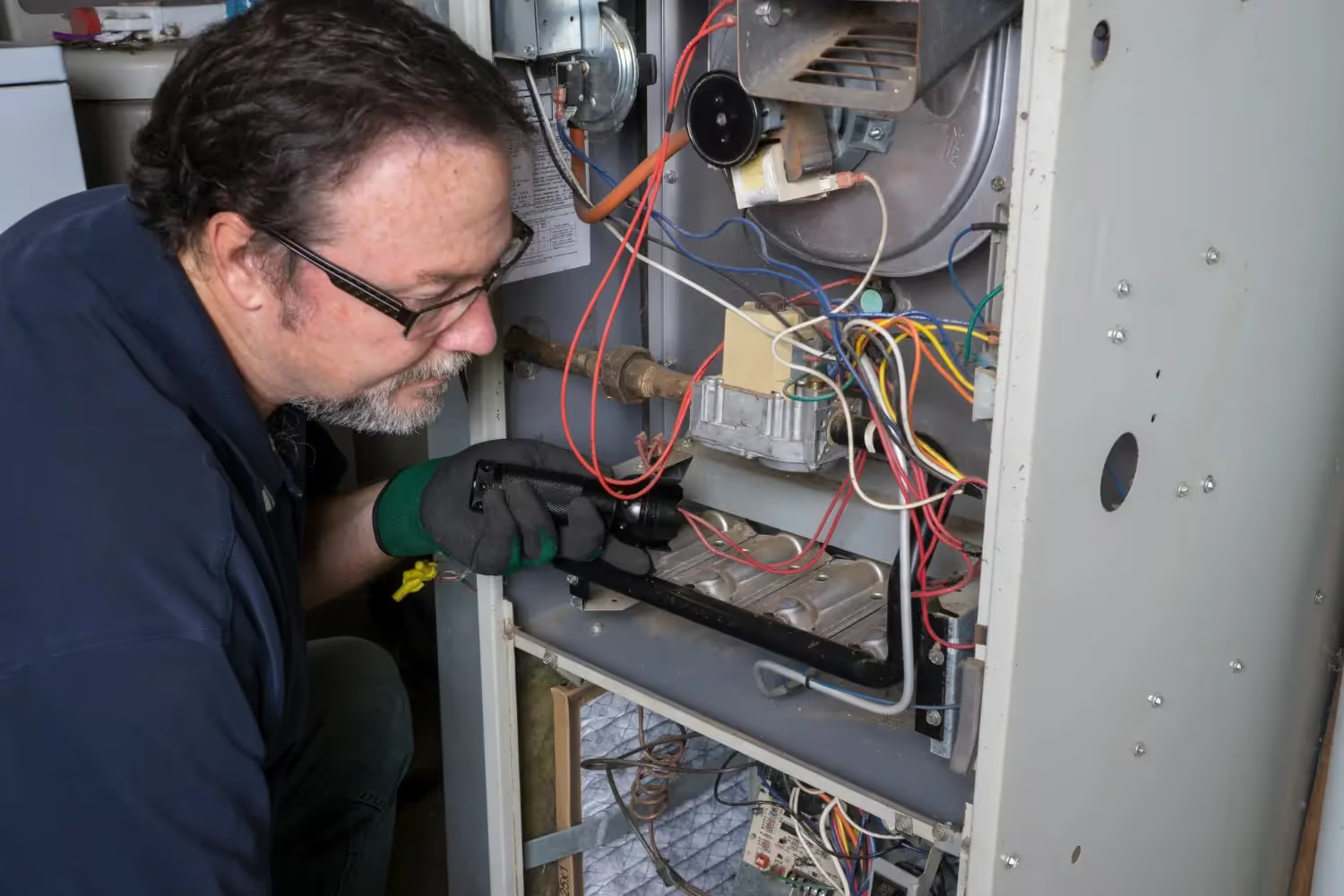
Routine maintenance is far more than a simple filter change. It involves a rigorous inspection and calibration of the entire heating assembly to ensure every component functions correctly within the manufacturer’s specifications. A professional tune-up addresses the mechanical, electrical, and safety aspects of your heating unit.
The Mechanical Inspection Checklist
The mechanical components of a furnace or heat pump endure significant stress during operation. Friction, heat expansion, and continuous movement can lead to wear that reduces efficiency.
- Blower Motor Inspection: Technicians examine the blower motor to ensure it is generating appropriate airflow. If the motor is struggling, it draws more amperage, increasing electrical costs and risking burnout.
- Lubrication of Moving Parts: Bearings and other friction points require precise lubrication. Lack of lubrication causes increased friction, leading to overheating and premature failure of motors and shafts.
- Belt Adjustment: For belt-driven systems, the belt must have the correct tension. Loose belts slip and reduce airflow, while overly tight belts put unnecessary strain on the motor.
- Thermostat Calibration: The thermostat is the brain of your heating system. If it is miscalibrated, the system may run longer than necessary or fail to reach the desired temperature, leading to comfort issues and wasted energy.
Combustion and Safety Analysis
For gas furnaces, safety is the primary concern. Incomplete combustion or breached components can lead to dangerous situations, including carbon monoxide leaks.
- Heat Exchanger Inspection: This is the most critical safety check. Technicians inspect the heat exchanger for cracks or corrosion. A cracked heat exchanger allows exhaust gases to mix with the indoor air supply, posing a severe health risk.
- Burner Cleaning: Dirty burners result in uneven flames and poor combustion. Technicians clean the burners to ensure a proper fuel-air mixture, which improves efficiency and safety.
- Flame Sensor Testing: The flame sensor detects whether the gas has ignited. If this sensor is dirty or faulty, the furnace will shut down as a safety precaution. Cleaning and testing this sensor prevents nuisance lockouts.
- Flue and Venting Check: Exhaust gases must be vented safely outside the home. The venting system is checked for blockages, rust, or disconnections that could cause back-drafting of hazardous fumes into the living space.
Electrical System Verification
Modern heating systems rely heavily on electrical controls. Loose connections or voltage irregularities can cause intermittent failures or damage expensive electronic boards.
- Tightening Electrical Connections: Vibration can loosen wires over time. Technicians tighten all connections to prevent arcing and ensure consistent power delivery.
- Capacitor Testing: Capacitors help motors start and run. A weak capacitor puts strain on the motor and will eventually fail, stopping the system entirely.
- Safety Switch Operation: Limit switches and rollout switches detect dangerous conditions like overheating. These are tested to verify they will shut the system down if a malfunction occurs.
The Maintenance Process
Understanding what happens during a service visit helps homeowners prepare and know what to expect. The goal is to minimize disruption while maximizing the thoroughness of the evaluation.
- Scheduling and Arrival: Service is scheduled at a convenient time. Technicians arrive with the necessary tools and diagnostic equipment to handle common issues immediately.
- Initial Assessment: The technician listens to the system during startup. Unusual noises, smells, or cycle lengths provide immediate clues about the system’s health.
- System Shut Down and Cleaning: Power and gas are turned off for safety. The internal cabinet is cleaned to remove dust and debris that can interfere with sensitive electronics.
- Component Testing: Using multimeters and combustion analyzers, the technician systematically tests each component against factory benchmarks.
- Reassembly and Performance Test: Once cleaning and adjustments are complete, the system is reassembled and run through a full heating cycle to verify performance.
- Reporting: You receive a detailed report of the findings. If a part is nearing the end of its life or a major repair is recommended, this is discussed clearly without pressure, focusing on the technical reality of the equipment.
Signs Your System Needs Immediate Attention
While annual maintenance prevents many issues, certain symptoms indicate that a heating system requires immediate professional intervention in Auburn. Ignoring these signs often leads to more expensive repairs or total system failure.
- Rising Energy Bills: If usage hasn't changed but utility bills are spiking, the efficiency of the heater has likely plummeted. This suggests the system is working overtime to maintain temperature.
- Short Cycling: If the furnace turns on and off frequently without reaching the set temperature, it may be overheating or suffering from a faulty thermostat or airflow restriction.
- Uneven Heating: Cold spots in certain rooms or a house that never feels warm enough indicate issues with the distribution system, blower performance, or ductwork integrity.
- Yellow Pilot Light: For gas furnaces, the flame should be blue. A yellow flame indicates incomplete combustion, which often produces carbon monoxide. This requires immediate service.
- Unusual Noises: Rattling, banging, or squealing sounds are not normal. They typically indicate loose parts, motor bearing failure, or delayed ignition.
If these signs appear, Carter Heating and Cooling technicians can perform diagnostic troubleshooting to identify the root cause before the system fails completely.
Repair vs. Replace: Making the Right Call
Deciding whether to continue maintaining an aging unit or to invest in a replacement is a common dilemma. Making a financially sound decision requires evaluating several factors regarding the current state of the equipment.
- The 50% Rule: A general guideline is that if the cost of the repair approaches 50% of the value of the system (or the cost of a new one), replacement is usually the better investment.
- Age of the Equipment: The average lifespan of a furnace or heat pump is 15 to 20 years. If the unit is over 15 years old and requires a significant repair, money spent on fixing it is often better put toward a modern, efficient unit.
- Frequency of Breakdowns: If a system requires multiple repairs within the last two years, it has likely become a "money pit." Continued repairs will likely exceed the cost of replacement over time.
- Energy Efficiency: Older units often have AFUE (Annual Fuel Utilization Efficiency) ratings around 60-70%. Modern units can reach 95-98%. The fuel savings from upgrading can sometimes offset the monthly cost of a new installation — apply for financing online.
- Comfort Issues: If the old unit can no longer keep the home comfortable despite repairs, it is no longer serving its primary function.
Navigating Local Heating Regulations and Climate
Service in Auburn, KY, requires an understanding of the specific local climate and regulatory environment. The humid subtropical climate means winters are relatively mild but can feature sharp cold snaps and significant precipitation.
- Humidity Management: The region receives an average of 50 inches of rain annually. High humidity can affect heating systems, particularly regarding mold growth in ductwork or rust on metal components. Maintenance checks include inspecting for moisture-related damage that can compromise air quality and system integrity.
- Seasonal Preparation: While snowfall is generally light, freezing temperatures occur from December through February. Systems must be primed to handle the transition from mild autumn weather to sudden freezing conditions. The highest demand on the system occurs during these shifts, which is when most unmaintained systems fail.
- Permits and Codes: HVAC work involving gas lines, electrical modifications, or system replacements requires adherence to local building codes. Licensed professionals handle the necessary permitting to ensure that all work is compliant with local safety standards. This is crucial for insurance purposes and future home sales.
- Utility Rebates: Local utility providers sometimes offer rebates or incentives for upgrading to high-efficiency equipment or performing routine maintenance that reduces grid load. Professional providers can often guide homeowners toward these savings.
Why Choose Professional HVAC Technicians
Attempting DIY maintenance or hiring unlicensed handy-workers for heating systems poses significant risks. Modern heating equipment involves high-voltage electricity, combustible gases, and complex electronic logic boards.
- Safety Assurance: The risk of gas leaks, carbon monoxide poisoning, or electrical fires is real if safety mechanisms are bypassed or reassembled incorrectly. Professionals follow strict safety protocols to protect the home and its occupants.
- Warranty Preservation: Most manufacturer warranties require proof of annual maintenance by a licensed HVAC contractor. DIY maintenance can void these warranties, leaving the homeowner liable for the full cost of parts if a defect occurs.
- Specialized Diagnostic Tools: Professionals utilize tools such as combustion analyzers, anemometers, and refrigerant gauges that are not typically available to the average homeowner. These tools allow for precise tuning that maximizes efficiency.
- Long-Term Reliability: A system serviced by a professional is less likely to break down. The technician’s trained eye can spot potential failures months before they happen, allowing for proactive rather than reactive solutions.
Carter Heating and Cooling helps homeowners maintain a comfortable environment year-round. Investing in professional maintenance ensures that when the temperature drops, the heat comes on reliably, safely, and efficiently.
Ensure your home stays warm this winter. Contact us today to schedule your comprehensive heating maintenance service.
Maintenance That Reduces Breakdowns and Improves Efficiency
Protect your equipment investment with seasonal heating maintenance in Auburn, KY, from Carter Heating and Cooling. Our checklist includes burner inspection, airflow testing, electrical safety checks, and full system cleaning. Maintenance prevents performance issues and supports warranty eligibility. Service is documented and customized to your system type.
Book Heating Maintenance for Long-Term Reliability and Compliance

Great Service at a Fair Price
Veterans Discount


Senior Discount

Law Enforcement

Fire fighters/ems

Hear From Your Neighbors!
Hear from your neighbors to see how our commitment to dependable service and lasting comfort has made a difference in their homes.