
How can we help today?
Choose an option to see quick actions and get help faster.Furnace Inspection in Oakland, KY
Furnace Inspection in Oakland, KY
Furnace Inspection in Oakland, KY
Need a Fast and Reliable Furnace Inspection?
Unexpected furnace noises, yellow pilot lights, or rapidly rising energy bills often signal underlying issues that require immediate professional attention. Residents in Oakland, KY need a heating system that operates safely and efficiently before the winter temperatures drop significantly. Contact us today to schedule your comprehensive assessment.
- Receive an accurate diagnosis regarding system health within 24 hours.
- Experience a detail-oriented inspection covering all major system components and safety mechanisms.
- Get transparent findings and clear reporting with no hidden costs.
All services are performed by licensed technicians with a satisfaction guarantee.
Comprehensive Safety Checks and Efficiency Analysis
A furnace inspection is not merely a quick glance at your heating unit; it is a rigorous technical audit designed to uncover potential hazards and inefficiencies. When homeowners neglect this vital service, they risk carbon monoxide leaks, unexpected breakdowns during freezing nights, and inflated utility costs. Carter Heating and Cooling ensures that every inspection aims to extend the lifespan of your equipment while guaranteeing the safety of your household.
The primary goal of a professional inspection is to verify that the combustion process is occurring safely and that the heat produced is being distributed effectively throughout the home. Over time, components such as the heat exchanger can develop hairline cracks due to the constant expansion and contraction caused by heating cycles. These cracks are often invisible to the untrained eye but pose a severe threat by allowing exhaust gases to mix with the indoor air supply. Professional diagnostic tools are required to identify these breaches before they become dangerous.
What is Included in Our Inspection
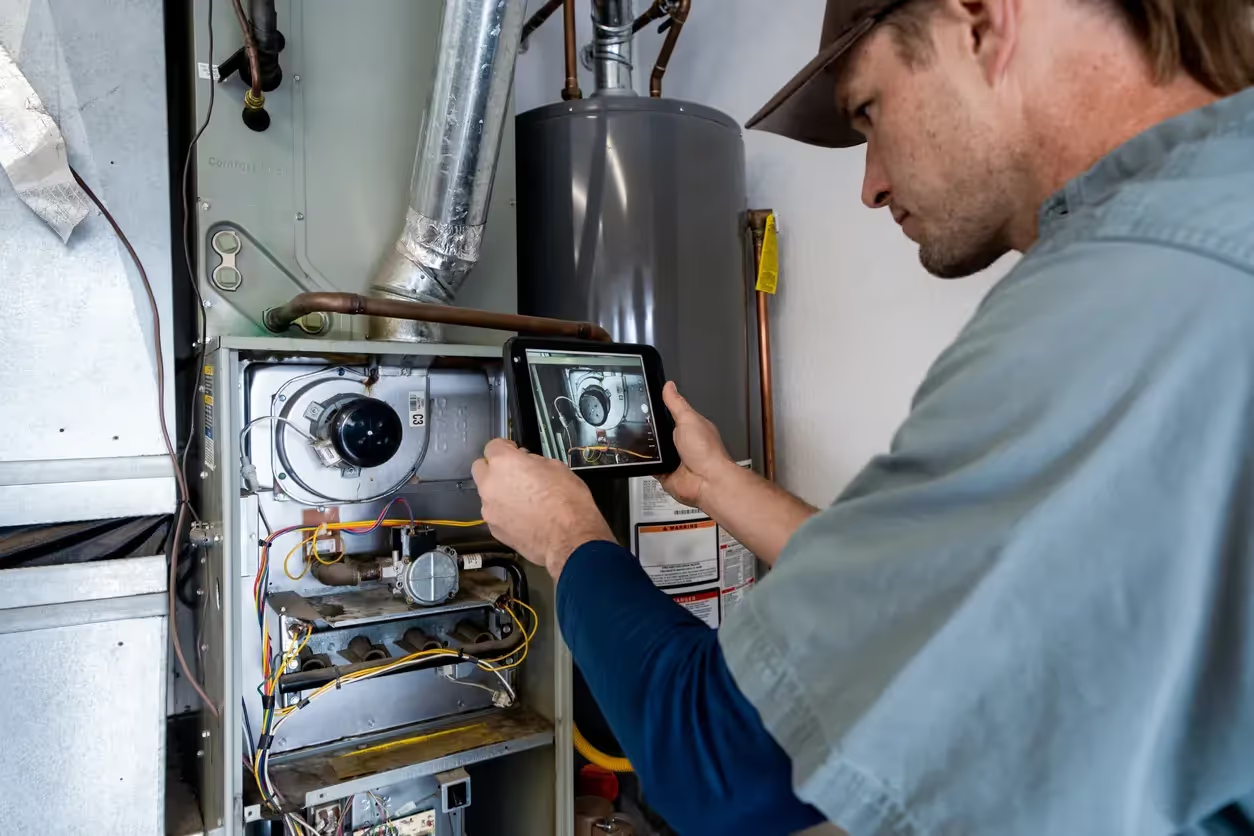
The scope of a professional furnace inspection covers the entire heating cycle, from the thermostat to the exhaust vent. Technicians arrive equipped with specialized gauges, meters, and combustion analyzers to evaluate performance against manufacturer specifications.
- Thermostat Calibration: Verification that the thermostat reads temperature accurately and communicates correctly with the furnace control board.
- Electrical Connection Tightening: Inspection of all wiring for loose connections, corrosion, or signs of overheating which could lead to electrical fires.
- Gas Pressure Verification: Measurement of gas pressure entering the manifold to ensure it matches the unit’s design requirements for optimal combustion.
- Ignition System Testing: Evaluation of the hot surface igniter or pilot light assembly to ensure reliable startup without delayed ignition or "roll-out."
- Blower Motor Assessment: Checking the amperage draw of the blower motor to detect strain, bearing wear, or capacitor failure.
- Safety Switch Verification: Testing of limit switches, roll-out switches, and pressure switches to ensure the unit shuts down automatically if a safety parameter is violated.
The Immediate Benefits of Professional Assessment
Engaging in a thorough inspection provides immediate clarity on the state of your heating infrastructure. Rather than waiting for a catastrophic failure, you gain actionable data on which parts are wearing out and which are performing well. This proactive approach allows for planned maintenance rather than emergency repairs, which are invariably more expensive and inconvenient.
Furthermore, an inspection optimizes energy efficiency. A system with a dirty burner or improper airflow must work significantly harder to reach the set temperature. This strain results in longer run times and higher fuel consumption. By adjusting the fuel-to-air ratio and ensuring unrestricted airflow, the system consumes less energy to provide the same level of comfort. This adjustment is particularly relevant for maintaining consistent warmth during the fluctuating temperatures of the transition seasons.
The Furnace Inspection Process Explained
Understanding the sequence of a service visit helps homeowners prepare and ensures transparency regarding the work being performed. The process is systematic, ensuring no component is overlooked, regardless of the furnace brand or fuel type.
Step-by-Step System Evaluation
Technicians follow a logical flow to isolate variables and test the system under load. This structured approach ensures that both mechanical and electronic components function in harmony.
- First, the technician performs a visual exterior inspection to check for obvious signs of deterioration, rust, or soot accumulation around the unit and venting.
- Next, the system power is turned off to safely inspect internal electrical components, including the capacitor and control board, looking for burnt marks or swollen capacitors.
- Then, the blower compartment is cleaned and inspected. Debris here can circulate through the home and damage the blower wheel.
- Following the internal check, the technician cleans the flame sensor. A dirty flame sensor is a common cause of furnace lockouts, as the system cannot verify a flame is present.
- Subsequently, the heat exchanger is examined using inspection cameras or dye tests to rule out cracks or holes that could leak carbon monoxide.
- The air filter is checked and, if necessary, replaced or recommended for replacement, as restricted airflow is a leading cause of overheating.
- Once reassembled, the system is powered on to test the firing sequence. The technician observes the draft inducer, igniter, gas valve opening, and main burner ignition.
- Finally, the technician measures the temperature rise—the difference in air temperature between the return and supply ducts—to ensure it falls within the manufacturer’s rated range.
Deciding Between Repair and System Replacement
During an inspection in Oakland, KY, a technician may uncover issues that force a decision between repairing the existing unit or investing in a replacement. This decision is rarely black and white, but specific metrics and industry standards help guide the choice toward the most financially sound option.
Critical Signs Your Unit Is Failing
Certain red flags discovered during an inspection indicate that a furnace is nearing the end of its useful life. If the heat exchanger is cracked, the decision is almost always to replace the unit immediately due to the immediate safety risk of carbon monoxide poisoning. While heat exchangers can technically be replaced, the labor and part cost usually approach the price of a new furnace.
Another critical sign is the frequency of repairs. If a system has required multiple service calls in the last two years, or if the cost of the current repair combined with recent repairs equals 50% or more of the cost of a new system, replacement is generally the wiser investment. This is often referred to as the "50% rule" in the HVAC industry. Additionally, if the furnace is making loud banging, popping, or screeching noises that cannot be resolved by standard maintenance, it suggests internal structural failure.
Age and Efficiency Considerations
The age of the furnace is a primary factor in the repair vs. replace equation. Most gas furnaces have a lifespan of 15 to 20 years. If a unit is over 15 years old and requires a significant repair, investing money into it is often considered throwing good money after bad. Older units also operate at much lower efficiency levels—often around 70-80% AFUE (Annual Fuel Utilization Efficiency)—compared to modern units that can reach up to 98% AFUE.
Upgrading an aging system usually results in immediate monthly savings on utility bills. A modern furnace uses less gas to produce the same amount of heat and often features variable-speed blowers that use significantly less electricity. When an inspection reveals that an older unit is struggling to maintain temperature or is short-cycling (turning on and off frequently), the long-term savings of a new, high-efficiency system often outweigh the short-term cost of keeping an obsolete machine running. Or, you might consider investing in a replacement to take advantage of these modern features.
Heating Considerations for Oakland Weather Patterns
The local climate plays a significant role in how heating systems wear and how they should be maintained. In this region, the weather is characterized by distinct seasons, with significant precipitation spread throughout the year. These environmental factors directly impact furnace performance and longevity.
Preparing for Kentucky Winters
While summers can be hot, the winters bring freezing temperatures that demand a reliable heating source. The transition from mild autumn weather to sudden freezing conditions can put immense stress on a furnace that has sat dormant for months. This "cold start" is when most components fail.
Humidity is another factor. With average annual precipitation around 50 inches, moisture control is essential. High humidity levels can lead to rust and corrosion on the burners, pilot assembly, and inside the cabinet. During an inspection, particular attention is paid to signs of oxidation that could weaken the metal or block gas ports. Ensuring that the venting system is sealed and effectively removing exhaust moisture is critical to preventing premature rotting of the flue pipes.
Local Regulations and Safety Standards
Compliance with local building codes and safety regulations is mandatory for any heating service. This ensures that the installation and operation of the furnace do not void home insurance policies or pose risks to the structure.
- Venting Requirements: Local codes dictate specific clearances for exhaust vents to prevent gases from being drawn back into the home or neighboring properties.
- Gas Line Safety: Inspections include leak detection on exposed gas lines to ensure connections meet current safety standards for natural gas or propane.
- Condensate Management: For high-efficiency condensing furnaces, local regulations require proper disposal of the acidic condensate water to prevent damage to plumbing or foundations.
Why Choose Professional Technicians for Your Heating Needs
Selecting the right provider for furnace inspection determines the accuracy of the diagnosis and the longevity of the solution. Professional service goes beyond simple mechanical knowledge; it involves a holistic understanding of airflow dynamics, thermodynamics, and safety protocols.
Technicians arriving at a home in Oakland are trained to respect the property. This involves using shoe covers, laying down drop cloths, and ensuring the workspace is left cleaner than it was found. The focus is on providing a seamless experience where the homeowner is informed but not inconvenienced.
Access to a fully stocked service vehicle is another differentiator. A thorough inspection often reveals minor parts that need replacement, such as a weak capacitor or a brittle igniter. Having these standard parts on hand allows for same-day resolution, eliminating the need for a second appointment and restoring heat immediately. Furthermore, professional technicians are trained to identify warranty status. If a failing part is still under manufacturer warranty, a licensed professional can process that claim, saving the homeowner significant material costs.
Carter Heating and Cooling employs technicians who are not just parts changers but diagnostic experts. They utilize advanced combustion analysis tools that print out real-time data regarding the furnace's oxygen, carbon dioxide, and carbon monoxide levels. This scientific approach removes guesswork, providing homeowners with concrete evidence of their system's performance and safety.
Secure Your Comfort and Safety Today
Ignoring the health of a heating system is a gamble that rarely pays off. The costs associated with emergency repairs, frozen pipes, and inefficient energy usage far exceed the investment in a routine professional inspection. A well-maintained furnace provides consistent warmth, improved indoor air quality, and the peace of mind that comes from knowing your home is safe from carbon monoxide hazards.
Do not wait for the first freeze to discover your system is compromised. Take control of your home’s comfort and efficiency now; schedule service today.
Schedule your comprehensive furnace inspection today to ensure reliable heat all winter long.

Great Service at a Fair Price
Veterans Discount


Senior Discount

Law Enforcement

Fire fighters/ems

Hear From Your Neighbors!
Hear from your neighbors to see how our commitment to dependable service and lasting comfort has made a difference in their homes.