
How can we help today?
Choose an option to see quick actions and get help faster.Heating Maintenance in Oakland, KY
Heating Maintenance in Oakland, KY
Heating Maintenance in Oakland, KY
Is Your Furnace Ready to Handle Freezing Temperatures?
As winter approaches in Oakland, KY, the reliability of your heating system becomes the most critical factor in your home’s comfort. You cannot afford to discover a mechanical failure on the first night temperatures drop below freezing, leaving your family in the cold and facing emergency repair rates. Contact us today to schedule your comprehensive heating maintenance.
A seasonal tune-up does more than just turn the unit on; it verifies that every component is operating safely and efficiently. By addressing wear and tear before the heavy workload of winter begins, you secure peace of mind and operational stability.
- Ensure consistent, even heating throughout your home during the coldest months.
- Extend the operational lifespan of your HVAC system with professional, rigorous tune-ups.
- Catch and rectify minor mechanical issues before they evolve into costly system breakdowns.
All services are performed by certified technicians to maintain your manufacturer warranty and ensure code compliance.
What a Comprehensive Heating Tune-Up Includes
A professional maintenance visit is a technical audit of your entire heating infrastructure. It is not a quick visual check; it is a systematic testing of mechanical, electrical, and combustion systems. The goal is to return the unit to factory specifications as closely as possible, ensuring it runs efficiently and safely.
When Carter Heating and Cooling performs maintenance, the focus is on performance data and safety verification. The specific tasks performed depend on whether you utilize a gas furnace, electric furnace, or heat pump, but the core objective remains the same: total system optimization.
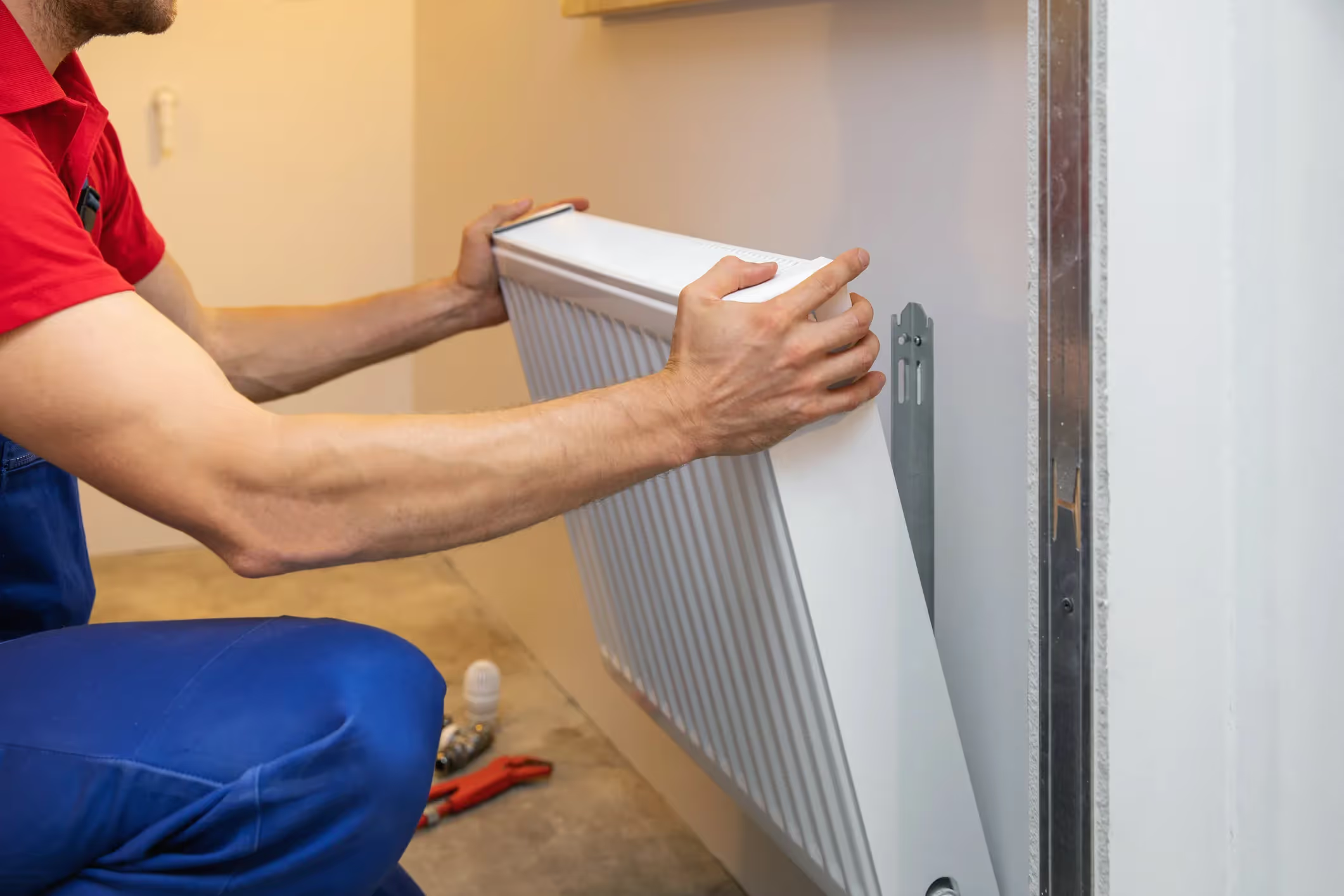
Core Heating Components Inspected
- Heat Exchanger Analysis: The heat exchanger is inspected for cracks, corrosion, or separation. A compromised heat exchanger is a primary source of carbon monoxide leaks, making this the most critical safety step in the process.
- Burner Assembly Cleaning: Dirty burners result in uneven combustion, soot buildup, and reduced heating power. Technicians clean and align the burners to ensure proper gas flow and ignition.
- Ignition System Testing: Whether your system uses a hot surface igniter or a pilot light, this component is tested for resistance and reliability. Weak igniters are a leading cause of sudden heat loss.
- Blower Motor and Belt Inspection: The blower moves air through your home. Technicians check the motor’s amperage and voltage, lubricate bearings if applicable, and inspect the drive belt for signs of cracking or slipping.
- Flame Sensor Verification: The flame sensor is a safety device that shuts off gas if no fire is detected. Over time, these become coated in oxidation. Cleaning and testing the microamp reading ensures the furnace does not short-cycle.
- Thermostat Calibration: The interface between you and your heater must be accurate. Calibration ensures the temperature you set is the temperature the system works to achieve, preventing overheating or short-cycling.
- Electrical Connection Tightening: Vibrations from normal operation loosen electrical connections over time. Loose wires cause resistance, heat, and eventual component failure. All connections are torqued to spec.
- Air Filter Replacement or Cleaning: A clogged filter restricts airflow, causing the heat exchanger to overheat and the system to shut down on a high-limit switch.
The Heating Maintenance Process
Understanding the workflow of a professional service visit helps homeowners distinguish between a basic check-up and a thorough revitalization of their heating system. The process is designed to result in a detailed report of the system’s health.
- Initial Operation Assessment: The technician begins by running the system to hear how it starts, runs, and stops. They listen for unusual noises like banging, screeching, or rattling, which often indicate loose parts or failing bearings.
- System Deactivation and Disassembly: Power and gas are turned off for safety. Access panels are removed to expose the internal components for cleaning and physical inspection.
- Deep Cleaning: Dust, soot, and debris are removed from the interior cabinet. Accumulation of debris on motors or electronics acts as insulation, causing parts to run hotter than designed and failing prematurely.
- Safety Switch Testing: Every furnace has multiple safety switches, including the high-limit switch, rollout switch, and pressure switch. Each of these is tested to ensure it will successfully shut the unit down in the event of an unsafe condition.
- Combustion Analysis: For gas units, a combustion analyzer measures the efficiency of the burn and the composition of the exhaust gases. This verifies that the fuel-to-air ratio is correct and that carbon monoxide is being properly vented out of the home.
- Airflow Verification: Static pressure tests are conducted to measure the resistance against the blower. High static pressure indicates ductwork issues or blockages that strain the motor.
- Final Performance Test: The system is reassembled and run through a full heating cycle. The technician measures the "temperature rise"—the difference in temperature between the air entering the furnace and the air leaving it—to ensure it falls within the manufacturer’s specified range.
Why Maintenance is Critical for Warranty and Safety
Many homeowners in Oakland are unaware that skipping annual maintenance can void the manufacturer’s warranty on their heating equipment. Most warranty terms explicitly state that the equipment must be maintained by a licensed professional annually. Without proof of service, the manufacturer may deny a claim for a failed compressor or heat exchanger, shifting the full replacement cost to the homeowner.
Beyond financial protection, safety is the primary driver for heating maintenance. Gas furnaces involve controlled combustion. If not maintained, this process can become dangerous.
- Carbon Monoxide Prevention: A cracked heat exchanger or a blocked flue pipe can vent deadly carbon monoxide into the living space. Regular testing identifies these risks immediately.
- Fire Hazard Reduction: Frayed wiring, dust buildup near burners, or malfunctioning limit switches can increase the risk of electrical or mechanical fires.
- Mold and Bacteria Control: For heat pumps and systems with humidifiers, neglecting maintenance can lead to biological growth in the system, which is then circulated through the ductwork.
When to Repair vs. Replace Your Heating System
During a maintenance visit, a technician may uncover issues that require more than a simple tune-up. Determining whether to invest in repairs or opt for a full system replacement is a financial and logical decision based on data. Apply for financing.
- The 50% Rule: If the cost of the repair approaches 50% of the value of a new system, replacement is generally the wiser financial move. Investing heavily in an old unit often leads to "throwing good money after bad."
- System Age: The average lifespan of a gas furnace is 15-20 years, while heat pumps typically last 10-15 years. If your unit is within or past this window and requires a major repair (like a blower motor or control board), replacement offers better long-term value.
- Frequency of Repairs: If you have required repairs in the last two consecutive years, the system has entered the failure phase of its lifecycle. Continued repairs will likely become more frequent and expensive.
- Rising Energy Bills: As systems age, they lose efficiency. If your heating bills are steadily increasing despite comparable usage and weather, the internal wear on the unit is costing you monthly. New systems with higher AFUE (Annual Fuel Utilization Efficiency) ratings can significantly lower utility costs.
- Comfort Issues: If some rooms are always cold, or if the house feels dry and dusty, an aging system may no longer be capable of conditioning the air effectively. Modern systems offer better airflow control and humidity management.
Local Considerations for Oakland, KY Residents
Heating maintenance in this region requires specific attention to local climate patterns and infrastructure. The weather in Oakland transitions rapidly, and the demands on HVAC systems reflect the humid continental climate.
- Humidity Management: Even in winter, moisture control is vital. Systems must be checked to ensure they are not introducing excess moisture into the ductwork, which can lead to mold growth during the shoulder seasons.
- Heat Pump Specifics: Many homes in the area utilize heat pumps. Because these units run year-round (cooling in summer, heating in winter), they experience double the wear and tear of a standalone furnace. Bi-annual checks are often recommended for heat pumps to check the reversing valve and defrost board operation.
- Emergency Heat Operation: For heat pumps, the "auxiliary" or "emergency" heat strips are the backup for when temperatures drop significantly below freezing. Maintenance ensures these electric strips engage correctly so you aren't left without heat during a cold snap.
- Venting Requirements: Local codes dictate specific venting requirements for gas furnaces to prevent back-drafting. Technicians verify that flue pipes are clear of bird nests, leaves, and debris that act as common obstructions in this area.
The Cost of Neglect: What Happens Without Service
Skipping a year of maintenance might not result in an immediate breakdown, but the cumulative effect of neglect accelerates system deterioration. HVAC systems are mechanical; they vibrate, generate heat, and process air. Without intervention, these processes cause degradation.
- Efficiency Loss: Dust and dirt on the blower wheel and evaporator coil act as drag. The system has to work harder and run longer to achieve the same temperature. This results in higher electric or gas bills every month.
- Premature Component Failure: A dirty filter or coil restricts airflow. This causes the heat exchanger to overheat. Over time, this thermal stress causes the metal to expand and contract beyond its tolerance, leading to cracks.
- Unexpected Breakdowns: Most heater failures occur on the coldest days of the year because that is when the system is under the most stress. A weakened capacitor or a dirty flame sensor may work fine in mild weather but fail when the system tries to run a long cycle during a freeze.
Differentiators in Professional Heating Service
Not all maintenance services are created equal. A high-quality provider focuses on the science of heating, not just a superficial cleaning. The distinction lies in the depth of the diagnostic testing and the expertise of the technician.
- Combustion Analysis vs. Visual Check: A visual check cannot detect invisible carbon monoxide leaks or inefficient fuel burning. Professional service employs digital analyzers for precise readings.
- Static Pressure Testing: Understanding the airflow dynamics of the home allows technicians to diagnose ductwork issues that simple mechanical checks miss.
- Comprehensive Reporting: You should receive a detailed account of exactly what was tested, the results of those tests, and a clear explanation of any recommendations. This transparency allows homeowners to plan for future replacements or repairs without pressure.
- Certified Expertise: Modern HVAC equipment involves complex electronics and variable-speed motors. Technicians must undergo continuous training to troubleshoot these advanced systems effectively.
Carter Heating and Cooling prioritizes a thorough, data-driven approach to maintenance. The objective is to provide a heating system that is safe, efficient, and ready for the demands of the season.
Secure Your Comfort This Winter
Do not wait for the first snowstorm to test the limits of your furnace. Proactive maintenance is the only way to ensure your heating system will perform when you need it most. By scheduling your service now, you avoid the rush of emergency calls and ensure your home remains warm and safe throughout the winter.
Schedule your heating maintenance appointment now and ensure your system is ready for the season ahead.

Great Service at a Fair Price
Veterans Discount


Senior Discount

Law Enforcement

Fire fighters/ems

Hear From Your Neighbors!
Hear from your neighbors to see how our commitment to dependable service and lasting comfort has made a difference in their homes.