
How can we help today?
Choose an option to see quick actions and get help faster.Mini Split Repair in Franklin, KY
Mini Split Repair in Franklin, KY
Experiencing issues with your mini split in Franklin? Contact us for rapid, professional repair services. Ensure your system's peak performance! Learn more.
A dysfunctional mini split system in Franklin creates immediate discomfort, leaving your home vulnerable to rising humidity and unstable temperatures. When your ductless unit fails to cool or heat properly, you face unexpected disruptions to your daily routine and potential damage to the equipment if the issue remains unresolved. Contact us today to schedule a diagnostic visit or inquire about our available financing options for major repairs.
Homeowners rely on ductless systems for precise climate control, and a breakdown requires a technical approach that prioritizes speed and accuracy. Carter Heating and Cooling provides targeted repair services designed to restore your system’s performance without delay.
- Rapid on-site response within 24 hours to address urgent cooling failures.
- Certified repairs backed by a satisfaction guarantee for long-term reliability.
- Flexible financing options to manage unexpected repair costs without stress.
All repairs are fully warrantied and comply with local HVAC standards for your peace of mind.
Identifying Critical Ductless System Failures
Mini split systems utilize sophisticated inverter technology and complex electronics that differ significantly from traditional central HVAC units. When these systems fail, the symptoms are often specific and require a trained eye to diagnose correctly. Recognizing these signs early prevents minor component failures from cascading into a total system burnout.
The most common indicators of a system requiring professional attention include:
- Water Leaking Indoors: A ductless head unit dripping water down the wall usually indicates a clogged condensate drain line or a broken condensate pump. In humid climates, this can lead to water damage on drywall and flooring if not addressed immediately.
- Loss of Cooling Power: If the unit blows air but the air is not cold, the system likely has a refrigerant leak or a compressor issue. Low refrigerant levels stress the compressor, potentially causing permanent damage.
- Communication Errors: Mini splits rely on constant communication between the indoor and outdoor units. Wiring issues or control board failures often result in the unit shutting down completely or blinking specific error codes.
- Unusual Noises: Grinding, clicking, or hissing sounds suggest mechanical failure in the blower motor, expanding refrigerant lines, or debris caught in the fan assembly.
- Ice Formation: Ice building up on the evaporator coils generally points to restricted airflow due to dirty filters or a refrigerant charge that has dropped below operational specifications.
The Diagnostic and Repair Scope
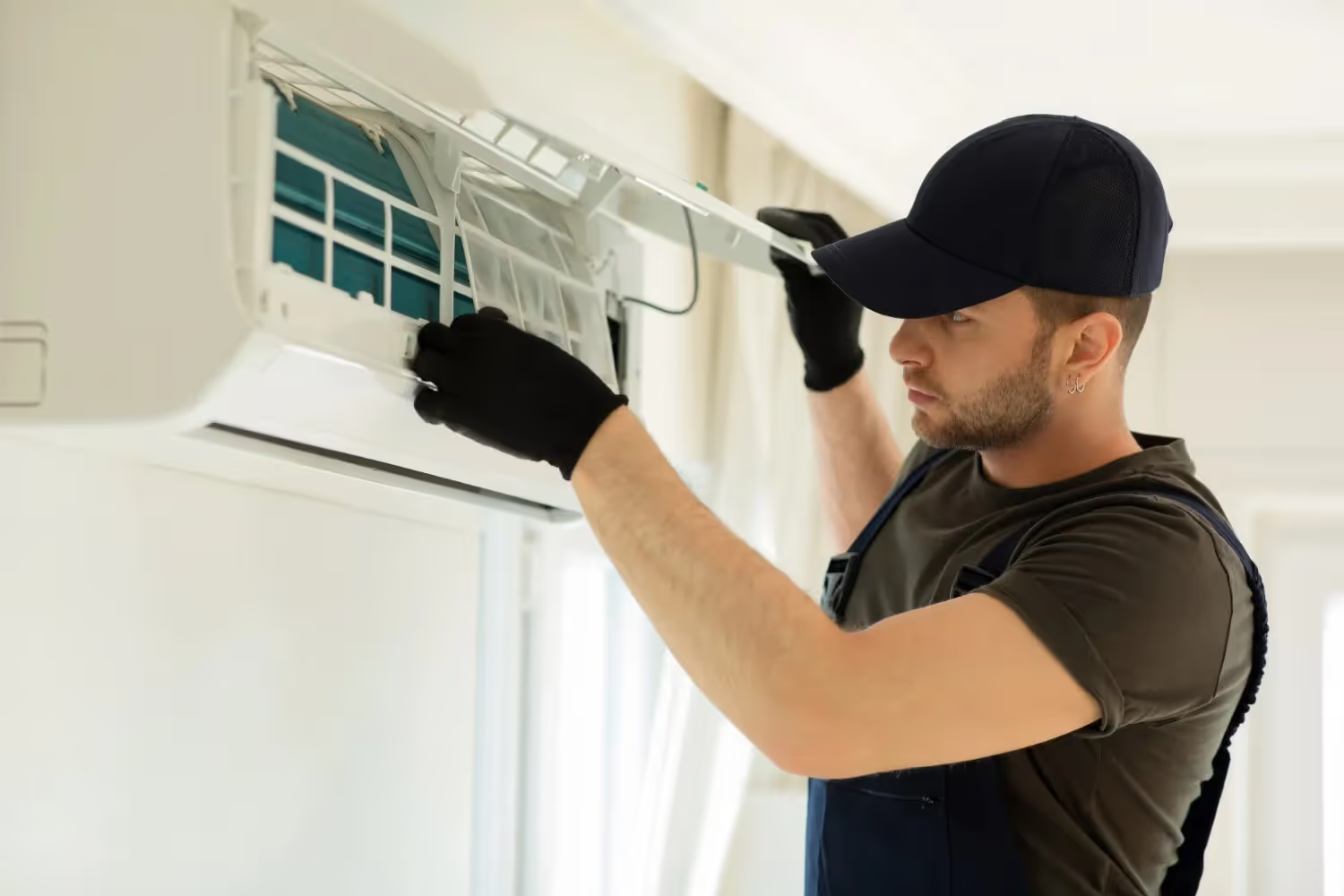
Effective repair begins with a comprehensive evaluation of both the indoor air handler and the outdoor condenser. Unlike generic troubleshooting, a professional diagnostic process isolates the root cause using manufacturer-specific protocols.
Upon arrival, the technician performs a systematic check of the system’s vital functions. This includes measuring refrigerant pressures to ensure they match the manufacturer’s charging charts. The electrical components, including the inverter board and sensors, are tested for voltage irregularities and continuity. Because mini splits operate on DC voltage for many internal components, standard AC voltage testing is insufficient.
Once the issue is isolated, the repair process moves to component replacement or adjustment.
- Refrigerant Leak Repair: If a leak is detected, the technician locates the source, repairs the line set or connection, and recharges the system with the precise amount of refrigerant required by the factory.
- Electrical Board Replacement: Inverter boards are the brain of the system. If a surge or age has damaged the board, it is replaced with an OEM part to restore communication between units.
- Drainage Correction: Technicians clear blockages in the drain line and test the condensate pump to ensure water is actively removed from the indoor unit.
- Motor and Fan Service: Faulty blower motors or outdoor fan motors are replaced to restore proper airflow and heat exchange efficiency.
The goal of every service call is to leave the system running at its original efficiency rating, ensuring that energy consumption remains low while comfort levels return to normal.
Understanding the Repair Process Workflow
Homeowners often worry about the disruption a repair might cause. The process is designed to be as non-intrusive as possible, focusing on getting the system back online quickly.
- Initial Assessment: The technician arrives equipped with specialized tools for ductless systems. They review any error codes displayed on the unit and listen to the homeowner’s description of the problem.
- Isolation of the Circuit: To ensure safety, power is disconnected at the service disconnect box. This allows for safe inspection of high-voltage wiring and internal components.
- Component Testing: Using multimeters and pressure gauges, specific parts are tested. This eliminates guesswork. For example, thermistors are checked to ensure they are reading temperatures accurately.
- Quotation and Approval: Before any work begins, the technician provides a clear explanation of the failure and a quote for the repair. This ensures transparency regarding costs and timelines.
- Execution of Repair: The faulty component is removed and replaced. If the system requires cleaning to function correctly, such as deep cleaning of a moldy blower wheel, this is performed during the visit.
- System Re-Commissioning: Power is restored, and the unit is run through a test mode. The technician monitors discharge air temperatures and amperage draw to verify the fix is successful.
When to Repair vs. When to Replace
Deciding between repairing a current unit or investing in a new system is a financial and practical calculation. While repair is often the most direct solution, certain scenarios favor replacement to maximize long-term value.
Opt for Repair When:
- The unit is under ten years old and has been well-maintained.
- The cost of the repair is less than 50% of the cost of a new installation.
- The system generally cools and heats well, and the breakdown is an isolated incident.
- The warranty still covers major parts like the compressor.
Consider Replacement When:
- The unit utilizes outdated R-22 refrigerant, which is expensive and difficult to source.
- The system requires frequent repairs, indicating that multiple components are reaching the end of their lifespan.
- The compressor has failed, and the unit is out of warranty. Compressor replacement is labor-intensive and costly, often rivaling the price of a new outdoor unit.
- You notice a significant increase in energy bills despite normal usage. Newer models offer higher SEER ratings that can drastically reduce monthly utility costs.
- The system no longer keeps up with the humidity or temperature demands of the space.
Local Considerations for Franklin Homeowners
Operating a mini split in Franklin requires attention to specific regional factors. The humid subtropical climate places a heavy load on air conditioning equipment, particularly regarding moisture removal.
- Humidity Management: During the humid summer months, mini splits work hard to dehumidify the air. If the unit is oversized or short-cycling, it will fail to remove moisture, leading to a clammy indoor environment. Repairs often involve adjusting fan speeds or checking refrigerant levels to maximize latent heat removal.
- Mold and Microbial Growth: Because of the local humidity, the dark, damp interior of a ductless head is prone to mold growth on the blower wheel. This restricts airflow and degrades air quality. Regular maintenance and specific cleaning protocols are essential in this region.
- Electrical Stability: Franklin’s weather includes frequent thunderstorms which can cause voltage spikes. Mini split inverter boards are highly sensitive to "dirty power" or surges. Installing surge protection at the disconnect box is a critical recommendation for local homes to prevent expensive board failures.
- Permitting and Codes: Repairs involving major electrical work or refrigerant handling must adhere to local building codes and safety standards. Professional technicians ensure that all work is compliant with Franklin municipal regulations.
- Winter Operation: While winters are mild, temperatures can drop below freezing. Heat pump mini splits need to go into defrost cycles. If a unit is not defrosting or is blowing cold air during winter, it may be a sensor issue or a problem with the reversing valve.
The Importance of Professional Diagnostics
Attempting DIY repairs on a mini split system is rarely successful and often dangerous. Unlike window units, these are complex, high-voltage appliances containing pressurized refrigerant.
- Warranty Preservation: Most manufacturer warranties are voided if the unit is serviced by uncertified individuals. Professional repair ensures that parts warranties remain intact.
- Specialized Tooling: Diagnosing inverter-driven compressors requires specific electronic testing equipment that general handymen do not possess.
- Leak Prevention: Improper handling of flare connections is the number one cause of refrigerant leaks. Professionals use torque wrenches and flaring tools to create leak-proof seals.
- Safety: High-voltage DC current stored in capacitors presents a significant shock hazard even after power is disconnected. Trained technicians know how to safely discharge these components.
Carter Heating and Cooling employs technicians who undergo specific training for ductless technology. This expertise translates to accurate diagnostics, fewer callbacks, and a system that operates safely and efficiently.
Restoring Comfort to Your Home
A broken mini split disrupts your comfort and risks higher energy bills. Whether you are dealing with a water leak, a communication error, or a complete system failure, immediate professional intervention is the only way to ensure the longevity of your investment. By addressing the root cause with precision and using high-quality parts, you restore the quiet, efficient cooling that ductless systems are known for.
Do not let a minor malfunction turn into a major replacement expense. Secure your home’s comfort and efficiency today.

Great Service at a Fair Price
Veterans Discount


Senior Discount

Law Enforcement

Fire fighters/ems

Hear From Your Neighbors!
Hear from your neighbors to see how our commitment to dependable service and lasting comfort has made a difference in their homes.