
How can we help today?
Choose an option to see quick actions and get help faster.AC Inspection in Franklin, KY
AC Inspection in Franklin, KY
Experiencing issues with your AC in Franklin? Schedule a comprehensive AC inspection now to ensure performance and avoid costly breakdowns. Learn more today.
Is Your Air Conditioner Failing to Beat the Humidity?
When the summer humidity rises in Franklin, KY, an inefficient air conditioner shifts from a minor inconvenience to a major disruption in your daily life. If your cooling system is making strange noises, cycling frequently, or simply failing to maintain a comfortable temperature, you need a professional assessment to identify the root cause immediately. Contact us today to schedule a comprehensive diagnostic inspection and restore your home's comfort.
A failing AC unit often provides warning signs before a complete breakdown occurs. Ignoring these signals usually leads to more expensive repairs or premature system replacement down the line. Our inspection process is designed to catch these issues early, ensuring your system operates safely and efficiently when you need it most.
- Certified technicians arrive fully equipped to diagnose issues on the very first visit.
- Comprehensive evaluations cover mechanical, electrical, and safety components to maximize efficiency.
- You receive a detailed, transparent report outlining the exact condition of your unit with actionable recommendations.
All services adhere to local safety standards and manufacturer warranty requirements to protect your investment.
Comprehensive Analysis of Your Cooling System
An AC inspection is more than a quick visual check; it is a rigorous audit of your HVAC system’s performance capabilities. Homeowners often mistake a tune-up for a diagnostic inspection. While they share similarities, an inspection is deeply focused on identifying existing faults and verifying that every specific component meets manufacturer specifications.
When a technician evaluates your system, the goal is to provide a clear picture of its current health. This involves measuring airflow, testing electrical consumption, and verifying refrigerant levels. This data-driven approach removes the guesswork from cooling repair and maintenance.
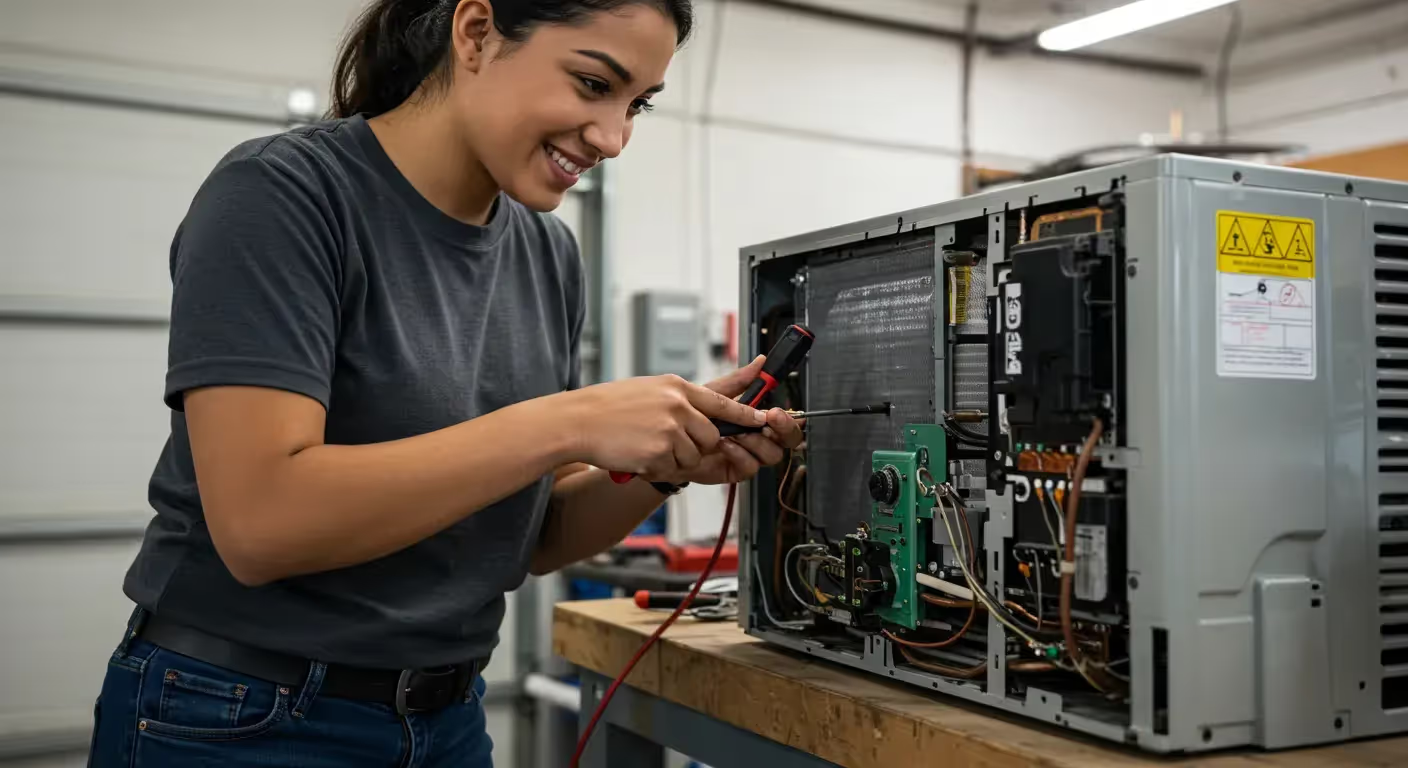
Electrical Component Testing
Electrical failures are a leading cause of AC breakdowns. The inspection process involves a granular look at the electrical connections and components that power your unit.
- Thermostat Calibration: The interface between you and your system must be accurate. Technicians verify that the thermostat reads the temperature correctly and signals the unit appropriately.
- Capacitor Testing: Capacitors provide the jolt of electricity needed to start the compressor and fan motors. Weak capacitors are identified before they fail and leave the system unable to start.
- Contactor Inspection: These switches control the flow of electricity to major components. Pitted or burned contactors are flagged as they can lead to compressor failure.
- Wiring and Connections: Loose or corroded wires create resistance and heat, posing fire hazards and causing intermittent operation. All connections are tightened and inspected for wear.
Mechanical and Refrigerant Assessment
The mechanical heart of your air conditioner requires precise pressure and lubrication to function.
- Refrigerant Levels: Incorrect refrigerant charge—whether too high or too low—drastically reduces efficiency and can damage the compressor. Technicians measure superheat and subcooling to ensure the charge is exact.
- Compressor Amp Draw: The compressor is the engine of your AC. Measuring how much power it draws indicates the load it is under and can predict longevity.
- Fan Motor Performance: Both the blower fan (inside) and the condenser fan (outside) are checked for balance, bearing wear, and proper speed.
- Coil Condition: The evaporator and condenser coils are inspected for dirt, debris, and corrosion, all of which impede heat transfer.
Airflow and Drainage Verification
Even a mechanically sound unit will fail if air cannot move through it or if condensation cannot drain away.
- Static Pressure Test: This measures the resistance against the blower motor, identifying blockages in ductwork or dirty filters.
- Filter Check: The condition of the air filter is assessed, as a clogged filter is the most common cause of frozen coils.
- Condensate Drain Line: The drain line is inspected for algae buildup or blockages that could cause water damage to your home.
- Drain Pan Inspection: Rust or cracks in the drain pan are identified to prevent leaks.
How the Inspection Process Works
Understanding the sequence of a professional inspection helps you prepare and know what to expect. The process is systematic, ensuring no component is overlooked.
- Initial Consultation and Visual Survey: The technician begins by asking about any specific concerns you have noticed, such as hot spots in the house or unusual sounds. A visual survey of the outdoor unit and indoor air handler looks for obvious signs of damage or wear.
- System Operation Test: The system is turned on to monitor its startup cycle. The technician listens for irregular noises and watches for delayed ignition or fan engagement.
- Detailed Component Testing: Once the system is running, the technician uses specialized gauges and meters to test the electrical and mechanical metrics listed above. Power is temporarily disconnected for safety during internal checks.
- Safety Controls Verification: Limit switches and safety cut-offs are tested to ensure they will shut the system down in case of an emergency, preventing catastrophic damage.
- Findings and Reporting: After the physical inspection is complete, the technician compiles the data. You receive a clear explanation of the system’s health. If repairs are needed, they are explained with specific reasons why they are necessary.
- Restoring the Workspace: The technician ensures all panels are secured, the thermostat is returned to your preferred setting, and the work area is clean.
Critical Signs You Need an Assessment Now
While annual inspections are recommended for maintenance, certain symptoms indicate an urgent need for professional attention. Waiting often results in the problem compounding, leading to higher repair bills.
- Warm Air Blowing from Vents: If the thermostat is set to cool but the air coming out is warm or room temperature, this indicates a compressor issue or a refrigerant leak.
- Weak Airflow: Insufficient air movement suggests a failing blower motor or a frozen evaporator coil. This forces the system to run longer to reach the target temperature.
- Short Cycling: If the AC turns on and off frequently without completing a full cooling cycle, it causes immense strain on the compressor. This can be caused by electrical issues or an oversized unit.
- Unusual Odors: Musty smells often indicate mold growth inside the unit or ductwork, while burning smells point to electrical overheating. Both require immediate investigation.
- Water Leaks: Moisture around the indoor unit indicates a blocked drain line or a cracked drip pan. Unaddressed leaks can cause structural damage to your floors and ceilings.
- Sudden Spikes in Energy Bills: If your usage habits haven't changed but your electric bill has skyrocketed, the AC efficiency has plummeted, likely due to a failing component.
Deciding Between Repair and Replacement
Following an inspection, you may be sufficient with the results, or you may be improved with a list of recommended repairs. Carter Heating and Cooling technicians provide the data you need to make an informed decision on how to proceed.
When Repair is the Right Choice
- The Unit is Under 10 Years Old: Modern air conditioners are built to last 15 to 20 years. If the unit is relatively new, repairing it is usually the most cost-effective option.
- The Repair Cost is Minor: If the cost of the repair is less than 50% of the value of the system, fixing it makes financial sense.
- Warranty Coverage: If the parts or labor are covered under a manufacturer’s warranty, repair is the logical step.
- Consistent Comfort History: If the unit has historically kept the home comfortable and this is an isolated incident, a repair will likely restore performance.
When Replacement is the Better Investment
- The Unit is Over 15 Years Old: As systems age, they become less efficient and parts become harder to source. Investing in an old system often leads to diminishing returns.
- Frequent Breakdowns: If you have required multiple repairs in the last two years, the system is likely entering the end of its lifecycle. A new unit eliminates the recurring repair costs.
- R-22 Refrigerant: Older units utilizing R-22 (Freon) are expensive to service because this refrigerant is phased out. Upgrading to a modern system uses environmentally friendly and cheaper refrigerants.
- Efficiency Gains: New systems have much higher SEER ratings. The energy savings from a new unit can sometimes offset the monthly cost of financing a replacement.
Local Considerations for AC Performance
Operating an air conditioning system in Franklin requires attention to specific regional factors. The humid subtropical climate presents unique challenges that standard inspections must address.
Combatting High Humidity:
In this region, the air conditioner serves a dual purpose: cooling the air and removing moisture. If the humidity levels inside the home remain high even when the temperature is cool, the AC may be short-cycling or the evaporator coil may be dirty. Inspections here focus heavily on the dehumidification capacity of the unit to prevent mold growth and maintain indoor air quality.
Seasonal Transition Checks
The weather can shift rapidly from mild winters to hot summers. Systems that sit idle or operate in heating mode for months need a thorough check before the first heatwave hits. Components like the reversing valve (in heat pumps) and the condensate drain need to be verified to ensure they are ready for the switch to cooling.
Vegetation and Outdoor Units
The rapid growth of vegetation in the spring and summer can crowd outdoor condenser units. Inspections include checking for proper clearance around the unit. Leaves, grass clippings, and pollen can clog the condenser fins, restricting airflow and causing the system to overheat. Ensuring the outdoor unit is free from obstruction is vital for efficiency.
Utility Costs and Efficiency
With the high demand for cooling in the summer months, energy efficiency is paramount. A system losing even a small percentage of efficiency due to dirty coils or low refrigerant will result in noticeably higher utility bills. Regular inspections ensure the system is running at the peak efficiency it was designed for, keeping local energy costs manageable.
The Value of Professional Diagnostics
Attempting to diagnose AC issues without proper training and tools rarely results in a long-term fix and can be dangerous. HVAC systems involve high-voltage electricity, high-pressure gases, and complex mechanical interactions.
- Safety First: Technicians are trained to handle high-voltage components safely. DIY attempts pose a risk of electrocution or damage to the unit's wiring.
- Accurate Diagnosis: Guessing which part is broken leads to "parts changing," where homeowners replace components unnecessarily. A professional pinpoint the exact failure.
- Code Compliance: Licensed technicians ensure that the system operates within local building codes and safety regulations.
- Preserving Warranties: Most manufacturer warranties require proof of professional maintenance. DIY repairs can void these warranties, leaving you responsible for the full cost of future replacements.
- Long-Term Reliability: A professional inspection looks beyond the immediate symptom to find the underlying cause. This holistic approach prevents the same issue from recurring weeks later. — see our customer reviews.
An air conditioning system is a significant investment in your home and quality of life. Ensuring it operates correctly requires more than just changing a filter; it requires the eye of a trained expert who understands the thermodynamics and electrical engineering behind the cooling process.
Concerned About Strange Noises or Summer Performance? Get Expert Insight Now
Whether you are preparing for the summer heat or investigating a sudden noise, a professional inspection provides the clarity and peace of mind you need. Don't wait for a total system failure on the hottest day of the year. Take control of your home comfort today.
Secure your peace of mind and system efficiency—schedule your professional AC inspection now.

Great Service at a Fair Price
Veterans Discount


Senior Discount

Law Enforcement

Fire fighters/ems

Hear From Your Neighbors!
Hear from your neighbors to see how our commitment to dependable service and lasting comfort has made a difference in their homes.