
How can we help today?
Choose an option to see quick actions and get help faster.Heating Maintenance in Franklin, KY
Heating Maintenance in Franklin, KY
Heating Maintenance in Franklin, KY
Is Your Heater Ready for the Franklin Chill?
As the chilly nights in Franklin, KY, start to set in, a failing heater is the last thing you need. A heating system that struggles to keep up not only impacts your comfort but can also lead to skyrocketing energy bills and critical safety hazards during the winter months. Carter Heating and Cooling helps you avoid these risks with comprehensive system tune-ups; contact us today to schedule your service or inquire about our financing options.
Our certified technicians are here to ensure your heating system is in top shape before the temperature drops significantly. We focus on preventative measures that address wear and tear before they evolve into costly breakdowns. By analyzing your system’s current condition, we provide a clear roadmap for reliable heating throughout the season.
- Reliable Function: Prevent unexpected breakdowns with our comprehensive maintenance check-up that identifies failing components early.
- Enhanced Efficiency: Save on your utility bills with optimized heating performance that reduces energy waste.
- Extended System Life: Prolong the lifespan of your heater with regular upkeep and timely repairs that reduce mechanical stress.
All services are performed by licensed professionals, backed by a satisfaction guarantee.
Comprehensive Heating System Inspection and Tune-Up
Effective maintenance goes far beyond a simple filter change. It involves a rigorous inspection of the mechanical, electrical, and combustion components of your heating unit. When you request a professional tune-up, the goal is to restore the system to factory specifications, ensuring it operates as safely and efficiently as the day it was installed. A lack of professional attention often results in "silent" failures—issues that do not stop the heat immediately but slowly degrade the internal components, leading to premature failure.
A professional maintenance visit addresses the core functions of your furnace or heat pump. The technician evaluates the system’s ability to generate heat, move air, and vent exhaust gases safely. This process is designed to uncover hidden issues such as cracked heat exchangers, which can leak carbon monoxide, or weak capacitors that stress the blower motor.
Detailed Component Analysis
During a maintenance visit, specific attention is given to the critical parts of your HVAC infrastructure. This granular approach ensures no part of the system is overlooked.
- Heat Exchanger Inspection: For gas furnaces, the heat exchanger is critical for separating combustion gases from the air you breathe. Technicians inspect this component for cracks, corrosion, or separation to prevent carbon monoxide leaks.
- Burner Assembly Cleaning: Soot and debris can build up on burners, causing uneven flames and inefficient combustion. Cleaning the burners ensures proper heat generation and reduces fuel waste.
- Ignition System Testing: Whether your system uses a hot surface igniter or a pilot light, verifying its function ensures reliable startup every time the thermostat calls for heat.
- Blower Motor Calibration: The blower motor is responsible for circulating warm air. Technicians check the amp draw and capacitor strength to ensure the motor isn't overheating or working harder than necessary.
- Safety Switch Verification: Modern heaters have multiple safety interlocks, including limit switches and rollout switches. These are tested to ensure the unit shuts down immediately if a safety parameter is violated.
- Electrical Connection Tightening: Loose wiring causes voltage drops and resistance, which can lead to component failure or electrical fires. All connections are inspected and tightened.
Optimizing Airflow and Efficiency
Airflow is the lifeblood of any heating system. Even if the furnace generates heat, restricted airflow prevents that warmth from reaching your living spaces. This restriction causes the system to overheat, leading to short-cycling—where the unit turns on and off rapidly—which drastically reduces efficiency and accelerates wear.
- Static Pressure Measurement: Technicians measure the resistance against the blower fan. High static pressure indicates ductwork issues or dirty coils that must be addressed to improve performance.
- Air Filter Assessment: While homeowners often change filters, a technician evaluates if the current filter type is appropriate for the system’s airflow requirements.
- Ductwork Inspection: Visible ductwork is checked for leaks or disconnections that allow heated air to escape into attics or crawlspaces before reaching the rooms in your Franklin home.
The Preventative Maintenance Process
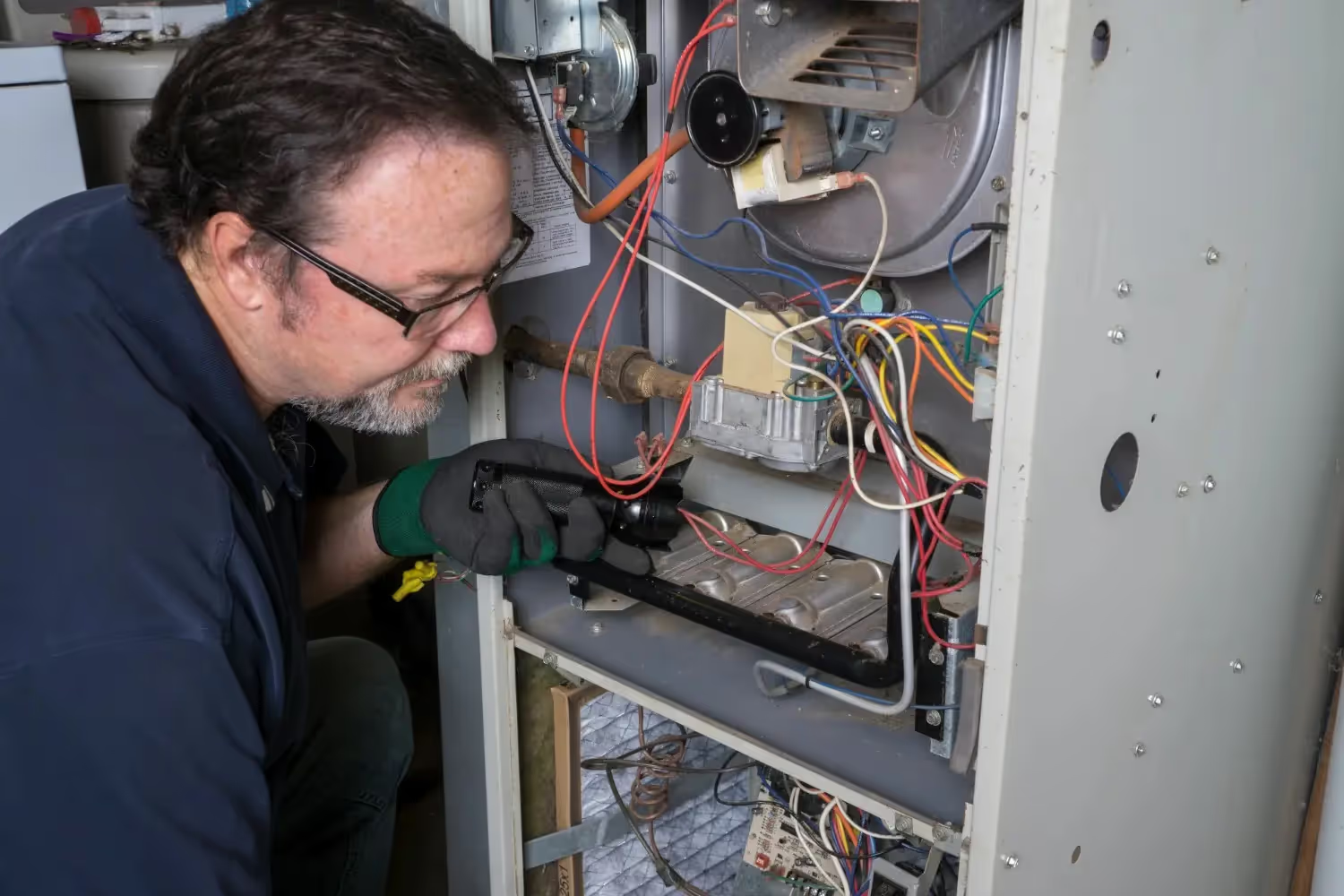
Understanding what happens during a service appointment helps homeowners see the value of proactive care. The process is systematic, designed to minimize disruption to your day while maximizing the technical insight gained into your system's health. It moves from visual inspection to active testing and cleaning.
- Initial System Operation: The technician begins by running the system to observe its startup sequence, listening for unusual noises like rattling or grinding, and smelling for odors that indicate burning dust or electrical issues.
- Power Down and Interior Access: Power is cut to the unit to safely access internal components. Panels are removed to expose the blower, burners, and controls.
- Deep Cleaning: Dust and debris are removed from the cabinet, blower wheel, and burner assembly. Accumulated dust acts as an insulator, causing motors to run hot and reducing the lifespan of electronic controls.
- Lubrication of Moving Parts: Older motors and bearings often require lubrication to reduce friction. Reducing friction minimizes the electrical load and prevents seizing.
- Thermostat Calibration: The thermostat is checked to ensure it reads the room temperature accurately. A miscalibrated thermostat can cause the system to run longer than necessary, wasting energy.
- Final Performance Test: After cleaning and adjustments, the system is powered back on. The technician measures the "temperature rise"—the difference between the air entering the return and the air leaving the supply—to confirm it falls within the manufacturer’s specified range.
Deciding Between Repair and Replacement
Homeowners often face the difficult decision of whether to continue maintaining an aging unit or to invest in a replacement. Maintenance can significantly extend the life of a heater, but there is a point of diminishing returns where a new system becomes the more financial logic choice. Understanding the signals of a dying system helps in making an informed, unpressured decision.
- Age of the Equipment: Most furnaces and heat pumps have a service life of 15 to 20 years. If your unit is approaching or exceeding this age range, maintenance may keep it running, but efficiency has likely degraded significantly compared to modern standards.
- Frequency of Breakdowns: If you find yourself requiring repairs multiple times in a single season, the cost of parts and labor will quickly eclipse the monthly payments of a new, warrantied system.
- Rising Energy Costs: A sudden, unexplained increase in heating costs suggests the internal components are working much harder to produce the same amount of heat. This efficiency loss is often irreversible in very old units.
- Comfort Consistency: Uneven heating, where some rooms are freezing while others are hot, indicates that the system no longer has the capacity or airflow dynamics to condition the entire home effectively.
- Cost of Repair Rule: A common industry metric is to multiply the age of the unit by the cost of the repair. If the total exceeds $5,000, replacement is typically the wiser investment.
Local Climate Considerations for Franklin Residents
The climate in Franklin, KY, presents specific challenges for heating systems. While the region is classified as humid subtropical, winters bring distinct cold snaps that demand reliable performance from your HVAC equipment. The transition periods in spring and fall are moderate, but the sudden drops in temperature during winter nights put immense strain on systems that have sat idle or operated in cooling mode for months.
- Humidity Management: Even in winter, humidity levels can affect comfort. A well-maintained system helps regulate indoor humidity, preventing the dry air that causes static electricity and respiratory irritation, or the excess moisture that promotes mold growth.
- Heat Pump Efficiency: Many homes in the area utilize heat pumps. These systems are highly efficient in moderate cold but must rely on auxiliary heat strips when temperatures drop below freezing. Maintenance ensures the defrost board and reversing valve function correctly so the switch to auxiliary heat happens seamlessly.
- Venting Requirements: Changes in local building codes or renovations to your home can affect how gas furnaces require venting. Technicians verify that flue pipes are clear of obstructions like bird nests or debris, which are common issues in the region.
- Utility Rebates: Local utility providers frequently offer rebates for efficiency upgrades or tune-ups. Keeping your system at peak efficiency often aligns with the requirements for these programs.
Why Professional Execution Matters
Attempting DIY maintenance or hiring unqualified labor often voids manufacturer warranties and risks safety. Modern heating systems are complex appliances involving high-voltage electricity, combustible gases, and pressurized refrigerants. The tools required to properly diagnose a heat exchanger crack or measure static pressure are specialized and not available to the general public.
Carter Heating and Cooling technicians undergo continuous training to stay updated on the latest HVAC technologies and safety protocols. We utilize industrial-grade diagnostic tools that provide precise readings, allowing us to detect variances that the human eye would miss. This data-driven approach removes the guesswork from heating repair and maintenance.
- Warranty Preservation: Most equipment manufacturers require proof of annual professional maintenance to keep the parts warranty valid. Without this record, you may be liable for the full cost of replacing a failed compressor or heat exchanger, even if the unit is relatively new.
- Safety Assurance: The risk of fire or carbon monoxide poisoning is real with neglected heating systems. Professional maintenance includes safety checks that certify the unit is operating within safe parameters, providing peace of mind for you and your family. Read our reviews.
- Long-Term Savings: The cost of a maintenance plan is a fraction of the cost of a major repair or premature system replacement. By investing in regular care, you reduce the total cost of ownership of your heating system.
Secure Your Comfort This Winter
Don't wait until the first freezing night to discover your heater isn't working. Proactive maintenance is the only way to guarantee consistent warmth, lower energy bills, and safe operation throughout the winter season. Your heating system is an investment in your home’s livability; protecting it requires professional attention and a commitment to quality service.
Ensure your home remains a sanctuary against the cold. Reach out to our team to schedule your comprehensive heating maintenance and experience the difference of a finely tuned system.

Great Service at a Fair Price
Veterans Discount


Senior Discount

Law Enforcement

Fire fighters/ems

Hear From Your Neighbors!
Hear from your neighbors to see how our commitment to dependable service and lasting comfort has made a difference in their homes.