
How can we help today?
Choose an option to see quick actions and get help faster.Furnace Service in Lewisburg, KY
Furnace Service in Lewisburg, KY
Furnace Service in Lewisburg, KY
Facing Heating Woes in Lewisburg?
Struggling with an unreliable or underperforming furnace during the unpredictable Kentucky weather can disrupt your entire household routine. You are not alone in facing these challenges, and immediate help is available by contacting Carter Heating and Cooling to schedule a diagnostic visit or discuss financing options.
- Rapid response and same-day service options available to ensure your comfort.
- Expert, certified technicians equipped to handle all furnace types and issues.
- Transparent pricing and excellent financing options to meet your budget needs.
All services are backed by comprehensive warranties and are carried out in full compliance with local codes.
What to Expect: Same-Day Service, Advanced Diagnostic Equipment
When your heating system fails in the middle of a cold snap in Lewisburg, waiting days for a technician is not an option. Modern furnace service focuses on speed, accuracy, and restoring heat immediately. A professional service visit begins with a comprehensive assessment using advanced diagnostic tools. These tools allow technicians to pinpoint issues that are not visible to the naked eye, such as hairline cracks in the heat exchanger, electrical faults in the thermostat wiring, or imbalances in the blower motor.
Residents in the area require a service provider who understands that heating emergencies do not adhere to standard business hours. The service protocol involves dispatching a fully stocked vehicle to your location. This "warehouse on wheels" approach ensures that common replacement parts—such as igniters, flame sensors, and limit switches—are readily available. The goal is to complete the repair during the initial visit rather than requiring a second appointment after ordering parts.
Upon arrival, the technician performs a systematic safety check. This is critical for gas furnaces, where carbon monoxide leaks can pose serious health risks. The inspection includes testing the flue draft, checking the burner assembly for proper combustion, and verifying that all safety controls are functioning within manufacturer specifications. If the system is cycling frequently, making unusual noises, or failing to reach the set temperature, these diagnostic steps reveal the root cause instantly.
Beyond immediate repairs, the service includes a transparent explanation of the findings. You receive a clear report detailing the component failure, the necessary corrective action, and the associated costs before any work begins. This eliminates surprise fees and allows you to make an informed decision regarding your property's heating infrastructure.
Seamless Procedures from Start to Finish
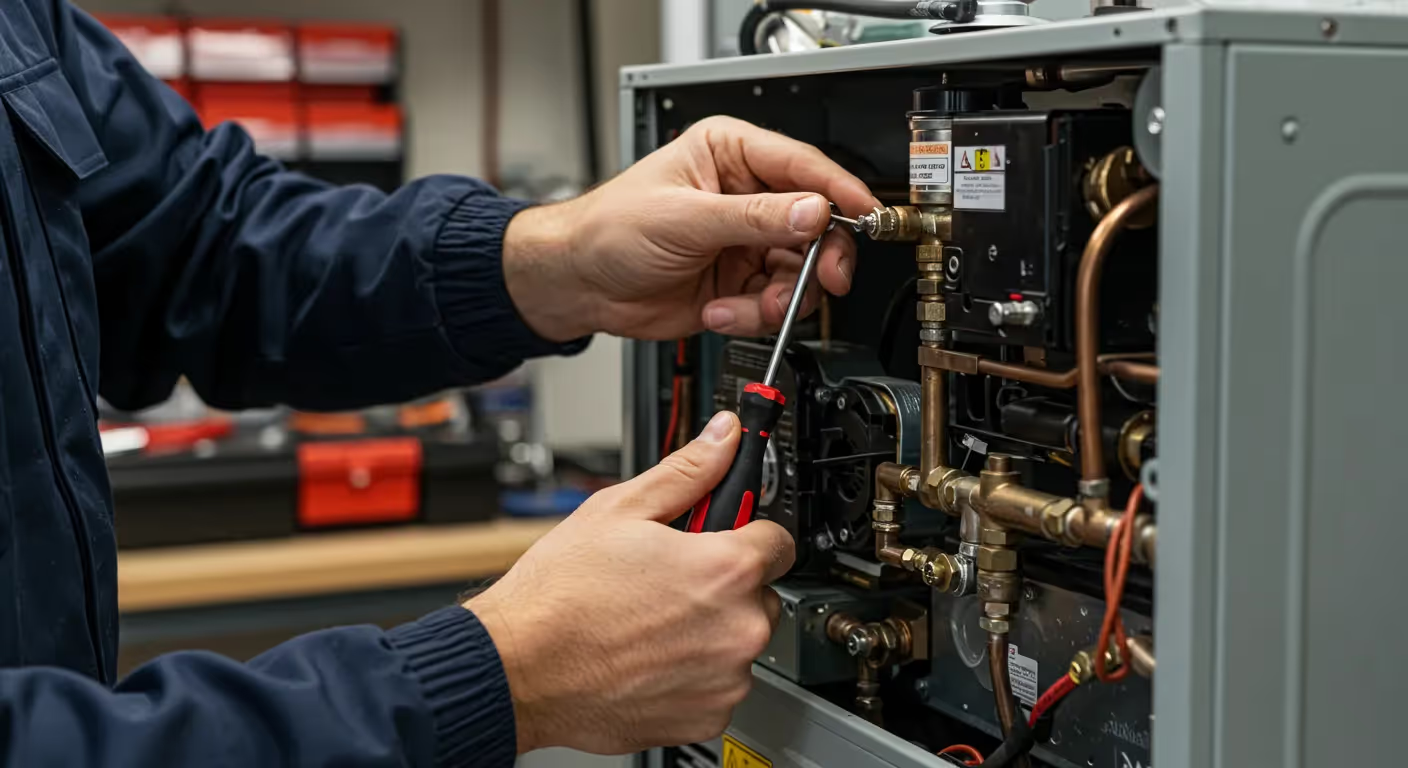
Whether you require a complex repair or a complete system overhaul, the process follows a structured, efficient workflow designed to minimize disruption to your home. Professional HVAC teams adhere to strict protocols to ensure every aspect of the furnace operation is optimized for performance and safety.
The engagement typically moves through the following stages:
Initial Assessment and Load Calculation:
The process starts with a thorough evaluation of the current system and the home’s thermal characteristics. If a replacement is being considered, technicians perform a Manual J load calculation. This engineering standard determines the exact heating capacity required based on the home's square footage, insulation levels, window quality, and local climate data. This step prevents the installation of an oversized or undersized unit, both of which lead to inefficiency and premature failure.
Site Preparation and Protection:
Respect for your property is paramount. Technicians lay down drop cloths and wear shoe covers to protect flooring. The workspace around the furnace is cleared, and gas and electrical connections are safely shut off. Existing ductwork is inspected for leaks or damage that might compromise the performance of the new or repaired unit.
System Removal and Installation:
For replacements, the old unit is disconnected and removed for environmentally responsible disposal. The new furnace is positioned and leveled to ensure proper drainage of condensate (for high-efficiency models) and quiet operation. The plenum is sealed to the unit to prevent air leakage, ensuring that the heated air actually reaches your living spaces rather than escaping into the basement or attic.
Connection and Calibration:
Gas lines, electrical wiring, and venting systems are connected according to strict safety codes. Once the physical installation is complete, the system is not merely turned on; it is calibrated. Technicians adjust the gas pressure at the manifold, check the temperature rise (the difference in air temperature between the supply and return ducts), and program the thermostat to communicate effectively with the new equipment.
Final Testing and Walkthrough:
The system undergoes a rigorous test cycle. The technician verifies that the ignition sequence is smooth, the blower ramps up correctly, and the safety limits are operational. Finally, you receive a walkthrough of the new system’s features, including filter maintenance requirements and how to operate the thermostat for maximum efficiency.
Deciding on Repair vs. Replacement: What You Need to Know
One of the most difficult decisions homeowners face is whether to pour more money into an aging unit or invest in a modern replacement. This decision should rely on data and financial logic rather than guesswork. Several key factors dictate the most prudent course of action.
The Age of the Equipment
Furnaces generally have a lifespan of 15 to 20 years. If your unit is approaching or has exceeded this range, repair parts may be becoming obsolete or prohibitively expensive. A system in the last quarter of its life that suffers a major breakdown is usually a candidate for replacement rather than repair.
The Cost of Repair relative to Replacement
Industry experts often use the "50% Rule." If the cost of the repair approaches 50% of the cost of a new system, replacement is the better financial move. For example, a failed heat exchanger or a cracked compressor are among the most expensive parts to fix. When these major components fail on an older unit, the investment in a repair rarely yields a sufficient return in extended equipment life.
Frequency of Breakdowns
If you have required multiple service calls in the last two years, the system is likely entering a phase of rapid decline. "Band-aid" repairs often lead to a "money pit" scenario where cumulative repair costs quickly exceed the price of a new, warranted unit.
Energy Efficiency and Performance
Older furnaces often operate at 60% to 70% AFUE (Annual Fuel Utilization Efficiency), meaning 30 to 40 cents of every dollar spent on heating is wasted. Modern systems can reach efficiencies of 95% to 98%. If your energy bills have been steadily climbing despite normal usage, upgrading to a high-efficiency model can result in significant monthly savings that help offset the installation cost. Carter Heating and Cooling technicians can provide a cost-benefit analysis to show the projected return on investment for a new system versus the ongoing costs of maintaining the old one.
Safety Concerns
A cracked heat exchanger is a non-negotiable red flag. This defect allows combustion gases, including carbon monoxide, to mix with the indoor air. In such cases, immediate replacement is the only safe option to protect the household.
Local Expertise in Lewisburg’s Climate and Home Heating Needs
Heating requirements in this region are dictated by a humid subtropical climate that brings four distinct seasons. While summers are hot, the winters in Lewisburg involve temperatures that frequently drop into the low 20s °F. Snow is rare but possible, and freezing rain or damp cold is common. This specific weather profile demands a heating system that is not only powerful enough to handle freezing nights but also capable of managing humidity levels during the shoulder seasons.
Handling Humidity and Efficiency
High humidity levels can linger into the cooler months. A properly serviced furnace plays a role in managing indoor air quality. If a furnace is oversized, it will "short cycle"—turning on and off too quickly. This prevents the system from running long enough to effectively circulate air and manage moisture, leading to clammy indoor conditions and potential mold growth in ductwork. Local technicians understand how to balance system size with local humidity loads to ensure dry, comfortable warmth.
Compliance with Local Codes and Permits
Work on heating systems, particularly those involving gas lines and electrical connections, is subject to strict building codes and safety regulations. In Lewisburg and the surrounding Logan County area, adherence to these codes is mandatory for safety and insurance purposes. Professional service providers manage the permitting process, ensuring that venting distances, combustion air requirements, and gas piping sizing meet all local municipal standards. This compliance ensures that if you ever sell your home, the HVAC system passes inspection without issue.
Utility Infrastructure Knowledge
The local infrastructure supports a mix of natural gas, propane, and electric heat pump systems. Technicians must be versatile enough to service dual-fuel systems, which are increasingly popular in this climate zone. These systems utilize an electric heat pump for mild winter days and switch to a gas furnace when temperatures plunge below freezing. Understanding the switchover points and optimizing them for local utility rates is a specialized skill that ensures homeowners get the most economical heating performance.
Why Choose Us? Trusted in Lewisburg for Dependability and Excellence
Selecting a service provider is about trust, technical capability, and long-term reliability. The focus remains on delivering industrial-grade solutions for residential comfort, ensuring that heat is restored quickly and maintained efficiently.
Certified Expertise:
Technicians undergo rigorous training and certification to stay current with the latest HVAC technologies. This includes inverter-driven variable speed motors, smart thermostat integration, and high-efficiency condensing furnaces. You are not getting a general handyman; you are getting a specialist in thermal dynamics and mechanical systems.
Transparent Warranties and Guarantees:
Repairs and installations are backed by robust warranties. There is no ambiguity regarding coverage. If a part fails within the warranty period, it is handled promptly. This commitment to quality parts and labor provides peace of mind that the investment is protected.
Financing and Affordability:
Heating emergencies rarely happen at convenient times financially. Flexible financing options allow homeowners to manage the cost of major repairs or replacements over time. This ensures that safety and comfort do not have to be compromised due to budget constraints.
Comprehensive Maintenance Plans:
Preventative maintenance is the key to longevity. Seasonal tune-ups inspect the burner flame color (a key safety indicator), clean the blower wheel, tighten electrical connections, and lubricate moving parts. This proactive approach prevents mid-winter failures and keeps the manufacturer’s warranty valid.
Keep Your Home Cozy – Call Us Today!
When your furnace demands attention, you need a partner who prioritizes technical precision and rapid resolution. Ensure your home remains warm and safe through every winter storm. Contact Carter Heating and Cooling today to schedule your service.

Great Service at a Fair Price
Veterans Discount


Senior Discount

Law Enforcement

Fire fighters/ems

Hear From Your Neighbors!
Hear from your neighbors to see how our commitment to dependable service and lasting comfort has made a difference in their homes.