
How can we help today?
Choose an option to see quick actions and get help faster.Air Conditioning Service in Lewisburg, KY
Air Conditioning Service in Lewisburg, KY
Need quick and reliable AC repair in Lewisburg? Contact us for same-day service and expert diagnostics to ensure your air conditioner runs smoothly. Schedule now!
Is Your Air Conditioner Failing to Beat the Heat?
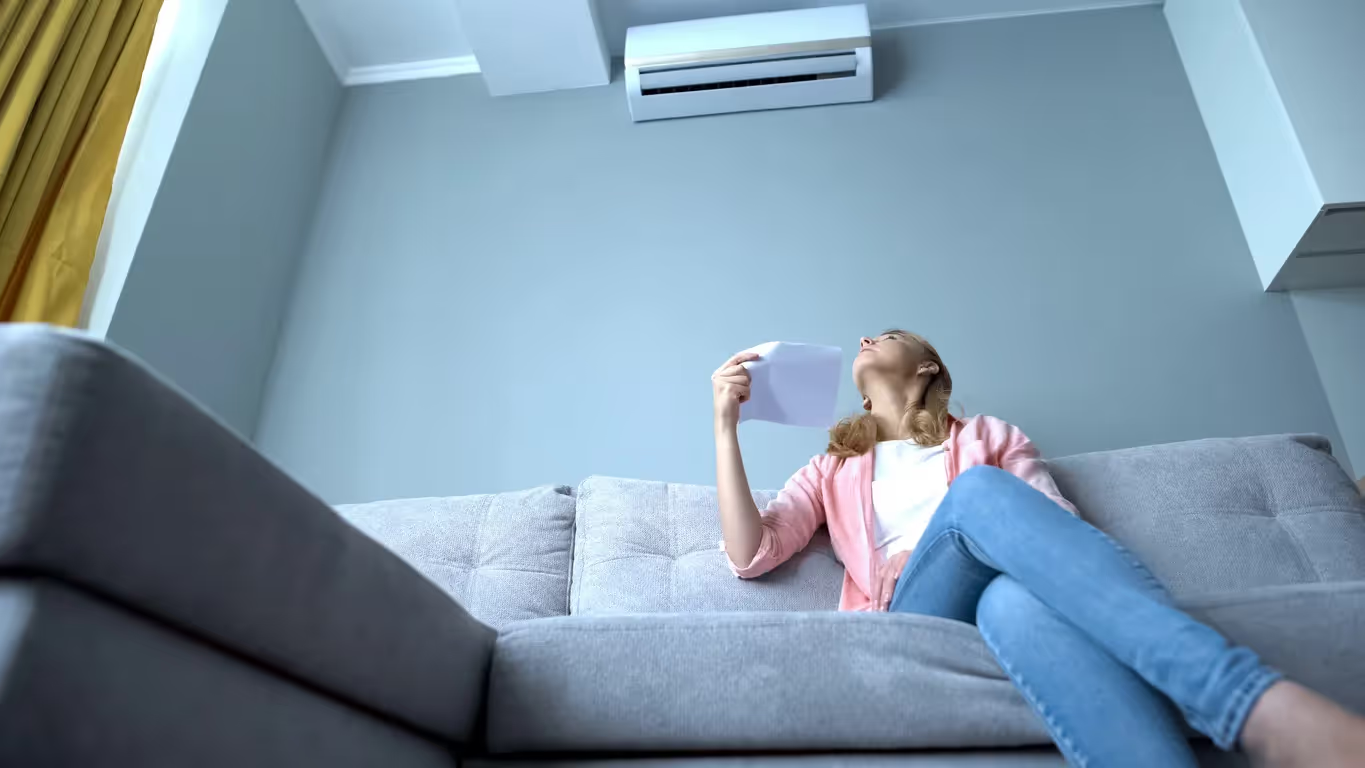
Facing unexpected heat waves and high humidity in your home can turn a comfortable afternoon into a stressful emergency. When your cooling system stops working efficiently, you need immediate professional attention to restore a safe and comfortable environment for your family. Contact us today to schedule a diagnostic visit or discuss financing options for system replacements.
Residents in Lewisburg know that summer temperatures often climb above 85°F, and a malfunctioning unit isn't just an inconvenience; it is a disruption to your daily life. Carter Heating and Cooling provides the expertise required to diagnose specific mechanical failures and implement lasting solutions. Our certified technicians focus on getting your system back online with minimal downtime.
- Same-day service availability to ensure timely repair during critical breakdown situations.
- Comprehensive mechanical inspections to pinpoint root causes and prevent future system failures.
- Clear, upfront pricing structures provided before any work begins, ensuring no hidden fees.
All services are backed by a satisfaction guarantee and performed by technicians accredited by local industry authorities.
Comprehensive Diagnostics and Repair Services
When an air conditioning unit falters, the symptoms are often visible, but the root cause requires technical precision to identify. You receive a thorough assessment of the entire cooling infrastructure. The goal is not merely to patch a leak or replace a fuse but to ensure the entire system operates at manufacturer specifications.
Technicians arrive equipped to handle a wide array of mechanical issues immediately. The service covers the critical components that drive the cooling cycle. This includes examining the refrigerant levels to ensure they match the factory charge. Low refrigerant often indicates a leak that must be sealed, rather than just topped off, to prevent environmental damage and recurring costs.
The electrical system is another primary focus. Technicians inspect capacitors, contactors, and wiring connections. Loose connections or failing capacitors are common culprits behind systems that hum but fail to start or units that trip the breaker repeatedly. Addressing these electrical faults early prevents damage to the compressor, which is the most expensive component in the system.
Airflow restrictions also significantly impact performance. The service includes inspecting the blower motor, the condition of the air filter, and the integrity of the ductwork. If the evaporator coil is frozen, it typically signals an airflow issue or low refrigerant. Technicians will de-ice the system and correct the underlying flow problem to prevent water damage to your property and restore proper cooling capacity.
How the Service Process Works
Navigating HVAC repairs should be a structured and transparent experience. The process is designed to move from the initial report of a problem to a verified solution without ambiguity.
- Initial Assessment: Upon arrival, the technician listens to your description of the issue, whether it involves strange noises, odors, or a lack of cool air. This informs the diagnostic strategy.
- System Testing: Using specialized gauges and meters, the technician tests the system's pressures, temperatures, and electrical draw. This data provides a clear picture of the unit's health.
- Detailed Explanation: Once the issue is identified, you receive a clear explanation of what failed and why. This includes a breakdown of the necessary parts and labor.
- Approval and Repair: Work begins only after you approve the scope and cost. The technician replaces the faulty components using high-quality parts designed for your specific equipment model.
- Verification: After the repair is complete, the system is run through a full cycle to verify that it maintains temperature, drains condensate properly, and shuts off correctly.
- Site Cleanup: The workspace is left clean, and the technician reviews the work performed with you before departing.
Determining When Replacement Beats Repair
Deciding between repairing an existing unit and investing in a new system is a financial calculation based on age, efficiency, and condition. While repairs are often the fastest solution, they are not always the most economical choice in the long run.
- The Age Factor: Air conditioning units typically have a lifespan of 10 to 15 years. If your unit is approaching or has exceeded this range, major repairs become less viable. Components wear out in succession; replacing a compressor in an old unit often precedes a fan motor failure shortly after.
- The Cost of Repair vs. Replacement: Industry professionals often use the "50% Rule." If the cost of the repair approaches 50% of the value of a new system, replacement is generally the smarter financial move. A new system resets the warranty clock, whereas a repair only guarantees the specific part that was changed.
- Frequency of Breakdowns: If you have required service multiple times in the last two seasons, the system is likely unreliable. Frequent breakdowns indicate that the internal components are degrading. Continuing to repair a "lemon" results in cumulative costs that often exceed the price of a modern, energy-efficient installation.
- Efficiency Ratings and Energy Bills: Older units often have SEER (Seasonal Energy Efficiency Ratio) ratings of 10 or less. Modern standards require a minimum of SEER2 14.3 in Kentucky. upgrading to a higher-efficiency unit can lower monthly energy bills significantly. If your energy costs have been rising despite moderate usage, the equipment has likely lost its efficiency or is working harder to overcome mechanical drag.
Local Climate and Regulatory Considerations
Operating HVAC equipment in Lewisburg requires specific attention to the regional climate and local regulations. The humid subtropical climate presents unique challenges that standard maintenance must address to ensure indoor air quality and comfort.
- Humidity Management: In this region, air conditioners do more than cool the air; they are essential for dehumidification. High humidity levels can make the air feel warmer than the thermostat reading, prompting users to lower the temperature further and strain the system. Proper sizing and service ensure the unit runs long enough to pull moisture out of the air. If a unit is oversized, it will "short cycle"—cooling the room quickly but shutting off before dehumidifying, leading to a clammy indoor environment and potential mold growth.
- Seasonal Transitions: With winters dropping to around 20°F and occasional snow, many homes utilize heat pumps that handle both heating and cooling. Service in this area includes checking the reversing valve, which allows the unit to switch modes. Ensuring the auxiliary heat strips are functional is vital for those few days when the temperature plunges below the heat pump's efficiency balance point.
- Permits and Utility Codes: Local building codes and utility regulations dictate specific requirements for HVAC installations and major repairs. This includes proper clearance for outdoor units, specific disconnect box locations, and adherence to electrical safety standards. Ensuring compliance prevents issues when selling the home or filing insurance claims. Additionally, local utility providers occasionally offer rebate programs for upgrading to high-efficiency systems. Carter Heating and Cooling stays updated on these incentives to help homeowners maximize their investment.
Technical Maintenance to Prevent Failure
Preventative maintenance is a proactive approach to system longevity. Rather than waiting for a breakdown, scheduled care addresses wear and tear before it results in component failure. This service focuses on optimizing the heat transfer process and reducing mechanical stress.
- Condenser Coil Cleaning: The outdoor unit is exposed to elements, collecting dirt, grass clippings, and pollen. When the condenser coil is dirty, the system cannot release heat effectively. This causes the compressor to run hotter and at higher pressures, significantly shortening its life. Deep cleaning the coils restores efficiency and lowers amp draw.
- Condensate Drain Line Treatment: The cooling process generates significant condensation. If the drain line becomes clogged with algae or debris, water can back up into the system, triggering a safety float switch that shuts the unit down. In worse cases, it can overflow and cause water damage to ceilings or floors. Regular clearing and treatment of the drain line ensure water flows freely away from the home.
- Refrigerant Charge Optimization: Even a slight discrepancy in refrigerant levels affects performance. An undercharged system freezes coils, while an overcharged system risks damaging the compressor valves. Precision charging ensures the system absorbs and releases heat at the correct rate for maximum cooling power.
Why Professional Execution Matters
Attempting DIY repairs on modern HVAC equipment presents significant safety and financial risks. Air conditioners operate with high-voltage electricity and high-pressure refrigerants, both of which require specialized training and tools to handle safely.
- Warranty Preservation: Most equipment manufacturers require proof of professional maintenance and repair to uphold the warranty. Unauthorized repairs or lack of maintenance records can void the manufacturer's coverage, leaving you responsible for the full cost of future parts replacements.
- Correct Sizing and Installation: When replacement is necessary, professional load calculation (Manual J) is the only accurate way to determine the correct unit size. Guessing based on square footage or the size of the previous unit often leads to efficiency problems. A professional assessment accounts for insulation levels, window orientation, and local climate data to ensure the new system matches the home's thermal load exactly.
- Safety Protocols: Professionals are trained to identify dangerous conditions beyond just the cooling function. This includes checking for burnt wiring that poses fire hazards and ensuring there are no gas leaks in dual-fuel systems. Relying on certified experts ensures that the cooling system contributes to a safe and healthy home environment.
Secure Your Comfort Today
Delaying necessary air conditioning service often leads to more extensive damage and higher restoration costs. Whether your system requires a minor electrical fix, a major component replacement, or you are considering a full upgrade to a high-efficiency model, taking action now protects your home from the extremes of the weather.
Ensure your system is ready to handle the peak temperatures of the season. Trusting established professionals guarantees that the job is done correctly, safely, and in compliance with all local standards. Contact us now to schedule your service or consultation.

Great Service at a Fair Price
Veterans Discount


Senior Discount

Law Enforcement

Fire fighters/ems

Hear From Your Neighbors!
Hear from your neighbors to see how our commitment to dependable service and lasting comfort has made a difference in their homes.