
How can we help today?
Choose an option to see quick actions and get help faster.Air Conditioning Inspection in Lewisburg, KY
Air Conditioning Inspection in Lewisburg, KY
Beat the Kentucky heat! Schedule a professional AC inspection in Lewisburg today. Experience efficient cooling with our expert service. Learn more!
Need a Quick Air Conditioning Inspection?
Struggling with the Kentucky heat due to an unmaintained AC? Ensure your cooling system is in top condition before the next heatwave by securing a professional assessment today. Contact us immediately to schedule a comprehensive system check-up and secure your comfort.
Carter Heating and Cooling provides thorough diagnostic services to homeowners in Lewisburg, ensuring your equipment operates safely and efficiently. An unexpected breakdown during the peak of summer humidity results in discomfort and potential property damage from unmanaged moisture. Professional inspection identifies failing components before they cause a total system outage.
- Quick, comprehensive inspections completed within hours to restore your peace of mind.
- Detailed inspection reports for optimized performance and lower energy consumption.
- Expert advice on maintaining efficiency throughout high humidity months.
Fully licensed in Kentucky, we offer straightforward pricing and no hidden fees for every service call.
What a Comprehensive AC Safety Check Includes
A professional air conditioning inspection goes far beyond a simple filter change. It involves a systematic analysis of the mechanical, electrical, and thermodynamic functions of your cooling equipment. When a technician arrives at your home, the goal is to verify that the system runs within the manufacturer’s specified parameters. This process protects the longevity of the unit and ensures your energy bills reflect actual usage rather than wasted power.
A standard inspection covers several critical categories. The electrical system requires precise measurement. Loose connections or failing capacitors often cause compressors to overheat or motors to burn out prematurely. By tightening connections and measuring voltage and amperage, technicians prevent electrical fires and sudden component failure.
The refrigeration cycle is the heart of your cooling system. Technicians measure refrigerant levels to ensure the system is not undercharged or overcharged. Incorrect refrigerant levels strain the compressor, leading to expensive repairs. This step also involves checking for leaks, which can be environmentally hazardous and detrimental to system performance.
Your inspection will typically cover the following specific checkpoints:
- Thermostat Calibration: Verification that the thermostat reads temperature accurately and signals the unit correctly to cycle on and off.
- Electrical Components: rigorous testing of capacitors, contactors, relays, and wiring integrity to prevent shorts and failures.
- Lubrication of Moving Parts: Application of lubricant to motors and bearings to reduce friction and electricity consumption.
- Condensate Drain Line: Flushing and cleaning the drain line to prevent water backups, leaks, and humidity issues within the home.
- System Controls: Testing of the system’s startup cycle, operation, and shutdown sequence for safe functionality.
- Evaporator and Condenser Coils: Inspection of coils for dirt and debris accumulation that restricts heat transfer and lowers efficiency.
- Blower Motor Assessment: Measuring airflow and blower motor amperage to ensure proper air circulation throughout the ductwork.
- Refrigerant Charge Measurement: Monitoring operating pressures to verify the system meets subcooling and superheat requirements.
The Inspection Workflow: Step-by-Step
Understanding the flow of a service visit helps homeowners prepare and know what to expect. The process is designed to be efficient, minimizing disruption to your daily routine while maximizing the depth of the analysis. A typical inspection appointment takes between one to two hours, depending on the accessibility of the unit and the complexity of the system.
- Arrival and Site Assessment: The technician arrives and assesses the general condition of the outdoor condenser and indoor air handler. The area around the unit is checked for clearance issues or vegetation that might restrict airflow.
- System Operation Test: The thermostat is adjusted to call for cooling. The technician listens for unusual noises such as grinding, rattling, or squealing, which indicate mechanical stress.
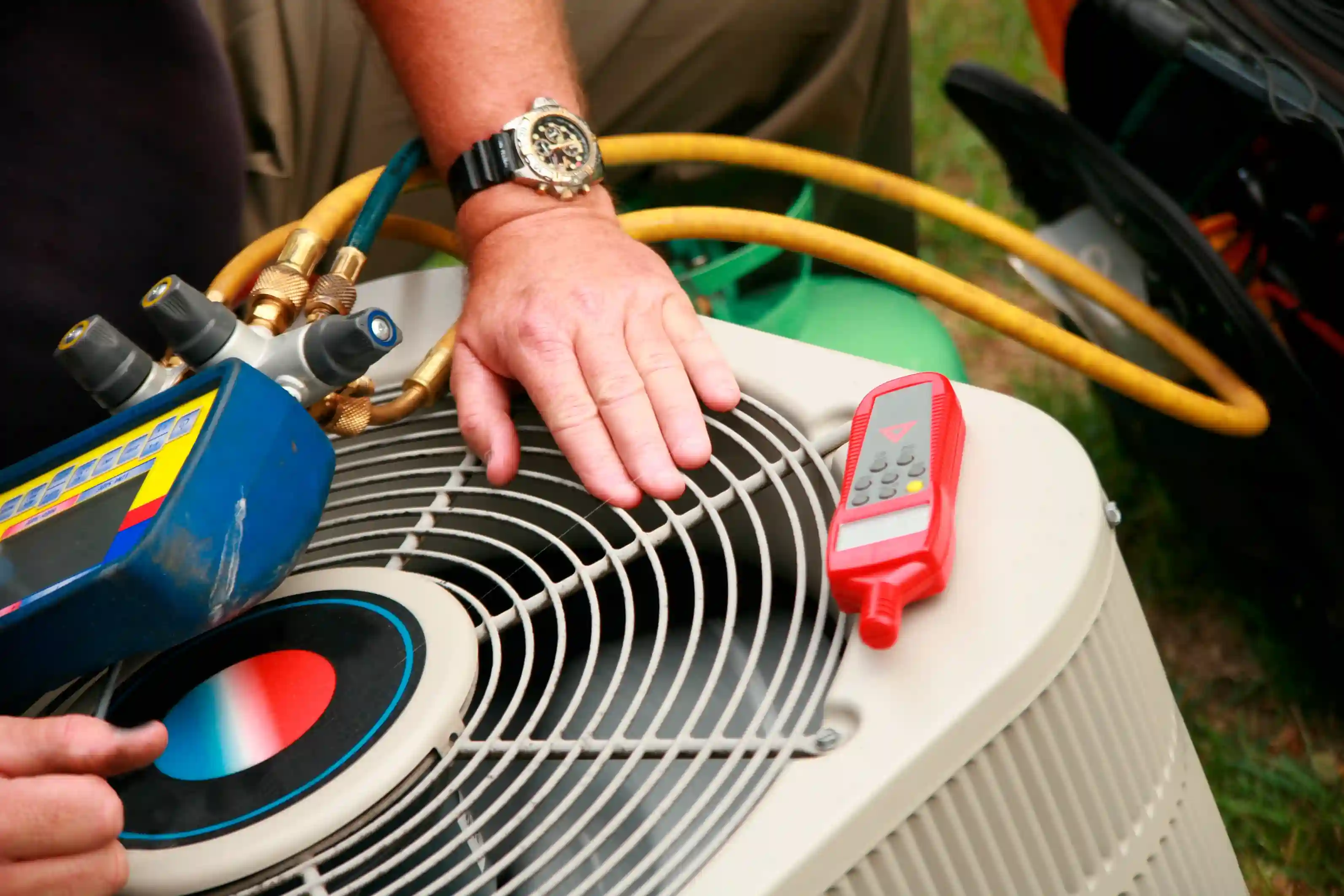
- Internal Component Testing: Power is disconnected for safety. Panels are removed to access internal components. Gauges and meters are attached to measure electrical values and pressure levels.
- Cleaning and Adjustment: Minor adjustments are made immediately. This includes tightening electrical terminals and clearing minor debris from the condenser unit.
- Reassembly and Performance Verification: Once internal checks are complete, the unit is reassembled. The system is powered back on to verify that airflow and temperature splits (the difference in air temperature entering and leaving the system) are within the correct range.
- Reporting and Consultation: The technician provides a written report detailing the health of the system. This includes photos of any worn parts and a clear explanation of any recommended repairs or urgency levels.
Why Routine Inspections Prevent Costly Breakdowns
Homeowners often wait until the air conditioner stops blowing cold air to call for service. However, reactive repair is almost always more expensive than proactive inspection. An AC unit contains consumable parts that wear out over time. Catching a swollen capacitor during an inspection costs significantly less than replacing the compressor that fails because that capacitor was never changed — apply for financing for unexpected repairs.
Efficiency is another major factor. As your AC runs, dust accumulates on the coils and friction increases in the motors. This forces the system to work harder to achieve the same cooling result, driving up utility bills. Regular inspections ensure that the system runs as effortlessly as possible. In a climate like Lewisburg, where humidity control is just as important as temperature control, a well-maintained unit is essential for indoor air quality.
Consider the following reasons to prioritize inspection over waiting for failure:
- Extended Equipment Lifespan: Regular maintenance reduces the cumulative wear and tear on the system, adding years to the effective life of the air conditioner.
- Warranty Preservation: Many manufacturers require proof of annual maintenance to keep warranties valid. Skipping inspections may void coverage for expensive parts.
- Improved Air Quality: Inspections often reveal issues with ductwork or filtration that contribute to dust and allergens circulating in the home.
- Safety Assurance: For systems with electric heat strips or gas furnaces attached, inspections verify there are no fire hazards or carbon monoxide risks.
Navigating Lewisburg Climate and Regulations
The local environment in Lewisburg creates specific challenges for air conditioning systems. The region experiences a humid subtropical climate, meaning summers are hot and moisture-heavy. This humidity puts an immense load on air conditioners, which must dehumidify the air as they cool it. If a system is short-cycling or has dirty coils, it will fail to remove moisture effectively, leading to clammy indoor conditions and potential mold growth.
Seasonality also plays a role. The wettest months in this area are typically March and April. Heavy spring rains can lead to drainage issues around the outdoor unit or debris buildup that goes unnoticed until the first hot day of the year. Ensuring the outdoor unit is level and clear of mud or leaves after the rainy season is a critical part of the inspection process.
Regulatory compliance is vital for safety and property value. The Kentucky Department of Housing, Buildings, and Construction sets standards for HVAC work. While a simple inspection does not typically require a permit, any substantial repairs identified during the inspection must be performed by a licensed Kentucky contractor to remain compliant with state codes.
- Humidity Management: Local systems must be calibrated to handle high latent heat loads common in Kentucky summers.
- Spring Debris Clearance: Post-spring inspections focus on clearing debris washed into the unit during heavy seasonal rains.
- Licensure Verification: Hiring a licensed Kentucky contractor ensures that any subsequent repairs meet state safety and building codes.
- Energy Efficiency Incentives: Properly maintained units are more likely to qualify for local utility rebates focused on energy conservation.
Signs Your AC Needs Immediate Attention
While annual inspections are standard, certain symptoms indicate that a check-up should not wait. Ignoring these signs can lead to catastrophic failure during the hottest days of the year. If the system is making noise, emitting odors, or failing to keep up with the thermostat setting, professional diagnostics are required immediately.
Unusual sounds are often the first indicator of trouble. A buzzing sound usually points to an electrical issue, while a screaming or grinding noise often indicates a motor bearing failure or high internal pressure. Addressing these sounds early prevents the damage from spreading to other components.
Airflow issues are another critical sign. If the air coming from the vents is weak or warm, it suggests a problem with the blower motor, a blocked filter, or a refrigerant leak. In Lewisburg, where humidity is high, reduced airflow can quickly lead to the evaporator coil freezing into a block of ice, halting all cooling and potentially causing water damage as it melts.
Watch for these specific red flags:
- Short Cycling: The unit turns on and off frequently without reaching the set temperature, putting immense stress on the compressor.
- High Humidity Indoors: The AC runs but the house feels sticky or clammy, indicating a loss of dehumidification capacity.
- Unexplained Energy Spikes: A sudden increase in electric bills without a change in usage patterns suggests the unit is losing efficiency.
- Water Leaks: Pooling water around the indoor unit indicates a clogged drain line or a frozen coil that needs immediate clearing.
- Unpleasant Odors: Musty smells often indicate mold growth on the coils, while burning smells indicate electrical overheating.
Professional Diagnostics vs. DIY Troubleshooting
Homeowners may be tempted to troubleshoot AC issues themselves to save money. However, modern HVAC systems are complex machines involving high-voltage electricity and high-pressure refrigerants. Without specialized tools and training, DIY attempts often result in misdiagnosis or injury.
A professional technician utilizes advanced diagnostic equipment that is not available to the average consumer. For example, checking refrigerant requires manifold gauges that measure pressure and saturation temperatures simultaneously. Measuring airflow requires manometers and anemometers to detect blockages within the ductwork.
Furthermore, handling refrigerant is federally regulated. Venting refrigerant into the atmosphere is illegal and harmful to the environment. Carter Heating and Cooling technicians hold the necessary EPA certifications to handle, recover, and recharge refrigerants safely and legally.
- Safety Risks: High voltage capacitors can deliver a lethal shock even after power is disconnected if not properly discharged.
- Accurate Diagnosis: Professionals distinguish between symptoms and root causes, ensuring the actual problem is fixed rather than just the result.
- Tool Availability: Specialized tools for measuring superheat, subcooling, and static pressure are essential for accurate tuning.
- Warranty Protection: DIY repairs on internal components almost always void manufacturer warranties.
Securing Your Home Comfort
Maintaining a reliable air conditioning system is an investment in your home and your quality of life. The peace of mind that comes from knowing your system has been professionally vetted is invaluable, especially as temperatures rise. Regular inspections eliminate the guesswork, turning potential emergencies into manageable maintenance tasks.
By identifying worn parts before they fail and ensuring the system operates at peak efficiency, you protect your wallet from high energy bills and expensive emergency service calls. The detailed reporting provided after an inspection gives you a clear roadmap for the health of your HVAC system, allowing you to budget for future replacements or repairs without surprise.
Don't wait for the heat to become unbearable. Take control of your indoor climate today.
Schedule your comprehensive AC inspection now to ensure your home remains cool and comfortable all season long.

Great Service at a Fair Price
Veterans Discount


Senior Discount

Law Enforcement

Fire fighters/ems

Hear From Your Neighbors!
Hear from your neighbors to see how our commitment to dependable service and lasting comfort has made a difference in their homes.