
How can we help today?
Choose an option to see quick actions and get help faster.Air Conditioning Repair in Lewisburg, KY
Air Conditioning Repair in Lewisburg, KY
Struggling with a malfunctioning air conditioner in Lewisburg? Contact us for quick, reliable AC repair services. Ensure your home stays cool and comfortable all summer.
Is Your Air Conditioner Failing to Beat the Humid Heat?
When your air conditioner stops cooling during Lewisburg’s sultry summer heat, every minute matters and waiting days for a technician is not an option. Contact us immediately to schedule a diagnostic visit and restore your home's comfort.
A broken cooling system turns your home from a sanctuary into a sauna rapidly, especially when outdoor temperatures push past 90°F. You need a solution that addresses the root cause of the breakdown, ensuring your system can handle the high humidity typical of this region.
- Same-day repairs to restore comfort swiftly.
- Certified technicians equipped with the latest tools and knowledge.
- Transparent pricing with no hidden fees.
Fully licensed service with extended warranties to ensure your peace of mind.
Immediate Repairs for Immediate Relief
A malfunctioning air conditioner in the height of summer requires prompt attention. The humidity levels in Lewisburg can make indoor environments unbearable and even unsafe for vulnerable family members or pets when the AC goes offline. We prioritize service calls based on urgency and the impact on your living conditions. When you call Carter Heating and Cooling, you are accessing a team that understands the local climate and the specific stresses it places on residential cooling equipment.
There are specific signs that indicate your system is in distress and requires professional intervention. Recognizing these early can prevent a minor part failure from becoming a total system breakdown.
- Warm Air Blowing from Vents: If the thermostat is set to cool but the air coming out is lukewarm, this often signals a compressor issue or a significant refrigerant leak.
- Weak Airflow: Insufficient air movement suggests a blockage in the ductwork, a clogged filter, or a failing blower motor. This forces the system to work harder, increasing energy bills without cooling the home.
- Frequent Cycling: An AC unit that turns on and off constantly without completing a full cooling cycle is struggling to maintain the set temperature. This "short cycling" puts immense strain on the electrical components.
- Unusual Noises: Grinding, squealing, or banging sounds are not normal operation. They usually point to loose parts, motor bearing failure, or debris inside the unit.
- Water Leaks: While some condensation is normal, pooling water around the indoor unit indicates a blocked drain line or a frozen evaporator coil, both of which require immediate repair to prevent water damage to your floors or ceiling.
Addressing these issues immediately preserves the longevity of your equipment. Ignoring a strange noise or a slight dip in cooling performance often leads to more expensive repairs, such as compressor replacement, down the road.
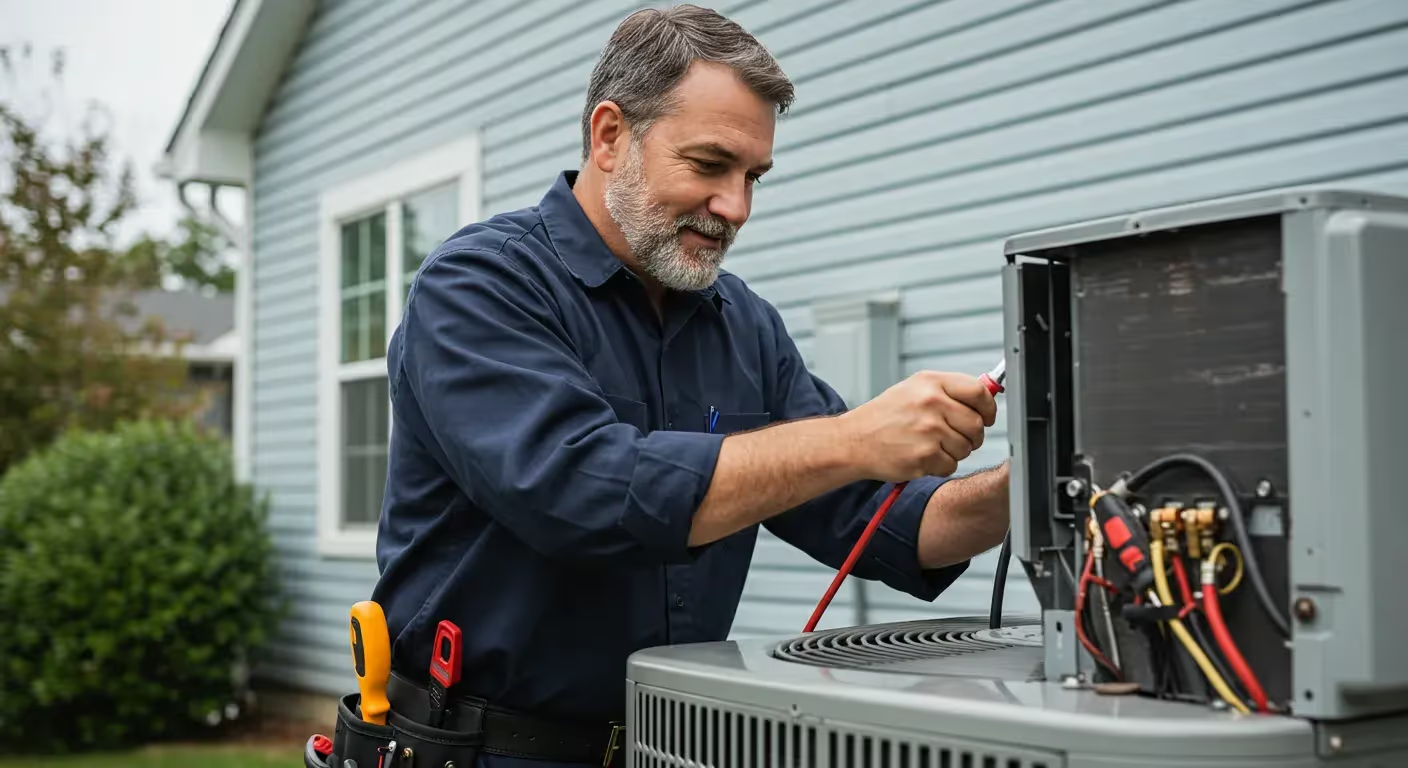
Today’s Air Conditioning Service: What to Expect
When you book a service appointment, the goal is to diagnose the issue accurately and resolve it during the initial visit whenever possible. You do not need a temporary patch; you need a permanent fix that restores efficiency and reliability. Our trucks are stocked with a wide inventory of common parts, including capacitors, contactors, fan motors, and control boards, to minimize the need for follow-up visits.
The service appointment follows a structured protocol designed to identify both the obvious failure and any underlying causes.
- System Diagnostics: The technician performs a complete evaluation of the system. This includes checking refrigerant levels, testing electrical voltage and amperage, inspecting the condensate drain, and examining the condition of the coils.
- Clear Explanation of Findings: Once the problem is identified, you receive a detailed explanation of what failed and why. You are presented with the repair options and the associated costs upfront. There are no surprise fees added after the work is done.
- Precision Repair: Upon your approval, the technician proceeds with the repair. This involves removing the faulty component, installing the new part, and securing all connections.
- System Tune-Up Check: While repairing the specific issue, technicians also look for other potential weak points. If a capacitor has failed, they also check the contactor to ensure it hasn't been pitted or damaged by the electrical surge.
- Efficiency Verification: After the repair, the system is not just turned on; it is tested. We measure the temperature drop across the evaporator coil (Delta T) to ensure the unit is removing heat and humidity effectively.
This comprehensive approach ensures that when the technician leaves your Lewisburg home, your air conditioner is running at its peak performance capability.
Our Repair Process: Step by Step to Your Comfort
We operate with a streamlined process to reduce downtime and eliminate confusion. From the moment you notice an issue to the final system test, every step is managed with professional oversight.
- Scheduling and Dispatch: You initiate the process by reporting the issue. Our dispatch team identifies the nearest available technician and provides you with a realistic arrival window. You receive a notification when the technician is on the way, respecting your time.
- On-Site Assessment: Upon arrival, the technician speaks with you to understand the symptoms you have noticed. They then begin the physical inspection of the outdoor condenser unit and the indoor evaporator unit. This often involves checking the thermostat calibration as well to rule out control issues.
- Diagnosis and Quote: The technician isolates the failure. Whether it is a burnt-out motor, a refrigerant leak, or a tripped breaker, the root cause is confirmed. You are then provided with a written quote for the repair. Work only begins after you have authorized this quote.
- Execution of Repair: The technician shuts off power to the unit for safety and begins the repair work. This may involve brazing copper lines to fix a leak, wiring in a new motor, or clearing a sludge-filled condensate line.
- Recharging and Calibration: If the system was low on refrigerant, we add the precise amount specified by the manufacturer. Overcharging or undercharging affects efficiency, so we use digital scales and gauges for accuracy.
- Final System Test: The unit is powered back on and allowed to run for a full cycle. We verify that the thermostat satisfies the call for cooling and that the air coming from the vents is at the appropriate temperature.
- Site Cleanup: The workspace is cleaned up, and any old parts or packaging materials are removed from your property. You are left with a working AC and a clean home.
Deciding Between Repair and Replacement
Homeowners often face the difficult decision of whether to invest in another repair or to replace the system entirely. This decision involves analyzing the age of the unit, the cost of the current repair, and the system’s recent history of breakdowns. In the Lewisburg area, where AC usage is high, efficiency plays a major role in this calculation.
Carter Heating and Cooling helps you navigate this decision using data rather than guesswork.
- The Age Factor: Most air conditioning units have a lifespan of 10 to 15 years. If your unit is approaching or has exceeded this age range, parts may be becoming obsolete, and the efficiency is likely significantly lower than modern standards.
- The Cost of Repair Rule: A common industry standard is the "50% Rule." If the cost of the repair approaches 50% of the value of a new system, replacement is generally the better financial move. Similarly, if the cost of the repair multiplied by the age of the unit (in years) exceeds $5,000, replacement is often recommended.
- Refrigerant Type: Older systems utilize R-22 refrigerant, which has been phased out due to environmental regulations. Supplies of R-22 are dwindling and becoming prohibitively expensive. If your R-22 system develops a leak, upgrading to a system that uses R-410A or newer refrigerants is usually the smarter long-term investment.
- Energy Efficiency and Bills: Older units typically have a SEER (Seasonal Energy Efficiency Ratio) of 10 or 12. Modern units start at 14 SEER and go much higher. Replacing a low-efficiency unit can result in immediate savings on monthly utility bills, which helps offset the installation cost over time.
- Comfort Consistency: If your current unit struggles to keep up with the heat load, leaves hot spots in the house, or fails to dehumidify properly despite repairs, it may be undersized or simply worn out. A new system offers improved humidity control and consistent cooling.
We provide you with the facts regarding the condition of your current unit so you can make an informed decision that suits your budget and long-term plans for the home.
Understanding Local Weather Impact on Your Air Conditioner
The climate in this part of Kentucky presents specific challenges to HVAC equipment. Summers are not just hot; they are incredibly humid. This high humidity forces your air conditioner to work a "double shift." It must lower the sensible temperature (the heat you feel) and the latent heat (the moisture in the air).
If an air conditioner is not operating correctly, it fails to remove this moisture, leading to a clammy, uncomfortable indoor environment even if the thermostat reads 72°F. This moisture can also lead to mold growth in ductwork if the system short-cycles.
- Condensate Management: The high humidity means your AC generates a significant amount of condensate water. Drain lines must be clear and properly sloped. Algae and mold thrive in these wet environments, leading to clogs that can cause water damage. Regular maintenance and repair of these lines are critical in our region.
- Dirty Coils: Cottonwood, pollen, and dust are common during the spring and summer. These contaminants coat the outdoor condenser coil. This "blanket" prevents the system from releasing heat effectively, causing the compressor to overheat and fail.
- Winter Wear: While cooling is the focus, our winters can drop to freezing temperatures. If you have a heat pump, the reversing valve and defrost board are worked hard during the winter. Issues with these components often only become apparent when you switch to cooling mode in the spring.
- Local Codes and Permits: When significant repairs or replacements are needed, adherence to local building codes is mandatory. This ensures that electrical connections are safe and that refrigerant is handled according to EPA regulations. We ensure all work complies with local standards to protect your home’s value and safety.
Understanding these environmental factors explains why generic maintenance isn't enough. Your system needs attention that accounts for the heavy latent load of a Lewisburg summer.
Why Choose Us? Trusted Local Service for Years
Selecting a service provider is about trust and technical competence. You need a partner who responds quickly, fixes the problem correctly the first time, and stands behind their work. We have spent years building a reputation for reliability in this community.
- Technical Expertise: Our team undergoes regular training to stay updated on the latest HVAC technologies, including variable-speed compressors and smart thermostat integration. We fix all major brands and models.
- Stocked Vehicles: We respect your time by arriving prepared. Our service vehicles carry the most common failure parts, reducing the likelihood of having to order components and wait for delivery.
- Honest Assessments: We do not incentivize our technicians to upsell unnecessary parts. If a repair is viable and cost-effective, that is what we recommend. If a system is dangerous or beyond economic repair, we tell you the truth.
- Local Focus: Being a local business means we are your neighbors. We care about the comfort of our community and strive to provide a level of service that earns your recommendation.
Contact Us Today
When your cooling system fails, you need professional, direct, and effective service. We deliver high-quality repairs that stand up to the heat, ensuring your home remains cool and comfortable all summer long.
Don't let a broken air conditioner ruin your day—Contact Carter Heating and Cooling now to schedule your repair service.

Great Service at a Fair Price
Veterans Discount


Senior Discount

Law Enforcement

Fire fighters/ems

Hear From Your Neighbors!
Hear from your neighbors to see how our commitment to dependable service and lasting comfort has made a difference in their homes.