
How can we help today?
Choose an option to see quick actions and get help faster.Furnace Tune-Up in Lewisburg, KY
Furnace Tune-Up in Lewisburg, KY
Furnace Tune-Up in Lewisburg, KY
Is Your Furnace Ready for Lewisburg's Winter Chill?
As the leaves start to turn, Lewisburg homeowners face the annual challenge of ensuring their homes remain warm and comfortable through the winter. A professional furnace tune-up can prevent unexpected breakdowns and inefficient heating. Contact us today to secure your appointment and ensure your heating system performs when you need it most.
- Ensure efficient, reliable heat all winter with a comprehensive tune-up.
- Detect issues early to avoid costly, inconvenient repairs during peak cold months.
- Optimize your furnace's performance to save on energy bills.
Licensed and fully insured, our team provides fast service with available financing options. Carter Heating and Cooling helps residents maintain safe and operational heating systems throughout the entire season.
Comprehensive Furnace Maintenance Services
A furnace tune-up is not merely a quick glance at the equipment; it is a rigorous, multi-point inspection and calibration designed to restore your heating unit to factory specifications. Over the course of a year, dust, debris, and mechanical wear degrade the performance of your system. Without intervention, these minor inefficiencies compound, leading to increased energy consumption and a higher risk of component failure.
Our service focuses on the critical mechanical and electrical components that drive your heating system. We address the accumulation of particulate matter that restricts airflow and causes overheating. By cleaning the blower assembly and clearing the burners, we ensure that the fuel-to-air ratio is optimal for combustion. This process directly correlates to how much fuel your system requires to reach the desired temperature set on your thermostat.
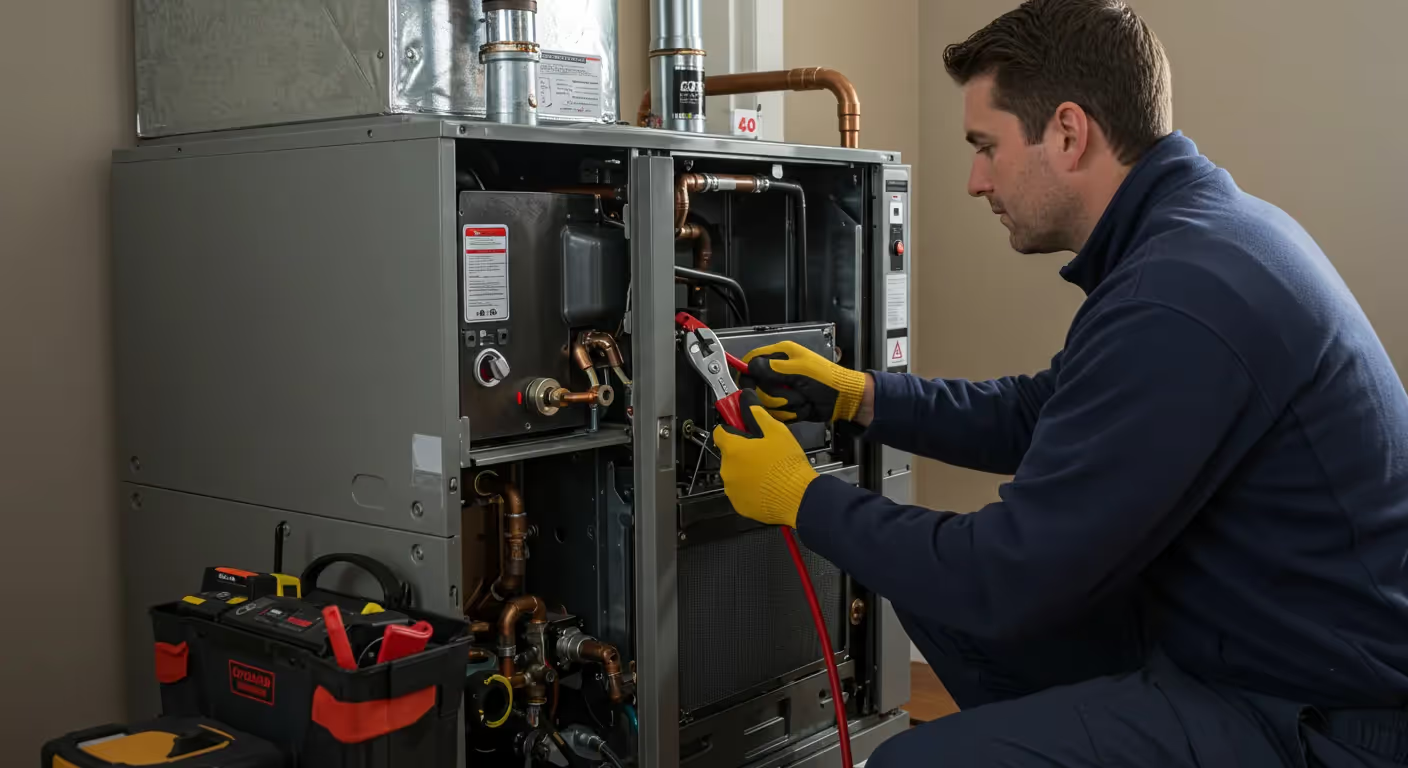
Beyond cleaning, we verify the integrity of the heat exchanger. This component is responsible for separating the combustion gases from the breathable air in your home. Even a hairline crack, often invisible to the untrained eye, can lead to dangerous carbon monoxide leaks. Our technicians use specialized tools to inspect this vital component, ensuring the safety of the household while verifying the structural integrity of the furnace.
Electrical connections loosen over time due to the natural vibration of the unit. Loose connections can create resistance, leading to arcing or burnt wires. We tighten all electrical terminals, measure the voltage and amperage of the blower motor, and test the capacitor to prevent unexpected electrical failures. This proactive approach resolves latent issues before they evolve into emergency service calls in the middle of a freezing night.
The Critical Importance of Annual Heating Inspections
Neglecting annual maintenance is the leading cause of premature furnace failure. Manufacturers engineer heating systems to operate within specific parameters. When a system operates outside these parameters due to dirty filters, clogged pilot lights, or uncalibrated thermostats, the internal components experience excessive stress. This stress shortens the lifespan of the unit, forcing homeowners to invest in replacements years earlier than necessary.
Energy efficiency is the immediate financial benefit of a tune-up. A neglected furnace struggles to push air through the ductwork and requires more energy to ignite and sustain a flame. By optimizing the burner assembly and ensuring the blower motor is clean, the system moves air more freely and generates heat with less fuel. Homeowners often notice a stabilization or reduction in their monthly utility costs following a professional service visit.
Warranty preservation is another overlooked aspect of regular maintenance. Most furnace manufacturers require proof of annual maintenance to keep the warranty valid. If a major component fails—such as the compressor or the heat exchanger—the manufacturer may request service records before providing a replacement part. Skipping a seasonal tune-up can inadvertently void this coverage, leaving the homeowner responsible for the full cost of repairs.
Safety remains the paramount reason for regular inspections. Gas furnaces involve combustion, which produces byproducts like carbon monoxide. A properly tuned furnace vents these gases safely outdoors. However, blockages in the flue pipe, a dirty flame sensor, or a cracked heat exchanger can cause these gases to backdraft into the living space. Regular testing of the safety switches and venting system mitigates these risks effectively.
Step-by-Step Furnace Tune-Up Process
Our approach to furnace maintenance is systematic and thorough, ensuring no component is overlooked. We follow a strict protocol that covers safety, cleaning, and calibration.
System Analysis and Cycle Test
The process begins by cycling the furnace to observe its operation. We listen for unusual noises, such as banging or squealing, which indicate mechanical issues. We check the thermostat to ensure it signals the furnace correctly and cycles the unit on and off at the appropriate temperature differentials.
Combustion Assembly Cleaning and Inspection
We remove and clean the burners to ensure a clean, blue flame. A yellow or flickering flame indicates incomplete combustion, which wastes fuel and creates soot. We inspect the ignition assembly, whether it is a hot surface igniter or a pilot light, ensuring it functions reliably. The flame sensor is cleaned to prevent "false lockouts," where the furnace shuts down because it cannot detect a flame.
Blower and Airflow Optimization
The blower motor and wheel are inspected for dust buildup. Excessive dust adds weight to the wheel, throwing it off balance and damaging the motor bearings. We check the belt tension (if applicable) and lubricate bearings to reduce friction. We also inspect the air filter and advise on replacement if it is clogged, as restricted airflow is a primary cause of system overheating.
Electrical Component Testing
Technicians use multimeters to measure the amperage and voltage of the blower motor and inducer motor. If the motor is drawing too many amps, it is working too hard and is at risk of burnout. We inspect the capacitor, which helps start the motor. A weak capacitor is a cheap part to replace, but if it fails, it can take the expensive motor down with it.
Safety Control Verification
We test the limit switch, which shuts off the burners if the furnace overheats. We also verify the operation of the pressure switch, which ensures the draft inducer is venting gases properly before allowing ignition. The roll-out switch is tested to ensure it detects if flames escape the combustion chamber.
Heat Exchanger and Flue Inspection
We perform a visual inspection of the heat exchanger for cracks, rust, or corrosion. We also examine the flue pipe for obstructions, rust holes, or loose connections that could allow exhaust gases to leak into the home.
Final Calibration
Once cleaned and inspected, we measure the temperature rise—the difference in air temperature entering the return and leaving the supply. This must match the manufacturer’s rating plate. If the temperature rise is too high or too low, we adjust the gas pressure or blower speed to bring it into the correct range.
Repair vs. Tune-Up: Understanding Your System's Needs
A tune-up is preventative; it maintains a working system. However, during the inspection, we may discover issues that require repair or indicate that the system is nearing the end of its life. Knowing the difference between a system that needs maintenance and one that needs a major overhaul is vital for financial planning.
Carter Heating and Cooling technicians provide transparent assessments based on data, not guesswork. If we encounter a part that has failed or is about to fail, we move from maintenance mode to repair recommendations.
The Frequency of Repairs
If a furnace requires repairs more than once a year, maintenance alone is no longer sufficient. Frequent breakdowns indicate that the internal components are degrading collectively. Continuing to pour money into patch repairs often exceeds the cost of a new, more efficient unit over time.
The Cost of Repair vs. System Value
We often utilize the "$5000 rule" to help homeowners make decisions. Multiply the age of the equipment by the estimated cost of the repair. If the total exceeds $5,000, replacement is generally the more prudent investment. For example, if a furnace is 12 years old and requires a $500 repair (12 x 500 = 6,000), replacement should be considered.
Age of the Equipment
Furnaces generally last between 15 and 20 years. Once a unit passes the 15-year mark, finding replacement parts becomes difficult and expensive. Furthermore, efficiency standards have changed drastically. A 20-year-old furnace may operate at 60% efficiency, meaning 40 cents of every dollar spent on gas is wasted. Upgrading to a modern unit can yield immediate savings that offset the installation cost.
Strange Noises and Smells
While a tune-up fixes minor rattles, persistent grinding, screeching, or banging noises usually point to severe mechanical failure, such as a compromised blower motor or a cracked heat exchanger. Similarly, persistent burning smells or the scent of gas require immediate repair or replacement, not just a tune-up.
Navigating Local Climate and Heating Requirements
Lewisburg experiences a humid subtropical climate, which presents unique challenges for HVAC equipment. The high humidity during the summer months can cause rust and corrosion on furnace components, even when the heat is not in use. When winter arrives, the transition to heating must be seamless. The peak heating usage typically occurs in December and January, where systems run for extended periods.
Ensuring your system is prepared before the first frost is essential. In Kentucky, HVAC contractors must adhere to strict state licensing requirements. This ensures that any technician working on gas lines, electrical connections, or ventilation systems has the requisite training to adhere to safety codes. Improperly serviced equipment not only functions poorly but can also violate local building codes and pose fire hazards.
Local regulations regarding ventilation and gas piping are designed to protect homeowners. When a tune-up reveals the need for significant repairs involving gas lines or flue modifications, permits may be required. Professional technicians understand the nuances of Lewisburg’s local codes and ensure that all work remains compliant. This compliance is particularly important if you plan to sell your home, as non-compliant HVAC work can flag issues during a home inspection.
Furthermore, the local utility infrastructure can impact system performance. Fluctuations in gas pressure or electrical supply can strain heating units. A professional tune-up includes checking the gas pressure at the manifold to ensure it matches the local supply characteristics and the manufacturer's requirements. This precise calibration ensures the furnace burns fuel efficiently despite local variables.
Why Professional Execution Matters
The distinction between a DIY attempt and professional service lies in the depth of the inspection and the accuracy of the calibration. Homeowners can change a filter, but they lack the instrumentation to measure static pressure, draft intensity, or micro-amp readings on a flame sensor. Professional service provides a baseline of performance that allows for the tracking of wear over time.
We prioritize decision-stage clarity. When a technician arrives, the goal is to optimize the current system while providing a realistic outlook on its future. We do not upsell unnecessary parts; we present the condition of the system as indicated by our testing tools — check our reviews.
Same-Day Service Availability
When a furnace fails or needs urgent attention, waiting days for an appointment is not an option during a cold snap. We structure our scheduling to accommodate urgent requests, ensuring that homeowners are not left in the cold.
Licensed and Certified Technicians
Every technician is fully licensed in accordance with Kentucky regulations. This certification is not just a formality; it validates the technician's ability to safely handle high-voltage electricity and combustible gases.
Comprehensive Warranty Support
Our services are backed by warranties on labor and parts. If a repair is performed during a tune-up, that repair is guaranteed. This provides peace of mind that the solution provided is durable and reliable.
Financing Options for Major Repairs
Should a tune-up reveal the need for significant repairs or a system replacement, we offer financing options to make the expense manageable. This ensures that safety and comfort are never compromised due to immediate budget constraints.
Secure Your Comfort This Season
The reliability of your heating system directly impacts your quality of life during the winter months. A proactive tune-up eliminates the uncertainty of older units and maximizes the efficiency of newer models. By addressing minor issues now, you prevent the disruption and expense of emergency repairs later. Trust Carter Heating and Cooling to provide the technical expertise and thorough service required to keep your home warm.

Great Service at a Fair Price
Veterans Discount


Senior Discount

Law Enforcement

Fire fighters/ems

Hear From Your Neighbors!
Hear from your neighbors to see how our commitment to dependable service and lasting comfort has made a difference in their homes.