
How can we help today?
Choose an option to see quick actions and get help faster.UV Air Purifier Replacement in Glasgow, KY
UV Air Purifier Replacement in Glasgow, KY
Ensure clean, safe air in your Glasgow home with our professional UV air purifier replacement. Certified techs available within 24 hours. Contact us today!
Suffering From Poor Indoor Air Quality?
Breathe easier with our latest UV air purifier replacements. Target allergens, bacteria, and odors that aggravate your home environment, especially given the humidity levels common here in Glasgow, KY. If your current system is failing or your indoor air feels stale, contact Carter Heating and Cooling to schedule a replacement or discuss financing options.
- Achieve cleaner air with advanced UV technology designed to neutralize pathogens.
- Installation by certified professionals within 24 hours to minimize downtime.
- Reduce health risks and enhance comfort in your home by eliminating mold spores and viruses.
Backed by full warranties and competitive financing options.
The Scope of UV Air Purifier Replacement
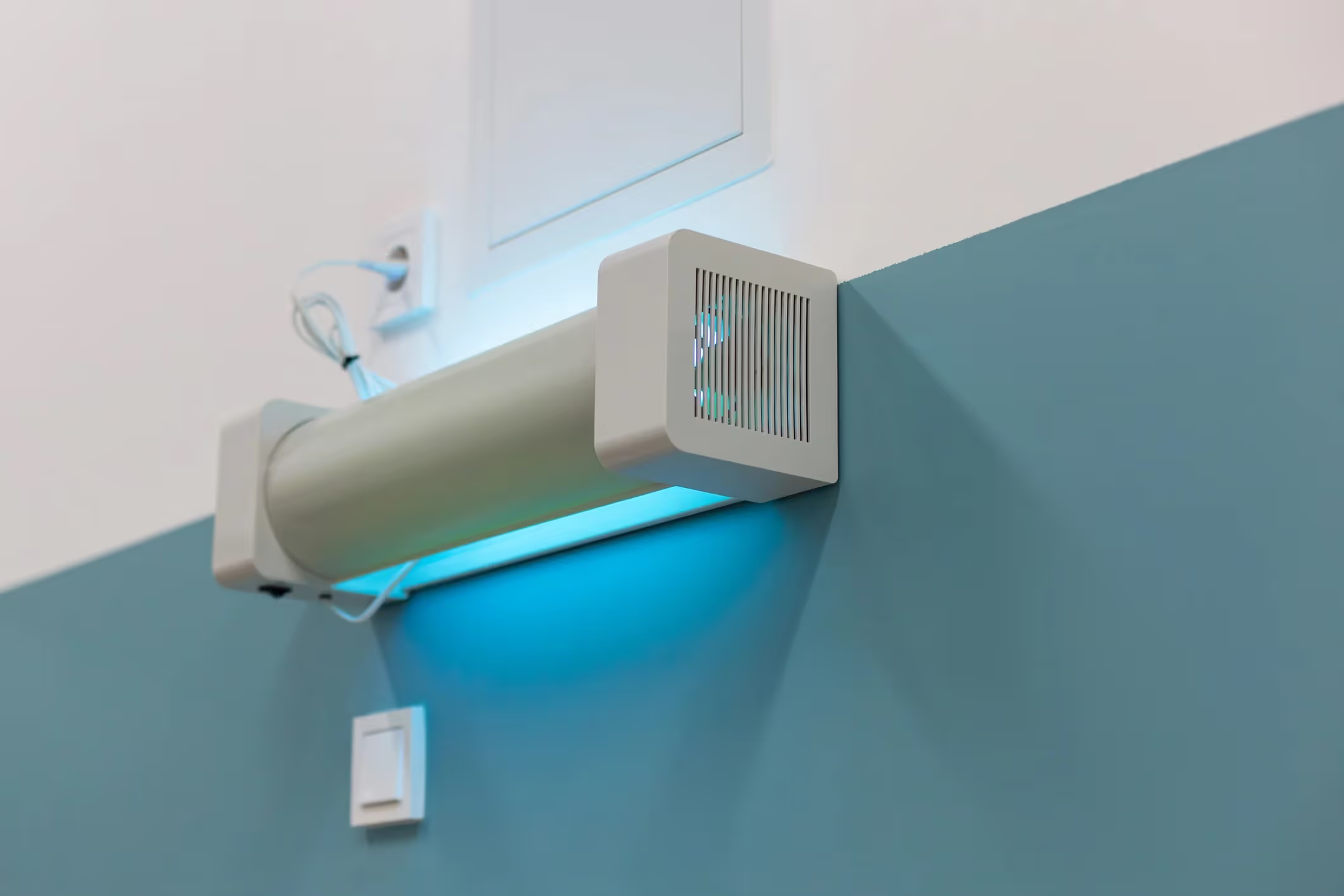
Replacing a UV air purifier involves more than simply swapping out a bulb. Over time, the effectiveness of ultraviolet light diminishes, even if the bulb still appears to emit a blue glow. The UV-C wavelength required to penetrate the cell walls of bacteria and mold degrades after 9,000 to 12,000 hours of use. A professional replacement service addresses the entire purification unit to ensure it is operating at the correct nanometer frequency to sterilize your HVAC system effectively.
When you schedule a replacement service, the focus is on restoring the "kill rate" of your system. This includes inspecting the ballast, which regulates the voltage to the lamp. A failing ballast can cause a new bulb to flicker or burn out prematurely. The service also includes cleaning the mounting area within the ductwork or near the evaporator coil. Dust and debris buildup on the mounting brackets can obscure the light or create fire hazards.
Modern UV systems have evolved significantly in recent years. If your current unit is older, a replacement often means upgrading to a system with higher oxidation capabilities. Newer models often include oxidizing modules that target volatile organic compounds (VOCs) and cooking odors, rather than just sterilizing biological growth. This comprehensive approach ensures that the air circulating through your Glasgow home is not just filtered, but actively sanitized.
The scope of work also covers the safety mechanisms of the unit. UV-C light is harmful to human eyes and skin. A proper replacement ensures that the safety interlock switches are functioning correctly. These switches automatically turn the light off if the HVAC panel is opened, protecting homeowners and technicians from accidental exposure. Verifying these safety protocols is a critical step that differentiates a professional replacement from a DIY attempt.
How the Installation and Replacement Process Works
The process of replacing a UV air purifier is systematic and focused on safety and system integrity. It begins with a thorough assessment of the existing HVAC setup to determine the optimal placement and condition of the current unit.
- System Shutdown and Safety Check
The first step involves completely powering down the HVAC system to prevent electrical shock or injury from moving parts. Technicians verify that no current is flowing to the UV unit. This stage also involves checking the safety interlock switch to ensure it cuts power when the access door is removed.
- Removal of Existing Unit or Bulb
Technicians carefully remove the old UV lamp. Because these lamps often contain small amounts of mercury and are pressurized, they must be handled with extreme care to prevent breakage inside the ductwork. If the entire unit is being replaced, the old ballast and mounting hardware are unscrewed and disconnected from the 24-volt or 110-volt power source.
- Site Preparation and Cleaning
Before the new unit is installed, the area inside the duct or above the coil is cleaned. UV lights are often placed near damp areas to prevent mold; consequently, the mounting surface may require sanitization to ensure the new unit adheres properly and functions without obstruction.
- Installation of New Hardware
The new ballast and mounting bracket are secured. For coil-sterilization lights, the bracket is positioned so the UV rays shine directly onto the evaporator coil without hitting plastic or rubber components that could degrade. For air-sterilizing lights, the unit is mounted in the supply or return duct for maximum exposure time to the airflow.
- Electrical Connection and Wiring
The unit is wired into the HVAC system’s power supply. This may involve connecting to a dedicated transformer. Technicians ensure the voltage matches the unit's specifications. Proper grounding is verified to prevent electrical interference with the thermostat or other control boards.
- Bulb Insertion and Testing
The new UV-C lamp is inserted into the socket using gloves to prevent oils from human skin from creating hot spots on the glass. Once secured, the system is powered back on. Technicians view the light operation through a specialized viewport or indicator light—never directly—to confirm ignition.
- Final System Verification
The technician verifies that the light remains on during the HVAC cycle (or continuously, depending on the model). The access panel is sealed with foil tape if necessary to prevent light leakage, which could damage nearby materials or harm eyesight.
When Replacement Beats Repair
Deciding between repairing an existing UV system or opting for a full replacement depends on the age of the unit and the specific component failures. While changing a bulb is a standard maintenance task, there are distinct scenarios where a complete system overhaul provides better value and performance.
Ballast Failure and Electrical Issues
The ballast is the heart of the UV system. If the ballast fails, the bulb will not light, or it will operate inconsistently. Replacing a ballast on an obsolete unit can be nearly as expensive as installing a brand-new, modern system. If your unit is making a buzzing noise, flickering, or failing to power the bulb despite a bulb change, the internal electronics have likely degraded. In these cases, replacement ensures reliability and comes with a new manufacturer warranty.
Outdated Technology
UV technology improves rapidly. Older units may only emit UV-C light, which is effective against surface mold but less effective against airborne odors or chemical vapors. Newer systems often combine UV-C with activated carbon banks or photocatalytic oxidation (PCO). If you are struggling with lingering cooking smells, pet odors, or chemical off-gassing, repairing an old simple-spectrum light will not solve the problem. Upgrading to a modern unit addresses these broader air quality issues.
Physical Damage and Degradation
The environment inside an HVAC plenum is harsh. It involves constant temperature fluctuations, vibration, and airflow. Over time, plastic housings can become brittle and crack, and metal mounts can corrode, especially in humid environments. If the physical structure of the air purifier is compromised, it poses a risk of falling into the blower fan or evaporator coil. Replacing the unit eliminates this physical risk and ensures the light remains securely mounted in the optimal position.
Efficiency and Energy Consumption
Newer UV air purifiers are designed to be more energy-efficient while delivering higher intensity output. If your current system is older than five to seven years, it is likely drawing more power for less sterilization capability. Replacing it with a high-efficiency model optimizes energy usage and ensures that the UV intensity is strong enough to kill pathogens in the fast-moving air stream.
Local Considerations for Glasgow Residents
Operating an HVAC system in Glasgow requires attention to specific regional climate factors. The effectiveness of a UV air purifier is directly tied to how well it manages the challenges presented by the local weather patterns.
Combating High Humidity
Summers in this region bring significant humidity. When an air conditioner removes moisture from the air, the evaporator coil becomes wet and dark—a perfect breeding ground for mold and mildew. A UV light installed directly over the coil prevents this biological growth. For residents in Glasgow, ensuring the UV system is functioning during the peak summer months is critical for preventing "Dirty Sock Syndrome," a musky odor caused by bacteria on the coils.
Seasonal Allergens
This area experiences high pollen counts in the spring and fall. While filters trap dust, UV purifiers destroy the DNA of biological allergens that manage to pass through standard filtration. Replacing your UV system before the onset of allergy season ensures that your home remains a sanctuary against the pollen and mold spores prevalent in the local flora.
Winter Ventilation Issues
During the milder but chilly winters, homes are sealed tight to conserve heat. This lack of fresh air exchange causes pollutants to accumulate indoors. Viruses and bacteria circulate repeatedly through the ductwork. A functioning UV air purifier is essential during these months to reduce the viral load in the air, helping to minimize the spread of cold and flu among household members.
Voltage and Electrical Codes
Local electrical setups vary, and ensuring your UV system is compatible with your home’s voltage is vital. Professional installers understand the local residential electrical standards, ensuring that the UV system installation complies with all safety codes. This prevents overloads and ensures the longevity of both the HVAC system and the air purifier.
Why Professional Installation Matters
The effectiveness of a UV air purifier is entirely dependent on proper installation and intensity calibration. A unit that is installed in the wrong location or without the correct power supply will simply be a blue light that offers no air quality benefits.
Strategic Placement
The distance between the UV lamp and the surface it is meant to sterilize follows the inverse square law of light intensity. If the lamp is mounted just a few inches too far from the evaporator coil, its ability to kill mold drops exponentially. Carter Heating and Cooling technicians calculate the precise distance and angle required to ensure maximum sterilization coverage. This ensures that every square inch of the coil is bathed in germicidal light.
Preserving HVAC Components
UV-C light is destructive to organic materials, but it can also degrade certain inorganic materials found in HVAC systems, such as flex duct liners, drain pans, and wiring insulation. Professional replacement involves installing shielding or selecting mounting locations that protect these sensitive components. This prevents costly damage to the air conditioning unit that can occur from amateur installation.
Handling of Hazardous Materials
Old UV bulbs contain mercury and must be disposed of according to environmental regulations. They cannot be thrown in the household trash. A professional service includes the safe removal and recycling of old bulbs, ensuring that hazardous materials do not end up in the local ecosystem.
Verification of Amperage and Airflow
Adding accessories to an HVAC system changes the electrical draw. Technicians verify that the system’s transformer can handle the additional load of the UV light without blowing fuses or damaging the control board. Furthermore, they ensure the installation does not impede airflow, which could reduce the efficiency of the heating and cooling system.
Maximizing Your System's Lifespan
Once a new UV air purifier is installed, maintenance is key to long-term performance. While these systems are relatively low maintenance, they are not "set it and forget it."
- Monitor Indicator Lights
Most modern units come with a visual indicator on the ballast box. Check this periodically. A green light usually indicates normal operation, while red or flashing lights signal a fault or the need for a bulb replacement.
- Stick to the Replacement Schedule
Do not wait for the bulb to burn out. The germicidal output drops off long before the visible light fails. adhering to a strict one or two-year replacement cycle ensures the air quality in your home remains consistent.
- Keep the Unit Clean
During routine HVAC maintenance, the bulb should be wiped down with a soft cloth and alcohol to remove any dust or film. Even a thin layer of dust can block the UV-C waves, rendering the system ineffective.
Prioritizing the quality of the air you breathe is an investment in your long-term health. Whether you are dealing with mold on your coils or looking to reduce the spread of airborne viruses, a properly functioning UV system is the first line of defense.
Breathe Cleaner Air With Carter Heating and Cooling
Poor indoor air quality doesn’t have to be the norm in your Glasgow home. With professionally installed and properly maintained UV air purification from Carter Heating and Cooling, you can neutralize allergens, bacteria, mold, and odors at the source—inside your HVAC system. From expert placement and code-compliant installation to ongoing care through our HVAC maintenance plan, HVAC financing options, and occasional HVAC specials, we make cleaner, healthier air both accessible and affordable.
Secure your home against invisible threats today. Contact Carter Heating and Cooling to schedule your UV air purifier replacement.

Great Service at a Fair Price
Veterans Discount


Senior Discount

Law Enforcement

Fire fighters/ems

Hear From Your Neighbors!
Hear from your neighbors to see how our commitment to dependable service and lasting comfort has made a difference in their homes.