
How can we help today?
Choose an option to see quick actions and get help faster.Furnace Maintenance in Glasgow, KY
Furnace Maintenance in Glasgow, KY
Furnace Maintenance in Glasgow, KY
Is Your Furnace Ready for the Glasgow Winter?
As the chilly seasons approach in Glasgow, KY, ensuring your heating system operates flawlessly is more than a comfort—it's a necessity. When was the last time your furnace was thoroughly inspected and maintained to prevent a breakdown during a freezing night? Contact Carter Heating and Cooling today to secure your appointment before the seasonal rush begins.
Ignoring the condition of your heating unit often leads to higher energy bills, reduced comfort, and unexpected repair costs. A proactive approach protects your investment and ensures your home remains safe and warm.
- Increase your furnace's efficiency and life span with professional maintenance.
- Get ahead of the winter rush with pre-season checks and secure peace of mind.
- Customize your maintenance plan to meet Glasgow's unique climate demands.
Fully licensed and insured, we provide transparent pricing with no hidden fees so you know exactly what to expect.
What You Get With a Comprehensive System Tune-Up
Furnace maintenance is often mistaken for a quick visual check, but a true professional tune-up involves a rigorous examination of the system's mechanical, electrical, and airflow components. The goal is to return the unit to factory specifications, ensuring it runs as efficiently as the day it was installed. Homeowners in Glasgow rely on their heating systems to handle fluctuating temperatures, and our comprehensive service covers every critical aspect of furnace operation.
Safety Inspection and Carbon Monoxide Testing
The most critical aspect of furnace maintenance is safety. Gas furnaces burn fuel to generate heat, and this process produces byproducts that must be vented correctly. During a tune-up, technicians inspect the heat exchanger for cracks or fissures. Even a hairline crack can allow dangerous carbon monoxide to leak into the living space. We also test the venting system to ensure exhaust gases are leaving the home properly and verify that all safety switches—such as the limit switch and rollout switch—are functioning to shut the unit down in case of a malfunction.
Burner Assembly Cleaning and Adjustment
Over time, the burners in your furnace can accumulate dust, soot, and rust. This buildup restricts the flow of gas and oxygen, leading to incomplete combustion. Incomplete combustion not only lowers the heating efficiency of the unit but can also create excessive soot that clogs the heat exchanger. We remove the burners, clean them thoroughly, and adjust the air-fuel mixture to ensure a clean, blue flame that produces maximum heat with minimal waste.
Blower Motor and Airflow Optimization
Airflow is the vehicle that delivers heat to your rooms. If the blower motor is dirty or the capacitor is weak, the fan cannot spin at the required speed. This puts strain on the motor, leading to overheating and premature failure. We inspect the blower wheel for debris buildup, which can unbalance the fan and cause noise or vibration. We also check the amperage and voltage of the motor to predict potential failures before they happen, ensuring your system circulates air effectively throughout the entire home.
Electrical Connection Tightening and Sensor Calibration
Modern furnaces rely heavily on electronics to control temperature and staging. Loose electrical connections can cause voltage drops that damage sensitive components like the control board. We tighten all wire connections and inspect insulation for signs of wear or heat damage. Additionally, we clean the flame sensor. This small rod detects whether a fire is burning; if it becomes coated in oxidation or carbon, it will shut the gas valve off falsely, leaving your home cold. Cleaning this sensor is a standard but vital part of maintaining reliability.
The Process: Restoring Peak Performance
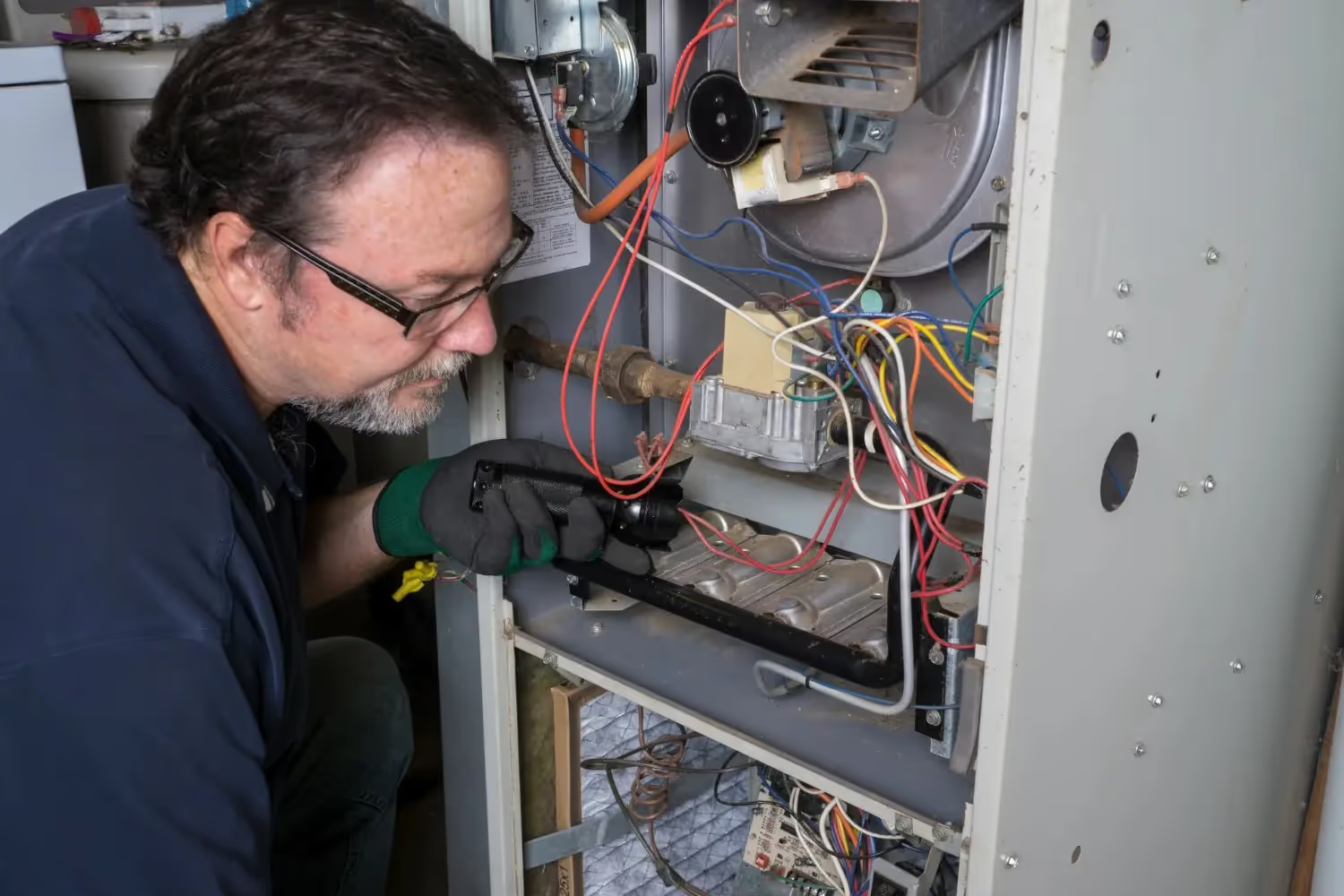
Understanding how a maintenance visit works helps homeowners prepare and highlights the value of the service. The process is designed to be thorough yet efficient, minimizing disruption to your daily routine while maximizing the performance of your HVAC equipment.
- Initial Assessment and Operation Check: The service begins with a discussion about any specific issues you have noticed, such as strange noises, cold spots in the house, or rising utility bills. The technician then operates the system in heating mode to observe the startup sequence, listening for irregular sounds and watching for delayed ignition.
- Internal Component Cleaning and Lubrication: Once the initial check is complete, power to the unit is turned off for safety. The technician opens the cabinet to access internal components. Moving parts in older furnaces may require lubrication to reduce friction and wear. The interior of the cabinet is vacuumed to remove dust that could be drawn into the blower compartment.
- Filter Evaluation and Replacement Strategy: The air filter is inspected. If it is clogged, it restricts airflow, causing the heat exchanger to overheat and the system to short-cycle. We replace standard filters or recommend the correct type for your specific system. Using a filter with a MERV rating that is too high for the ductwork can actually harm the system, so professional advice here is crucial.
- Final Calibration and Performance Testing: After cleaning and adjustments, the system is powered back on. The technician measures the temperature rise—the difference between the air temperature entering the furnace and the air leaving it. This number must fall within the manufacturer’s specified range. If it is too high or too low, further adjustments to the gas pressure or blower speed are made.
- Reporting and Recommendations: Carter Heating and Cooling concludes the visit by providing a detailed report of the work performed. If any parts are showing signs of near-future failure, you are informed immediately. This allows you to decide whether to replace a part proactively or wait, putting the control back in your hands.
Deciding Between Repair, Maintenance, and Replacement
Homeowners often struggle to distinguish between a system that needs a tune-up, a system that requires repair, and a system that has reached the end of its useful life. Making the right decision depends on the age of the unit, the frequency of breakdowns, and the cost of operation.
When Maintenance is the Solution
If your furnace is under ten years old and generally heats well but has started to make minor noises or caused a slight increase in energy bills, maintenance is the correct path. Routine tuning corrects these minor drift issues, restores efficiency, and validates the manufacturer’s warranty. Most warranties require proof of annual maintenance to remain valid. If you have neglected this in the past, scheduling a service now can help get your documentation back on track.
When Repair is Necessary
Maintenance is preventative; repair is curative. If your system has stopped working entirely, is blowing cold air when set to heat, or is making loud banging or screeching sounds, a tune-up will not solve the problem. These symptoms indicate a failed component that needs replacement. However, once the repair is completed, establishing a maintenance schedule is vital to prevent the new part from failing due to systemic stress.
When Replacement Beats Repair
There comes a point where investing in an old unit is no longer improved by maintenance or repair. If your furnace is over 15 years old and faces a major component failure—such as a cracked heat exchanger or a blown compressor in a heat pump setup—replacement is often the more financial savvy choice. Modern systems offer significantly higher AFUE (Annual Fuel Utilization Efficiency) ratings. Upgrading from a 70% efficient unit to a 95% efficient unit can result in utility savings that offset the installation cost over time. If your repair costs approach 50% of the value of a new system, it is time to consider replacement — apply for financing to manage costs.
Local Climate Factors Impacting Heating Systems
Glasgow, KY, experiences a humid subtropical climate that presents unique challenges for heating infrastructure. While winters are generally mild compared to northern states, the region sees distinct cold snaps and significant precipitation year-round. These environmental factors directly influence how often maintenance is needed and what specific components are most vulnerable.
- Humidity and Corrosion Risks: The high humidity levels in Kentucky, even during transitional seasons, can lead to moisture buildup within the system. If a furnace sits idle during the humid summer and early fall without proper ventilation or maintenance, rust can form on the burners and the heat exchanger. Rust flakes can clog gas orifices, leading to dangerous operating conditions. Professional maintenance includes inspecting for corrosion that is specific to our local humidity levels.
- Temperature Fluctuations and Thermal Stress: Glasgow weather can fluctuate rapidly, with warm afternoons dropping to freezing temperatures at night. This causes the furnace to cycle on and off frequently. This "short cycling" puts immense thermal stress on the heat exchanger, as the metal expands and contracts repeatedly. Regular maintenance ensures that the thermostat anticipation settings are correct to handle these swings without overworking the mechanical components.
- Mold and Biological Growth: Because of the year-round precipitation and humidity, the condensate drain lines in high-efficiency furnaces are prone to algae and mold growth. If these lines become clogged, water can back up into the furnace, damaging the circuit board and causing water damage to the floor. Our technicians clear and treat these lines to prevent biological blockages that are common in our region.
The Economic Value of Routine Care
Many homeowners view maintenance as an optional expense, but data suggests it is a cost-saving measure. A neglected furnace loses efficiency with every passing year. Layers of dust on a blower wheel can reduce airflow by up to 30%, forcing the motor to use more electricity to push air through the ducts. Similarly, soot on a heat exchanger acts as an insulator, preventing heat from transferring into your home and sending it up the flue instead.
By restoring the system to peak condition, you reduce the workload on the unit. This lowers monthly utility bills, which is particularly important given the fluctuating energy costs. Furthermore, a well-maintained system lasts longer. Extending the life of a furnace by three to five years delays the significant capital expense of a full system replacement, providing a substantial return on the investment of an annual service fee.
Proof of Professionalism and Standards
When inviting a technician into your home, trust and qualification are paramount. The HVAC industry is regulated to ensure safety, as mishandling gas lines or high-voltage electricity poses serious risks.
- Adherence to Kentucky Building Codes: We operate in strict accordance with Kentucky state regulations and local building codes. This ensures that every adjustment or repair meets the safety standards required by the Department of Housing, Buildings, and Construction. Compliance is not just about legality; it is about ensuring the safety of your household.
- Manufacturer Warranty Compliance: Major furnace manufacturers include clauses in their warranty documentation that void coverage if the unit is not maintained by a licensed professional. We provide the necessary documentation to prove that your system has been cared for according to factory requirements. This protects you in the event of a major part failure that should be covered by the manufacturer.
- Specialized Diagnostic Tools: Our team utilizes industrial-grade combustion analyzers, manometers, and multimeters that are not available to the average consumer. These tools allow us to read the internal vitals of the furnace with precision, identifying issues that are invisible to the naked eye. We do not guess; we measure and verify.
Secure Your Comfort This Season
Winter in Glasgow brings unpredictable weather, and the reliability of your heating system determines the comfort and safety of your home. Waiting until the first freeze to test your furnace often results in discovering a problem when technicians are busiest and emergency rates apply. Proactive maintenance eliminates this variable, ensuring your home remains a warm sanctuary regardless of the temperature outside.
Why Choose Us?
Choosing Carter Heating and Cooling means partnering with a team committed to your home’s safety, comfort, and long-term savings. Our technicians bring years of experience, advanced diagnostic tools, and a deep understanding of Glasgow’s climate-specific heating challenges. We provide thorough, detail-oriented furnace maintenance that goes far beyond a basic inspection—restoring your system to peak performance while preventing costly breakdowns. With transparent pricing, licensed professionals, and a dedication to industry standards, we ensure every service delivers reliability, efficiency, and peace of mind you can trust all winter long.
Call Us Now!
Don’t leave your heating to chance. Ensure your system is efficient, safe, and ready for whatever the weather brings. Schedule your furnace maintenance with Carter Heating and Cooling today.

Great Service at a Fair Price
Veterans Discount


Senior Discount

Law Enforcement

Fire fighters/ems

Hear From Your Neighbors!
Hear from your neighbors to see how our commitment to dependable service and lasting comfort has made a difference in their homes.