
How can we help today?
Choose an option to see quick actions and get help faster.Heating System Failure During Freezing Weather? Get Immediate Repair Services
Cold weather in Glasgow shouldn't mean cold homes, yet mechanical failures often happen exactly when the temperature drops into the mid-20s. If your system has stopped working, contact us immediately for rapid, reliable heating repairs that restore your comfort without delay. Carter Heating and Cooling provides priority dispatch for homeowners facing loss of heat to ensure safety and warmth are restored quickly.
- Technicians available 24/7 to handle all heating emergencies, including weekends and holidays.
- Transparent pricing and no hidden fees provided before any work begins.
- All repairs are carried out by certified professionals with a proven track record on all major makes and models.
- Backed by a comprehensive warranty and satisfaction guarantee for peace of mind.
Immediate Diagnostic and Repair Scope
When a heating system fails, the priority is identifying the root cause accurately to prevent a recurring issue. Modern heating systems, whether gas furnaces or electric heat pumps, operate on complex sequences of operation. A failure in one component, such as a flame sensor or a pressure switch, can shut down the entire unit to preserve safety. Professional service focuses on isolating these faults quickly using advanced diagnostic tools.
Homeowners in Glasgow require a service that encompasses the entire heating ecosystem. This includes the thermostat, the air handler, the combustion chamber, and the distribution ductwork. The goal of a service visit is not just to patch the immediate problem but to verify the integrity of the system to handle the remainder of the winter season.
Common Heating Failures Addressed
Technicians arrive fully stocked to address the most frequent mechanical breakdowns encountered in the region — view our FAQs for details.
- Ignition Control Malfunctions: For gas furnaces, issues often arise with the hot surface igniter or the pilot light assembly. If the system cannot establish a flame safely, the gas valve will not open.
- Airflow Restrictions: Clogged filters, failing blower motors, or blocked return vents can cause the heat exchanger to overheat, triggering the high-limit switch to shut the unit down.
- Thermostat Calibration Issues: A thermostat that is not communicating correctly with the furnace or heat pump can lead to short cycling, where the system turns on and off rapidly without reaching the set temperature.
- Heat Pump Refrigerant Leaks: In systems that rely on refrigerant transfer, low levels reduce heating capacity and can cause the compressor to freeze up or fail completely.
- Component Wear and Tear: Squealing belts, grinding motor bearings, and worn-out capacitors are addressed immediately to prevent catastrophic failure of the blower or draft inducer motor.
The Service Timeline
The standard procedure prioritizes minimizing downtime. Upon contacting the service team, the dispatch protocol assesses the severity of the issue—prioritizing total heat loss scenarios. A technician is routed to the property with the necessary tools to perform a comprehensive evaluation. Most repairs are completed within a single visit due to high vehicle stock levels. If a specialized part is required, the procurement process is expedited to ensure installation occurs as soon as the component is available.
The Repair Process Execution
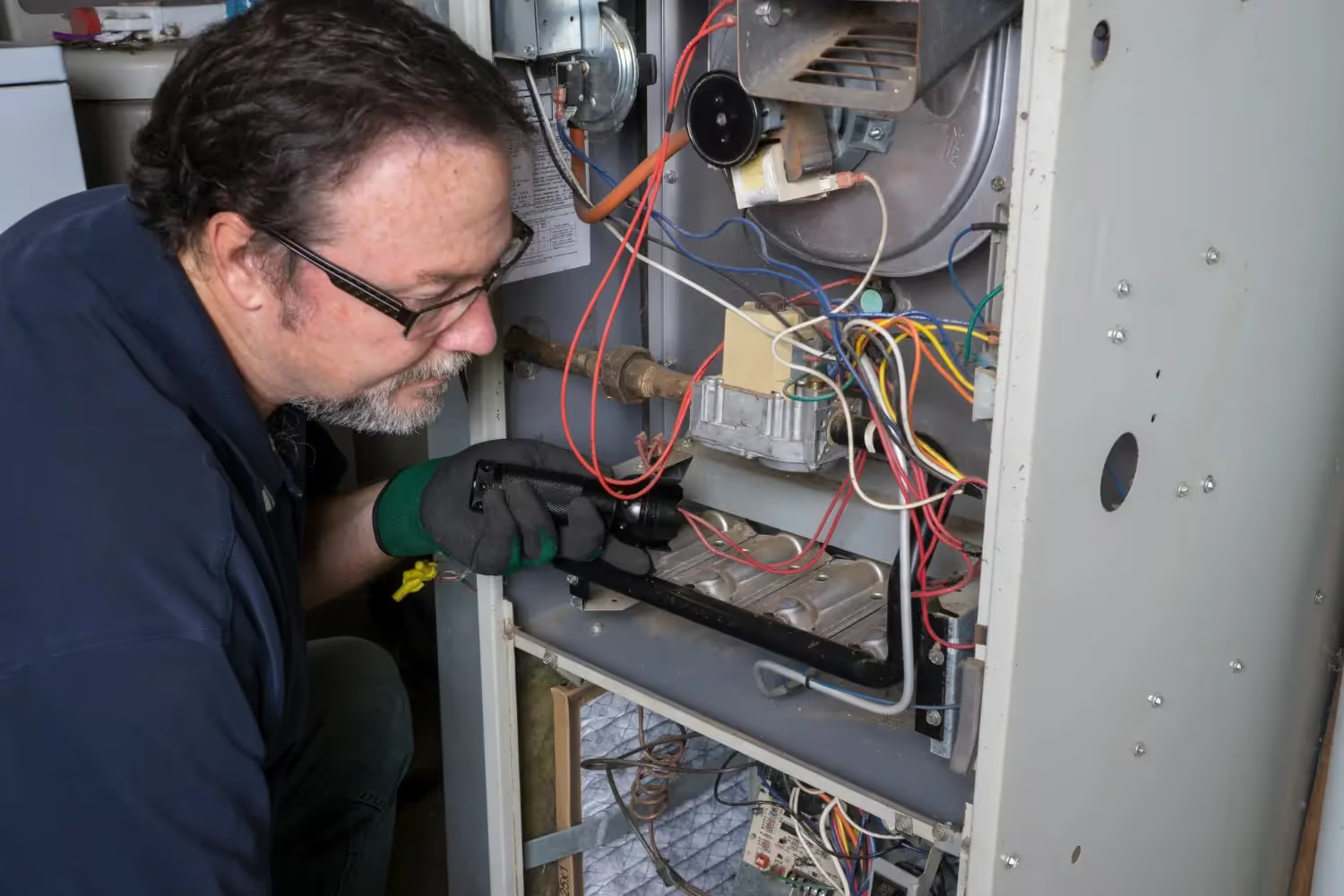
A structured approach to heating repair ensures consistency, safety, and efficiency. Random troubleshooting is inefficient and often leads to misdiagnosis. Instead, a systematic evaluation of the heating cycle is performed to pinpoint the failure.
- Initial System Assessment: The technician begins by verifying the thermostat settings and checking the power supply to the unit. This rules out simple electrical trips or setting errors.
- Safety Inspection: Before firing up the unit, the heat exchanger is inspected for cracks (in gas furnaces) to rule out carbon monoxide risks. Electrical connections are tightened, and safety switches are tested for continuity.
- Sequence of Operation Testing: The technician manually triggers the heating cycle to observe the sequence: draft inducer start, pressure switch engagement, igniter glow, gas valve opening, and flame rectification.
- Fault Isolation: Once the sequence breaks, the technician identifies the specific failing component using multimeters and manometers to measure voltage, amperage, and gas pressure.
- Quotation and Authorization: The homeowner receives a clear, written explanation of the problem and the total cost for the repair. No work proceeds without explicit approval.
- Repair Implementation: The faulty component is removed and replaced with an OEM-grade part. The system is cleaned and adjusted to ensure the new part integrates seamlessly.
- Operational Verification: The system is run through a full heating cycle. The technician measures the temperature rise (the difference between supply and return air temperature) to confirm the unit is producing heat within manufacturer specifications.
- Final Site Cleanup: The work area is cleared of debris, old parts are removed for disposal, and the homeowner is briefed on the work performed.
Deciding Between Repair and System Replacement
Homeowners often face the difficult decision of whether to invest in another repair or to replace the aging system entirely. This decision should be based on mathematical and technical factors rather than emotion. While repairing is often the most cost-effective immediate solution, there are specific thresholds where replacement becomes the more prudent financial choice.
The 50% Rule
A common industry standard used to guide this decision is the 50% rule. If the cost of the repair approaches or exceeds 50% of the value of a replacement system, investing in a new unit is generally recommended. This is particularly true if the current system is out of warranty, as future repairs will continue to add to the total cost of ownership.
Age of Equipment
Heating systems have distinct lifespans.
- Furnaces: A well-maintained gas furnace typically lasts between 15 and 20 years. If a unit is over 15 years old and suffers a major component failure (like a cracked heat exchanger or blower motor failure), replacement usually offers better long-term value.
- Heat Pumps: Because heat pumps run year-round for both heating and cooling, their lifespan is generally shorter, averaging 10 to 15 years. A heat pump requiring major compressor work after 12 years is a strong candidate for replacement.
Frequency of Breakdowns
If a system has required multiple repairs over the last two winters, it indicates that internal components are failing in succession. "Nickel and diming" repair costs can quickly eclipse the monthly payment of a new, high-efficiency system.
Efficiency Considerations
Older systems often operate at 60% to 70% AFUE (Annual Fuel Utilization Efficiency), meaning 30 to 40 cents of every dollar spent on gas is wasted. Modern systems operate upwards of 95% efficiency. If energy bills have been steadily climbing despite normal usage, the operational savings of a new unit can help offset the installation cost.
Local Climate Considerations and Technical Notes
Operating a heating system in Glasgow requires specific attention to the local climate conditions. The region experiences a humid subtropical climate, but winter lows frequently dip into the mid-20s °F. This specific weather profile creates unique demands on heating infrastructure compared to colder or milder regions — read our blog for winter tips.
Heat Pump Performance in Freezing Rain
Significant rainfall and moderate snowfall are common in the area. For homeowners with heat pumps, this moisture can freeze on the outdoor coil during winter operation. The system is designed to enter a "defrost mode" to melt this ice. However, if the defrost board fails or sensors malfunction, the unit can become encased in ice, halting heat production. Technicians in this area are specifically trained to troubleshoot defrost cycle failures and ensure outdoor units are elevated above anticipated snow lines to maintain airflow.
Humidity and Indoor Air Quality
The variable humidity levels can affect how heat is perceived. High indoor humidity in winter can lead to condensation on windows and potential mold growth, while overly dry air from gas furnaces can cause respiratory discomfort. Repair services often include checking the humidifier or dehumidifier components integrated into the HVAC system to ensure balanced humidity levels for comfort and structural health.
Permits and Regulations
Major repairs, specifically those involving the replacement of gas lines, venting systems, or total unit replacements, must adhere to local building codes and safety regulations. Professional providers handle the permitting process to ensure all work is compliant with local statutes. This is critical for insurance purposes and the future resale value of the home. Unauthorized work on gas appliances poses significant liability and safety risks.
Restoring Home Comfort
A broken heating system disrupts daily life and poses health risks during winter cold snaps. Navigating repair options should be straightforward, with a focus on technical accuracy and speed. From diagnosing complex electrical faults in heat pumps to replacing heat exchangers in gas furnaces, professional intervention ensures the home remains safe and warm.
Differentiators in Service Quality
Choosing the right provider for heating repair involves looking beyond the initial price quote. The quality of the diagnosis and the durability of the repair are determined by the expertise of the technician and the standards of the service company.
Certified Technical Expertise
Heating systems are dangerous if mishandled. Gas leaks, carbon monoxide generation, and high-voltage electrical hazards are present. Repairs are conducted by technicians who undergo rigorous training and certification. This ensures that every safety protocol is followed, from testing gas pressure to verifying proper venting draft.
Fully Stocked Mobile Warehouses
Speed of resolution is directly tied to parts availability. Service vehicles are stocked with a wide inventory of universal and specific parts, including igniters, control boards, capacitors, and motors. This logistical preparation reduces the need for supply house runs and gets the heat back on faster.
Warranty and Accountability
A professional repair is backed by a warranty on both parts and labor. If a replaced component fails shortly after service, it is addressed at no additional cost. This accountability incentivizes getting the repair done right the first time.
Carter Heating and Cooling Service Commitment
Reliability is the cornerstone of effective heating service. When a call is placed, the expectation is a timely arrival, clear communication, and a resolution that lasts. The focus remains on extending the life of the current equipment whenever possible while providing honest assessments when safety or efficiency is compromised.
Contact Us for Immediate Heating Repair!
Don't let a heating failure compromise the safety of your home. Contact the team to schedule a diagnostic visit and restore reliable heating performance today.

Great Service at a Fair Price
Veterans Discount


Senior Discount

Law Enforcement

Fire fighters/ems
Hear From Your Neighbors!
Hear from your neighbors to see how our commitment to dependable service and lasting comfort has made a difference in their homes.