
How can we help today?
Choose an option to see quick actions and get help faster.Heating Inspection in Glasgow, KY
Heating Inspection in Glasgow, KY
Heating Inspection in Glasgow, KY
Ensure Your Comfort with Expert Heating Inspections
Inconsistent heating during Glasgow's chilly winters often signals underlying mechanical issues that require immediate professional attention to prevent total system failure. Routine inspections by certified specialists act as the first line of defense, maintaining optimal performance and safety standards for your property. Contact us today to schedule a comprehensive assessment or to inquire about available financing options.
- Ensure reliable heat all winter long with our thorough inspection services.
- Detect potential issues early to save on costly repairs.
- Increase efficiency and decrease utility bills through expert maintenance.
Licensed and insured—complete service with peace of mind.
Comprehensive Inspections Today: Scope, Speed, and Precision
A heating inspection is a rigorous diagnostic procedure designed to uncover inefficiencies, safety hazards, and mechanical wear that a homeowner cannot see. The goal is to evaluate the current condition of the entire heating envelope, ensuring that every component functions within the manufacturer's specified ranges. This service goes far beyond a simple filter change; it involves a systematic analysis of the unit's combustion, electrical, and airflow systems.
Residents in Glasgow experience winters where temperatures frequently drop into the mid-20s. In this climate, a heating system operating at partial capacity forces the unit to run longer cycles to maintain the set temperature. This not only increases utility costs but accelerates part degradation. Our inspection targets these inefficiencies immediately. Upon arrival, technicians assess the system's age, installation history, and recent performance data to establish a baseline for the inspection.
Critical Component Analysis
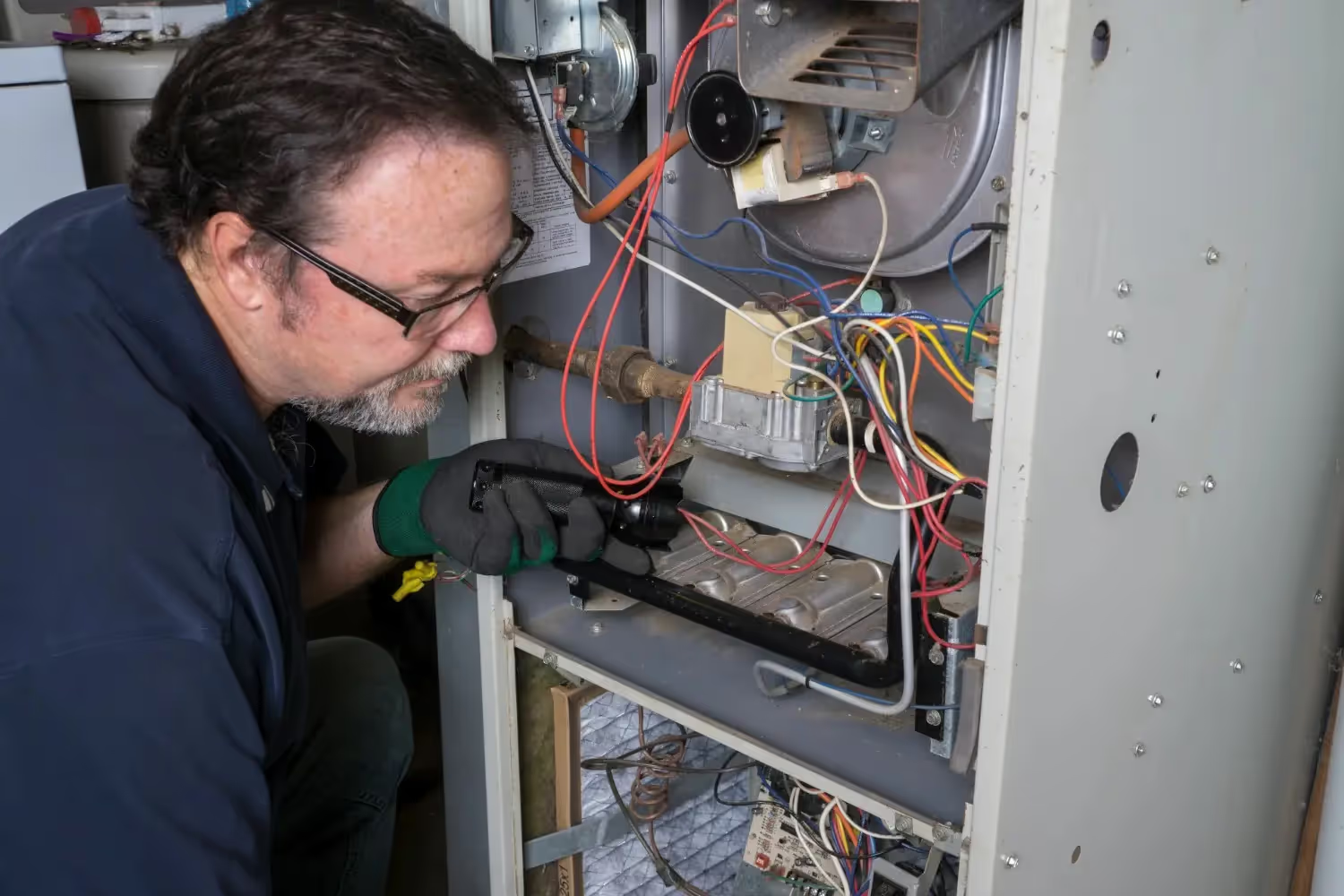
The core of the inspection focuses on the internal mechanisms that generate and distribute heat. Technicians meticulously examine the heat exchanger, a critical component responsible for separating combustion gases from the breathable air in your home. Cracks or corrosion in the heat exchanger can lead to dangerous carbon monoxide leaks. This safety check is non-negotiable and requires specialized cameras and tools to detect hairline fractures that are invisible to the naked eye.
Electrical components also undergo strict testing. Loose connections, frayed wiring, or capacitors that have drifted out of tolerance can cause sudden breakdowns or fire hazards. The inspection includes tightening all electrical connections, measuring voltage and amperage against the motor’s rating, and testing the thermostat's calibration. Ensuring the thermostat communicates correctly with the furnace or heat pump is essential for accurate temperature control and cycle management.
Airflow and Combustion Testing
Proper airflow is the lifeblood of any heating system. Restricted airflow causes overheating, which can trip safety limit switches and shut down the system unexpectedly. The inspection process involves checking the blower motor for debris buildup, testing the fan belt tension (if applicable), and verifying that supply and return registers are unobstructed. Static pressure tests are often conducted to ensure the ductwork is not strangling the system's performance.
For gas furnaces, combustion analysis is performed to verify that the fuel is burning efficiently and safely. Technicians inspect the burner assembly for rust or misalignment, clean the flame sensor to prevent short-cycling, and test the ignition system for reliable startup. Checking the flue pipe for proper draft ensures that exhaust gases are venting correctly outside the home, preventing back-drafting issues that compromise indoor air quality.
Our Inspection Process: What to Expect
A structured approach ensures that no detail is overlooked during the service visit. Carter Heating and Cooling utilizes a standardized protocol to deliver consistent, high-quality results for every inspection. The process is designed to be transparent, efficient, and informative, providing property owners with a clear understanding of their heating system's health.
Initial Assessment and System Start-Up
The visit begins with a discussion regarding any specific concerns, such as strange noises, odors, or cold spots in the house. Following this, the technician initiates a full system start-up to observe the startup sequence. This observation phase helps identify immediate irregularities in the ignition process, blower engagement, or noise levels. Listening to the system run provides valuable clues about bearing wear or airflow turbulence that static checks might miss.
Detailed Diagnostic Testing
Once the system is running, the hands-on diagnostic phase begins. This involves a series of technical steps:
- Measuring temperature rise: Technicians calculate the difference between the supply air and return air temperatures to ensure the unit is producing the correct amount of heat.
- Safety switch verification: Limit switches, rollout switches, and pressure switches are tested to guarantee they will shut the unit down in the event of a malfunction.
- Gas pressure calibration: For gas units, the manifold pressure is checked and adjusted to manufacturer specifications to ensure efficient fuel usage.
- Capacitor and motor testing: Technicians measure the electrical draw of motors and capacitors to predict potential failures before they occur.
Reporting and Recommendations
After the physical inspection is complete, the findings are compiled into a detailed status report. This document outlines the condition of key components, highlighting any critical safety issues that require immediate repair and identifying areas where performance can be improved. The report distinguishes between urgent repairs needed to prevent breakdown and proactive recommendations for longevity. You receive a clear explanation of the system's current state, allowing for informed decision-making regarding maintenance or repairs.
Considering a Replacement? How to Decide
An inspection often serves as the deciding factor between continuing to repair an aging unit or investing in a modern replacement. There comes a point where the cost of keeping an old system running outweighs the benefits of a new, high-efficiency installation. Making this decision requires analyzing the data provided during the inspection against the age and history of the equipment.
The 50% Rule and Repair Frequency
A common industry standard used to guide this decision is the "50% Rule." If the cost of a necessary repair approaches 50% of the value of a new system, replacement is generally the smarter financial move. Additionally, if the system has required multiple repairs in the last two years, it indicates that the internal components are reaching the end of their lifecycle simultaneously. Continuing to patch a failing system often leads to a "money pit" scenario where cumulative repair costs exceed the price of a new unit within a few years.
Efficiency and Technology Gains
Heating technology has advanced significantly in the last decade. Older furnaces and heat pumps often operate at much lower efficiency ratings compared to modern standards. If the inspection reveals that the current system operates at 60-70% Annual Fuel Utilization Efficiency (AFUE), upgrading to a unit with a 95% or higher AFUE rating can result in substantial monthly savings. These energy savings can offset the installation cost over time. Furthermore, newer systems offer variable-speed blowers and smart thermostat compatibility, providing superior comfort control that older single-stage units cannot match.
Safety Considerations
Safety is the ultimate trump card in the repair vs. replace debate. If the inspection uncovers a cracked heat exchanger or significant combustion issues in a unit older than 15 years, replacement is almost always the recommended path. The risk of carbon monoxide exposure or fire hazards makes patching such severe issues irresponsible. In these cases, a new installation ensures compliance with current safety codes and provides peace of mind that the household is protected.
Local Insights: Permits and Seasonal Advice for Glasgow
Operating a heating system in south-central Kentucky requires specific attention to regional variables. The local climate and regulatory environment influence how systems should be maintained and when inspections should be scheduled. Understanding these nuances ensures that the heating system is prepared for the specific challenges posed by the local environment.
Managing Humidity and Temperature fluctuations
The region is characterized by high humidity levels in the summer and variable winter temperatures. This humidity can linger into the fall, leading to moisture buildup within the HVAC system. If not addressed, this moisture can cause rust and corrosion on the heat exchanger and electrical contacts before the heating season even begins. An inspection in early autumn allows technicians to identify and clean any oxidation, protecting the system from accelerated rot. Furthermore, the mild winters with occasional deep freezes mean the system must be capable of modulating effectively; it needs to handle 45°F days just as efficiently as 20°F nights.
Compliance with Local Codes
Building codes and safety regulations in Kentucky are designed to protect residents from improper HVAC practices. When an inspection reveals the need for major repairs or a replacement, adhering to these local codes is mandatory. This includes requirements for proper venting of exhaust gases, dedicated electrical circuits for heating equipment, and clearance distances for combustible materials. Professional inspections ensure that the existing system remains in compliance or identify code violations that previous uncertified work may have introduced.
Seasonal Timing for Inspections
The ideal window for heating inspections in this area is late summer to early autumn, before the first frost arrives. Scheduling during this pre-season window ensures that the system is ready to perform when the temperature drops. Waiting until the first cold snap often results in longer wait times, as emergency service calls spike. Proactive homeowners in the region utilize this time to verify their system's readiness, ensuring that when the switch is flipped to "heat," the response is immediate and warm.
Why Choose Us: Trusted, Tried, and True
Selecting the right service provider for a heating inspection defines the quality and reliability of the results. The focus remains on technical proficiency, transparency, and a commitment to restoring home comfort without unnecessary delays. We prioritize accuracy in every diagnostic step, ensuring that the solutions provided are based on hard data rather than guesswork.
Certified and Equipped Technicians
Technical expertise is the foundation of a successful inspection. Technicians undergo rigorous training to stay updated on the latest heating technologies, from high-efficiency gas furnaces to complex heat pump systems. Trucks are fully stocked with common parts and advanced diagnostic tools, allowing for many minor issues to be resolved immediately during the inspection visit. This reduces the need for follow-up appointments and restores system functionality faster.
Honest Assessments Without Pressure
The goal of an inspection is to inform, not to upsell. Reports are presented with clarity, distinguishing between what is critical for safety and what is recommended for performance. Homeowners receive an honest evaluation of their system’s health, empowering them to make choices that fit their budget and long-term plans. There are no hidden fees or surprise charges; the focus is strictly on delivering a functioning, safe heating system.
Commitment to Safety and Property Protection
Respect for the home is paramount. Technicians utilize shoe covers and drop cloths to protect flooring and workspaces during the inspection. More importantly, the safety checks performed are exhaustive. Ensuring that a family is safe from carbon monoxide and electrical hazards is the primary objective of every service call. Carter Heating and Cooling stands behind the quality of every inspection, providing the assurance that the heating system is prepared to handle whatever the winter season brings.
Call Us Now!
Secure your home's comfort and safety before the cold sets in. Schedule your professional heating inspection today.

Great Service at a Fair Price
Veterans Discount


Senior Discount

Law Enforcement

Fire fighters/ems

Hear From Your Neighbors!
Hear from your neighbors to see how our commitment to dependable service and lasting comfort has made a difference in their homes.