
How can we help today?
Choose an option to see quick actions and get help faster.Furnace Inspection in Glasgow, KY
Furnace Inspection in Glasgow, KY
Furnace Inspection in Glasgow, KY
Ensure Your Furnace Runs Smoothly This Winter
Facing unexpected furnace troubles as the cold sets in? Quick, reliable furnace inspections can preclude costly breakdowns and ensure your home stays warm. For immediate scheduling or to discuss financing options, Contact us today.
- Rapid response team available 24/7 to handle all furnace emergencies
- Detailed inspections by certified technicians to ensure maximum efficiency and safety
- Flexible scheduling and same-day service to fit your busy lifestyle
All services backed by our comprehensive warranty and competitive financing options.
As temperatures drop across Barren County, the reliability of your heating system becomes the single most important factor in your home’s comfort and safety. A furnace that struggles to start or produces uneven heat is often signaling deeper mechanical issues that require professional attention before they evolve into a complete system failure. Residents in Glasgow, KY, know that winter weather can shift rapidly from mild chills to freezing ice storms, making a fully operational furnace a necessity rather than a luxury.
Carter Heating and Cooling provides comprehensive inspections designed to identify wear and tear, safety hazards, and efficiency losses. Rather than waiting for a breakdown in the middle of a January night, a proactive assessment ensures every component functions correctly. This approach minimizes energy waste and extends the lifespan of your equipment.
Comprehensive System Checks for Peak Performance
A professional furnace inspection goes far beyond a simple visual check. It is a rigorous diagnostic process involving specialized tools to measure pressure, electrical current, and combustion efficiency. The goal is to verify that the unit is operating within the manufacturer's specifications and to locate any anomalies that could compromise performance.
During a standard service visit, the focus remains on the critical components that drive the heating cycle. This includes:
- Heat Exchanger Analysis: The heat exchanger is inspected for cracks or corrosion. This is a critical safety step, as a compromised heat exchanger can allow carbon monoxide to leak into the living space.
- Ignition System Testing: Whether your system uses a pilot light, hot surface igniter, or spark ignition, technicians verify that the burner assembly lights consistently and safely every time the thermostat calls for heat.
- Blower Motor Amperage Draw: The motor is tested to ensure it is not drawing excessive electricity, which is often a precursor to motor failure or seizing.
- Flue Pipe and Venting Inspection: Proper ventilation is essential for exhausting combustion gases. Blockages or separations in the flue pipe are identified to prevent back-drafting.
- Safety Control Verification: Limit switches and safety sensors are tested to ensure they effectively shut down the unit in the event of overheating or flame roll-out.
- Thermostat Calibration: The communication between your controls and the furnace is checked to ensure accurate temperature readings and proper cycling.
By addressing these specific areas, the inspection process restores confidence in the system’s ability to handle peak loads. Identifying a failing capacitor or a dirty flame sensor now prevents the inconvenience of an emergency repair call when the weather is at its worst.
A Methodical Approach to Heating Safety
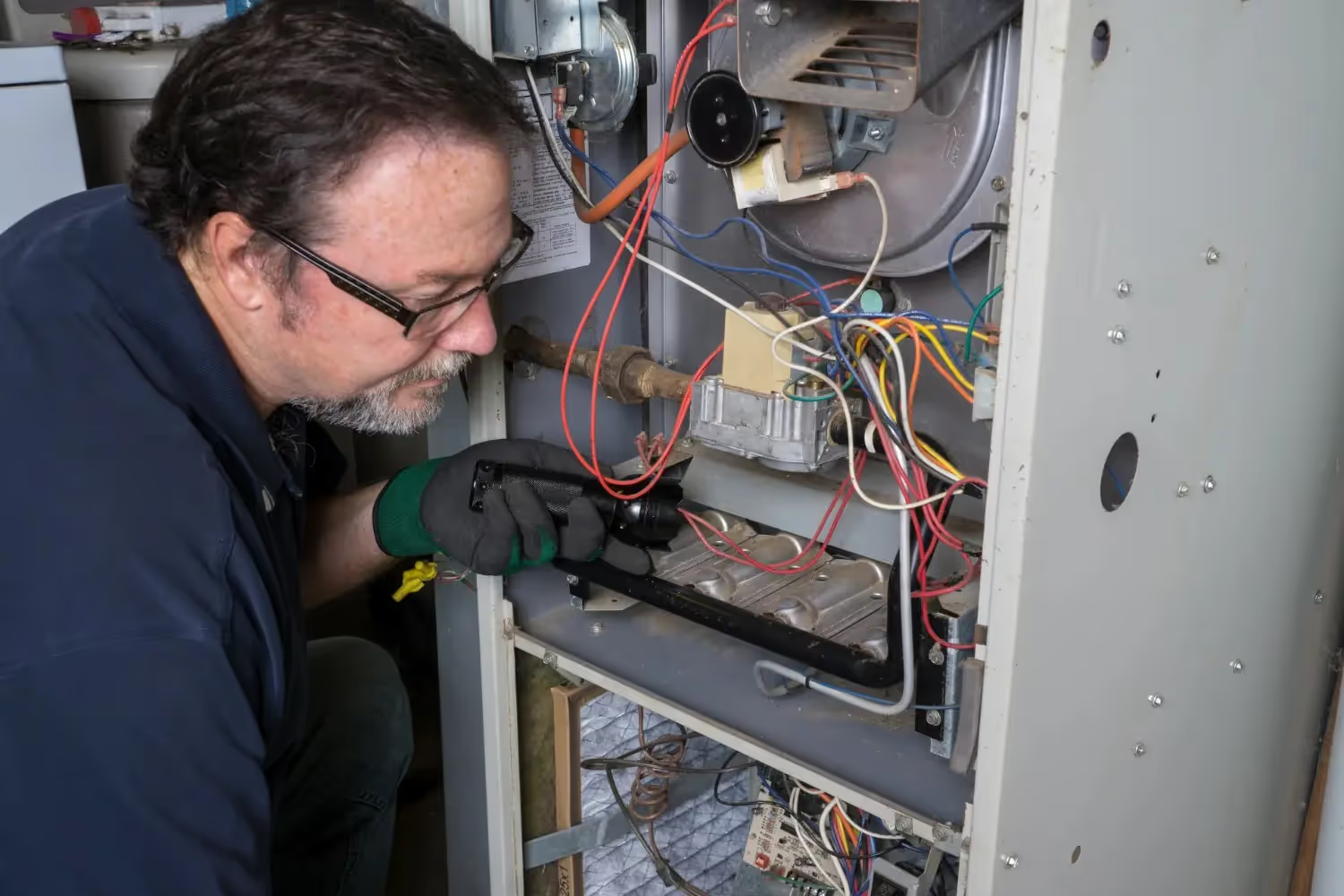
The process of inspecting a heating system follows a logical sequence to ensure no component is overlooked. This methodical approach allows technicians to isolate issues and provide accurate assessments of the system’s health.
The evaluation begins with an operational test. The system is cycled on to observe the startup sequence. Technicians listen for unusual noises, such as banging or grinding, which indicate loose components or bearing failure. During this phase, the flame color and stability are observed; a steady blue flame indicates clean combustion, while a yellow or flickering flame suggests incomplete combustion and potential carbon monoxide issues.
Next, the electrical connections are tightened and inspected. Vibration from normal operation can loosen wires over time, leading to arcing or intermittent failures. The capacitor, which helps start the blower and inducer motors, is tested for microfarad rating. If the reading is below the manufacturer's tolerance, it is flagged for replacement to prevent motor strain.
Following the electrical check, the airflow system is evaluated. A restricted air filter is the most common cause of furnace overheating. Technicians check the filter and the blower wheel for debris buildup. Dust accumulation on the blower wheel blades significantly reduces air movement, forcing the system to run longer to satisfy the thermostat setting.
Finally, the gas pressure is measured at the manifold. Incorrect gas pressure can lead to under-firing (insufficient heat) or over-firing (overheating and damage to the heat exchanger). Adjustments are made to bring the pressure in line with factory specifications. Upon completion, a detailed report is provided, outlining the current status of the equipment and any recommended repairs to maintain safety and efficiency in your Glasgow home.
Determining the Life Expectancy of Your Heating Unit
There comes a point where continuing to repair an aging furnace is no longer the most economical choice. An inspection provides the data needed to make an informed decision between repair and replacement. While many issues can be resolved with part replacements, structural failures or age-related efficiency drops often signal the end of the unit's service life.
Consider the following factors when deciding the future of your heating system:
- Age of the Equipment: Furnaces typically last between 15 and 20 years. If the unit is approaching or exceeding this range, major repairs are rarely cost-effective compared to investing in a modern, high-efficiency system.
- Frequency of Repairs: If the system has required multiple service calls in the last two years, or if the cost of a required repair approaches 50% of the value of a new unit, replacement is generally the wiser financial move.
- Energy Bills: A steady increase in heating costs, despite comparable usage patterns, indicates the system is losing efficiency. Modern units offer significantly higher AFUE (Annual Fuel Utilization Efficiency) ratings, which can offset installation costs over time through utility savings.
- Safety Red Tags: If a technician identifies a cracked heat exchanger, the unit must be shut down immediately due to carbon monoxide risks. In most cases, replacing the heat exchanger is prohibitively expensive on an older unit, making replacement the only safe option.
Understanding these variables helps homeowners avoid throwing good money after bad. A thorough inspection provides the transparency needed to weigh the immediate cost of repair against the long-term benefits of a new installation.
Navigating Local Climate and Utility Requirements
Operating a furnace in Glasgow requires attention to specific regional factors. The humid subtropical climate means that local homes experience a wide variance in weather patterns. While winters are generally milder than in northern states, the region is prone to sudden ice storms and cold snaps that put heavy, immediate demand on heating systems.
Humidity control is also a factor. During the transition from late fall to winter, moisture levels can affect how a home feels. A properly functioning furnace plays a role in managing indoor humidity. If the blower motor is short-cycling due to a limit switch error or restricted airflow, it fails to circulate air long enough to help stabilize the indoor environment.
From a regulatory standpoint, homeowners must ensure their systems comply with local codes. Any major repair or replacement involving gas lines or electrical modifications typically requires adherence to Kentucky HVAC licensure standards. Additionally, local utility providers, such as the Glasgow Electric Plant Board (EPB), often have specific efficiency standards or rebate programs tied to the performance of heat pumps and electric furnaces.
Ensuring your system is inspected by a professional familiar with local utility requirements ensures you are not missing out on potential efficiency rebates or violating safety codes. Furthermore, proper maintenance records are often required to keep manufacturer warranties valid. If a component fails under warranty, manufacturers will ask for proof of annual maintenance before approving the claim.
Why Professional Verification Matters
Many homeowners attempt to troubleshoot heating issues themselves, but modern furnaces are complex appliances integrating gas combustion, high-voltage electricity, and sophisticated electronics. Without the proper training and diagnostic equipment, DIY attempts can lead to misdiagnoses or, more dangerously, safety hazards.
Professional verification ensures that the root cause of an issue is identified, not just the symptom. For example, a furnace that keeps shutting off may be blamed on a bad thermostat, when the reality is a blocked flue pipe causing a pressure switch to trip. Replacing the thermostat won't solve the safety hazard.
Certified technicians bring an understanding of the entire HVAC ecosystem. They assess how the furnace interacts with the ductwork, the thermostat, and the home’s insulation. This holistic view allows for adjustments that improve overall comfort, such as balancing dampers to ensure even heating across different rooms.
Carter Heating and Cooling employs technicians who understand the specific needs of homes in this region. By utilizing professional services, you ensure that your heating system is safe, compliant with all regulations, and optimized for energy efficiency.
Call Us Now!
Winter weather does not wait for you to be ready. A comprehensive inspection is the most effective way to guarantee your heating system will perform when you need it most. By addressing minor wear and tear now, you avoid the stress and expense of emergency breakdowns during freezing temperatures.
Take control of your home’s climate and ensure the safety of your family. Schedule your furnace inspection today to verify your system is running safely and efficiently.

Great Service at a Fair Price
Veterans Discount


Senior Discount

Law Enforcement

Fire fighters/ems

Hear From Your Neighbors!
Hear from your neighbors to see how our commitment to dependable service and lasting comfort has made a difference in their homes.