
How can we help today?
Choose an option to see quick actions and get help faster.Ductless Inspection in Smiths Grove, KY
Ductless Inspection in Smiths Grove, KY
Get a comprehensive ductless HVAC inspection in Smiths Grove, KY. Ensure your system's efficiency with our expert service. Schedule your check-up today!
Immediate Solution for Unexpected HVAC Issues
Worried about your ductless AC system's performance as the seasons change? Immediate inspections can catch issues before they escalate, saving you from expensive repairs down the line. Contact us to schedule your service today. Residents in Smiths Grove, KY, face distinct weather patterns ranging from humid, mid-80s summers to freezing winters, making a reliable ductless system essential for year-round comfort. Carter Heating and Cooling provides comprehensive assessments to ensure your equipment is ready for whatever the weather brings.
- Prompt, thorough inspection of your ductless system.
- Detailed reporting on current condition and potential issues.
- Recommendations for performance optimization and cost savings.
Licensed professionals ensure compliance with local codes and offer extended warranties for your peace of mind.
Why Regular HVAC Inspections Are Critical
Neglecting your ductless mini-split system typically results in reduced efficiency, higher energy bills, and premature component failure. Unlike central air systems, ductless units do not have the protection of extensive ductwork; the blower units are located directly in the living space, making them more susceptible to dust accumulation and biological growth. In a region where annual precipitation hits nearly 50 inches, with significant moisture in March and April, the risk of mold growth inside the blower wheel or condensate pan increases significantly.
An inspection is not merely a glance at the unit; it is a preventative measure against the AC not working scenario that often occurs during the first heat wave of the season or a sudden freeze. Ductless heat pumps rely on complex electronics and inverter technology to modulate temperature. Without regular verification of these electrical components, small voltage irregularities can burn out expensive control boards.
Furthermore, the efficiency of your system correlates directly to the cleanliness of its heat exchange surfaces. A dirty evaporator coil or a clogged outdoor condenser can drop the system’s SEER rating drastically. This means the unit must run longer and work harder to maintain the set temperature, driving up utility costs. An inspection identifies these inefficiencies immediately, allowing for corrective action that restores the system to its factory-specified performance levels.
What You Get Today
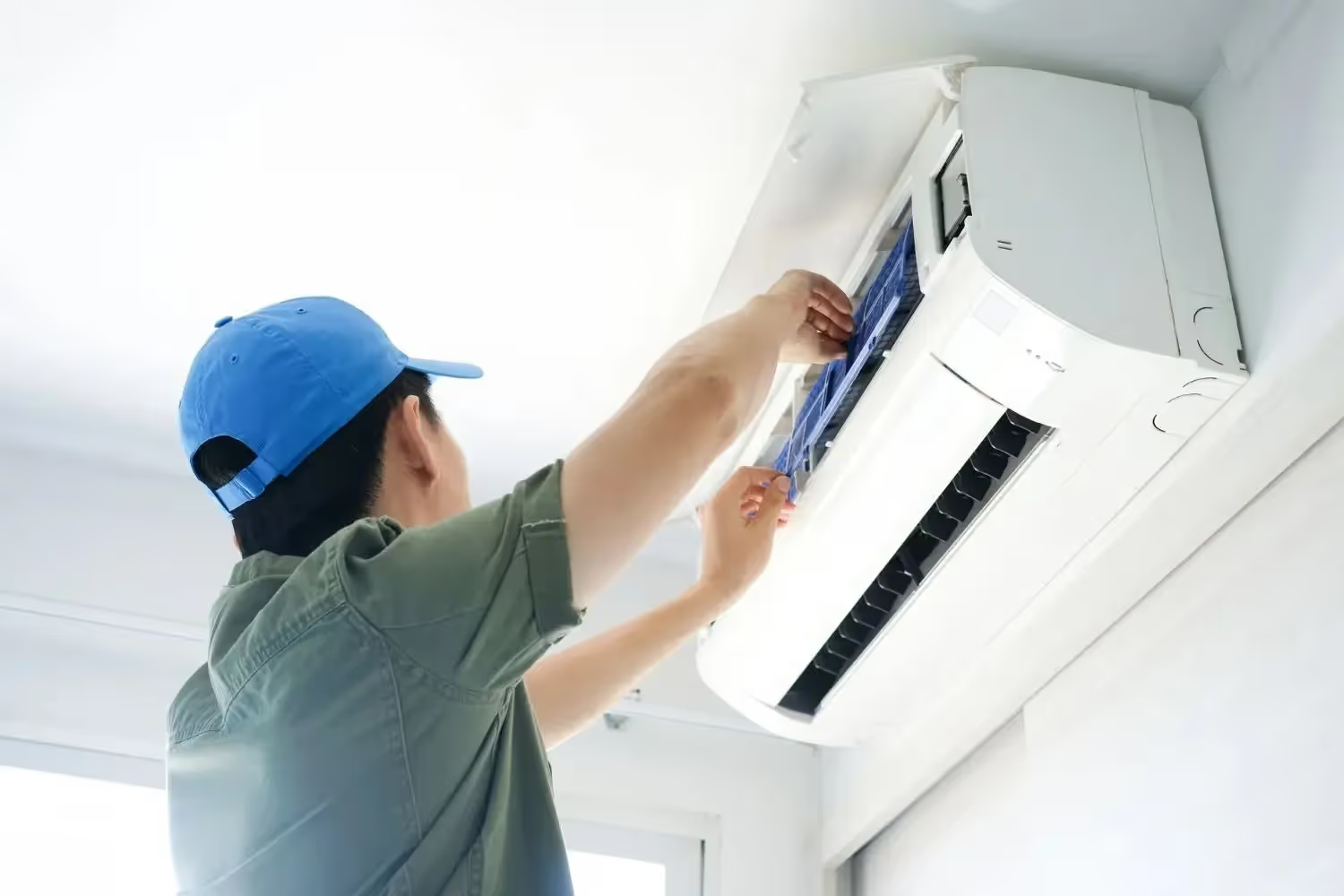
When you book a professional inspection for your ductless system, you receive a technical audit of the equipment’s health. The focus is on functionality, safety, and longevity. The service is designed to be efficient, typically completing within a few hours, minimizing disruption to your daily routine while providing maximum insight into the state of your HVAC investment.
The scope of a standard ductless inspection includes a rigorous check of both the indoor air handlers and the outdoor compressor unit. Technicians examine the physical integrity of the mounting hardware, ensuring the wall units are secure and the outdoor unit is level and clear of debris. The inspection also covers the refrigerant linesets, checking for insulation degradation or signs of leaks at the flare connections, which are common points of failure in mini-split systems.
Specific deliverables from the visit include:
- Electrical System Analysis: Verification of voltage and amperage on the compressor and fan motors to ensure they are operating within manufacturer specifications.
- Drainage verification: Testing the condensate drain line to prevent water backups that can damage drywall and flooring.
- Refrigerant Charge Check: Measuring operating pressures and temperatures (superheat and subcooling) to verify the system has the correct amount of refrigerant for efficient heat transfer.
- Airflow Assessment: Checking the condition of the blower wheel and air filters to ensure unrestricted airflow, which is vital for proper heating and cooling.
- Control Calibration: Testing the remote control or wall thermostat to ensure it communicates correctly with the head unit and that the unit responds accurately to mode changes.
How Our Ductless System Inspection Works
The inspection process follows a logical, step-by-step protocol to ensure no component is overlooked. This structured approach allows technicians to isolate variables and identify the root cause of any performance irregularities.
Initial Visual Assessment:
The technician begins by visually inspecting the indoor units for signs of water stains, casing damage, or unusual vibration. Outside, the condenser is checked for coil blockage, vegetation encroachment, and signs of oil residue on tubing, which often indicates a refrigerant leak.
Operational Testing:
The system is powered on and cycled through its various modes—cooling, heating, dehumidification, and fan-only. The technician listens for abnormal sounds such as grinding, hissing, or clicking, which can indicate failing bearings, refrigerant leaks, or electrical relay issues.
Internal Component Review:
Technicians access the internal components of the indoor unit. Filters are removed and inspected. The evaporator coil is examined for dust buildup or bio-growth. The blower wheel is checked for particulate accumulation, which can unbalance the fan and cause noise or motor failure.
Electrical and Safety Checks:
Using a multimeter, the technician tests the electrical connections at both the indoor and outdoor units. Loose connections are tightened to prevent arcing and fire hazards. The disconnect box outside is inspected to ensure it functions correctly as a safety shutoff.
Performance Data Collection:
Gauges and temperature probes are used to measure the temperature differential (Delta T) between the supply air and return air. This data point provides immediate evidence of whether the system is cooling or heating effectively.
Final Reporting:
Once the physical and operational checks are complete, the findings are compiled. You receive a clear explanation of the system's status. If issues are found, they are categorized by urgency—immediate safety hazards, performance-hindering problems, and proactive maintenance recommendations.
When Replacement Beats Repair
Deciding between repairing an aging ductless unit and investing in a new system is a financial and practical calculation. While inspections often lead to simple tune-ups or minor repairs, there are specific thresholds where replacement becomes the more logical choice for homeowners in Smiths Grove.
The Age of the Equipment:
Ductless systems generally have a lifespan of 15 to 20 years. If your unit is approaching or has surpassed the 15-year mark, major repairs such as compressor replacement or control board swaps are rarely cost-effective. The likelihood of a secondary failure shortly after the first repair is high.
The 50% Rule:
A standard industry guideline is the 50% rule. If the cost of the necessary repair approaches 50% of the cost of a brand-new system, replacement is the better investment. A new system comes with a fresh warranty, whereas a repair typically only warranties the specific part replaced.
Refrigerant Type:
Older systems may utilize R-22 refrigerant, which has been phased out due to environmental regulations. If your older unit has a refrigerant leak, the cost of R-22 is exorbitant, and supply is limited. Upgrading to a modern system utilizing R-410A or newer refrigerants resolves this availability issue and ensures compliance with current environmental standards.
Frequency of Breakdowns:
If you find yourself requiring service calls multiple times a year, the cumulative cost of these visits quickly outpaces the monthly financing cost of a new, high-efficiency unit. Chronic reliability issues are a clear signal that the system has reached the end of its serviceable life.
Local Compliance and Standards
Operating an HVAC system in Kentucky requires adherence to specific standards and an understanding of the local environment. When performing inspections, adherence to local building codes and safety regulations is paramount.
Electrical Safety Codes:
Ductless systems require dedicated electrical circuits. During an inspection, the wiring is checked against current electrical codes to ensure the wire gauge and breaker size are appropriate for the unit's amperage draw. This is critical for preventing electrical fires and ensuring insurance compliance.
Condensate Management:
With the region seeing roughly 50 inches of rain annually and high humidity, condensate management is a local priority. Local codes often dictate where and how condensate lines must terminate to prevent nuisance water accumulation or damage to the building foundation. Inspections verify that gravity drains are pitched correctly and that condensate pumps (if used) are functioning to pump water away effectively.
Refrigerant Handling:
Technicians must be EPA-certified to handle refrigerants. Carter Heating and Cooling ensures that all gauge connections and testing procedures result in zero venting of refrigerant into the atmosphere, adhering to strict federal regulations regarding ozone-depleting substances.
Seasonality and Preparedness:
The local climate, characterized by occasional severe weather and tornadoes in spring, dictates specific inspection points. Outdoor units must be securely anchored to withstand high winds. During the transition to winter, when temperatures dip below freezing, checking the defrost cycle operation is crucial. A heat pump that cannot defrost properly will turn into a block of ice, leaving the home without heat.
Proof & Differentiators
Choosing the right service provider for a ductless inspection means looking for specialized expertise. Ductless mini-splits differ significantly from traditional forced-air systems. They utilize inverter-driven compressors and sophisticated electronic expansion valves that require specific diagnostic tools and training to troubleshoot accurately.
A general handyman or a technician only familiar with standard split systems may miss the nuances of a mini-split. For example, understanding error codes that are communicated via flashing LED lights on the indoor unit requires access to manufacturer-specific technical literature. Specialized technicians carry the correct adapters for mini-split service ports, which differ from standard AC ports, ensuring that gauges can be connected without damaging the threads.
Furthermore, the tools used for cleaning a ductless system are unique. Because the indoor unit is on the wall, specialized "bib" kits are often used during deep cleaning (if identified as necessary during inspection) to catch water and debris, protecting the surrounding walls and furniture. A provider focused on ductless technology will have this equipment on the truck, ready to address hygiene issues immediately.
By prioritizing a specialized inspection, you ensure that the complex inverter boards are treated with care and that the delicate fins of the evaporator coil are not damaged by high-pressure washing. Accurate diagnostics prevent parts-changing guessing games, ensuring that if a repair is needed, it is the correct one.
Ensuring your home remains comfortable through the humid summers and freezing winters requires a proactive approach to HVAC health. A professional inspection offers the data needed to make informed decisions about maintenance, repairs, or replacement. Carter Heating and Cooling is ready to assist you in maximizing the efficiency and lifespan of your ductless equipment.
Secure your system’s performance and your peace of mind—schedule your detailed ductless inspection now.

Great Service at a Fair Price
Veterans Discount


Senior Discount

Law Enforcement

Fire fighters/ems

Hear From Your Neighbors!
Hear from your neighbors to see how our commitment to dependable service and lasting comfort has made a difference in their homes.