
How can we help today?
Choose an option to see quick actions and get help faster.Furnace Inspection in Smiths Grove, KY
Furnace Inspection in Smiths Grove, KY
Furnace Inspection in Smiths Grove, KY
Keep Warm This Winter: Expert Furnace Inspections
Don't wait for the cold to creep in. Ensure your furnace is up to the task with a preemptive inspection that guarantees peace of mind. For immediate scheduling or to discuss financing options, contact us today.
When temperatures drop in Smiths Grove, KY, a reliable heating system is not a luxury; it is a safety necessity. Many homeowners overlook the health of their furnace until the unit stops working entirely, often on the coldest night of the year. Carter Heating and Cooling provides thorough assessments to catch minor issues before they escalate into expensive emergency repairs.
- Comprehensive furnace health check by certified technicians.
- Fast scheduling and prompt service to keep your home warm.
- Detailed inspection report with actionable recommendations.
Licensed and insured, with easy financing solutions for every budget.
Comprehensive System Analysis and Safety Checks
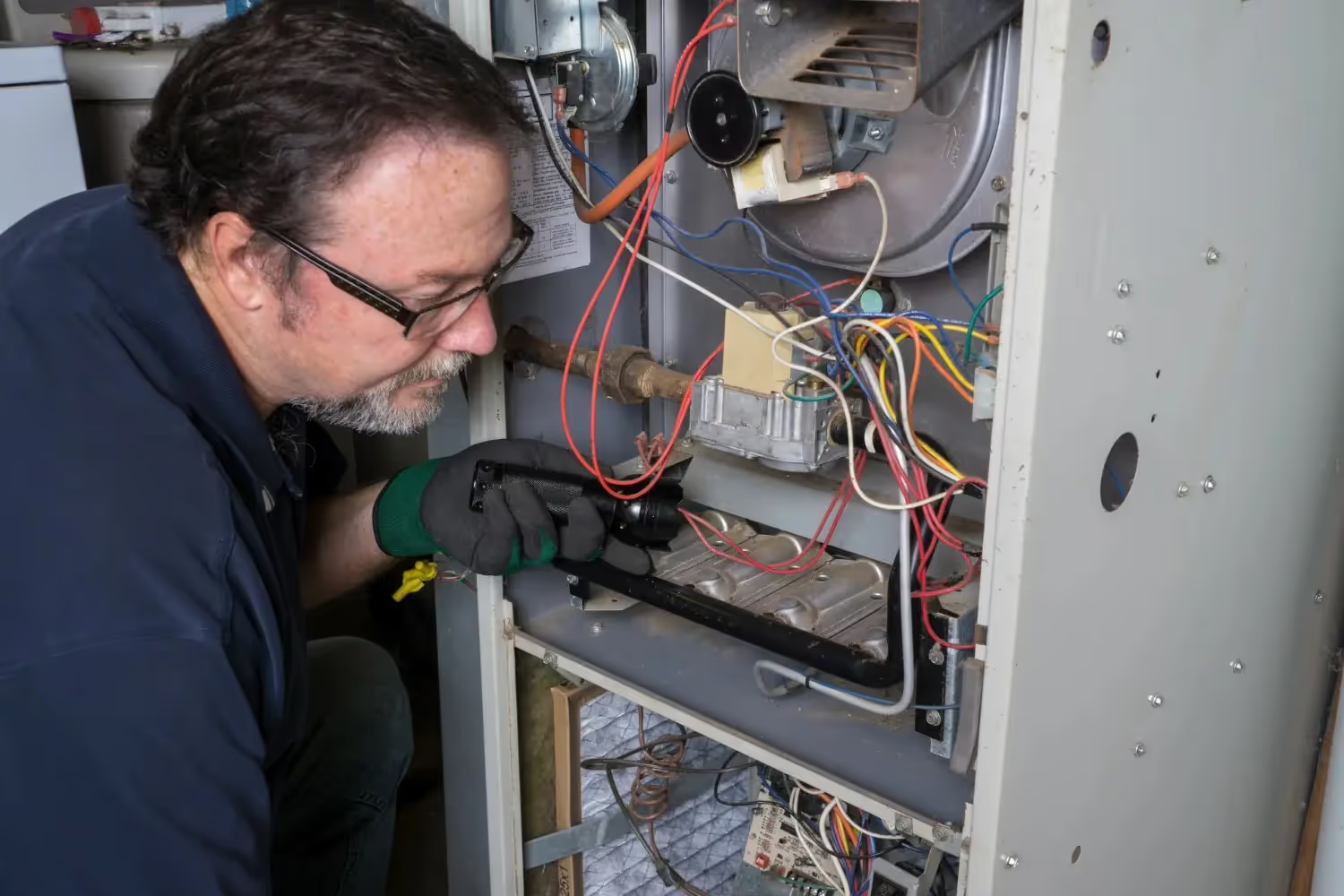
A professional furnace inspection goes far beyond a quick visual glance. It involves a rigorous, multi-point examination of the entire heating system to ensure every component operates within manufacturer specifications. The goal is to verify safety, optimize efficiency, and extend the lifespan of the equipment.
When a technician arrives at your home, the focus is on three critical areas: safety, performance, and longevity.
Safety Component Testing
The most critical aspect of any furnace inspection is ensuring the unit is safe to operate. Gas and oil furnaces involve combustion, which produces heat but also potentially dangerous byproducts like carbon monoxide.
- Heat Exchanger Analysis: The heat exchanger is inspected for cracks, corrosion, or separation. A compromised heat exchanger can allow carbon monoxide to leak into the living space, posing a severe health risk.
- Safety Limit Controls: Technicians test the high-limit switch to ensure the burner shuts off if the furnace overheats.
- Flame Sensor and Pilot Light: The flame sensor is cleaned and tested to verify it correctly detects ignition. If the sensor is dirty or faulty, the furnace may shut down repeatedly or fail to light.
- Gas Line and Valve Inspection: All gas connections are checked for leaks using electronic detectors or soap solutions to prevent fire hazards.
- Flue and Venting System: The exhaust flue is examined for blockages, rust, or back-drafting, ensuring that dangerous gases are properly vented outside the home.
Efficiency and Performance Tuning
Once safety is confirmed, the focus shifts to how well the furnace converts fuel into heat. An inefficient furnace works harder, consumes more energy, and results in higher utility bills.
- Blower Motor and Amp Draw: The blower motor is inspected for dust buildup and bearing wear. The technician measures the electrical amp draw to ensure the motor is not straining, which is a common precursor to motor failure.
- Thermostat Calibration: The thermostat is checked to ensure it accurately reads the room temperature and communicates effectively with the furnace control board.
- Airflow Measurement: Static pressure is measured to determine if air is moving freely through the ductwork. Restricted airflow strains the system and creates hot or cold spots in the home.
- Burner Assembly Cleaning: Dirty burners result in incomplete combustion. Cleaning the assembly ensures a clean, blue flame that generates maximum heat output.
Electrical System Verification
Modern furnaces rely heavily on electronics to control the heating cycle. Loose connections or worn components can cause intermittent failures.
- Capacitor Testing: Start and run capacitors are tested to ensure they hold the correct charge. Weak capacitors are a leading cause of blower motor and inducer motor failure.
- Wiring Inspection: All electrical connections are tightened, and wires are inspected for signs of fraying or heat damage.
- Control Board Diagnostics: The technician reviews the furnace's error history logs (if available) to identify any recurring intermittent faults that may not be active during the inspection.
The Inspection Process: Step-by-Step
Understanding the workflow of a furnace inspection helps homeowners prepare and know exactly what is happening during the service visit. The process is designed to be non-intrusive while providing a deep dive into the system's mechanics.
Initial Scheduling and Arrival:
- The process begins with booking a specific time slot.
- Technicians call ahead when they are on the way to the property.
- Upon arrival, the technician will ask about any specific concerns, such as strange noises, odd smells, or rooms that never seem to get warm.
System Shutdown and Access:
- The furnace is turned off at the thermostat and the service switch.
- Access panels are removed to expose the internal components.
- The technician sets up diagnostic tools, including manometers, multimeters, and combustion analyzers.
The Physical Inspection:
- The technician moves systematically through the unit, starting with the filter and blower compartment.
- The filter is checked and replaced if a spare is available and required.
- The blower wheel is inspected for debris buildup, which can significantly reduce efficiency.
- The burner compartment is vacuumed to remove dust and soot.
Operational Testing:
- The system is powered back on.
- The technician observes the ignition sequence: the inducer motor starts, the igniter glows (or pilot lights), the gas valve opens, and the burners ignite.
- The system is allowed to run for several minutes to reach steady-state operation.
- Temperature rise is measured—the difference between the air temperature entering the return vent and the air exiting the supply vents. This number must match the manufacturer's rating plate.
Reporting and Consultation:
- After testing is complete, the technician compiles a detailed status report.
- Findings are reviewed with the homeowner immediately.
- If components are showing signs of wear but haven't failed yet, options are presented for proactive replacement.
- If critical safety issues are found, the technician explains why the unit must be shut down or repaired immediately.
Interpreting Inspection Results: Repair vs. Replacement
An inspection report often serves as a decision-making tool. When a technician uncovers issues, the homeowner faces a choice: repair the existing component or consider replacing the unit. This decision typically hinges on the age of the furnace, the cost of the repair, and the frequency of past breakdowns.
When Repair is the Right Choice
If the furnace is relatively young—typically under 10-12 years old—and the inspection reveals minor or moderate issues, repair is usually the most cost-effective path.
- Minor Component Failure: If a specific part like a flame sensor, igniter, or capacitor is out of range, replacing that single part restores the unit to full functionality.
- Maintenance-Related Issues: Problems caused by lack of maintenance, such as dirty burners or a clogged blower wheel, are resolved through deep cleaning. These services restore efficiency without requiring new equipment.
- Warranty Coverage: If the unit is still under warranty, part replacements are often covered, leaving only labor costs. This makes repair the logical financial decision.
When Replacement Should Be Considered
Sometimes an inspection reveals that a furnace is nearing the end of its useful life. Continuing to pour money into a failing system can be throwing good money after bad.
- Compromised Heat Exchanger: If the inspection finds a cracked heat exchanger, the unit is unsafe. Replacing the heat exchanger is extremely labor-intensive and expensive. On an older unit, this almost always signals the need for a total system replacement.
- Age and Efficiency: A furnace that is 15 to 20 years old operates at a much lower efficiency than modern units. If the inspection shows that the unit is safe but operating at 60% or 70% efficiency, the fuel savings from a new 95%+ AFUE unit can offset the cost of replacement over time.
- The "50% Rule": A common industry guideline suggests that if the cost of the repair approaches 50% of the value of a new system, replacement is the smarter investment.
- Freon Phase-Outs (for Heat Pumps): If the inspection is for a dual-fuel system or heat pump and it utilizes older refrigerants that are no longer manufactured, a major leak usually necessitates replacement.
Regional Considerations for Smiths Grove Homeowners
Operating a furnace in Smiths Grove requires specific attention to the local climate and infrastructure. The region experiences a distinct four-season weather pattern, with winter temperatures averaging around 24°F and occasional dips much lower. This places a heavy load on heating systems during peak winter months.
Climate Impact on Heating Systems
The humid subtropical climate means that systems sit idle during the shoulder seasons but must ramp up quickly when cold fronts arrive.
- Humidity Management: While high humidity is a summer concern, winter air can become extremely dry when heated. Inspections often check if whole-home humidifiers are functioning correctly to prevent dry skin and wood cracking in the home.
- Condensation Issues: High-efficiency furnaces produce condensation. In freezing temperatures, the condensate drain lines can freeze if not properly insulated or routed. Inspections in this region prioritize checking the drainage system to prevent water backup that shuts down the furnace.
Utility and Code Compliance
Local building codes and utility requirements in Warren County and surrounding areas dictate how furnaces must be installed and maintained.
- Venting Regulations: Codes regarding PVC venting for high-efficiency furnaces are strict. An inspection verifies that the intake and exhaust pipes meet current standards for distance from windows and snow lines.
- Electrical Grounding: Proper grounding is essential for the safety of modern furnace control boards. Older homes in the area may need verification that the electrical circuit serving the furnace is dedicated and properly grounded.
- Fuel Source Variance: Homes in the area may rely on natural gas, propane, or electricity. Technicians must be versed in the specific requirements of each fuel type. Propane, for instance, burns differently than natural gas and requires specific pressure settings on the gas valve.
Why Professional Inspection Matters
The difference between a quick "tune-up" and a professional inspection lies in the depth of the analysis and the expertise of the technician. Carter Heating and Cooling employs a rigorous protocol that ensures no component is overlooked.
Diagnostic Accuracy
Modern HVAC equipment is complex. Without the proper diagnostic tools, it is impossible to accurately assess the health of a heat exchanger or the precise airflow within the ducts. Certified technicians utilize combustion analyzers and digital manometers to get data-driven results rather than relying on guesswork.
Warranty Preservation
Most furnace manufacturers require proof of annual maintenance to keep warranties valid. If a major component fails and the homeowner cannot provide records of regular inspections, the manufacturer may deny the claim. A professional inspection provides the documentation needed to protect the warranty coverage.
Long-Term Savings
A clean, tuned furnace uses less energy. By ensuring the air-to-fuel ratio is correct and the blower is free of debris, the system runs more efficiently. Over the course of a winter in Smiths Grove, these efficiency gains translate into lower monthly utility bills. Furthermore, catching a failing capacitor before it destroys a blower motor saves hundreds of dollars in repair costs.
Call Us Now
Routine inspection is not just about checking a box; it is about ensuring the safety and comfort of the home throughout the winter season. With a detailed report in hand, homeowners can make informed decisions about their heating infrastructure, ensuring reliability when it matters most.
Protect your home investment and ensure reliable warmth this season. For professional assessment and peace of mind, schedule your inspection now.

Great Service at a Fair Price
Veterans Discount


Senior Discount

Law Enforcement

Fire fighters/ems

Hear From Your Neighbors!
Hear from your neighbors to see how our commitment to dependable service and lasting comfort has made a difference in their homes.