

How can we help today?
Choose an option to see quick actions and get help faster.Dehumidifier Repair in Smiths Grove, KY
Dehumidifier Repair in Smiths Grove, KY
Is your dehumidifier failing? Get fast, reliable dehumidifier repair services in Smiths Grove. Expert technicians ready to restore your home's comfort today.
Is Your Dehumidifier Failing to Control Indoor Humidity?
Tired of excessive humidity damaging your home's comfort and air quality? You're not alone—Smiths Grove's humid climate can exacerbate these issues, making a functioning dehumidifier a necessity rather than a luxury. Contact Carter Heating and Cooling today or call to schedule an immediate diagnostic appointment.
- Fast and reliable repairs performed within hours to prevent further inconvenience and moisture damage.
- Certified technicians trained to troubleshoot and resolve issues with all top dehumidifier brands and whole-home systems.
- Long-lasting repairs backed by guaranteed parts and labor to ensure your system runs efficiently for years.
Backed by robust warranties and knowledgeable about local permitting issues, Carter Heating and Cooling ensures your home remains dry and comfortable.
When indoor humidity levels rise unchecked, the structural integrity of your property and the health of your indoor environment are at risk. In a region like Smiths Grove, where annual precipitation averages around 50 inches and springs are notoriously wet, a breakdown in your moisture control system requires immediate attention. Delaying service can lead to mold proliferation, warped wood flooring, and a heavy, uncomfortable atmosphere inside the home. Our service aims to restore your system to peak efficiency, ensuring it can handle the heavy latent load typical of Kentucky summers.
Immediate Relief for Moisture Control Systems
When you request a service visit, the objective is to restore the balance of your indoor air immediately. A dehumidifier is a complex refrigeration system that removes moisture by passing air over cold coils. When this process is interrupted, humidity spikes quickly. The service call begins with a comprehensive evaluation of the unit’s performance against the current relative humidity levels in your home.
Technicians arrive equipped to handle a variety of failure points, from refrigerant leaks to electrical component burnouts. The focus is on accurate identification of the root cause. Symptoms often overlap; for instance, a unit that runs but does not collect water could have a frozen coil, a low refrigerant charge, or a failed compressor. By isolating the specific mechanical or electrical fault, the repair restores the unit's ability to pull pints of water from the air daily, protecting your basement, crawlspace, or living areas from moisture saturation.
Repairs covered typically include:
- Compressor Diagnostics and Replacement: The heart of the system; if the compressor isn't pressurizing refrigerant, moisture extraction stops.
- Fan Motor Repair: Essential for drawing humid air over the coils; a seized motor renders the unit useless.
- Humidistat Calibration: If the sensor cannot read humidity levels accurately, the unit will not cycle on or off correctly.
- Condensate Pump Service: Ensuring the collected water is properly pumped away from the unit to a drain line.
- Refrigerant Leak Detection and Recharging: locating pinhole leaks in the coils and restoring proper pressure levels.
- Capacitor and Relay Replacement: Electrical components that manage the start-up and running voltage of motors.
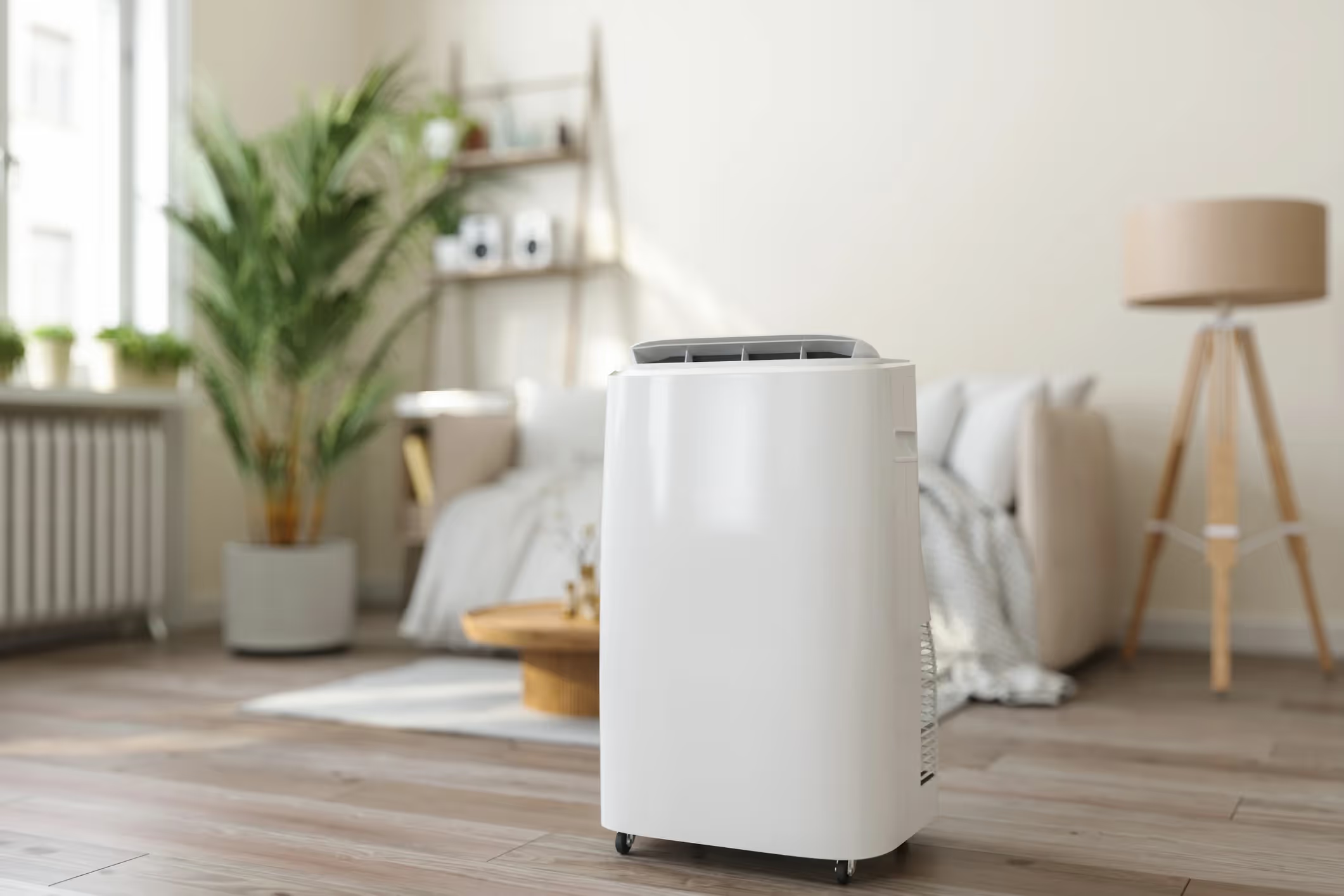
How The Dehumidifier Repair Process Works
Professional repair differs significantly from basic troubleshooting. It involves a systematic approach to HVAC and refrigeration principles. The process is designed to be transparent, ensuring you understand exactly what is wrong and how it will be fixed.
- System Assessment: The technician begins by inspecting the filter, airflow, and ambient temperature. They use hygrometers to measure the actual humidity versus the unit's reading. Electrical multimeters are used to check voltage and amperage draws on the compressor and fan motor to ensure they are within manufacturer specifications.
- Component Isolation: Once the general operation is checked, the technician isolates the faulty component. For example, if the coils are icing up, they will check airflow obstructions first, then test refrigerant levels. If the unit is overflowing, they inspect the float switch and drain line.
- Precision Repair: After identifying the issue, the faulty part is removed. High-quality replacement parts are installed to match or exceed original equipment manufacturer (OEM) specifications. This might involve soldering new connections for a compressor or rewiring a control board.
- Operational Testing: The repair is not complete until the unit is tested under load. The technician ensures the compressor engages, the fan moves air efficiently, and, most importantly, water begins to condense on the coils and drain properly.
- Site Cleanup: The workspace is left clean, and any old parts are removed for proper disposal.
Common Dehumidifier Malfunctions We Resolve
Understanding the mechanics behind common failures helps in realizing why professional intervention is necessary. Dehumidifiers operate similarly to air conditioners but with a different airflow strategy. Because they often run for longer cycles than AC units, specific components are prone to wear.
- Frozen Evaporator Coils: This is one of the most frequent issues. It occurs when airflow is restricted or refrigerant is low. Ice buildup prevents air from touching the coils, stopping the dehumidification process entirely. If left unchecked, the expanding ice can crush the coils or damage the compressor.
- Short Cycling: If the unit turns on and off rapidly without removing moisture, it usually indicates an issue with the humidistat or an overheating compressor. This puts immense strain on the electrical components and increases energy bills without providing comfort.
- Water Leaks: For whole-home units or portable units with pumps, water leaks can cause significant property damage. This is often due to a blocked drain line, a cracked collection bucket, or a failed condensate pump.
- Electrical Failures: capacitors and start relays often fail due to voltage fluctuations or age. When these fail, the compressor may hum but fail to start, eventually tripping the breaker.
- Sensor Errors: Modern units rely on electronic sensors to detect humidity and temperature. When these drift out of calibration, the unit may run continuously even when the air is dry, or refuse to run when it is damp.
Deciding Between Repair and Replacement
Determining whether to repair an existing dehumidifier or invest in a new system is a financial and practical decision. While repairs are often the most cost-effective route, certain scenarios suggest replacement is the wiser investment.
- Age of the Unit: Most dehumidifiers have a service life of 7 to 10 years. If your unit is approaching or exceeding this age, major component failures like a blown compressor may signal the end of its useful life.
- The 50% Rule: If the cost of the repair approaches 50% of the cost of a new, comparable unit, replacement is generally recommended. However, for high-end whole-home systems, repair is almost always more economical than a full system replacement.
- Refrigerant Leaks: Finding and fixing a leak in an older unit, followed by a recharge, can be expensive. If the coils are corroded, a leak fix may only be temporary. In these cases, upgrading to a newer model with intact coils is often preferred.
- Energy Efficiency: Older units are significantly less efficient than modern Energy Star-rated models. If your current unit causes a noticeable spike in your electric bill, a newer model might pay for itself over time through energy savings.
- Frequency of Breakdowns: If the unit requires multiple service calls in a single year, the cumulative cost of repairs suggests the internal components are failing systemically.
Navigating Local Climate Factors and Regulations
Operating a dehumidifier in Smiths Grove requires understanding the specific demands of the local environment. The humid subtropical climate means that humidity isn't just a summer issue; the wet spring months of March and April create a massive moisture load that can infiltrate basements and crawlspaces.
- Sizing for High Humidity: Local homes often require units with higher pint-per-day capacities to keep up with the 50-inch annual rainfall average. An undersized unit will run continuously, leading to premature burnout.
- Electrical Requirements: Whole-home dehumidifiers are powerful appliances. Local codes may require dedicated circuits to prevent overloading your home’s electrical panel. Professional installation and repair ensure compliance with these safety standards.
- Drainage Management: In areas with high water tables, relying on a bucket is impractical. Properly plumbed drainage solutions that comply with local plumbing codes are essential to prevent flooding in your mechanical room or basement.
- Crawlspace Considerations: Many homes in the region have crawlspaces that are susceptible to moisture intrusion. Repairing a dehumidifier in these spaces often involves checking the vapor barrier and ensuring the unit is elevated and draining correctly to prevent recycling damp air.
Why Professional Diagnostics Matter
Attempting DIY repairs on dehumidifiers can be dangerous and ineffective. These units combine high-voltage electricity with water collection, creating a safety hazard for untrained individuals. Furthermore, handling refrigerant requires EPA certification to ensure it is not vented into the atmosphere, which is illegal and harmful to the environment.
- Accurate Troubleshooting: Carter Heating and Cooling technicians use advanced diagnostic tools to see what is happening inside the sealed system. This eliminates guesswork and ensures the correct part is replaced the first time.
- Safety Protocols: Handling capacitors that hold an electrical charge and working around water requires specific safety protocols. Professionals are trained to mitigate these risks.
- Preserving Warranties: Many manufacturer warranties are voided if the unit is serviced by an uncertified individual. Professional repair maintains the validity of your parts and labor warranties.
- Comprehensive Solutions: A professional doesn't just fix the machine; they look at the application. If the unit is located in a spot with poor airflow or is improperly sized for the square footage, a technician will provide advice on how to optimize the setup for better performance.
Maintaining Your System Post-Repair
Once your dehumidifier is repaired, maintaining it is key to avoiding future issues. Simple maintenance tasks can extend the life of the repair and the unit itself.
- Filter Maintenance: The most critical task is keeping the air filter clean. A clogged filter restricts airflow, causing the coils to freeze and the compressor to overheat. Check the filter monthly during high-use seasons.
- Coil Cleaning: Over time, dust and debris build-up on the evaporator and condenser coils. This acts as insulation, reducing the unit's ability to exchange heat. Professional maintenance includes cleaning these coils to maintain efficiency.
- Drain Line Flushing: Algae and mold can grow in the wet environment of the drain line. Periodically flushing the line with vinegar or a specialized cleaning solution prevents clogs and water backups.
- Grille Inspection: Ensure the air intake and exhaust grilles are free from obstruction. Furniture or boxes placed too close to the unit can suffocate it, leading to mechanical failure.
Dehumidifiers are essential safeguards for your property in Kentucky’s humid climate. They protect the structural wood, drywall, and furniture from warping and rot while inhibiting mold growth that affects air quality. When these systems fail, the window to repair them before moisture damage occurs is short. Relying on professional service ensures that the humidity is brought back under control quickly, efficiently, and safely.
Restore Comfort & Protect Your Home Today with Carter Heating and Cooling
Don’t let uncontrolled humidity compromise your home’s comfort, air quality, or structural integrity. When your dehumidifier shows signs of failure, Carter Heating and Cooling is ready to respond with fast diagnostics, expert repair solutions, and long-lasting results you can trust. Our certified technicians restore your system’s performance quickly—before moisture can cause expensive damage. Whether you're facing rising humidity, water leaks, or declining efficiency, we deliver proven solutions tailored to Kentucky’s demanding climate. Regain a dry, healthy, and comfortable home—contact Carter Heating and Cooling today to schedule your dehumidifier service.

Great Service at a Fair Price
Veterans Discount


Senior Discount

Law Enforcement

Fire fighters/ems

Hear From Your Neighbors!
Hear from your neighbors to see how our commitment to dependable service and lasting comfort has made a difference in their homes.