
How can we help today?
Choose an option to see quick actions and get help faster.Heating Inspection in Smiths Grove, KY
Heating Inspection in Smiths Grove, KY
Heating Inspection in Smiths Grove, KY
Stay Warm This Winter: Expert Heating Inspections in Your Area
As Smiths Grove, KY edges into the colder months, ensuring your heating system is functioning optimally becomes crucial to avoid freezing nights and high utility bills. Get reliable heating inspections from Carter Heating and Cooling to avoid unexpected breakdowns by scheduling your comprehensive safety check today.
- Quick and thorough inspection processes that keep your systems reliable throughout the season.
- Expert recommendations for maintenance or upgrades to improve energy efficiency and lower overhead.
- Peace of mind with guaranteed satisfaction from local HVAC experts who understand regional climate demands.
All services backed by appropriate local licensing, comprehensive warranties, and flexible financing options.
What You Get Today
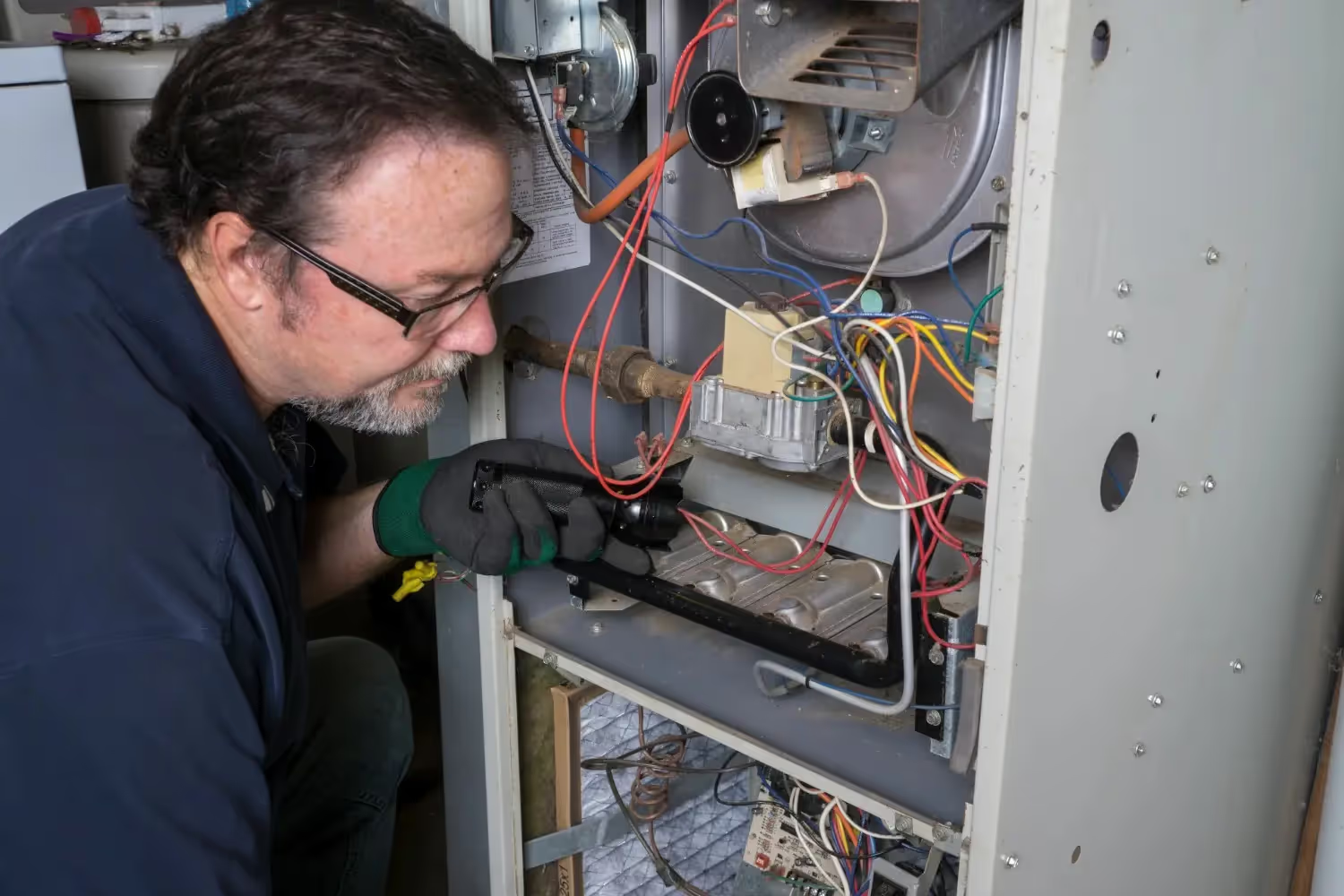
A professional heating inspection is a rigorous, multi-point assessment designed to uncover hidden issues before they evolve into costly failures. When a technician arrives at your property, the goal is not merely to glance at the unit but to perform a deep technical dive into the mechanical and electrical integrity of the system. This service focuses on safety, efficiency, and longevity.
The scope of the inspection covers the entire heating envelope. For gas furnaces, this means a detailed analysis of the combustion process. Technicians verify that the fuel-to-air ratio is correct, ensuring that you are getting the maximum heat output for every dollar spent on fuel. They inspect the burner assembly for rust or corrosion, which can disrupt the flame pattern and lead to inefficient heating. The heat exchanger, a critical component for separating combustion gases from breathing air, is examined for cracks or fissures. Identifying these issues early is vital for preventing carbon monoxide leaks.
For heat pumps and electric systems, the focus shifts to the refrigeration cycle and electrical components. The inspection includes checking refrigerant levels to ensure the system can effectively transfer heat from the outside air into your home. Electrical connections are tightened and tested for voltage drops or amperage spikes, which are common precursors to compressor failure. The auxiliary heat strips are also tested to ensure they engage properly during the coldest nights in Smiths Grove.
Included in this service is a comprehensive calibration of the thermostat and control systems. Even a high-efficiency furnace cannot perform well if the thermostat is reading the temperature incorrectly. Technicians verify the cycle rates to prevent "short cycling," a condition where the unit turns on and off too frequently, causing excessive wear and tear. Airflow is also a major priority; the static pressure within the ductwork is measured to guarantee that the blower motor is moving air efficiently throughout the home without being overworked.
How the Inspection Process Works
Understanding the sequence of a professional heating inspection helps homeowners prepare for the visit and understand the value provided. The process follows a logical, systematic approach to ensure no component is overlooked.
Initial System Run-Up and Baseline Assessment
The process begins with the technician turning on the system to observe its startup sequence. They listen for unusual noises such as banging, screeching, or rattling, which often indicate loose parts or failing bearings. During this phase, they measure the temperature rise—the difference in temperature between the air entering the return vent and the air exiting the supply vents. This baseline data indicates whether the system is producing heat within the manufacturer’s specified range.
Internal Component Evaluation
Once the system is powered down and safe to access, the technician opens the service panels. This step involves cleaning and inspecting the internal mechanics. For gas units, the flame sensor is cleaned to ensure the furnace ignites reliably. The igniter is tested for proper resistance. Blower wheels are inspected for dust buildup, which can drastically reduce airflow and strain the motor. Capacitors are tested to ensure they are holding the correct electrical charge necessary to start motors and compressors.
Safety and Exhaust Verification
Safety is the paramount concern during an inspection. The technician checks the flue pipe and venting system for obstructions, rust, or backdrafting. Backdrafting occurs when exhaust gases fail to escape up the chimney and instead spill back into the home. All safety switches, including the high-limit switch and the rollout switch, are tested to ensure they will automatically shut the system down in the event of overheating or flame rollout.
Final Report and Consultation
After the physical assessment is complete, the technician compiles a detailed report of findings. This is not just a receipt but a health report for the heating system. It outlines the current condition of vital components, notes any immediate safety concerns, and lists recommendations for repairs or proactive maintenance. This is the stage where you receive clear guidance on whether a simple tune-up is sufficient or if specific parts are nearing the end of their lifecycle.
When Replacement Beats Repair
An inspection often forces a decision: should you continue to repair an aging unit, or is it time to invest in a modern replacement? While technicians aim to keep existing systems running as long as possible, there are specific mathematical and safety thresholds where repair becomes the less economical choice.
The 50% Rule
A common guideline used in the industry is the 50% rule. If the cost of a required repair approaches 50% of the value of the system (or the cost of a new unit), replacement is generally the smarter financial move. Dumping significant money into an old asset often yields diminishing returns, as other parts are likely to fail shortly after the initial repair is completed.
Age vs. Efficiency
Heating systems have a finite lifespan. Gas furnaces typically last 15-20 years, while heat pumps may last 10-15 years due to their year-round usage. If your unit is approaching or has surpassed this age range, its efficiency is likely significantly lower than modern standards. An inspection might reveal that your old furnace is operating at 60% AFUE (Annual Fuel Utilization Efficiency), meaning 40 cents of every dollar is wasted. upgrading to a 95% AFUE unit can result in immediate monthly savings that offset the installation cost over time.
Safety Compromises
Some inspection findings necessitate immediate replacement due to non-negotiable safety risks. A cracked heat exchanger is the most common example. Because this component prevents carbon monoxide from entering the air supply, a crack cannot be safely welded or patched in most residential applications. When an inspection reveals a breach in the heat exchanger, replacement is the only responsible option to ensure the safety of the household.
Frequency of Breakdowns
If you find yourself calling for service multiple times in a single season, the system has likely become unreliable. "Nickel and diming" refers to the accumulation of smaller repair bills—igniters, blower motors, control boards—that eventually total the cost of a down payment on a new system. An inspection provides a holistic view of the system’s wear; if multiple components are on the verge of failure simultaneously, replacement provides a fresh warranty and reliability.
Local Notes: Weather, Utilities, and Regulations
Smiths Grove experiences a climate that demands a versatile heating strategy. With winter lows frequently dropping into the 20s and 30s°F, and occasional snowfall averaging 10-15 inches annually, the heating system is life-support equipment during the peak of the season. The wet springs further complicate matters, as humidity control becomes essential even when temperatures are moderate.
Impact of Freeze-Thaw Cycles
The local climate involves frequent fluctuations above and below freezing. This expansion and contraction can put significant stress on external heat pump units and exhaust flues. Inspections in this region specifically look for physical damage caused by ice accumulation on fan blades or shifting foundations affecting refrigerant line sets.
Utility Infrastructure and Fuel Types
Smiths Grove includes a mix of town-center properties with access to natural gas and rural properties that may rely on propane or electric heat pumps. The inspection protocols differ based on these fuel sources. Carter Heating and Cooling technicians are familiar with the specific pressure requirements for local propane delivery systems versus municipal natural gas lines. Verifying that the gas valve is set to the correct water column pressure for the specific fuel type available at the property is a critical step in the inspection.
Permitting and Code Compliance
Heating systems must adhere to Kentucky building codes and local regulations regarding ventilation and electrical safety. During an inspection, the technician evaluates whether the current installation meets modern code requirements. This is particularly important for older homes where renovations may have altered the utility room's airflow or where the venting materials used decades ago are no longer considered safe. Adhering to local codes is not just about bureaucracy; it is about ensuring that insurance policies remain valid and that the home remains safe for occupancy.
Proof & Differentiators
Choosing the right provider for a heating inspection determines the accuracy of the assessment and the longevity of the solution. The difference lies in the depth of the diagnostic process and the qualifications of the personnel performing the work.
Certified Diagnostic Expertise
True expertise goes beyond basic mechanical skills. It involves understanding the thermodynamics of heat transfer and the complex electronics of modern HVAC systems. Technicians undergo rigorous training to identify subtle signs of wear that untrained eyes miss. This includes using advanced diagnostic tools like combustion analyzers and digital manometers to get precise readings rather than relying on guesswork.
Transparent Reporting
The output of the service is clear, actionable information. You receive a report that explains the "why" behind every recommendation. There is no ambiguous language or pressure to buy unnecessary parts. The focus is on educating the homeowner on the exact status of their equipment, empowering them to make decisions based on data rather than fear.
Full-Service Capability
Because the team is equipped to handle installation, maintenance, and repair, the inspection is part of a comprehensive care cycle. If a defect is found, the truck is stocked with common parts to resolve the issue immediately, restoring heat without the need for a follow-up appointment in many cases. If a replacement is needed, the transition from inspection to installation is seamless, handled by the same trusted entity.
Call Us Today
Ensuring your heating system is ready for the Kentucky winter is a matter of safety and financial prudence. Do not wait for the first snowstorm to test your furnace’s reliability. Secure your comfort and protect your home investment today.
Contact Carter Heating and Cooling now to schedule your comprehensive heating inspection.

Great Service at a Fair Price
Veterans Discount


Senior Discount

Law Enforcement

Fire fighters/ems

Hear From Your Neighbors!
Hear from your neighbors to see how our commitment to dependable service and lasting comfort has made a difference in their homes.