
How can we help today?
Choose an option to see quick actions and get help faster.Furnace Service in Smiths Grove, KY
Furnace Service in Smiths Grove, KY
Furnace Service in Smiths Grove, KY
Is Your Furnace Prepared to Handle the Cold Winter Nights?
Facing unexpected furnace breakdowns during the coldest nights leads to discomfort and potential safety risks for your family. You are not alone in this situation, and immediate, professional help is available to restore your home's warmth. Contact us now to schedule an emergency diagnostic or to discuss financing options for your heating system.
When the temperature drops in Smiths Grove, a reliable heating system is not a luxury; it is a necessity. Our technicians provide comprehensive service designed to get your unit back up and running efficiently. We focus on diagnosing the root cause of the failure rather than applying temporary patches, ensuring long-term reliability for the rest of the season.
- Rapid response team available to address heating emergencies.
- Expert installation, maintenance, and repair to enhance comfort and system efficiency.
- Upfront pricing with clear explanations and no hidden fees.
All services are fully licensed, insured, and compliant with local regulations to guarantee your safety and peace of mind. Call Carter Heating and Cooling now.
Comprehensive Furnace Services Available Today
When you request service for your heating system, you expect a thorough examination that covers every mechanical and electrical component. A furnace is a complex machine composed of safety switches, fuel lines, ignition systems, and air handling components. A failure in one area often indicates stress in another. Our service approach covers the entire ecosystem of your HVAC unit to ensure it operates safely and effectively.
Detailed System Diagnostics
Effective repair begins with accurate diagnostics. Technicians utilize advanced testing equipment to measure airflow, electrical voltage, and gas pressure. This data reveals issues that are not visible to the naked eye. For homeowners in Smiths Grove, this means identifying why a system is short-cycling, why the pilot light refuses to stay lit, or why the blower motor is making unusual noises.
Component Repair and Replacement
Once the issue is identified, the focus shifts to restoring functionality. This often involves replacing worn-out parts such as igniters, flame sensors, limit switches, or control boards. We carry a wide inventory of parts to minimize downtime. If a specific component like the heat exchanger is compromised, we evaluate the severity of the crack or corrosion to determine if a safe repair is possible.
Safety Inspections and Carbon Monoxide Testing
Safety is the priority during any furnace service. Gas furnaces produce carbon monoxide (CO) as a byproduct of combustion. If the heat exchanger is cracked or the venting system is blocked, this odorless gas can leak into your living space. Every service call includes a rigorous inspection of the venting system and a combustion analysis to ensure that all exhaust gases are safely directed outdoors.
Airflow and Ductwork Assessment
A furnace can only heat your home if the warm air can circulate effectively. Restricted airflow causes the system to overheat and shut down prematurely. Technicians inspect the blower motor, the air filter, and the accessible ductwork to ensure there are no blockages or leaks. Improving airflow not only fixes heating issues but also reduces the strain on the internal components, extending the life of the unit.
How the Repair and Installation Process Works
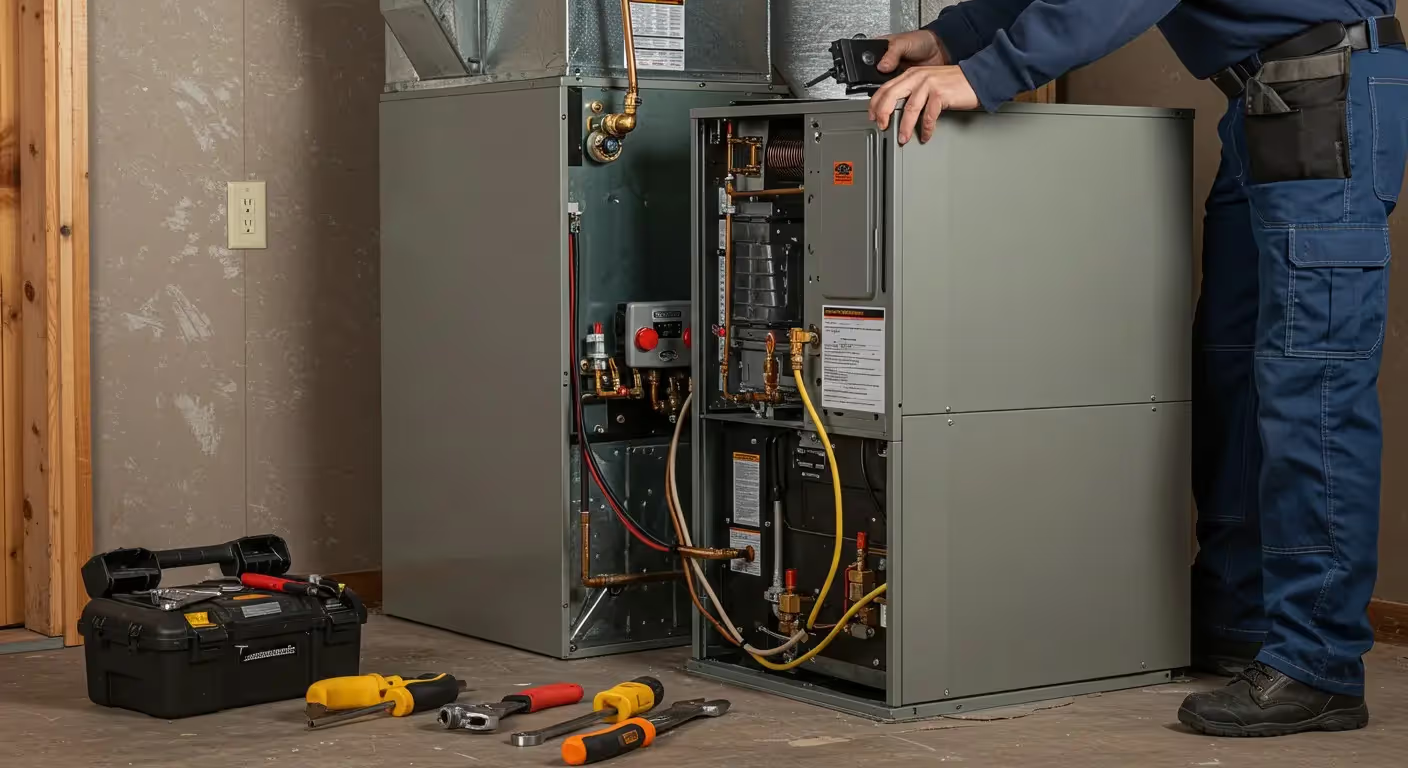
Understanding the steps involved in professional heating service eliminates the stress of the unknown. We follow a structured process to ensure that every job meets strict quality standards and that you are fully informed throughout the duration of the project.
Initial Assessment and Safety Check
The process begins with a technician arriving at your property to perform a safety check. This involves shutting off power and fuel to the unit to inspect it safely. The technician listens to the homeowner's description of the problem and then begins a systematic troubleshooting procedure to isolate the faulty component.
Clear Explanation and Quote
After diagnosing the issue, the technician provides a detailed explanation of what went wrong and why. You receive a clear, written quote outlining the necessary repairs. This quote includes parts, labor, and any necessary adjustments. There is no guesswork; you approve the work before any tools are used to fix the problem.
Execution of Repairs or Installation
Upon approval, the technician proceeds with the repair. This may involve removing the blower assembly to clean it, replacing a faulty thermostat, or installing a new gas valve. If a full replacement is required, the old unit is disconnected and removed, and the new system is positioned, leveled, and connected to the existing ductwork and fuel lines.
System Testing and Calibration
The job is not complete when the parts are installed. The system must be tested under load. The technician cycles the furnace on and off to ensure the thermostat is communicating correctly. They verify that the burner ignites smoothly, the flame is blue and steady, and the blower fan engages at the right temperature.
Final Walkthrough and Cleanup
Finally, the technician walks you through the work performed. They demonstrate that the system is heating correctly and answer any questions regarding operation or maintenance. The work area is cleaned, and any debris or old parts are removed from your property.
Deciding Between Repair and Replacement
One of the most difficult decisions a homeowner faces is whether to invest in repairs for an aging unit or to replace it entirely. Making the right financial and comfort decision requires analyzing specific criteria regarding the age, condition, and performance of your current system. Carter Heating and Cooling helps you navigate this decision with data-driven advice.
The 50% Rule
A common industry standard is the 50% rule. If the cost of the repair approaches 50% of the value of a new system, replacement is generally the wiser investment. Putting significant money into an old system often leads to diminishing returns, as other parts are likely to fail soon after the initial repair.
Age of the Equipment
Furnaces typically have a lifespan of 15 to 20 years. If your unit is over 15 years old and requires a major repair—such as a blower motor or heat exchanger replacement—it is often more cost-effective to replace it. Newer models offer significantly higher efficiency ratings, which can offset the cost of installation through lower monthly utility bills.
Frequency of Breakdowns
If you find yourself calling for service multiple times in a single winter, the system is signaling that it has reached the end of its reliable service life. Constant repairs add up quickly and result in unreliable heating. A new system provides warranty protection and the peace of mind that comes with reliability.
Efficiency and Comfort Levels
Older furnaces often operate at 60% to 70% Annual Fuel Utilization Efficiency (AFUE), meaning 30% to 40% of the fuel you pay for is wasted. Modern systems can achieve up to 98% AFUE. Additionally, if your current furnace struggles to keep up with the temperature set on the thermostat or leaves cold spots in certain rooms, it may be undersized or losing compression, signaling the need for an upgrade.
Local Considerations for Heating in Kentucky
Operating a furnace in the Smiths Grove area requires attention to specific regional factors. The local climate and infrastructure influence how heating systems should be installed, maintained, and operated to maximize lifespan and efficiency.
Handling High Humidity and Variable Temperatures
The humid subtropical climate means that moisture control is an issue year-round. Even in winter, humidity levels can fluctuate. A heating system needs to handle these shifts without causing condensation issues within the flue pipes or ductwork. Excess moisture can lead to rust and premature failure of the heat exchanger. Technicians check for proper drainage and venting to mitigate these risks tailored to the local weather patterns.
Compliance with Local Codes and Permits
HVAC work in this region is governed by strict building codes designed to ensure safety. This includes regulations regarding gas line connections, electrical wiring, and venting clearances. Professional service ensures that all modifications or installations adhere to these local statutes. Failure to comply can result in fines or complications when selling the home in the future.
Utility Source Availability
Different neighborhoods may have access to different fuel sources, including natural gas, propane, or electricity. The availability and cost of these utilities dictate the best heating strategy. For areas relying on propane, checking the tank levels and ensuring the fuel line integrity is a critical part of the service. For electric furnaces or heat pumps, verifying the amperage and breaker capacity is essential to prevent electrical hazards.
The Value of Professional Preventative Maintenance
Waiting for a breakdown is the most expensive way to maintain a heating system. Scheduled maintenance is the key to avoiding emergency calls and extending the life of your investment. This proactive approach addresses wear and tear before it results in a system failure.
Cleaning and Lubrication
Friction is the enemy of mechanical parts. During maintenance, moving parts such as the blower motor and fan bearings are lubricated to reduce friction and electricity usage. Burners and pilot assemblies are cleaned to ensure proper combustion. Dust and debris are removed from the interior of the cabinet to prevent overheating.
Electrical Connection Tightening
Vibration from normal operation can cause electrical connections to loosen over time. Loose connections create resistance, which generates heat and can lead to burnt wires or failed components. Technicians tighten all electrical connections and measure the voltage and current on motors to ensure they are operating within manufacturer specifications.
Thermostat Calibration
A thermostat that reads the temperature incorrectly will cause the furnace to run longer than necessary or short-cycle. Calibration ensures that the temperature you set is the temperature you get. This simple adjustment improves comfort and reduces energy waste.
Filter Management
While changing a filter seems simple, using the wrong type of filter can restrict airflow and damage the furnace. Professionals advise on the correct Minimum Efficiency Reporting Value (MERV) rating for your specific system and ductwork, balancing air quality needs with system performance.
Why Technical Expertise Matters
Your heating system is a significant investment in your home infrastructure. Trusting its care to qualified professionals ensures that the manufacturer's warranty remains valid and that the equipment operates safely. Modern furnaces are computerized and highly sensitive; they require specialized tools and training to service correctly.
Choosing a service provider involves looking for technical proficiency and a commitment to solving the problem correctly the first time — read our reviews to see why. It involves understanding the intricacies of airflow dynamics, combustion science, and electrical load balancing.
We understand the unique needs of homes in this area. From navigating the specific climate challenges to adhering to local safety standards, Carter Heating and Cooling delivers service that prioritizes your safety and comfort. We do not just fix the immediate symptom; we optimize the system for the future.
Secure Your Comfort Today
A functioning furnace is essential for navigating the winter months comfortably. Whether you are dealing with a sudden breakdown, a noisy unit, or simply want to ensure your system is ready for the season, professional attention provides the solution. Do not wait until the temperature drops further to address heating concerns.
Contact our team immediately to schedule your furnace service and ensure your home remains warm and safe all winter long.

Great Service at a Fair Price
Veterans Discount


Senior Discount

Law Enforcement

Fire fighters/ems

Hear From Your Neighbors!
Hear from your neighbors to see how our commitment to dependable service and lasting comfort has made a difference in their homes.