
How can we help today?
Choose an option to see quick actions and get help faster.Ductless Repair in Horse Cave, KY
Ductless Repair in Horse Cave, KY
Experiencing ductless mini-split issues in Horse Cave? Get immediate professional repair to restore comfort. Reliable, certified technicians ready to fix your system.
Unresponsive Mini-Splits Require Immediate Professional Attention
When your ductless system fails, your home is immediately exposed to the creeping humidity and temperature spikes common in this region, leaving your living space uncomfortable and your family stressed. Contact us now to schedule an urgent diagnostic visit or ask about our financing options to restore your comfort today.
Carter Heating and Cooling understands that a breakdown isn't just an inconvenience; it is a disruption to your daily life that requires a swift, decisive resolution. Our team focuses on identifying the root cause of the failure immediately rather than just applying a temporary patch.
- Immediate assessment: We prioritize rapid response times to diagnose system failures quickly.
- Certified execution: All repairs are conducted by licensed, trained technicians familiar with complex inverter technology.
- Lasting results: We implement efficient solutions designed to extend the lifespan of your unit and prevent recurring issues.
All repairs are performed by certified professionals with full warranty coverage and financing options available to ensure your system operates safely and affordably.
Comprehensive Diagnostics and Repair: What to Expect
When a ductless mini-split system malfunctions in Horse Cave, the issue often stems from the sophisticated electronics or the refrigerant cycle specific to these high-efficiency units. Unlike traditional forced-air systems, ductless units rely on intricate inverter boards and precise sensor readings to modulate temperature. When we arrive at your property, the focus is on a granular inspection of these components.
The service begins with a complete system analysis. Technicians do not simply guess at the problem; they utilize advanced diagnostic tools to communicate with the internal computer of the air handler and the outdoor compressor. This ensures that the repair addresses the actual mechanical or electrical failure rather than just a symptom. Whether the unit is blowing warm air in cooling mode, failing to power on, or making unusual grinding noises, the goal is to isolate the component responsible for the failure.
Once the issue is identified, you receive a clear explanation of the mechanical breakdown and a direct outline of the necessary steps to resolve it. This includes a transparent discussion regarding parts availability. Many ductless repairs involve specific proprietary components such as control boards, thermistors, or stepper motors. Our inventory management strategy aims to keep common failure parts on hand to minimize downtime. If a specialized part is required, the timeline for procurement and installation is communicated clearly so you can plan accordingly.
The scope of repair covers every aspect of the system's operation. This includes clearing condensate drain lines that may cause water damage, sealing refrigerant leaks that compromise efficiency, and recalibrating the communication lines between the indoor and outdoor units. The objective is to return the system to the manufacturer's original specifications, ensuring it can handle the load of the Kentucky climate without strain.
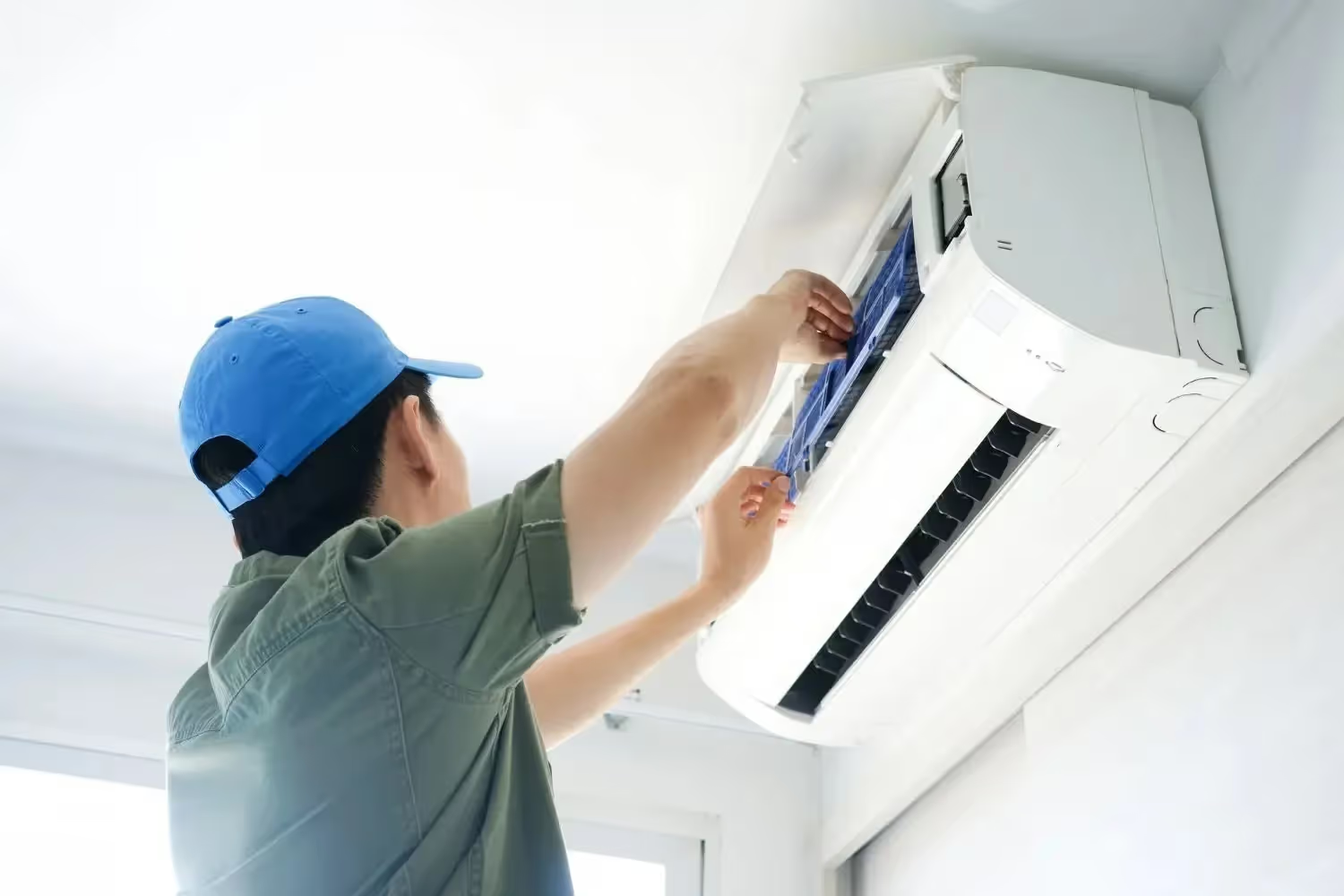
The Repair Process: Step-by-Step
Restoring a ductless mini-split to full functionality requires a methodical approach that adheres to safety standards and manufacturer protocols. We follow a strict sequence to ensure nothing is overlooked during the repair appointment.
- Initial System Isolation and Safety Check: The process starts by disconnecting power to the unit to ensure safety. Technicians inspect the electrical disconnect box and the main panel to verify that voltage is stable and that there are no underlying electrical hazards that could have caused the component failure.
- Error Code Analysis: Most modern ductless systems utilize a series of blinking lights or digital codes to indicate specific errors. The technician deciphers these codes to pinpoint issues such as communication failures, sensor errors, or compressor lockouts. This step significantly reduces troubleshooting time.
- Component Testing and Verification: Using multimeters and gauges, specific components are tested. This involves checking the resistance on the compressor windings, verifying the capacitance of the capacitors, and ensuring the inverter board is sending the correct frequency to the motor. If the issue is refrigerant-related, the technician measures superheat and subcooling levels to determine if a leak exists.
- Mechanical Repair and Parts Replacement: Once the faulty component is confirmed, the repair is executed. This may involve brazing a refrigerant line, replacing a seized fan motor, or swapping out a fried printed circuit board (PCB). During this phase, strict attention is paid to detail, such as applying thermal paste to heat sinks or nitrogen-purging lines during brazing to prevent oxidation.
- System Cleaning and Reassembly: A repair is often an opportunity to address maintenance that impacts performance. Filters are inspected, and if the blower wheel is impacted with mold or dust, it is cleaned to ensure proper airflow. The housing is then reassembled, ensuring all clips and screws are secure to prevent vibration noise.
- Operational Testing and Calibration: After the repair is complete, the system is powered back on. The technician runs the unit through a full cycle, testing both heating and cooling modes. They monitor the temperature differential (delta T) across the coil to verify the unit is exchanging heat effectively.
- Final Site Cleanup and Report: The workspace is cleaned of any debris, old parts, or packaging. A final report is provided, detailing exactly what was done, confirming the system is operating within normal parameters, and offering advice on how to maintain the repair.
Repair or Replace? Making the Right Choice for Your Home
Homeowners in Horse Cave often face the difficult decision of whether to invest in a repair or opt for a full system replacement. This decision should be based on data, system age, and financial logic rather than guesswork. There are specific thresholds where repair makes sense and others where replacement is the more prudent financial move.
When to Repair:
- System Age is Under 10 Years: Most ductless systems are designed to last between 15 and 20 years with proper maintenance. If your unit is relatively new, a repair is usually the most cost-effective option.
- The 50% Rule: If the cost of the repair is less than 50% of the cost of a new system, repair is generally recommended.
- Single Component Failure: If the breakdown is isolated to a single replaceable part, such as a fan motor or a sensor, and the rest of the system is in good condition, a repair will likely restore full function for years.
- Warranty Coverage: If the unit or parts are still under the manufacturer’s warranty, repairing the system is almost always the right choice as costs are significantly minimized.
When to Replace:
- Compressor Failure in Older Units: The compressor is the heart of the system. If it fails and the unit is out of warranty or over 12 years old, the cost of the compressor and labor often rivals the price of a new outdoor unit.
- Refrigerant Type: If your system utilizes R-22 refrigerant (common in very old units), it is legally phased out and extremely expensive to source. Upgrading to a system that uses R-410A or newer refrigerants is necessary.
- Frequency of Breakdowns: If you have required multiple repairs in the last two years, the system is likely reaching the end of its reliable lifespan. Continuing to pour money into a failing asset provides diminishing returns.
- Efficiency Obsolescence: Older technology may have SEER ratings significantly lower than modern units. Replacing an aging unit can result in immediate utility savings that help offset the installation cost.
Adhering to Local Codes and Seasonal Demands
Operating a ductless system in Horse Cave requires specific attention to the local environment and regulatory landscape. The weather patterns in this part of Kentucky are characterized by high humidity in the summer and potential freezing temperatures in the winter. Your system must be calibrated to handle these extremes.
- Managing Humidity and Condensate: In our humid subtropical climate, the air conditioner removes a significant amount of moisture from the air. This necessitates a perfectly functioning condensate drainage system. Repairs often involve clearing organic buildup in drain lines that thrives in humid environments. We ensure that gravity drains are pitched correctly and that condensate pumps are functioning to prevent water from backing up and damaging drywall or flooring.
- Electrical and Building Codes: Any significant repair involving electrical components or refrigerant handling must adhere to local building codes and safety standards. Technicians must be EPA-certified to handle refrigerants, ensuring that no harmful chemicals are vented into the atmosphere. Additionally, electrical connections for the outdoor unit must meet the specific amperage and grounding requirements enforced in the region to prevent fire hazards and ensure insurance compliance.
- Winterization and Low-Ambient Operations: While cooling is a priority, many ductless systems here also serve as the primary heat source during winter. Heat pumps in this region must have functional defrost boards to handle frost buildup on the outdoor coil. If a sensor fails, the unit may freeze over, leaving the home without heat. Our repair services account for these dual-season needs, verifying that reversing valves and defrost logic are operational before the cold sets in.
- System Sizing and Load Calculation: Sometimes a "breakdown" is actually a result of improper sizing relative to the local climate load. If a unit runs constantly without reaching the set temperature, it may be undersized for the heat gain of the room. Part of our diagnostic process involves verifying that the installed unit is capable of managing the thermal load specific to the insulation and window exposure of your home in this specific geography.
Common Ductless System Failures We Resolve
Understanding the specific nature of ductless malfunctions can help homeowners recognize urgency. We address a wide variety of technical failures that stop your system from performing.
- Refrigerant Leaks: Leaks are common at the flare connections where the copper line set meets the indoor or outdoor unit. Low refrigerant causes the coil to freeze, reduces heating/cooling capacity, and can eventually damage the compressor. We locate leaks using electronic detectors and repair the connection before recharging the system to factory weight.
- Communication Errors: The indoor and outdoor units communicate constantly via a dedicated wire. If this connection is interrupted by a loose wire, rodent damage, or a surge, the system will shut down to protect itself. We trace the communication path to restore data flow.
- Circuit Board Failures: Inverter boards convert AC power to DC to control the speed of the motor. These boards are sensitive to power fluctuations. A "fried" board will render the system completely unresponsive. We diagnose board failures and replace them with OEM parts.
- Blower Wheel Balance Issues: If the indoor unit is vibrating or making a "whooshing" noise, the blower wheel may be unbalanced due to dust accumulation or physical damage. This not only creates noise but reduces air throw. We clean or replace blower assemblies to restore quiet operation.
Why Choose Us? Our Commitments to You
Selecting a service provider for ductless repair involves trusting a technician with the comfort and safety of your home. We distinguish our services through technical expertise and a commitment to operational transparency.
- Specialized Training: Ductless systems are technically distinct from standard central air conditioners. They require specific tools and knowledge regarding inverter technology and mini-split electronics. Our technicians undergo continuous training to stay current on the latest service bulletins and repair techniques for major ductless brands. This specialization ensures that the diagnosis is accurate the first time.
- Truck Stock and Availability: We understand that waiting for parts is frustrating. Our service vehicles are stocked with universal parts and common failure components for ductless units, such as capacitors, fuses, and sensors. While proprietary boards may need to be ordered, our goal is to complete as many repairs as possible during the initial visit.
- Transparent Communication: You will never be in the dark about the cost or the scope of the repair. We provide clear, upfront explanations of what is broken, why it broke, and what it costs to fix it. There are no hidden fees or surprise charges on the final invoice.
- Local Reliability: As a company serving the Horse Cave area, our reputation is built on reliability and community trust. We stand behind our work with labor warranties and ensure that every interaction is professional and respectful of your property. Carter Heating and Cooling remains dedicated to providing high-quality service that prioritizes your long-term comfort.
Restore Your Home's Comfort Immediately
A malfunctioning ductless system compromises your indoor air quality and temperature control. Delaying repairs can lead to more extensive damage to the compressor or other vital components, turning a minor fix into a major expense. Do not let a breakdown dictate the comfort of your home.
Take action to resolve your heating and cooling issues today.

Great Service at a Fair Price
Veterans Discount


Senior Discount

Law Enforcement

Fire fighters/ems

Hear From Your Neighbors!
Hear from your neighbors to see how our commitment to dependable service and lasting comfort has made a difference in their homes.