

How can we help today?
Choose an option to see quick actions and get help faster.Heating Installation in Horse Cave, KY
Heating Installation in Horse Cave, KY
Heating Installation in Horse Cave, KY
Eliminate Heating Inconsistencies and System Failures
When your heater quits in the middle of a Horse Cave winter, you need fast, reliable help. At Carter Heating and Cooling, we provide immediate heating installation services to keep your home warm and comfortable. Contact us to schedule an assessment or inquire about our flexible financing options.
We understand that a broken furnace or heat pump is more than an inconvenience; it is a safety concern when temperatures drop. Our team is deployed to address system failures with speed and precision, ensuring your household is not left in the cold.
- Rapid response installation teams available for urgent replacement needs.
- Efficient, high-quality heating systems designed specifically for the unique Horse Cave climate.
- Upfront pricing with no hidden fees for total transparency.
All installations are fully licensed, backed by comprehensive warranties, and financing options are available to fit your budget.
What to Expect From a Professional Heating Installation
Selecting a new heating system involves more than just swapping one metal box for another. A proper installation defines the efficiency, longevity, and safety of your heating infrastructure for the next 15 to 20 years. When you engage professional services for a new install, the focus is on calculating the precise thermal needs of your property.
Our scope of work covers every aspect of the transition. This includes the safe disconnection and disposal of your existing unit, thorough inspection of the plenum and existing ductwork, and the precise integration of the new machinery. We prioritize systems that can handle the local humidity during the shoulder seasons while delivering powerful heat when Horse Cave temperatures dip into the 20s.
Included in a standard installation service:
- Load Calculation: We perform a Manual J load calculation to determine the exact BTU output required for your square footage, insulation levels, and window orientation.
- Ductwork Assessment: Technicians inspect air ducts for leaks or disconnects that could compromise the efficiency of the new unit.
- Gas and Electrical Safety: For gas furnaces, we rigorously test lines for leaks and proper pressure. For electric heat pumps, we verify voltage and amperage capacity.
- System Calibration: The blower motor, gas valve, and thermostat are calibrated to manufacturer specifications to ensure peak performance immediately upon startup.
- Post-Installation Cleanup: The workspace is left cleaner than we found it, with all debris and old equipment hauled away.
The Installation Process Step-by-Step
Understanding the sequence of events helps homeowners prepare for the installation day. We execute a systematic approach to ensure that every connection is secure and every component functions as intended. We do not skip steps, as adherence to protocol is what prevents premature breakdowns.
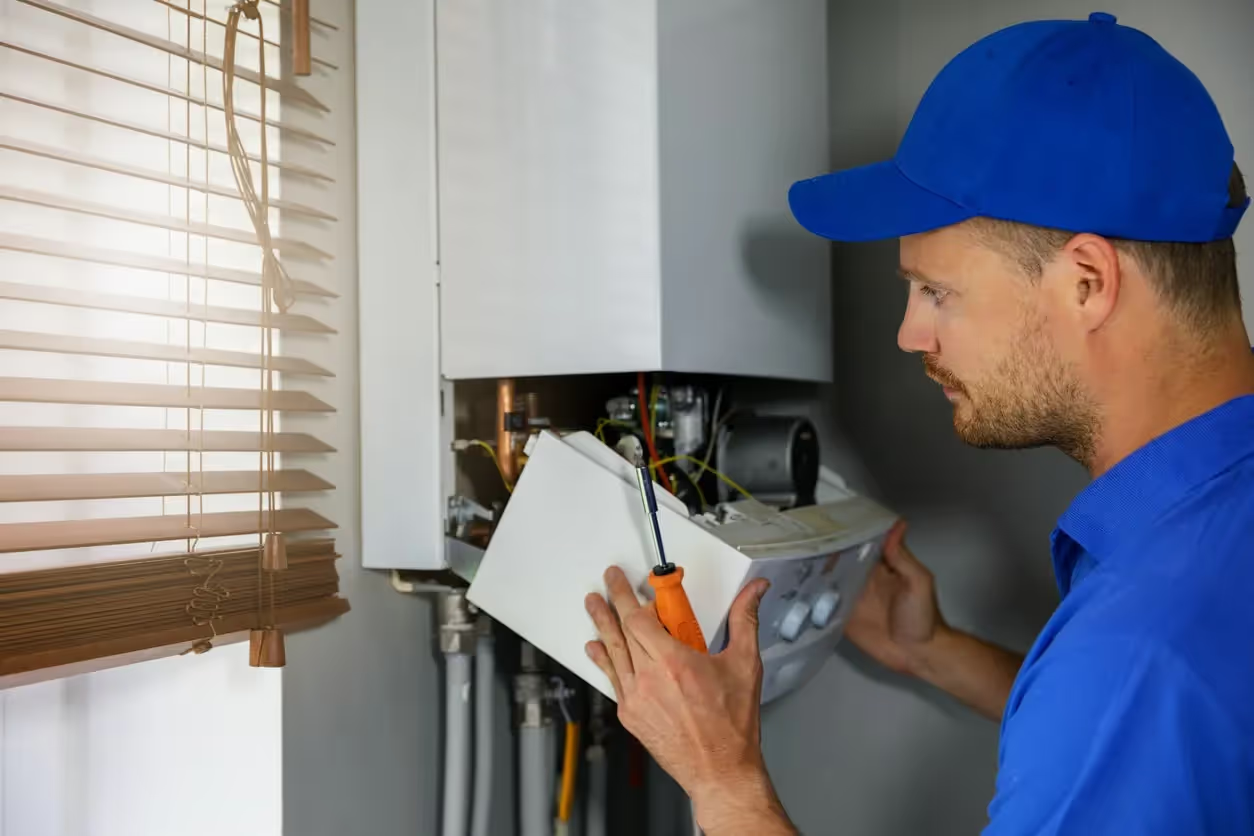
- Site Preparation and Protection: Technicians arrive with floor protection to safeguard your home. The area around the existing unit is cleared to allow for safe maneuvering of heavy equipment. Power and gas supplies are shut off at the source to ensure a safe working environment.
- Removal of Existing Equipment: The old furnace or air handler is disconnected. Refrigerant is reclaimed from heat pumps according to EPA regulations. Gas lines and electrical whips are capped safely. The old unit is removed from the premises for environmentally responsible disposal.
- Modifications and Placement: If the new unit has different physical dimensions, the plenum (the metal box connecting the furnace to the ductwork) is modified to fit. The new unit is leveled to ensure proper drainage of condensate, which is critical for high-efficiency gas furnaces and heat pumps.
- Connection of Utilities: Technicians reconnect the high-voltage electrical wiring and low-voltage control wires. Gas piping is connected with new sediment traps and shut-off valves if necessary. Flue pipes are installed or inspected to ensure dangerous combustion gases, like carbon monoxide, are vented safely outside the home.
- System Startup and Testing: Once physically installed, the system is powered on. We measure static pressure in the ducts, temperature rise across the heat exchanger, and gas manifold pressure. This data verifies that the system is operating within the "safe zone" designated by the manufacturer.
- Owner Walkthrough: Finally, we walk you through the operation of the new system. This includes how to operate the thermostat, how to change the filter, and what sounds or behaviors are normal for the new equipment — join our maintenance plan today.
Deciding When to Replace vs. Repair
Homeowners often struggle with the decision to repair an aging unit or invest in a new one. While repairs can resolve immediate issues, they often act as a temporary bandage on a failing system. There are specific metrics and financial indicators that suggest replacement is the more prudent financial decision.
We recommend evaluating the state of your current system using the following criteria:
- The 50% Rule: If the cost of the repair approaches 50% of the value of a new system, replacement is generally the smarter choice. Investing heavily in an old unit rarely yields a return on investment.
- System Age: Most gas furnaces last 15–20 years, while heat pumps typically last 10–15 years. If your equipment in Horse Cave is approaching or exceeding these milestones, efficiency degradation has likely already occurred.
- Rising Energy Bills: As internal components wear out, motors and compressors must work harder to produce the same amount of heat. If your utility bills have spiked without a change in usage, the system is losing efficiency.
- Frequency of Breakdowns: If you have required multiple repairs in the last two heating seasons, the system has become unreliable. The cumulative cost of service calls often exceeds the monthly cost of financing a new unit.
- Comfort Inconsistencies: Uneven heating, cold spots, or a unit that runs constantly without reaching the set temperature are signs that the heat exchanger or compressor is failing.
Navigating Local Climate and Regulations
Installing heating equipment requires strict adherence to local building codes and an understanding of regional infrastructure. In this area, specific considerations must be made regarding fuel sources and climate adaptation. Carter Heating and Cooling ensures every project complies with safety standards and operates efficiently within the local environment.
- Permitting and Code Compliance: Major HVAC installations often require permits to ensure the work meets safety standards. This is particularly important for gas line alterations and electrical upgrades. We handle the documentation to ensure your installation is legal and compliant with local municipal or county codes.
- Climate-Specific Equipment Sizing: The climate here features hot, humid summers and winters that can freeze. This variance requires heating systems, particularly heat pumps, to have a high HSPF2 (Heating Seasonal Performance Factor) rating. Systems must be sized to handle the coldest nights in January without relying entirely on expensive emergency heat strips.
- Utility Coordination: Whether your home relies on natural gas, propane, or electricity, we coordinate the installation to match your available utilities. For gas furnaces, we ensure proper venting requirements are met to prevent back-drafting. For electric systems, we verify your breaker panel can handle the amperage of modern, high-output heat strips.
- Ventilation and Air Quality: Homes in the region are often tightly sealed for efficiency, which makes ventilation critical. We assess how the new heating system interacts with your home’s airflow to prevent moisture buildup or the accumulation of stale air.
Choosing the Right Heating Technology
The market offers several types of heating technologies, each with distinct advantages depending on your property type and fuel availability. Making the right choice depends on your long-term goals for efficiency and initial investment.
- Forced Air Gas Furnaces: These are the most common systems in areas with natural gas access. They provide powerful, hot air quickly. High-efficiency models utilize a secondary heat exchanger to capture escaping heat, reaching efficiency ratings of 96% or higher (AFUE).
- Air Source Heat Pumps: Heat pumps are excellent for this climate because they move heat rather than generating it. In the winter, they extract heat from the outside air (even when it is cold) and pump it inside. Modern inverter-driven heat pumps remain efficient even as temperatures drop below freezing.
- Dual Fuel (Hybrid) Systems: This combines an electric heat pump with a gas furnace. The heat pump handles moderate temperatures efficiently, while the gas furnace takes over during extreme cold snaps. This optimizes fuel costs throughout the winter.
- Geothermal Systems: For homeowners looking for maximum long-term efficiency, geothermal systems utilize stable ground temperatures. While the upfront installation is more complex, the operating costs are significantly lower than air-source units.
Maximizing Efficiency and Lowering Costs
A new installation is the perfect opportunity to reset your home's energy consumption profile. Modern heating equipment is vastly more efficient than models manufactured just a decade ago. However, the equipment is only one part of the equation.
- Sealing Ductwork: Even the most efficient furnace will waste money if the ducts are leaking. We recommend sealing accessible ductwork during installation to ensure the heated air actually reaches your living spaces.
- Smart Thermostats: Integrating a smart thermostat allows for precise control over your heating schedule. Learning thermostats can adjust the temperature based on occupancy, reducing waste when the house is empty.
- Variable Speed Blowers: Opting for a furnace or air handler with a variable speed motor allows the system to run at lower speeds for longer periods. This maintains a more consistent temperature, reduces noise, and improves air filtration compared to single-stage motors that blast full-speed air and then shut off.
Secure Your Home Comfort This Winter
A reliable heating system is the backbone of a comfortable home. Waiting until the system fails completely can lead to rushed decisions, frozen pipes, and uncomfortable nights. By proactively addressing your heating installation needs, you ensure a safe, warm environment for your family regardless of the weather outside.
We provide the technical expertise and logistical support to execute seamless installations. From the initial load calculation to the final safety check, our process is designed to deliver consistent results and long-term reliability.
Trust Carter Heating and Cooling to upgrade your home’s heating infrastructure with precision and care.
Don’t wait for the first freeze to test your heater. Contact us today to schedule your heating installation consultation.

Great Service at a Fair Price
Veterans Discount


Senior Discount

Law Enforcement

Fire fighters/ems

Hear From Your Neighbors!
Hear from your neighbors to see how our commitment to dependable service and lasting comfort has made a difference in their homes.