

How can we help today?
Choose an option to see quick actions and get help faster.Ductless Maintenance in Scottsville, KY
Ductless Maintenance in Scottsville, KY
Experiencing issues with your ductless system in Scottsville? Quickly address problems with specialized maintenance and enhance efficiency. Call now to book a service!
Resolve Unexpected Ductless System Issues Quickly
Facing sudden problems with your ductless system in Scottsville? Immediate maintenance can prevent costly future repairs and enhance system efficiency. Schedule your service visit or call us immediately to restore comfort to your home.
Carter Heating and Cooling provides specialized attention to mini-split systems, ensuring they operate at peak performance levels regardless of the season.
- Rapid on-site response within hours, not days.
- Expert solutions that extend your system’s lifespan.
- Transparent pricing with no hidden costs.
All services are performed by certified technicians to ensure quality and compliance.
Comprehensive Ductless System Tune-Ups
Ductless mini-split systems operate differently than traditional central HVAC units, requiring a specific set of maintenance protocols to function correctly. Because these units do not rely on ductwork, the air handlers are located directly in the living space. This makes cleanliness and mechanical precision vital for indoor air quality and temperature regulation. A professional tune-up goes far beyond a simple filter change; it involves a deep cleaning and mechanical inspection of both the indoor and outdoor components.
Deep Cleaning Indoor Air Handlers
The indoor unit of a ductless system houses the evaporator coil and the blower wheel. Due to the humid climate in Scottsville, these components are prone to accumulating dust, mold, and mildew. If left unchecked, this buildup restricts airflow and circulates contaminants throughout the room.
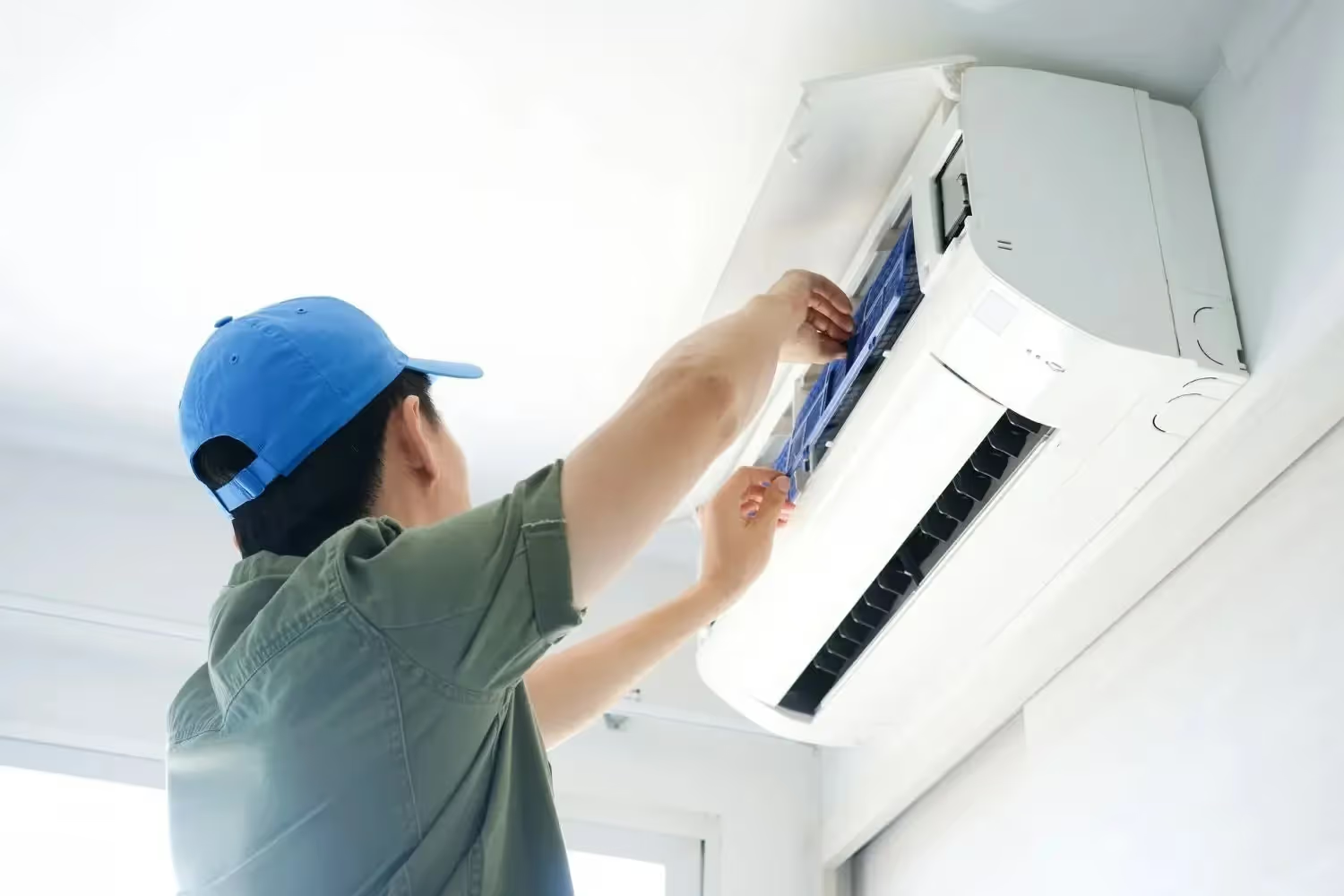
- Filter Cleaning and Replacement: Technicians remove and sanitize the reusable mesh filters. If additional specialized filters (such as catechins or ionizers) are present, they are inspected and replaced if necessary.
- Blower Wheel Sanitization: The blower wheel acts as a fan to push air into the room. Dust accumulation here creates an imbalance, causing noise and reducing efficiency. A thorough cleaning restores balance and quiet operation.
- Coil Cleaning: The evaporator coil is responsible for absorbing heat. Technicians use specialized cleaning agents to remove grime without damaging the delicate aluminum fins, ensuring maximum heat exchange.
- Drain Pan and Line Clearance: Moisture removed from the air collects in the drain pan and exits via a condensate line. Algae growth can block this line, leading to water leaks down the wall. High-pressure cleaning ensures the line is clear and draining properly.
Outdoor Compressor Inspection
The outdoor condenser unit is the engine of the ductless system. It houses the compressor, reversing valve, and main control board. Exposure to the elements means leaves, dirt, and debris can clog the system, forcing the compressor to work harder than necessary.
- Coil Washing: The outdoor coil releases heat during the summer and absorbs it during the winter. Dirt acts as an insulator, preventing this transfer. Technicians wash the coil to restore efficiency.
- Fan Motor Inspection: The outdoor fan pulls air through the coil. Maintenance includes checking the fan blades for damage and ensuring the motor is drawing the correct amperage.
- Clearance Verification: Vegetation or debris crowding the unit restricts airflow. The area surrounding the unit is cleared to allow proper air intake.
Electrical and Refrigerant Checks
Modern ductless systems utilize sophisticated inverter technology, which allows the compressor to speed up or slow down based on demand. This requires precise electrical connections and exact refrigerant levels.
- Electrical Connection Tightening: Loose wires can cause overheating or intermittent failures. All terminal connections are tightened and inspected for signs of burning or corrosion.
- Inverter Board Analysis: The main control board is examined for hot spots or error codes that might indicate an impending failure.
- Refrigerant Pressure Testing: Incorrect refrigerant levels—whether too high or too low—can damage the compressor. Gauges are used to verify the system is charged to manufacturer specifications.
The Maintenance Process: What to Expect
Professional maintenance follows a structured workflow to ensure every component is addressed without disrupting the household. The goal is to leave the system running like new while maintaining a clean work environment.
- Arrival and Site Protection: The technician arrives with all necessary tools and equipment. Shoe covers and drop cloths are used to protect flooring and furniture, particularly when working on indoor air handlers mounted on walls.
- System Shutdown and Disassembly: Power is cut to the unit to ensure safety. The front casing of the indoor unit is removed to access the internal components.
- Bib Kit Installation: To clean the indoor unit thoroughly with water and cleaning agents, a specialized "bib" or catch bag is attached to the unit. This funnels all water and debris into a bucket, preventing any mess on the walls or floor.
- Pressurized Cleaning: A pressure washer designed specifically for mini-splits is used to blast dirt and mold from the blower wheel and coils. The runoff is collected in the bib kit.
- Reassembly and Testing: Once cleaned, the unit is reassembled. Power is restored, and the system is run in both cooling and heating modes (if applicable) to verify performance.
- Final Report: The technician provides a breakdown of the work performed and highlights any potential issues that may require future attention.
Recognizing When Maintenance Is Required
Ductless systems often give subtle signs that performance is degrading before a total breakdown occurs. Identifying these indicators early allows homeowners to schedule maintenance before the system fails during a heatwave or a cold snap.
- Reduced Airflow: If the air coming from the unit feels weak even when the fan is set to high, the blower wheel or filters are likely clogged.
- Unpleasant Odors: A smell resembling dirty socks or mildew often indicates mold growth inside the unit or standing water in the drain pan. This is a common issue in humid environments and requires immediate cleaning.
- Popping or Cracking Noises: Plastic housing expands and contracts with temperature changes, which is normal. However, rhythmic clicking or grinding sounds usually point to a mechanical issue or a debris-imbalanced fan.
- Higher Energy Bills: Inverter systems are designed for extreme efficiency. A sudden spike in electricity usage without a change in weather suggests the system is struggling to maintain the set temperature.
- Ice Formation: Ice on the indoor or outdoor coils indicates a problem with airflow or refrigerant levels. Continuing to run a frozen system can destroy the compressor.
- Short Cycling: If the unit turns on and off frequently rather than running at a consistent, low speed, the sensors may be dirty or the system may be overheating.
Repair vs. Replacement: Making the Right Call
When a ductless system malfunctions, homeowners often face the decision of whether to invest in repairs or replace the unit entirely. Several factors influence this financial decision.
- Age of the Equipment: Most ductless mini-splits have a lifespan of 12 to 15 years with proper care. If the system is over 10 years old and requires a major repair, replacement is often the more economical choice.
- Cost of Repairs: The "50% Rule" is a standard industry metric. If the cost of the repair approaches 50% of the cost of a new system, investment in new equipment is recommended. New units come with fresh warranties and higher efficiency ratings.
- Frequency of Breakdowns: A system that requires multiple service calls in a single year is becoming a liability. Recurring issues signal that major components are reaching the end of their service life.
- Refrigerant Type: Older systems may use R-22 refrigerant, which is phased out and expensive to source. Upgrading to a modern system using R-410A or newer refrigerants ensures compliance and lower maintenance costs.
- Efficiency Gains: Technology improves rapidly. Replacing a 10-year-old unit with a modern, high-SEER ductless system can result in significant energy savings that offset the installation cost over time.
Local Climate and System Performance
The climate in this region of Kentucky presents specific challenges for HVAC equipment. Scottsville experiences a humid subtropical climate, characterized by hot, muggy summers and cool winters. This variation demands that ductless systems perform effectively as both air conditioners and heaters.
- Summer Humidity Control: High humidity levels in the summer mean the system must work hard to remove moisture from the air. This increases the volume of condensate water produced, making clear drain lines essential to prevent water damage.
- Mold Potential: The combination of darkness inside the air handler and moisture from the air creates an ideal environment for mold. Regular chemical cleaning is the only way to keep the air safe to breathe.
- Winter Heating Demand: While winters are generally moderate, temperatures can drop below freezing. Heat pumps must enter "defrost mode" to keep the outdoor coils clear of ice. Maintenance ensures the reversing valve and defrost sensors are functioning, preventing the system from freezing up when it is needed most.
- Pollen and Dust: Spring brings significant pollen. Because ductless units recycle the air within the room, filters can become clogged quickly during pollen season, requiring more frequent checks.
Why Professional Care Matters
While homeowners can perform basic tasks like rinsing filter screens, the complexity of modern ductless systems requires professional intervention for true maintenance. Carter Heating and Cooling utilizes industry-grade tools and training to ensure every aspect of the system is optimized.
- Warranty Protection: Most manufacturers require proof of professional maintenance to keep warranties valid. DIY repairs or neglect can void these agreements, leaving the homeowner responsible for expensive parts.
- Proper Tooling: Cleaning the blower wheel properly requires disassembly that can damage the plastic housing if done incorrectly. Technicians have the training to take the unit apart and put it back together safely.
- Chemical Safety: The coils require specific cleaning agents that dissolve grime without corroding the metal. Using household cleaners can strip the protective coatings on the fins.
- Leak Detection: Refrigerant leaks are often microscopic. Professionals use electronic sniffers and UV dyes to locate and seal leaks that a visual inspection would miss.
- Electrical Safety: Working with the high-voltage connections in the outdoor unit carries safety risks. Certified technicians follow safety protocols to prevent injury and damage to the home's electrical grid.
Why Choose Us
Carter Heating and Cooling stands out as the trusted choice for ductless system maintenance in Scottsville because we combine expertise, reliability, and customer-focused service.
- Experienced Technicians: Certified and trained in all mini-split models.
- Prompt Service: We respond quickly to minimize downtime and restore comfort.
- Comprehensive Maintenance: From filters to compressors, we handle every component.
- Transparent Pricing: No hidden fees or surprises.
- Customer Satisfaction: Hundreds of happy homeowners trust us for long-term system performance.
- Local Expertise: Knowledge of Scottsville’s unique climate challenges ensures your system works efficiently year-round.
Schedule Your Ductless Maintenance Today
Don't wait for a breakdown to think about your HVAC system. Secure your home comfort and efficiency by scheduling a professional ductless maintenance service today.

Great Service at a Fair Price
Veterans Discount


Senior Discount

Law Enforcement

Fire fighters/ems

Hear From Your Neighbors!
Hear from your neighbors to see how our commitment to dependable service and lasting comfort has made a difference in their homes.