

How can we help today?
Choose an option to see quick actions and get help faster.Heating Installation in Scottsville, KY
Heating Installation in Scottsville, KY
Heating Installation in Scottsville, KY
Need Expert Heating Installation Today?
Facing the harsh winter cold without a reliable heating system creates unnecessary stress and potential safety risks for your home. Our team provides rapid, efficient installation to ensure your comfort is restored immediately. Contact us to schedule an estimate or discuss financing options.
- Quick, efficient heating system installations by certified technicians.
- Transparent pricing and online estimates available immediately.
- 24/7 service availability, ensuring you're not left in the cold.
All installations are up to code with warranties for your peace of mind. Whether you are dealing with a complete breakdown or an inefficient unit that costs too much to run, Carter Heating and Cooling is prepared to restore warmth to your property in Scottsville.
Fast Heating Installation When You Need It Most
When a heating system fails in the middle of a Kentucky winter, the temperature inside your home can drop dangerously fast. Lows in the mid-20s to low 30s mean that your home’s thermal envelope will only hold heat for a short period before the interior environment becomes uncomfortable and potentially damaging to your plumbing infrastructure. You do not have time for vague appointment windows or contractors who lack the necessary equipment to finish the job on the first visit.
We prioritize installation requests based on urgency and necessity. Our inventory access allows us to source the correct furnace, heat pump, or hybrid system immediately, reducing the downtime between your call and the restoration of heat. We understand that heating is a necessity, not a luxury. Our approach eliminates the waiting game, providing you with a direct path from a cold house to a fully conditioned, comfortable living space. We focus on getting the new equipment on-site and installed correctly so you can move forward without disruption.
Today’s Installation Services: What to Expect
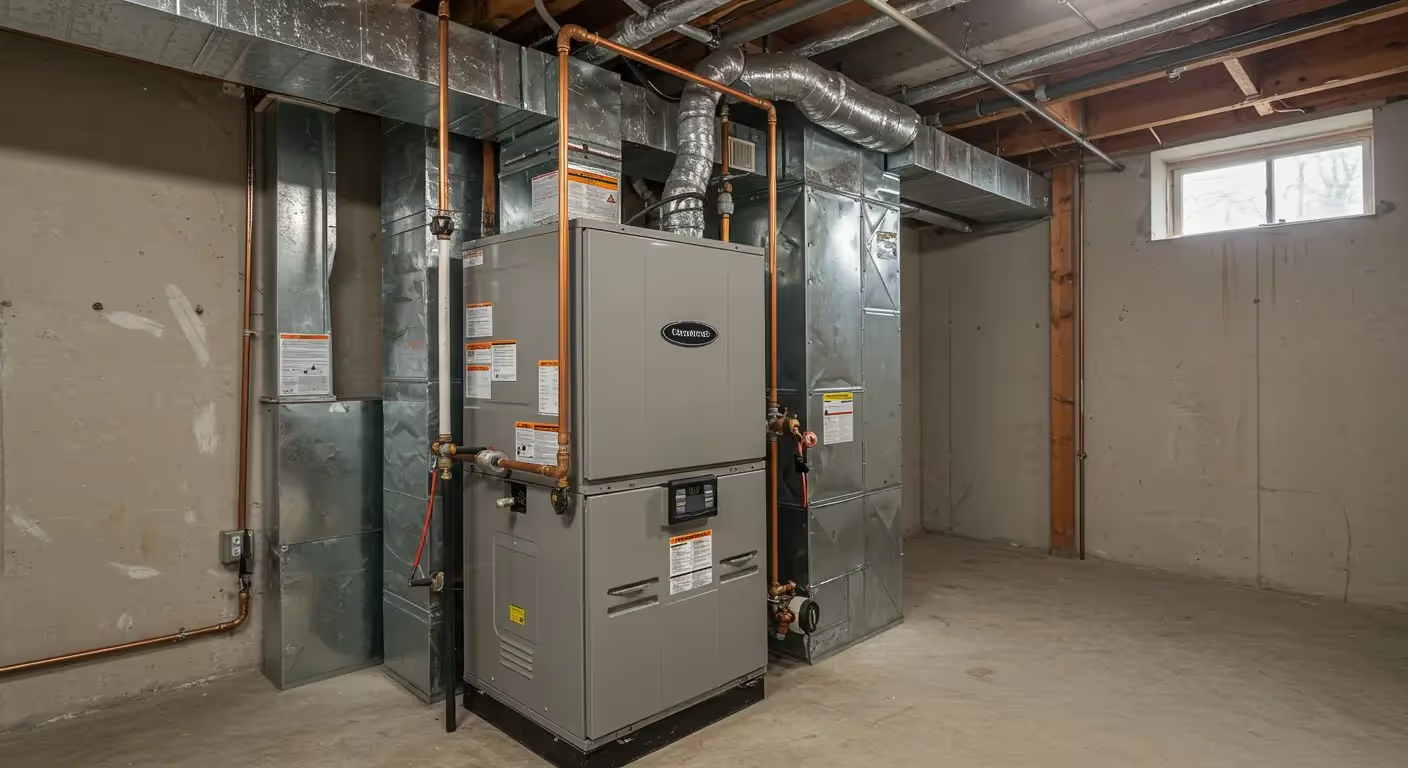
Modern heating installation is more than just swapping one metal box for another. It requires a comprehensive assessment of your home’s current infrastructure to ensure the new unit performs efficiently. When we arrive at your property in Scottsville, we look at the complete picture of your HVAC health. This ensures that the investment you make today delivers consistent returns in the form of lower energy bills and reliable performance for years to come — view our maintenance plan for long-term care.
- Load Calculation and Sizing: We perform precise calculations to determine the exact heating load your home requires. Installing a unit that is too large will cause it to short-cycle, leading to premature wear, while a unit that is too small will run continuously without ever reaching the set temperature. We size the unit based on square footage, insulation levels, window quality, and local climate data.
- Ductwork Inspection: Before connecting a new high-efficiency furnace or heat pump, we verify the integrity of your existing ductwork. Leaks or disconnects in the air distribution system can waste up to 30% of the energy your new system produces. We identify these issues immediately so they can be addressed during the installation.
- System Selection: We help you select the right fuel source and technology. Whether you need a high-AFUE gas furnace, an electric heat pump, or a dual-fuel system that handles our specific regional weather patterns, we provide options that match your budget and efficiency goals.
- Venting and Safety Checks: Proper exhaust ventilation is critical for gas furnaces to prevent carbon monoxide buildup. We assess your current flue pipes and intake lines to ensure they meet current safety standards and building codes.
- Thermostat Integration: New systems often require updated controls to communicate effectively. We include the setup of smart thermostats or compatible control units to give you precise command over your indoor climate.
Our Installation Process: Step-by-Step
A systematic approach ensures that nothing is overlooked during the installation. We follow a strict protocol designed to protect your property, ensure safety compliance, and verify system performance before we leave the premises.
- Site Preparation and Protection: First, technicians arrive and lay down drop cloths and protective floor coverings to ensure your home remains clean. We clear the workspace around the existing unit to allow for safe maneuvering of heavy equipment.
- Decommissioning the Old Unit: Next, we shut off gas and electrical supplies for safety. The existing furnace or heat pump is disconnected carefully. We handle the environmentally responsible disposal of the old unit and any hazardous materials, such as refrigerant, according to EPA regulations.
- Positioning and Mounting: Then, the new unit is positioned. For furnaces, this involves leveling the unit to ensure proper drainage of condensate and optimal combustion. For heat pumps, we ensure the outdoor pad is stable and level to prevent vibration and noise.
- Connection of Utilities: Technicians connect the gas lines, high-voltage electrical wiring, and low-voltage control wiring. Gas connections are pressure-tested to ensure there are absolutely no leaks.
- Plenum and Duct Connection: We seal the supply and return plenums to the new unit. This seal must be airtight to prevent air leakage. If sheet metal modifications are necessary to fit the new cabinet height, these are fabricated and installed on-site.
- Venting and Drainage: We install or reconnect the flue pipes for exhaust gases. For high-efficiency condensing furnaces, we also install condensate drain lines to route moisture away from the unit and your home’s foundation.
- System Startup and Testing: Once physical installation is complete, we initiate the startup sequence. We measure static pressure, temperature rise, and gas pressure to verify the system is operating within the manufacturer’s specifications.
- Final Walkthrough: Finally, we walk you through the operation of the new system, show you how to change the filter, and explain the warranty details before leaving the site.
Deciding Between Heating System Replacement or Repair
Homeowners often struggle with the decision to repair an aging unit or invest in a new one. While repairs might seem cheaper upfront, they can be more costly in the long run if the unit is nearing the end of its lifespan. Making the right choice depends on analyzing the age, condition, and efficiency of your current equipment.
- The 50% Rule: A general guideline used in the industry is the 50% rule. If the cost of the repair approaches 50% of the value of a new system, replacement is the smarter financial move. Investing heavy capital into a dying machine rarely yields a good return.
- Equipment Age: Most gas furnaces last between 15 and 20 years, while heat pumps typically last 10 to 15 years. If your system is within or past this age range, parts will become harder to find, and major component failures (like heat exchangers or compressors) become imminent.
- Rising Energy Bills: As heating systems age, they lose efficiency. If you have noticed a steady increase in your utility costs despite normal usage, your system is working harder to produce the same amount of heat. New systems with higher AFUE (Annual Fuel Utilization Efficiency) ratings can significantly lower monthly expenses.
- Frequency of Breakdowns: If you are calling for service multiple times a season, the unit has become unreliable. The cumulative cost of service calls and minor repairs often exceeds the monthly cost of financing a new installation.
- Uneven Heating: If some rooms are freezing while others are hot, or if the unit makes excessive noise, the internal components are likely failing. Carter Heating and Cooling can assess whether these symptoms indicate a terminal failure or a fixable issue, helping you make a data-backed decision.
Local Climate Notes & Compliance for Installation
Operating a heating system in Scottsville requires specific attention to our regional climate and local building regulations. Our weather patterns dictate specific equipment requirements that generic installation guides might miss.
- Handling Humidity and Cold Snaps: Our area experiences hot, humid summers and winters that can dip into the 20s. This climate makes heat pumps a popular choice, but they must be sized correctly to handle the heating load when temperatures drop below freezing. For many homes, a gas furnace or a dual-fuel system (a heat pump with a gas backup) provides the most reliable comfort during January and February cold fronts.
- Compliance with State Codes: All installations must adhere to the Kentucky Department of Housing, Buildings & Construction standards. This includes strict regulations on gas piping, electrical grounding, and combustion air requirements. We manage the permitting process to ensure your installation is fully legal and safe.
- Utility Integration: We work with local utility requirements regarding meter connections and electrical panel capacity. If your new system requires an electrical upgrade to handle the amperage, we identify this early in the estimation process.
- Moisture Management: Given our annual rainfall averages of 50-55 inches, moisture control is vital. Proper venting of high-efficiency furnaces and proper drainage for heat pumps are essential to prevent water damage and mold growth in basements or crawl spaces where units are often located.
Why Choose Us: Certifications & Local Testimonials
You need a service provider who understands the technical demands of modern HVAC equipment and the specific needs of local homeowners. We do not rely on high-pressure sales tactics or vague promises. Our reputation is built on technical precision, adherence to safety standards, and transparent business practices — read our reviews to verify our quality.
- Certified Expertise: Our technicians hold industry-recognized certifications that validate their ability to handle refrigerants, gas connections, and complex electrical circuits safely. We stay updated on the latest technology, including variable-speed blowers and modulating gas valves.
- Comprehensive Warranties: We stand behind our work. Beyond the manufacturer’s warranty on parts, we offer labor warranties that protect you from installation-related issues. You receive documentation for every aspect of the job.
- Local Focus: We are familiar with the housing stock in the area, from historic homes requiring careful retrofitting to new construction needing high-efficiency zoning systems. We understand the common insulation challenges and ductwork styles found in local properties.
- Safety First: We prioritize the safety of your family. Every gas installation includes a rigorous leak check, and every electrical connection is torqued to spec to prevent fire hazards. We treat your home with the same level of care and scrutiny we would apply to our own.
Secure your comfort for the coming winter with a heating installation that guarantees performance and efficiency.
Call Us Now!
Do not wait for a complete system failure to upgrade your home’s heating infrastructure. Contact Carter Heating and Cooling today to schedule your consultation and get a precise, no-obligation estimate.

Great Service at a Fair Price
Veterans Discount


Senior Discount

Law Enforcement

Fire fighters/ems

Hear From Your Neighbors!
Hear from your neighbors to see how our commitment to dependable service and lasting comfort has made a difference in their homes.